
Sweeper
A covering defender who plays behind the main defensive line, free of a fixed marking job, to read danger and clean up attacks that slip past teammates.
Overview
A sweeper is a defender who plays behind the main defensive line, with no fixed opponent to mark, free to read the game and cover the space and gaps that open up. Where the teammates in front pick up specific attackers or hold a zone, the sweeper stays deeper and 'sweeps up' danger — intercepting balls played in behind, tidying up loose balls, and making covering tackles when an attacker gets past the line. Because the sweeper is not tied to one player, the role rewards anticipation, calm positioning, and a good read of where the next threat will come from. In football the sweeper is also known as the libero, from the Italian word for 'free', which captures the essence of the job: the free defender behind everyone else.
As a cross-sport role rather than a single fixed position, the sweeper archetype appears under different names wherever a team wants a last line of cover behind its front-line defenders. The common thread is a deep, reading, mop-up defender who protects the space behind teammates and helps restart play once the danger is cleared. The role has also evolved: many teams now defend with a flat line and an offside trap instead of keeping a spare sweeper, and some ask their goalkeeper to act as a 'sweeper-keeper' behind a high line. Seeing the sweeper as a job — cover, read, and clean up — makes it easier to recognise the same idea across sports that otherwise look very different.
Responsibilities
- Sits behind the last line: the sweeper is usually the deepest outfield defender, positioned behind the players who mark opponents or hold the defensive line, so they can see the whole play unfolding in front of them and step across to cover gaps and loose balls.
- Covers rather than marks: unlike a man-marker who tracks one specific opponent, the sweeper stays free to patrol space, intercept balls played in behind, and provide backup when a teammate is beaten — which is exactly why the role is called the libero, or 'free' defender, in classic man-marking systems.
- Shows up across sports behind a defensive line: the football sweeper or libero, the futsal fixo anchoring the back, the last-line sweeper in field hockey, the rugby fullback dropping in behind the line to field kicks and cover breaks, and the free safety in American football as the deep last line of defence all share the same covering-defender job.
- Appears in net sports under the same name: the volleyball libero is a back-court specialist who leads defensive digging and serve reception, sharing the sweeper's mop-up spirit and the libero label — though the geometry differs, with no shared pitch or defensive line to patrol behind, so it is best seen as a related defensive-specialist role rather than an identical one.
- Interacts with offside and has evolved: because a deep sweeper can keep attackers onside, many teams replaced the spare sweeper with a flat defensive line and an offside trap, while others use a 'sweeper-keeper' goalkeeper to cover the space behind a high line — the role rewards reading play, positioning, and covering tackles more than tight marking.
Where it’s used
Sports that use sweeper:
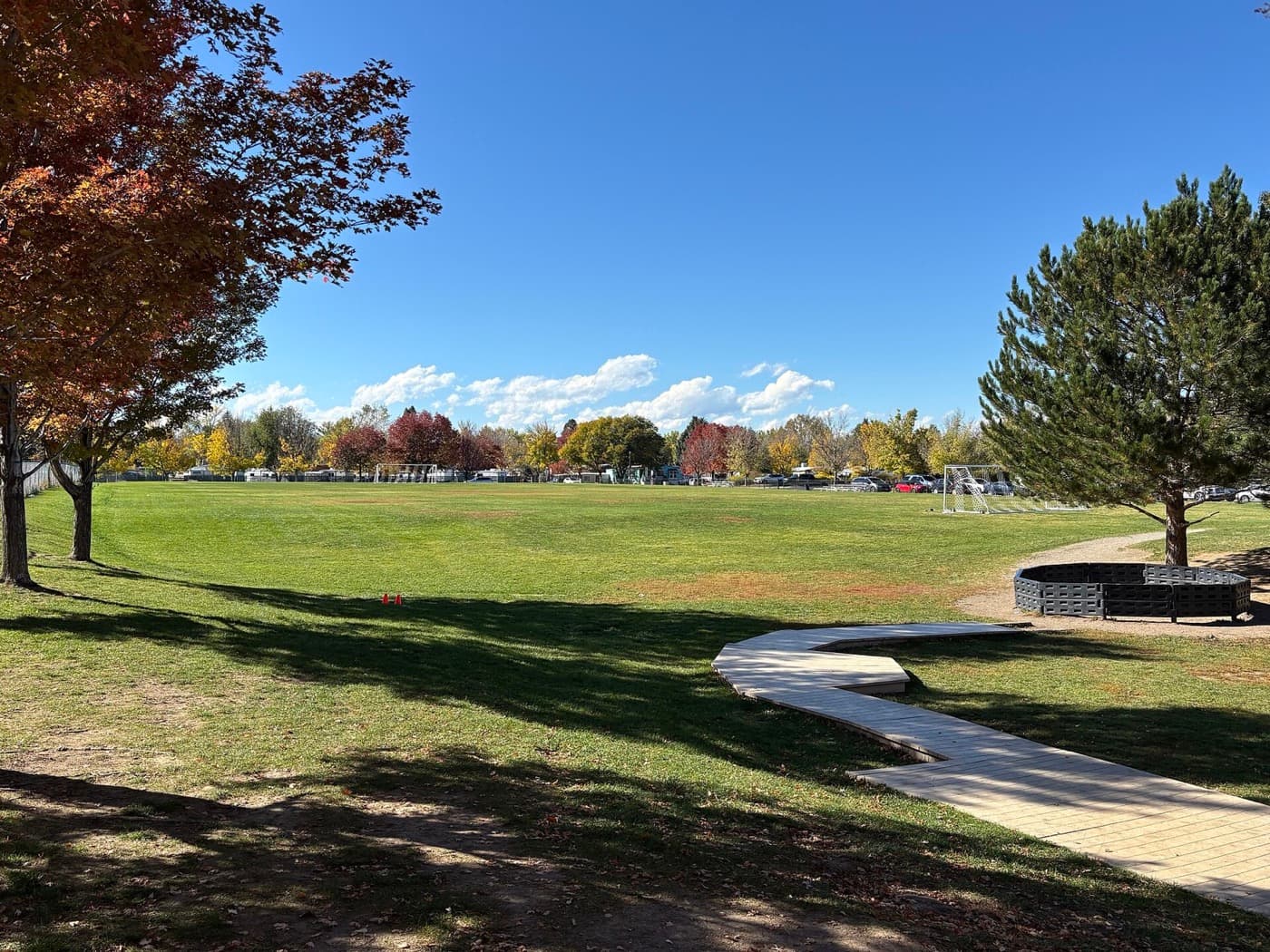
Football
The world’s most popular team sport — endless running, teamwork and community in one game.
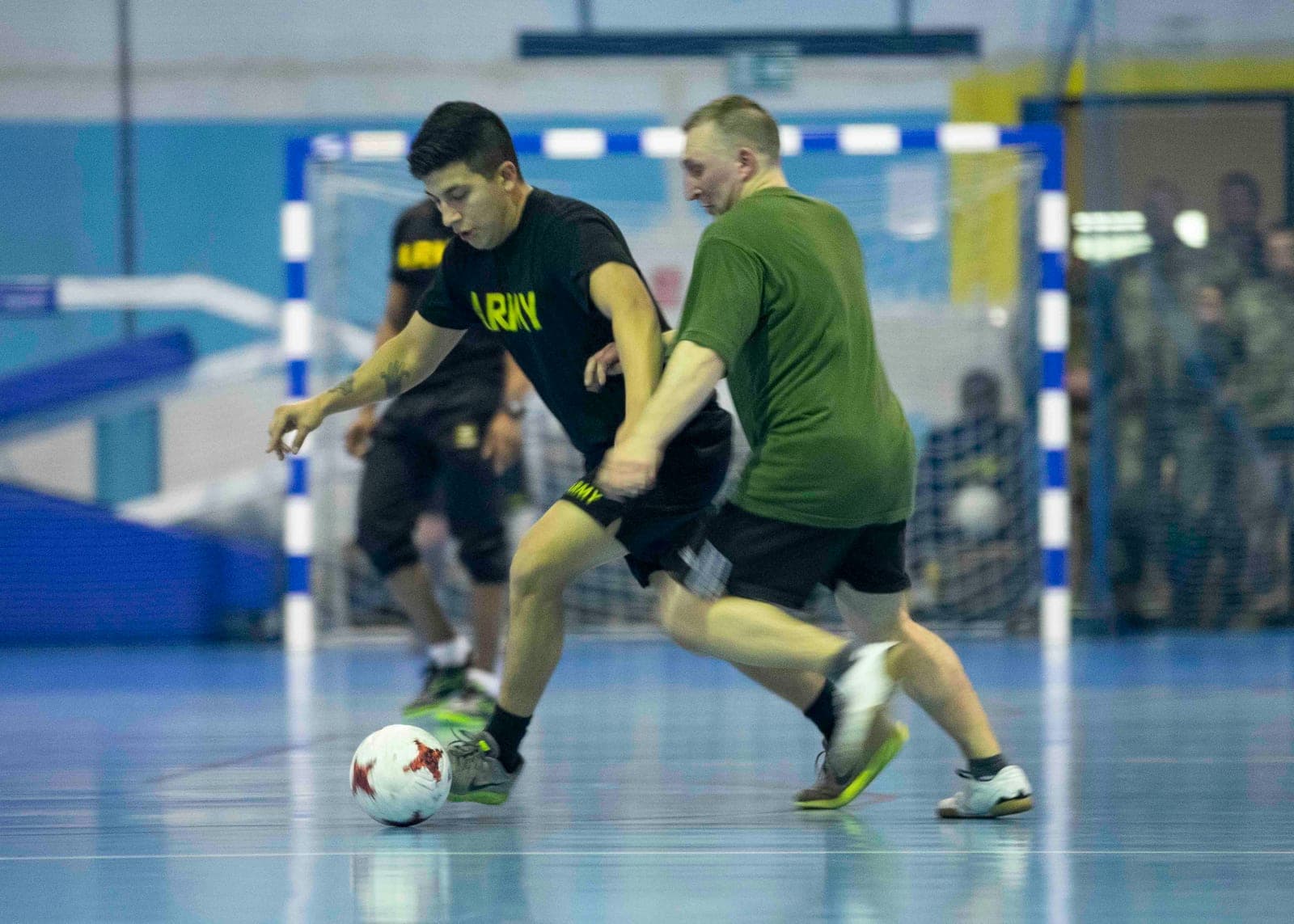
Futsal
A fast, small-sided indoor form of football played on a hard court with a low-bounce ball.
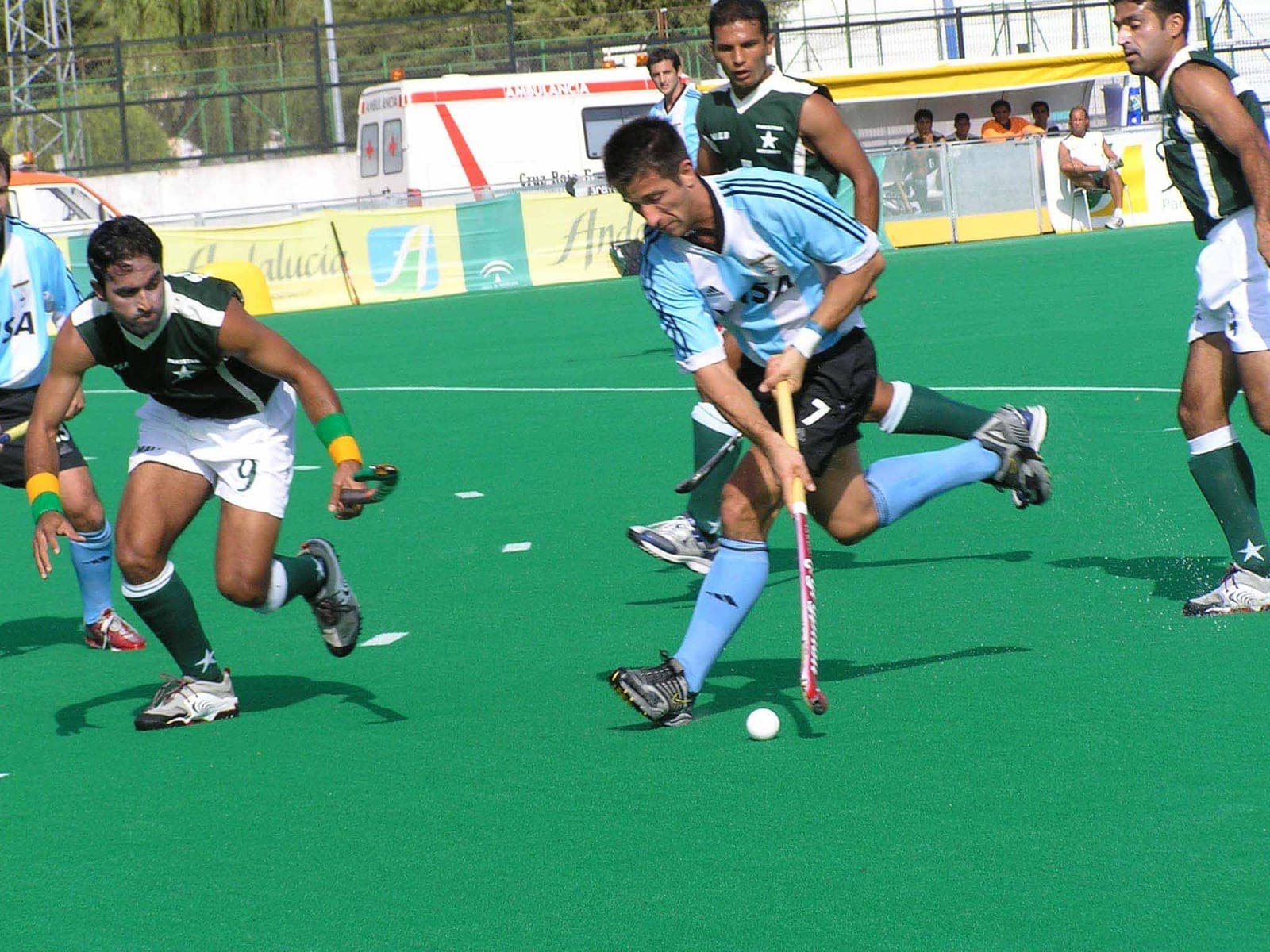
Field Hockey
An outdoor team sport that uses curved sticks to move a ball, built on agility and teamwork.
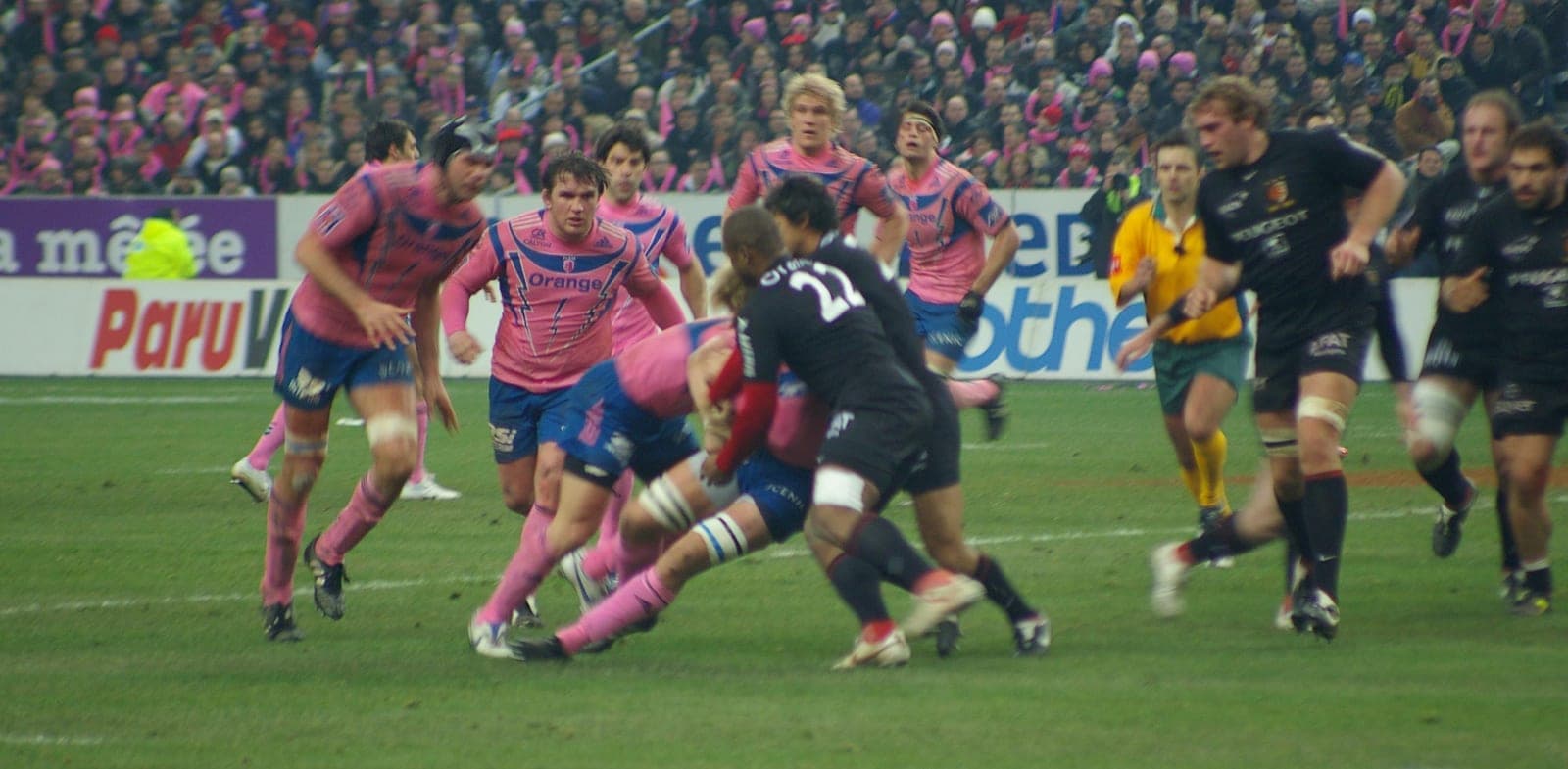
Rugby
A physical team sport of carrying, passing and kicking an oval ball toward the opposing line.
American Football
A strategic, position-based team sport of set plays, sprinting and coordinated teamwork on a marked field.
Related player roles
Playmaker
The playmaker is a team's creative hub — the player who orchestrates attacks, controls the tempo and distributes the ball so teammates can score.
Finisher
A finisher is the attacking outlet in a team sport whose main job is converting chances into points — the striker, goal shooter or go-to scorer.
Captain
The captain is a team's on-field leader who communicates, makes in-game decisions and sets standards — a role any player can hold, not a fixed position.
How it connects
The meaning-bearing relationships that place Sweeper in the wider knowledge graph — each one with the reason it exists.
Frequently learned together
Taught side by side in the same stage of a learning path.
- PlaymakerBoth are taught in the “Find your position or role” stage of the American Football learning path.
- Last line of defenceBoth are taught in the “Find your position or role” stage of the American Football learning path.
- Set-Piece SpecialistBoth are taught in the “Find your position or role” stage of the American Football learning path.
Explore across the knowledge base
Follow the threads that connect Sweeper to the rest of SocialSportHub.
Positions
- LiberoThe libero is a defensive volleyball specialist who wears a contrasting shirt, plays only in the back row, and cannot attack the ball above the height of the net.
- Centre-backA centre-back is a central defender in football whose main job is to stop opposing attackers and clear the ball from dangerous areas.
- Full-backA full-back is a defender who plays on the left or right side of the defence, defending the flank while also supporting attacks down the wing.
- GoalkeeperThe goalkeeper is the last line of defence in football and the only player allowed to handle the ball inside their own penalty area.
- Defensive midfielderA defensive midfielder sits in front of the defence, breaking up opposition attacks and shielding the back line.
Tactics
- Man-to-man markingA defensive tactic where each defender is assigned a specific opponent to track and contain.
- Zone defenceA defensive system where each player guards an area of the court rather than a specific opponent.
- Offside trapA defensive football tactic where the back line steps up together to leave an attacker offside.
Rules
Learning paths
- Learn FootballA structured, educational learning path for football — from the rules to skills, techniques, tactics and training.
- Learn RugbyA structured, educational learning path for rugby — from the rules to skills, techniques, tactics and training.
- Learn FutsalA structured, educational learning path for futsal — from the rules to skills, techniques, tactics and training.
- Learn American FootballA structured, educational learning path for american football — from the rules to skills, techniques, tactics and training.
Skills Academy
Sports communication
Go deeper with Sweeper
Everywhere else on the platform that covers Sweeper — assembled from what actually references it, so nothing here is a dead end.
Learn it
Structured courses and paths on the platform that cover this directly.
How this page is maintained
- Content type
- Player role
- Provenance
- Tier A — evergreen educational
- Verified external sources
- 0
- Content updated
- 2026-09-12
Evergreen, first-party explanation — it makes no claim that needs an external source. How we handle sources and reviews.