
Man-to-man marking
A defensive tactic where each defender is assigned a specific opponent to track and contain.
Overview
Man-to-man marking assigns every defender an individual opponent to follow, contest and prevent from receiving or using the ball, wherever that opponent goes.
It creates clear accountability and applies direct pressure on every attacker, but demands concentration and fitness, and can be exploited by clever movement, screens or overloads that pull defenders out of position.
Key points
- Each defender is responsible for one specific opponent across the court or pitch.
- It applies constant, direct pressure and makes accountability clear.
- Attackers use runs, screens and swaps to create separation from their marker.
- Defenders must stay goal-side, between their opponent and the goal or basket.
- Often mixed with zonal ideas in a hybrid marking scheme.
Where it’s used
Sports that use man-to-man marking:

Basketball
A fast, dynamic team sport of running, jumping and quick decisions on court.

Football
The world’s most popular team sport — endless running, teamwork and community in one game.
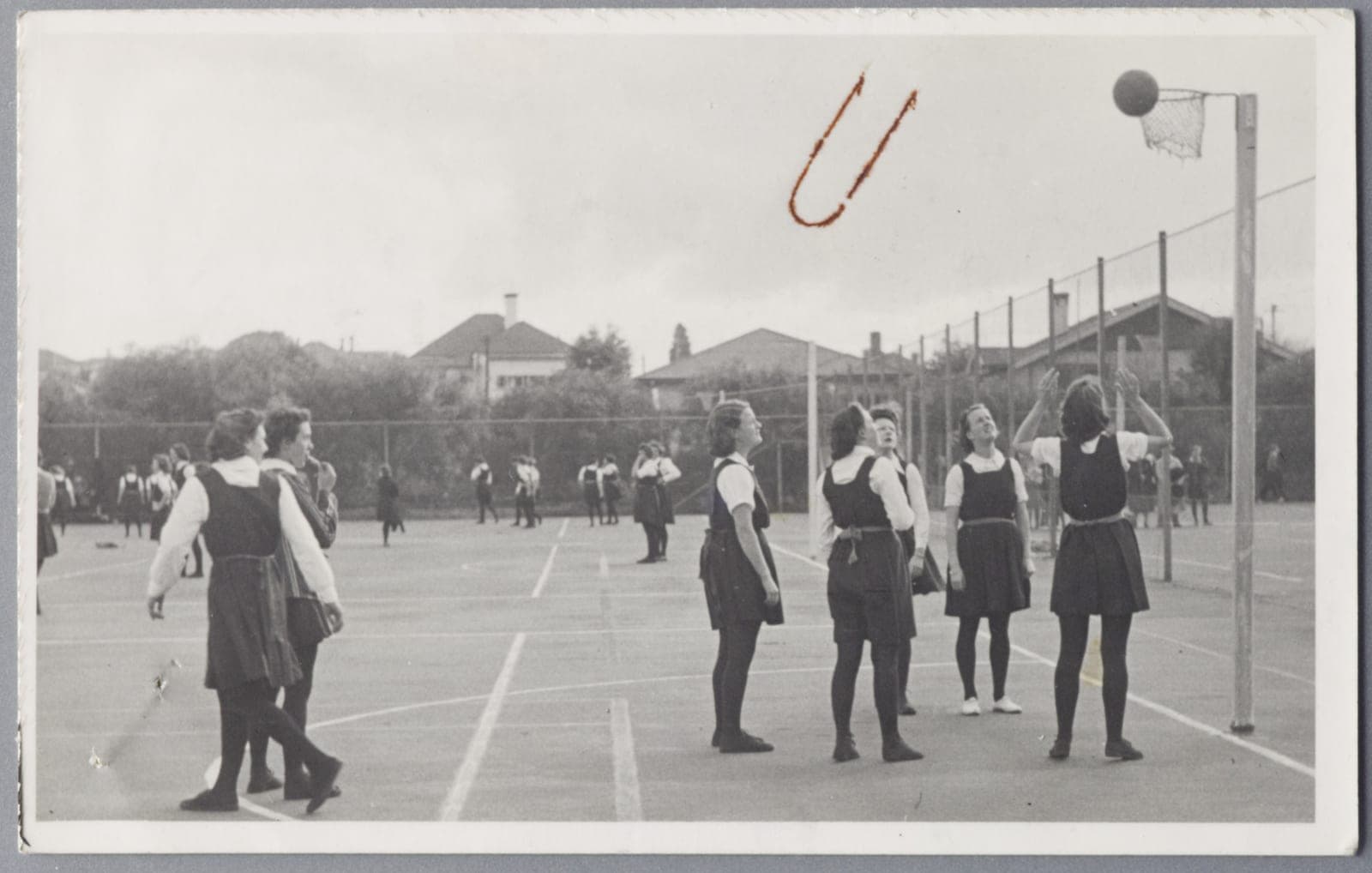
Netball
A non-contact, position-based team sport of quick passing and accurate shooting.

Handball
A fast indoor team sport of passing, jumping and throwing to score with the hands.
Related tactics
High press
A football tactic where a team hunts the ball high up the pitch to win it back close to the opponent’s goal.
Possession play
A patient football style that keeps the ball through short passing to control the game and tire opponents.
Counter-attack
Winning the ball and moving forward at speed to attack before the opponent can reorganise their defence.
How it connects
The meaning-bearing relationships that place Man-to-man marking in the wider knowledge graph — each one with the reason it exists.
Frequently learned together
Taught side by side in the same stage of a learning path.
- Counter-attackBoth are taught in the “Understand tactics & strategy” stage of the Basketball learning path.
- Zone defenceBoth are taught in the “Understand tactics & strategy” stage of the Basketball learning path.
- Pick and rollBoth are taught in the “Understand tactics & strategy” stage of the Basketball learning path.
- Fast breakBoth are taught in the “Understand tactics & strategy” stage of the Basketball learning path.
- Full-court pressBoth are taught in the “Understand tactics & strategy” stage of the Basketball learning path.
Explore across the knowledge base
Follow the threads that connect Man-to-man marking to the rest of SocialSportHub.
Strategies
- Attacking vs Defensive BalanceThe overarching choice a team or athlete makes about how much to commit to creating scoring chances versus avoiding conceding, and when to shift it.
- Exploiting MatchupsSteering play toward the pairings where you hold an advantage while shielding the pairings where an opponent could hurt you.
- Zone vs Man MarkingTwo defensive systems compared: zonal marking guards areas of the field, while man-to-man marking assigns each defender a specific opponent to track.
- Set-Piece StrategyThe deliberate plan for turning dead-ball restarts — corners, free-kicks, throw-ins, serves — into chances to score or to defend.
Player roles
- SweeperA covering defender who plays behind the main defensive line, free of a fixed marking job, to read danger and clean up attacks that slip past teammates.
- Ball-winnerA ball-winner is the player tasked with regaining possession through pressing, tackling and interceptions — a team's tireless defensive workhorse.
Learning paths
- Learn FootballA structured, educational learning path for football — from the rules to skills, techniques, tactics and training.
- Learn BasketballA structured, educational learning path for basketball — from the rules to skills, techniques, tactics and training.
- Learn HandballA structured, educational learning path for handball — from the rules to skills, techniques, tactics and training.
- Learn NetballA structured, educational learning path for netball — from the rules to skills, techniques, tactics and training.
Go deeper with Man-to-man marking
Everywhere else on the platform that covers Man-to-man marking — assembled from what actually references it, so nothing here is a dead end.
Learn it
Structured courses and paths on the platform that cover this directly.
How this page is maintained
- Content type
- Tactic
- Provenance
- Tier A — evergreen educational
- Verified external sources
- 0
- Content updated
- 2026-09-12
Evergreen, first-party explanation — it makes no claim that needs an external source. How we handle sources and reviews.