
Playmaker
The playmaker is a team's creative hub — the player who orchestrates attacks, controls the tempo and distributes the ball so teammates can score.
Overview
A playmaker is the creative hub of a team — the player who orchestrates attacks and feeds teammates the ball in the best position to score. Rather than a fixed spot on the field, a playmaker is a role: a functional job defined by what a player does, not by where they stand. That same job appears under different position names from sport to sport, but the core task stays the same — receive the ball, make good decisions quickly, and distribute it to open up the opposition.
Playmakers are valued for vision, awareness and passing rather than for scoring alone. They read how the defence is set up, choose the right pass or the right moment, and control the tempo of play — speeding it up to catch opponents out or slowing it down to keep possession. Some operate deep, building attacks from a withdrawn position; others play higher up as an advanced creator closer to the scoring zone. In every case the playmaker links the parts of the team together and sets the rhythm of the attack.
Responsibilities
- Receives the ball in space and distributes it to set up teammates for scoring chances.
- Controls the tempo of play — speeding it up or slowing it down to suit the team.
- Reads the defence to spot gaps and pick the right pass before the space closes.
- Appears under different position names across sports, from point guard and central midfielder to fly-half, setter and netball centre.
- Can be a deep-lying organiser who builds attacks from the back or an advanced creator near the scoring zone.
Where it’s used
Sports that use playmaker:
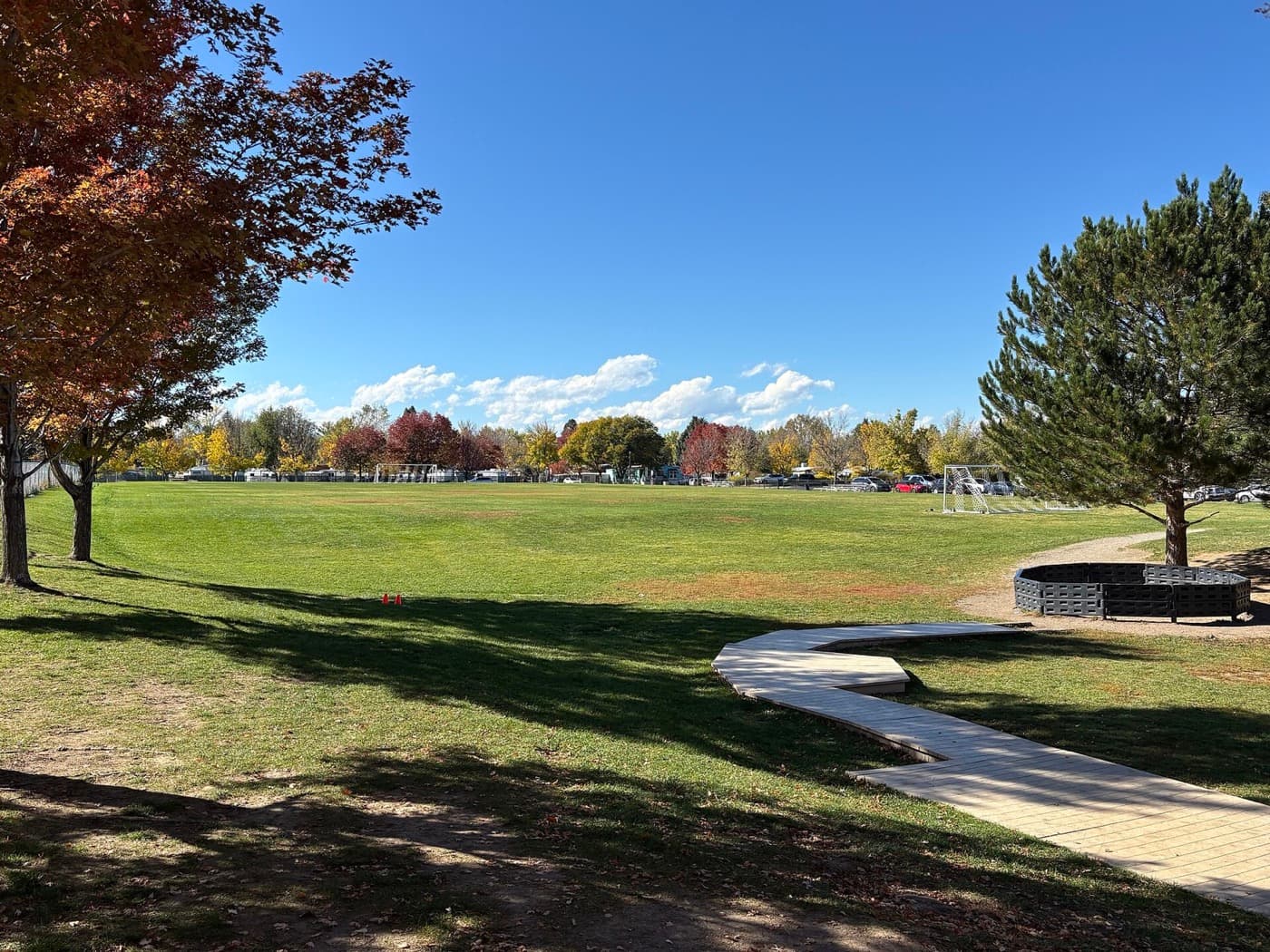
Football
The world’s most popular team sport — endless running, teamwork and community in one game.

Basketball
A fast, dynamic team sport of running, jumping and quick decisions on court.
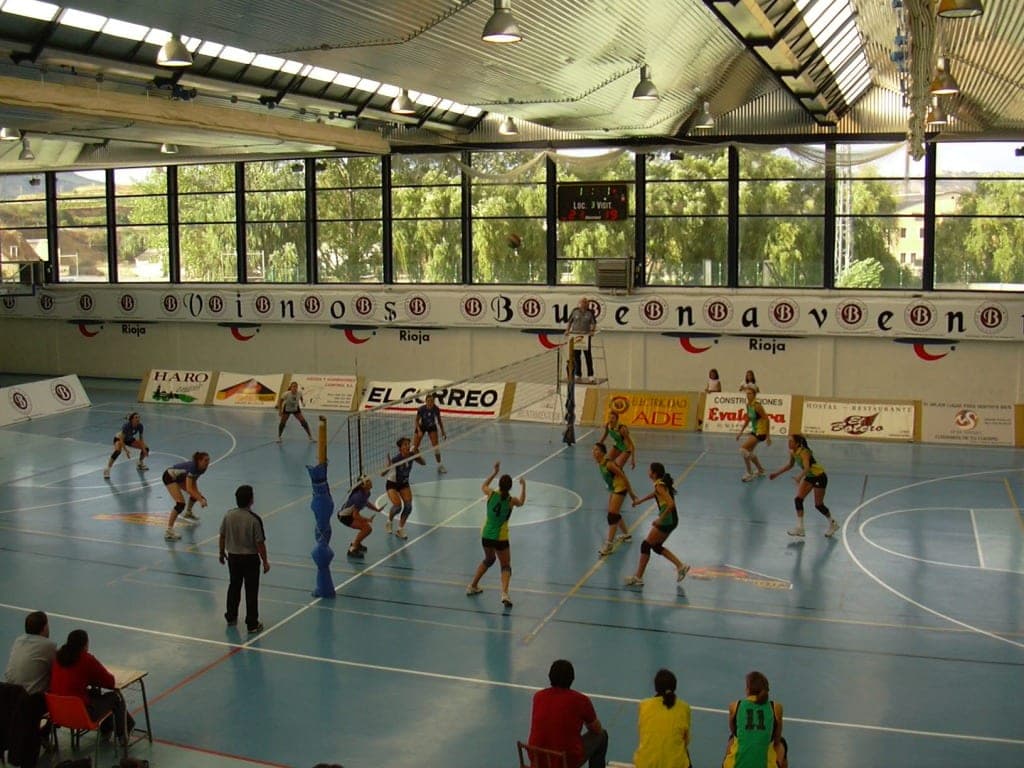
Volleyball
A non-contact team sport of rallies, jumps and teamwork — indoors or on the beach.
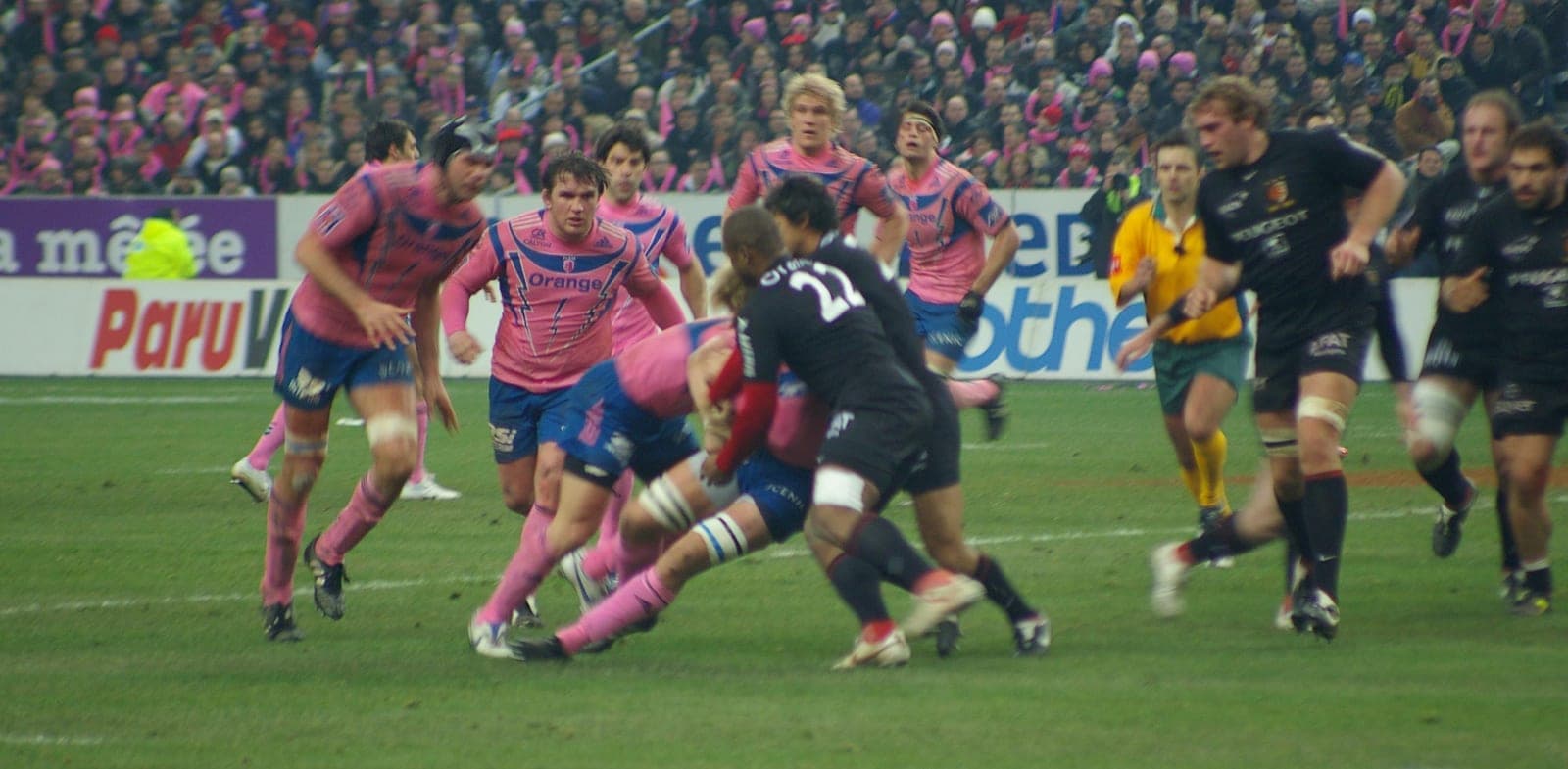
Rugby
A physical team sport of carrying, passing and kicking an oval ball toward the opposing line.
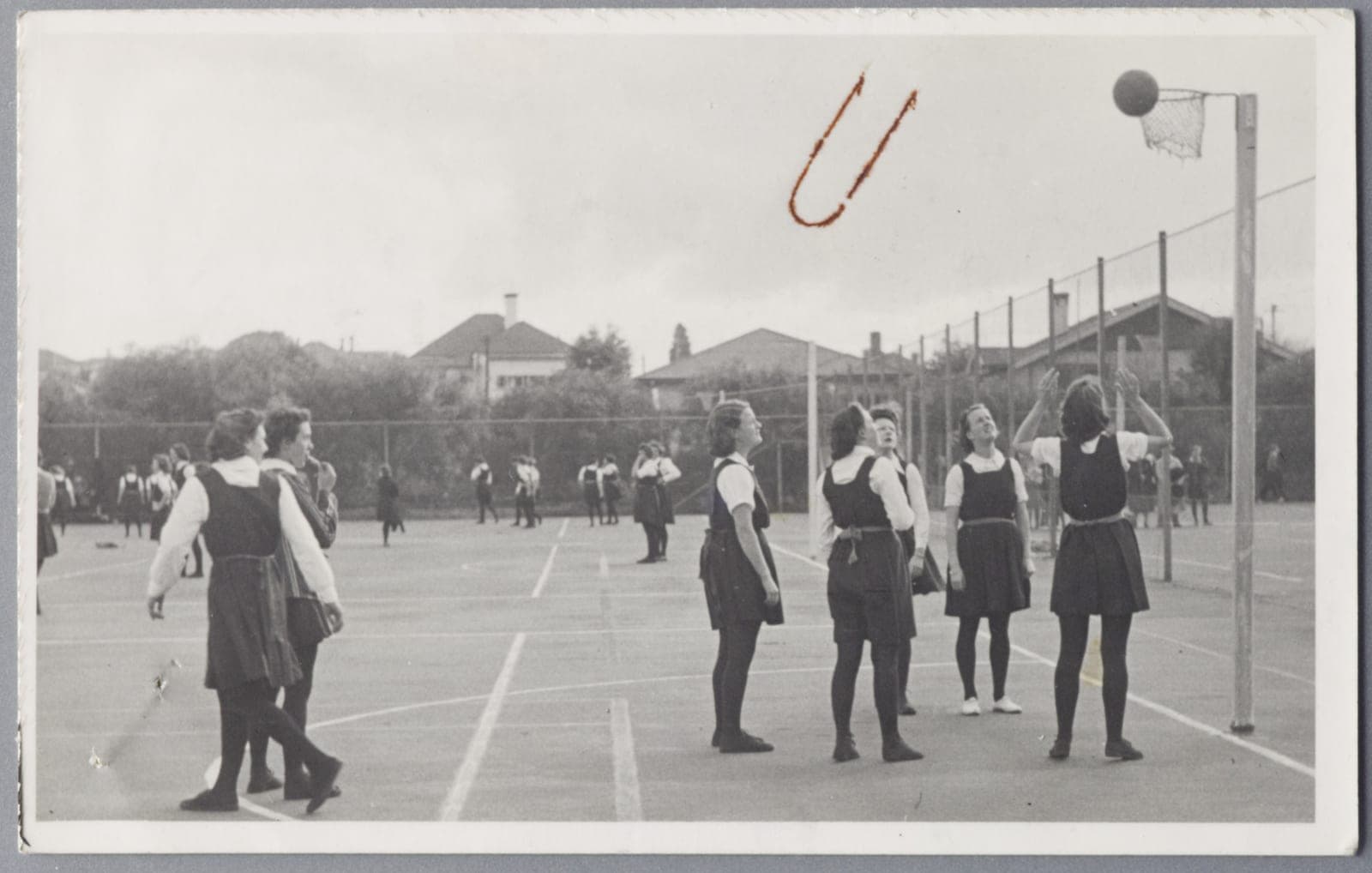
Netball
A non-contact, position-based team sport of quick passing and accurate shooting.
American Football
A strategic, position-based team sport of set plays, sprinting and coordinated teamwork on a marked field.
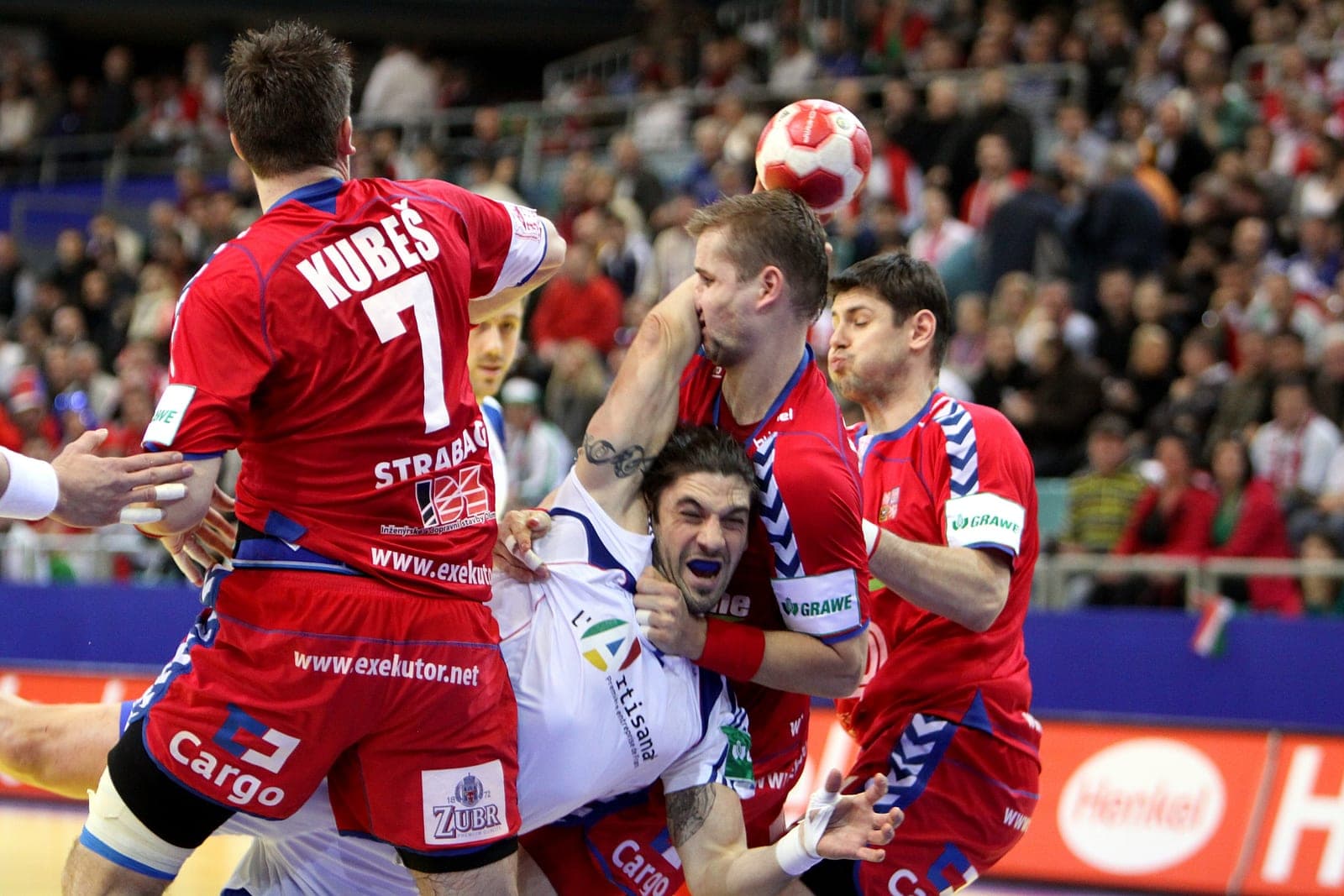
Handball
A fast indoor team sport of passing, jumping and throwing to score with the hands.
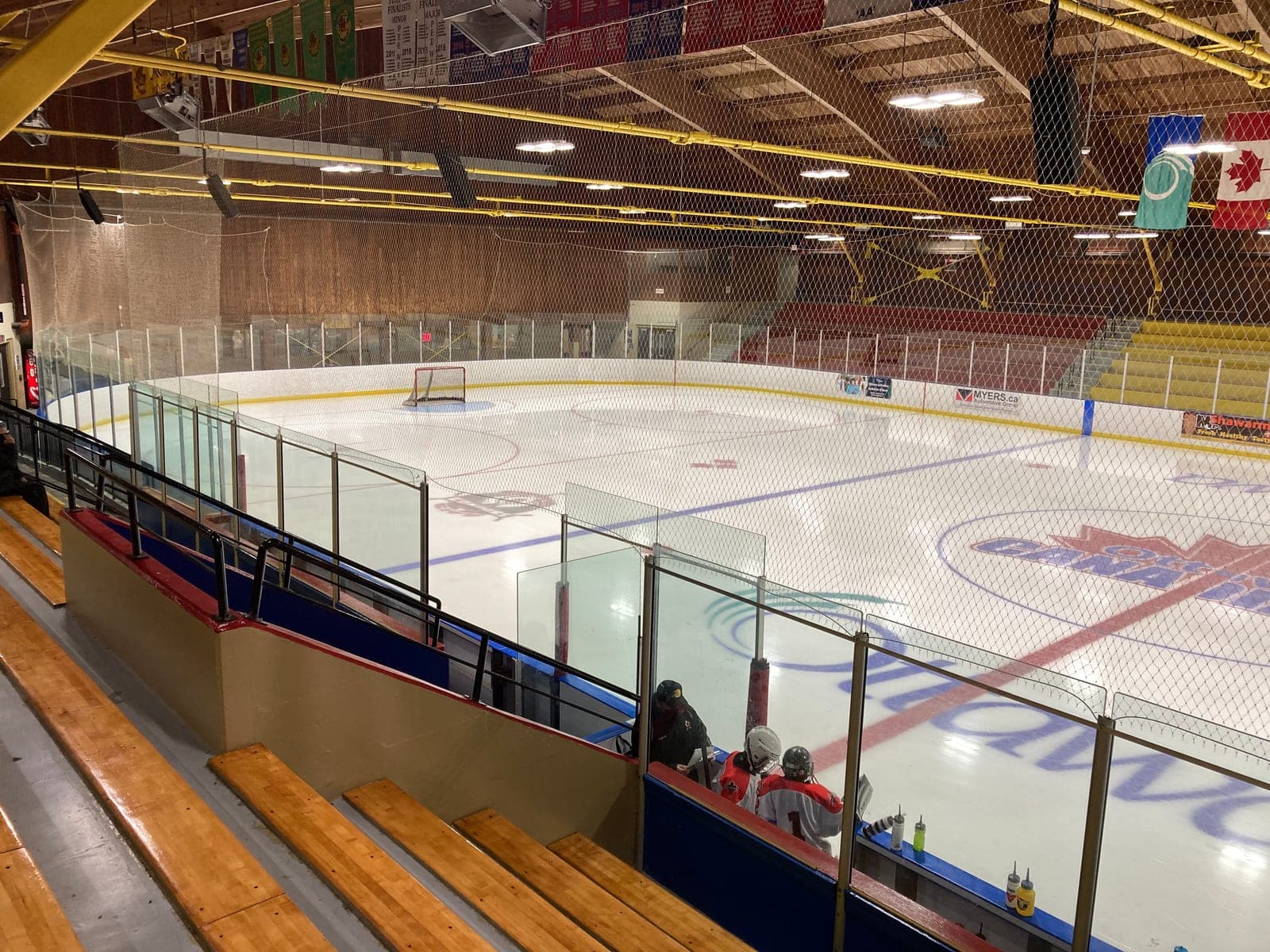
Ice Hockey
A fast team sport on ice that combines skating skill with quick passing and goal-scoring.
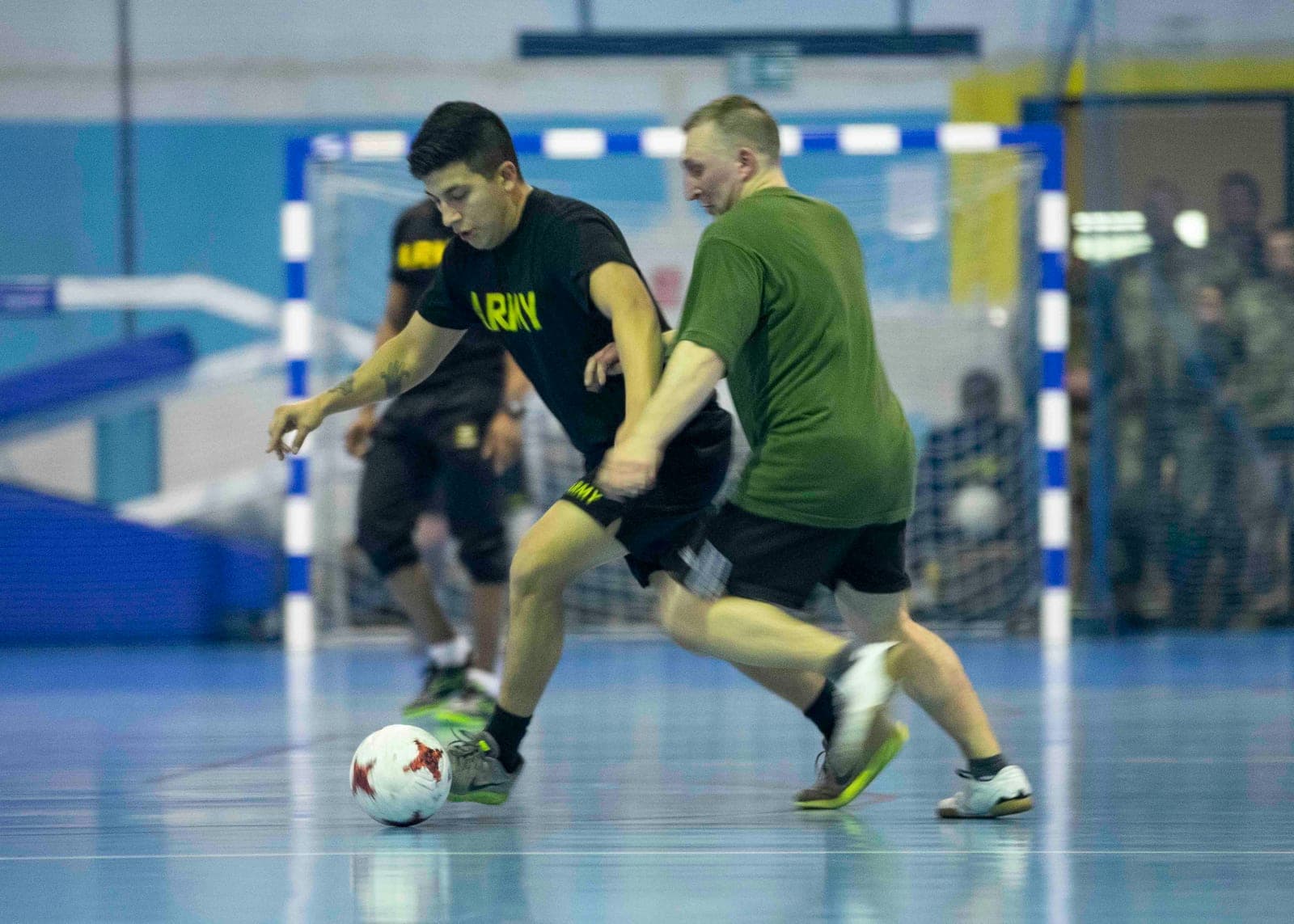
Futsal
A fast, small-sided indoor form of football played on a hard court with a low-bounce ball.
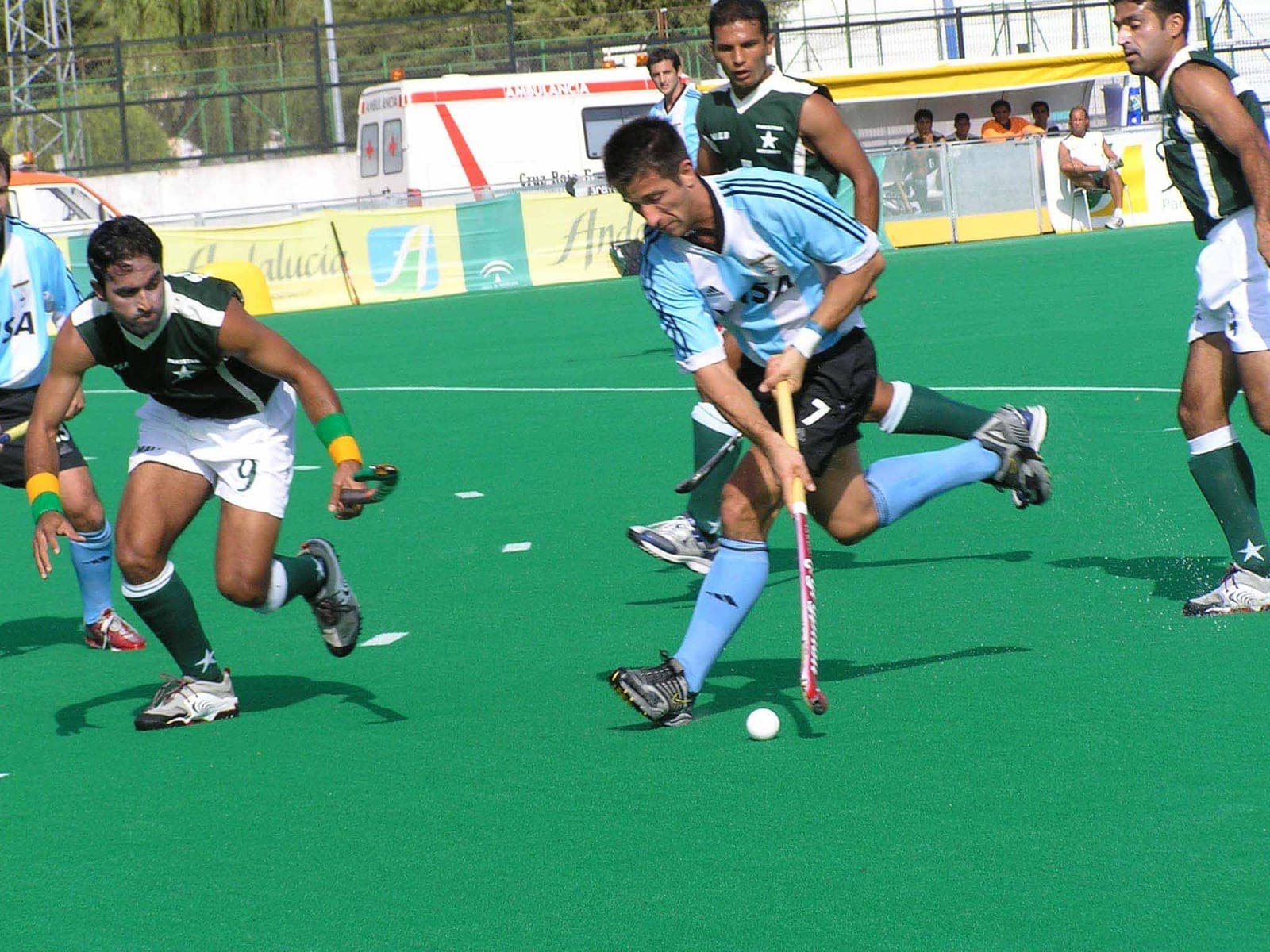
Field Hockey
An outdoor team sport that uses curved sticks to move a ball, built on agility and teamwork.
Related player roles
Finisher
A finisher is the attacking outlet in a team sport whose main job is converting chances into points — the striker, goal shooter or go-to scorer.
Captain
The captain is a team's on-field leader who communicates, makes in-game decisions and sets standards — a role any player can hold, not a fixed position.
All-Rounder
An all-rounder is a versatile player who contributes across attack and defence rather than specialising in a single phase, position, or skill.
How it connects
The meaning-bearing relationships that place Playmaker in the wider knowledge graph — each one with the reason it exists.
Frequently learned together
Taught side by side in the same stage of a learning path.
- Point guardBoth are taught in the “Find your position or role” stage of the Basketball learning path.
- Shooting guardBoth are taught in the “Find your position or role” stage of the Basketball learning path.
- Small forwardBoth are taught in the “Find your position or role” stage of the Basketball learning path.
- Power forwardBoth are taught in the “Find your position or role” stage of the Basketball learning path.
- CenterBoth are taught in the “Find your position or role” stage of the Basketball learning path.
Explore across the knowledge base
Follow the threads that connect Playmaker to the rest of SocialSportHub.
Positions
- Point guardThe point guard is basketball’s primary ball-handler and playmaker, running the offence and setting up teammates to score.
- Shooting guardThe shooting guard is a perimeter player whose main role is to score, especially from mid-range and beyond the three-point line.
- Small forwardThe small forward is a versatile wing player in basketball who can score inside and outside while also defending multiple positions.
- Power forwardThe power forward plays near the basket in basketball, using strength to rebound, score inside, and defend the paint.
- CenterThe center is usually the tallest player on a basketball team, playing near the basket to score inside, rebound, and protect the rim.
Skills
Tactics
Learning paths
- Learn FootballA structured, educational learning path for football — from the rules to skills, techniques, tactics and training.
- Learn BasketballA structured, educational learning path for basketball — from the rules to skills, techniques, tactics and training.
- Learn VolleyballA structured, educational learning path for volleyball — from the rules to skills, techniques, tactics and training.
- Learn RugbyA structured, educational learning path for rugby — from the rules to skills, techniques, tactics and training.
- Learn FutsalA structured, educational learning path for futsal — from the rules to skills, techniques, tactics and training.
Sports communication
Go deeper with Playmaker
Everywhere else on the platform that covers Playmaker — assembled from what actually references it, so nothing here is a dead end.
Learn it
Structured courses and paths on the platform that cover this directly.
- Basketball courseTeaches Playmaker in its “Find your position or role” stage.
- Volleyball courseTeaches Playmaker in its “Find your position or role” stage.
- Rugby courseTeaches Playmaker in its “Find your position or role” stage.
- Futsal courseTeaches Playmaker in its “Find your position or role” stage.
- Handball courseTeaches Playmaker in its “Find your position or role” stage.
- Netball courseTeaches Playmaker in its “Find your position or role” stage.
How this page is maintained
- Content type
- Player role
- Provenance
- Tier A — evergreen educational
- Verified external sources
- 0
- Content updated
- 2026-09-12
Evergreen, first-party explanation — it makes no claim that needs an external source. How we handle sources and reviews.