
Defender
A player whose main role is to stop the opposition from creating chances and scoring.
Definition
A defender plays in the part of the pitch closest to their own goal and is tasked with stopping opposing attackers. In football, futsal, field hockey and handball, defenders block shots and passes, mark opponents, tackle to win the ball and clear it away from danger to protect the goalkeeper.
Defenders work as a unit, holding a line and covering for one another, and their positioning is often as important as any tackle. Many are also expected to help start attacks by passing the ball out to midfielders once possession is won.
Where you’ll hear “defender”
Sports that use this term:
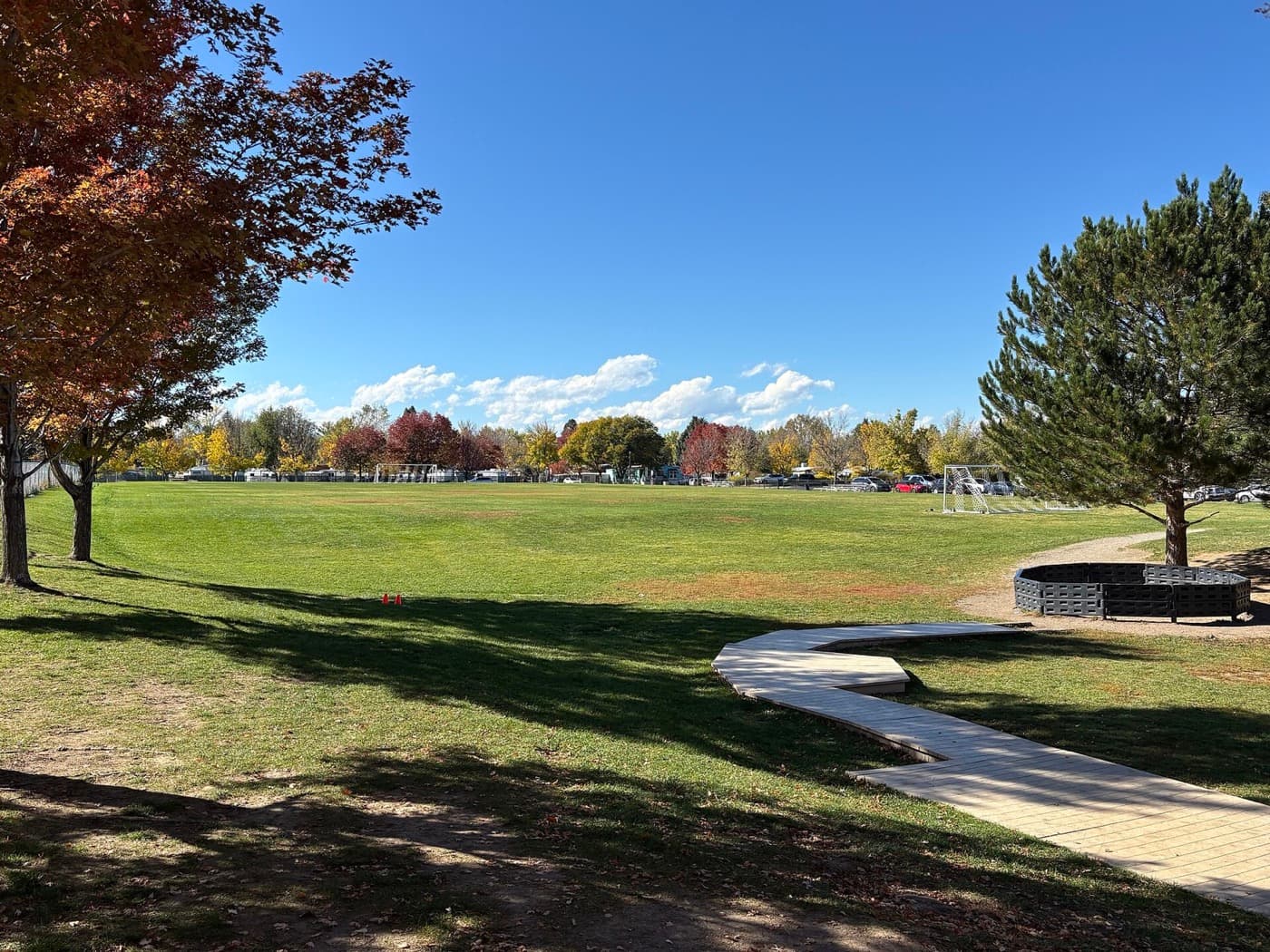
Football
The world’s most popular team sport — endless running, teamwork and community in one game.
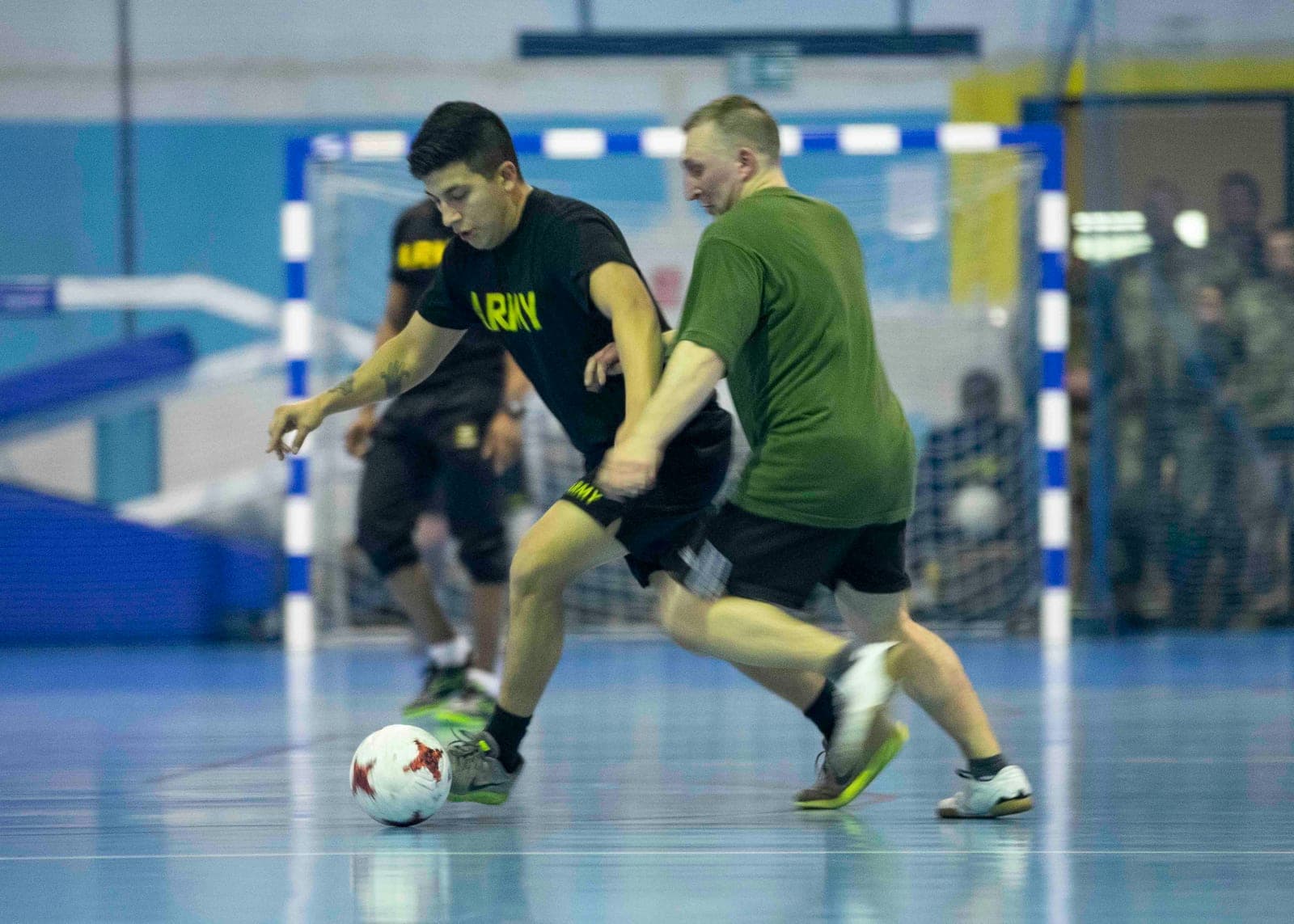
Futsal
A fast, small-sided indoor form of football played on a hard court with a low-bounce ball.
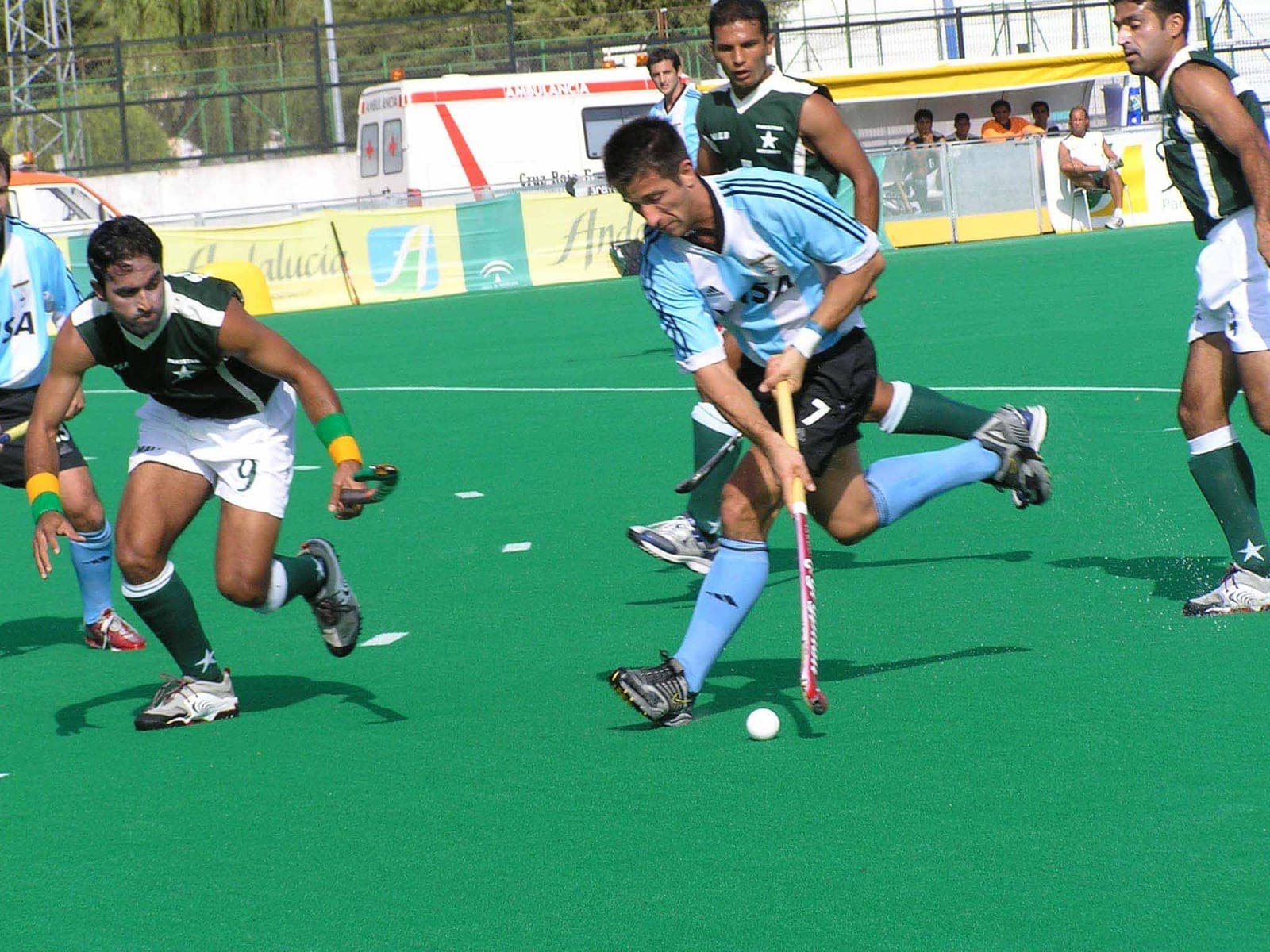
Field Hockey
An outdoor team sport that uses curved sticks to move a ball, built on agility and teamwork.
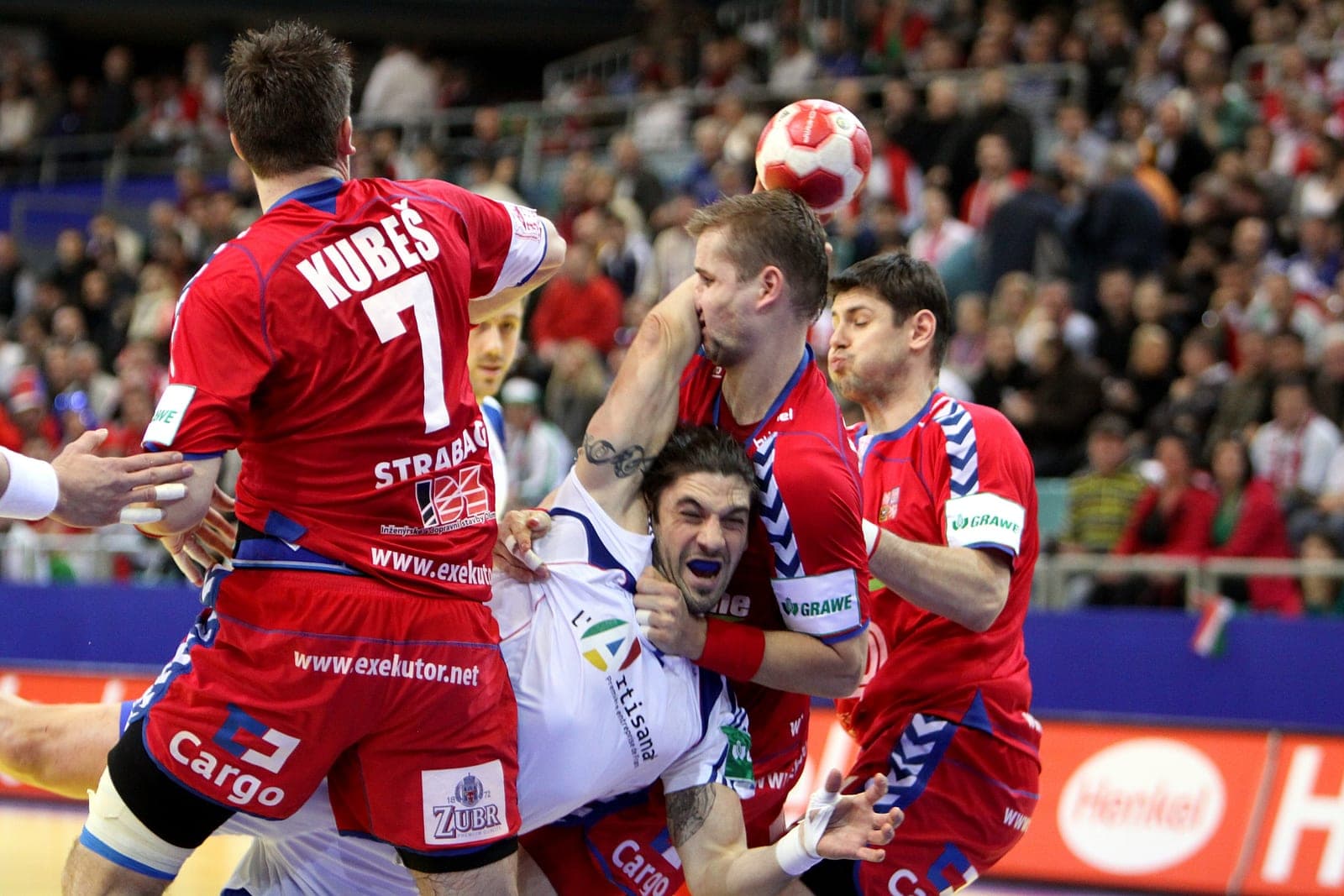
Handball
A fast indoor team sport of passing, jumping and throwing to score with the hands.
Explore across the knowledge base
Follow the threads that connect Defender to the rest of SocialSportHub.
Tactics
Positions
- Centre-backA centre-back is a central defender in football whose main job is to stop opposing attackers and clear the ball from dangerous areas.
- Full-backA full-back is a defender who plays on the left or right side of the defence, defending the flank while also supporting attacks down the wing.
- StrikerA striker is the main attacking player in football, positioned furthest forward with the primary job of scoring goals.
- PivotThe pivot is a handball attacker who plays close to the opposition defence, setting screens and looking for chances near the goal area.
- Shooting guardThe shooting guard is a perimeter player whose main role is to score, especially from mid-range and beyond the three-point line.
Strategies
- Attacking vs Defensive BalanceThe overarching choice a team or athlete makes about how much to commit to creating scoring chances versus avoiding conceding, and when to shift it.
- Exploiting MatchupsSteering play toward the pairings where you hold an advantage while shielding the pairings where an opponent could hurt you.
- Zone vs Man MarkingTwo defensive systems compared: zonal marking guards areas of the field, while man-to-man marking assigns each defender a specific opponent to track.
Player roles
- All-RounderAn all-rounder is a versatile player who contributes across attack and defence rather than specialising in a single phase, position, or skill.
- AnchorThe anchor is a cross-sport holding role: a steadying, defensive-minded player who shields the back line, screens danger and gives teammates a reliable base.
- Last line of defenceThe final barrier between an attack and a score — the goalkeeper, sweeper or last-ditch defender whose job is to stop what the rest of the team has let through.
- SweeperA covering defender who plays behind the main defensive line, free of a fixed marking job, to read danger and clean up attacks that slip past teammates.
- Utility playerA dependable, versatile player who can competently fill several different positions as the team needs, rather than specialising in just one.
Go deeper with Defender
Everywhere else on the platform that covers Defender — assembled from what actually references it, so nothing here is a dead end.
Take it away
Open data and the whole-platform view of this subject.
How this page is maintained
- Content type
- Term
- Provenance
- Tier A — evergreen educational
- Verified external sources
- 0
- Content updated
- 2026-09-01
Evergreen, first-party explanation — it makes no claim that needs an external source. How we handle sources and reviews.