
False start
A rule breach in a race when a competitor begins to move before the starting signal is given.
Overview
In athletics sprints and swimming, competitors must stay still until the starting signal. Moving or leaving the blocks before the signal is a false start. In track events under current rules a single false start results in disqualification of the athlete responsible.
The rule ensures no one gains an unfair head start. Starting equipment can detect movement fractionally before the gun, so even very early reactions are treated as false starts.
Key points
- Competitors must be still until the starting signal.
- Leaving the blocks early is a false start.
- Current athletics rules disqualify a single false start.
- Sensors can detect movement made just before the gun.
Where it’s used
Sports that use false start:

Running
The most accessible endurance sport — no venue, just shoes and the open road or trail.
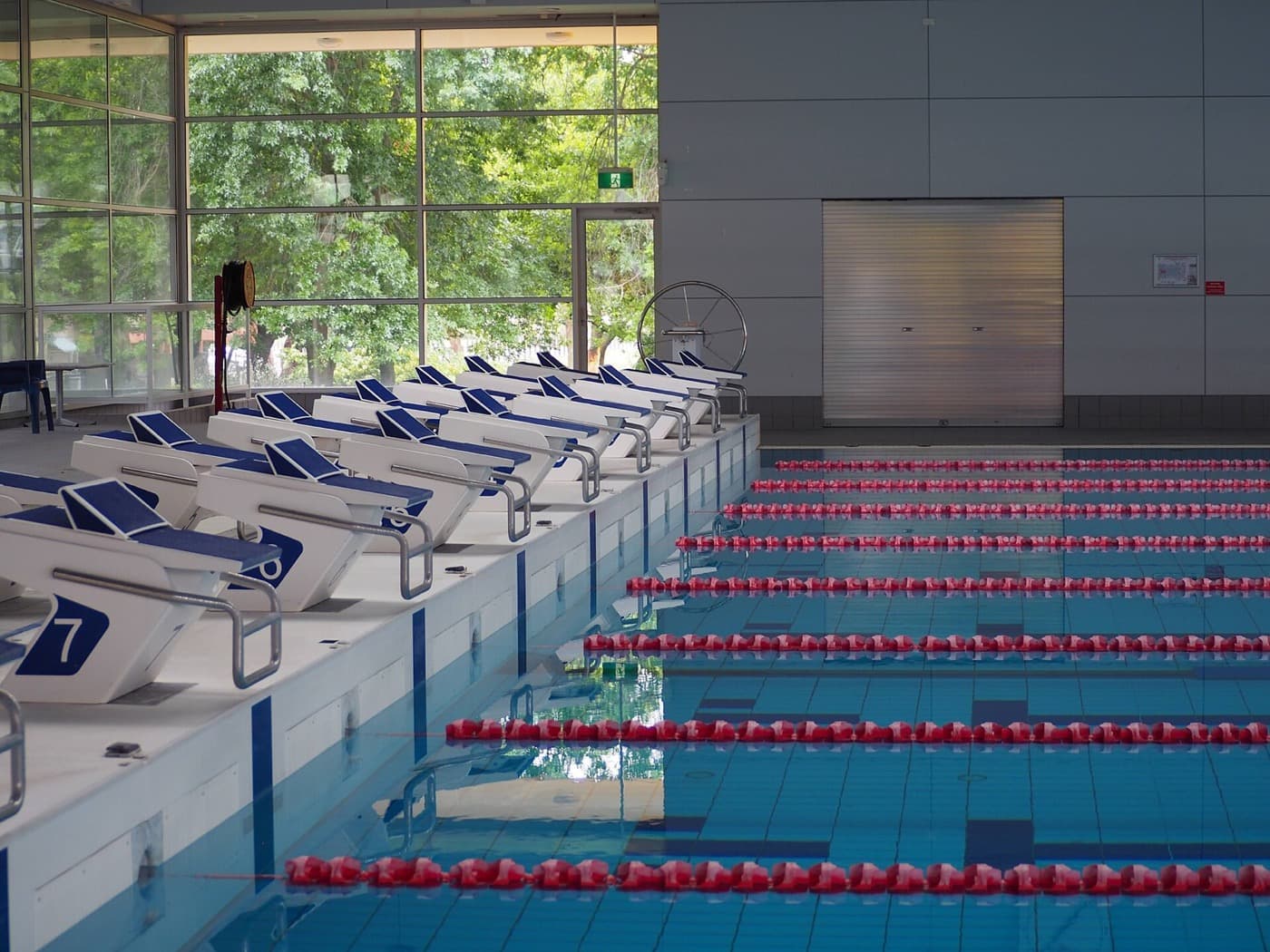
Swimming
A full-body, low-impact endurance sport suitable for almost every age and ability.
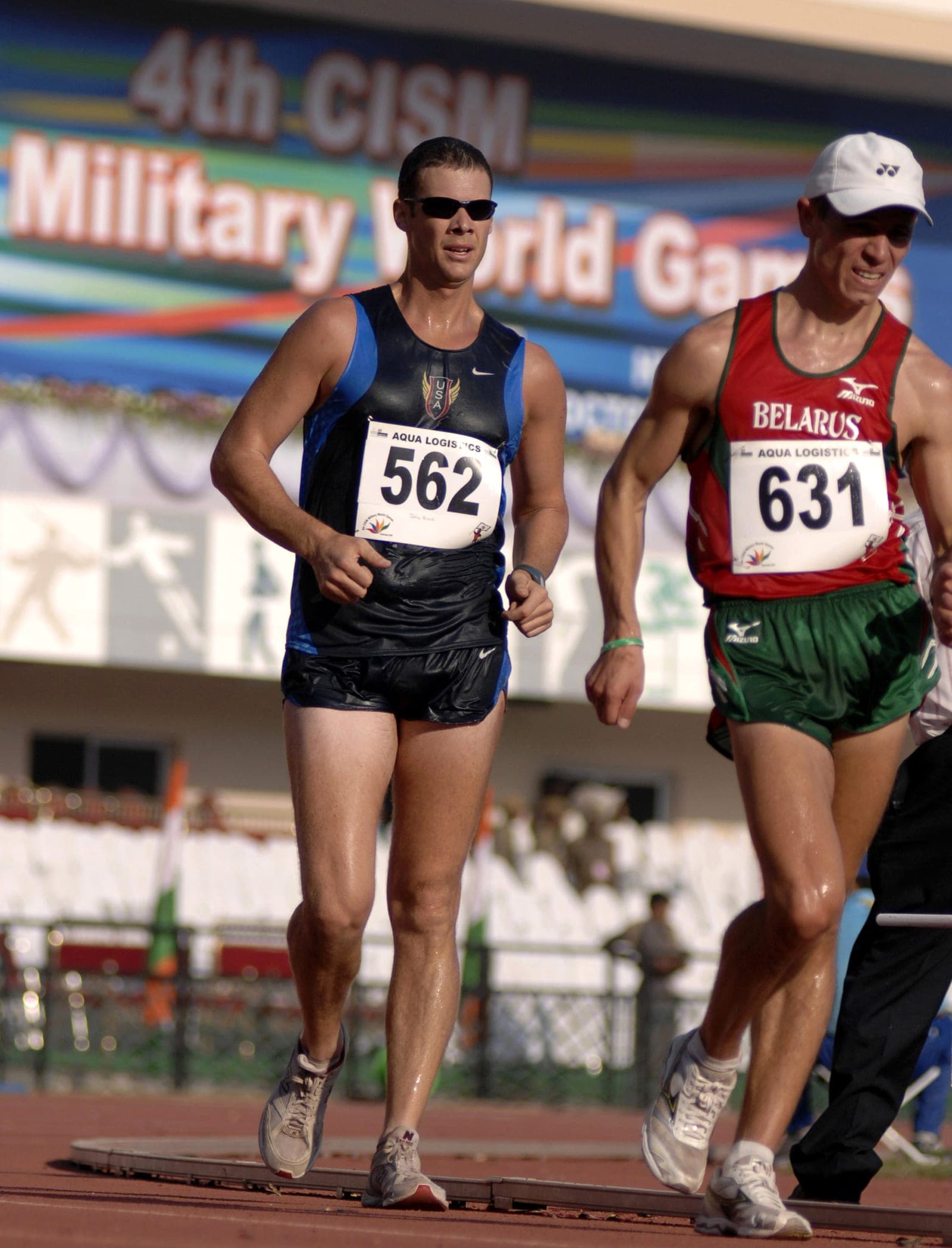
Race Walking
A technique-driven endurance sport that turns walking into a fast, low-impact discipline.
How it connects
The meaning-bearing relationships that place False start in the wider knowledge graph — each one with the reason it exists.
Frequently learned together
Taught side by side in the same stage of a learning path.
- Lane disciplineBoth are taught in the “Get to know the game” stage of the Running learning path.
- How running races are timed and placedBoth are taught in the “Get to know the game” stage of the Running learning path.
- Swimming stroke rulesBoth are taught in the “Get to know the game” stage of the Swimming learning path.
- How swimming races are timed and placedBoth are taught in the “Get to know the game” stage of the Swimming learning path.
Explore across the knowledge base
Follow the threads that connect False start to the rest of SocialSportHub.
Scoring systems
- How running races are timed and placedRunning races are decided by finishing order and by elapsed time, measured precisely and settled by the moment a runner's torso crosses the line.
- How swimming races are timed and placedSwimming races are decided by elapsed time and finishing order, with electronic touchpads recording when each swimmer completes the distance.
Officiating
- TimekeeperThe timekeeper is the official who runs a contest's clock — starting and stopping time, timing rounds, races and periods, and signalling when time expires.
- Start and Stop SignalsThe whistle, gun, bell or hooter an official uses to begin and end play or a race, plus the rules that keep starts clean and penalise false starts.
- AdvantageIn many sports, officials let play continue after a foul when stopping would help the offender, so the fouled team keeps the advantage it has gained.
Disciplines
- FreestyleFreestyle is the fastest swimming stroke, swum face-down with an alternating arm pull and flutter kick — the stroke most people picture when they think of swimming.
- BackstrokeBackstroke is swum face-up with an alternating arm pull and flutter kick — the one competitive stroke where you breathe freely because your face stays out of the water.
- BreaststrokeBreaststroke uses a simultaneous, symmetric arm sweep and a whip-like frog kick, with a distinct glide between strokes — technical, rhythmic and the slowest of the four strokes.
- ButterflyButterfly is swum with a simultaneous over-water arm recovery and an undulating dolphin kick — the most physically demanding stroke, built on rhythm and core-driven body movement.
- Long TrackLong track speed skating is contested on a 400-metre two-lane oval, with skaters usually racing in pairs and ranked mostly by their times.
Learning paths
Beginner guides
- Your First Swimming Session: What to ExpectWhat a first swimming session at the pool actually feels like, how to prepare, and how to settle in without any pressure to swim lengths on day one.
- Your first running sessionA warm, honest picture of what a first running session actually feels like — so you can turn up relaxed, run at a comfortable effort, and enjoy it without any pressure to be fast.
- Spending Wisely as a BeginnerYou rarely need to buy much to start a new sport, because borrowing, hiring, taster sessions and a little patience let you learn what genuinely matters before you spend.
Go deeper with False start
Everywhere else on the platform that covers False start — assembled from what actually references it, so nothing here is a dead end.
Learn it
Structured courses and paths on the platform that cover this directly.
Take it away
Open data and the whole-platform view of this subject.
How this page is maintained
- Content type
- Rule
- Provenance
- Tier A — evergreen educational
- Verified external sources
- 0
- Content updated
- 2026-09-12
Evergreen, first-party explanation — it makes no claim that needs an external source. How we handle sources and reviews.