
Timekeeper
The timekeeper is the official who runs a contest's clock — starting and stopping time, timing rounds, races and periods, and signalling when time expires.
Overview
A timekeeper is the official responsible for measuring and controlling time during a contest. Where a referee or umpire judges the play itself, the timekeeper looks after the clock — starting it when action begins, stopping it during breaks, stoppages and dead-ball moments, and signalling clearly when a period, round or race has run its course. In many sports the timekeeper works from the sidelines or an official's table rather than on the field of play, keeping an accurate record of elapsed and remaining time so that players, officials and spectators all know how much of the contest is left.
The same idea takes different shapes from sport to sport. In games played to a running clock, the timekeeper starts and stops the game clock through the halves, quarters or periods and marks their end with a buzzer, hooter or whistle; some of these sports add a separate countdown clock that limits how long a side may hold the ball before attempting to score, which the timekeeper or a dedicated operator manages. In combat sports the role times each round and the rest between them, sounding a bell or gong to open and close them, and may time counts or hold-downs. In racing, timing officials record how long competitors take to finish — increasingly with electronic systems — and watch that the clock starts cleanly. Timed heats and set-length routines elsewhere work the same way: a fixed allowance of time that the timekeeper counts down and signals at its end.
What it involves
- Starts, stops and resets the clock so it runs only while the contest is genuinely live, pausing for stoppages, breaks and dead-ball situations.
- Signals the end of a period, round, race or routine with an agreed sound or sign — a buzzer, hooter, bell, gong or whistle — that every side recognises.
- In clock-based team sports may also run a separate countdown 'shot clock' that limits how long a side can keep the ball before attempting to score.
- Usually works away from the field of play, at an official's table or trackside, alongside scorers and other officials rather than judging the play itself.
- In racing and timed events, measures elapsed time to rank finishers, watches for a clean start, and increasingly relies on electronic timing for precision.
Where it’s used
Sports that use timekeeper:
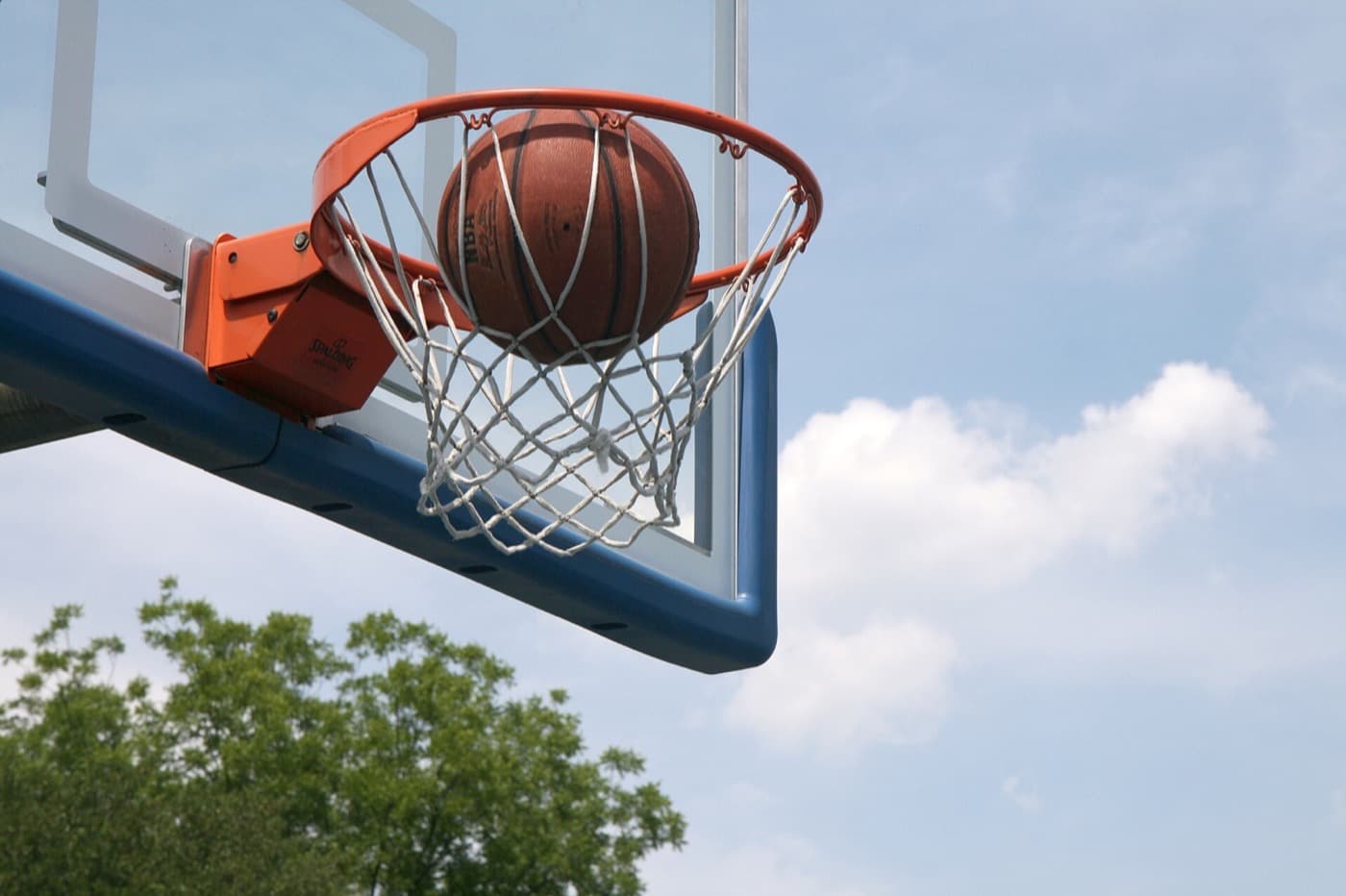
Basketball
A fast, dynamic team sport of running, jumping and quick decisions on court.
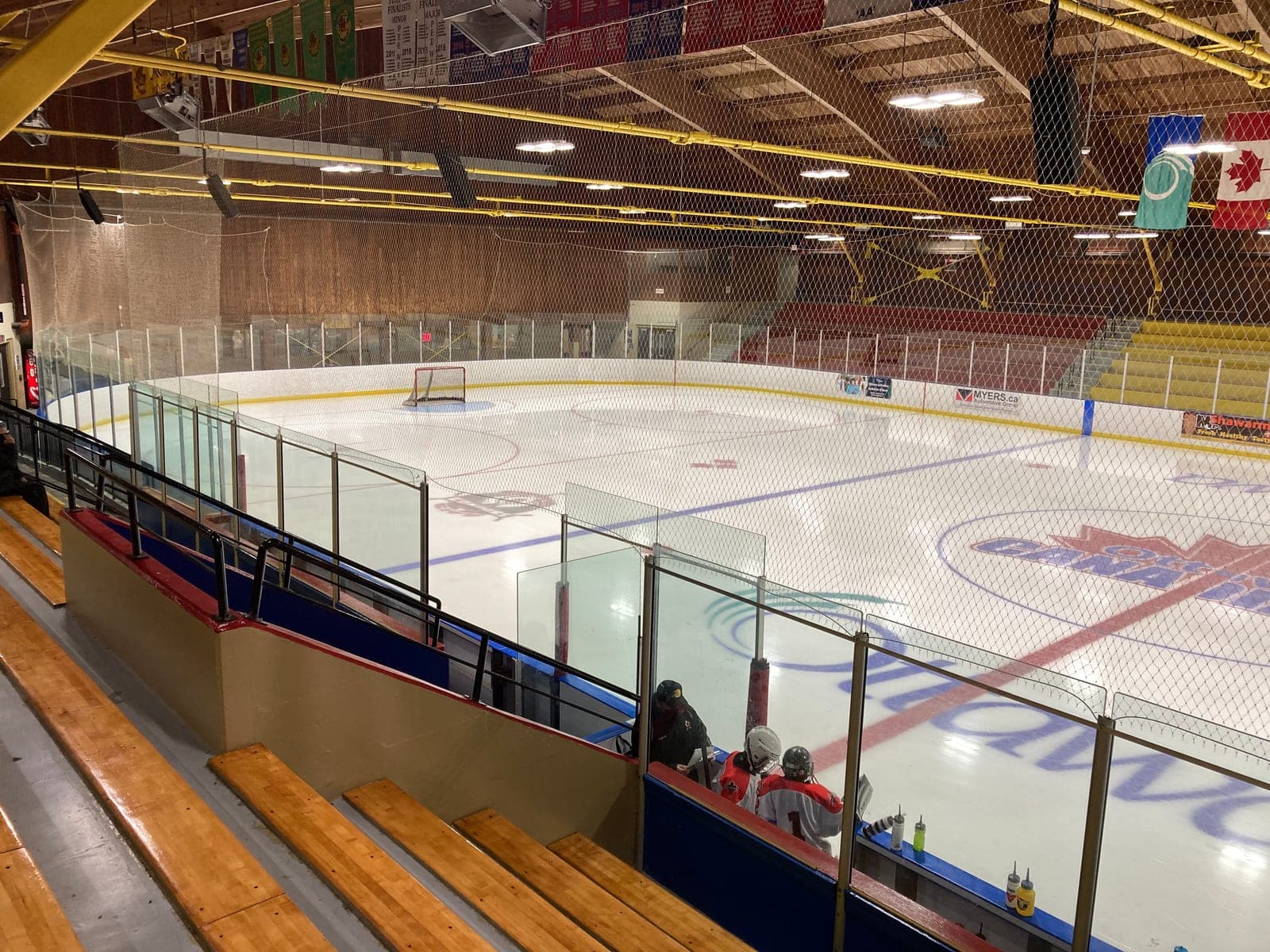
Ice Hockey
A fast team sport on ice that combines skating skill with quick passing and goal-scoring.
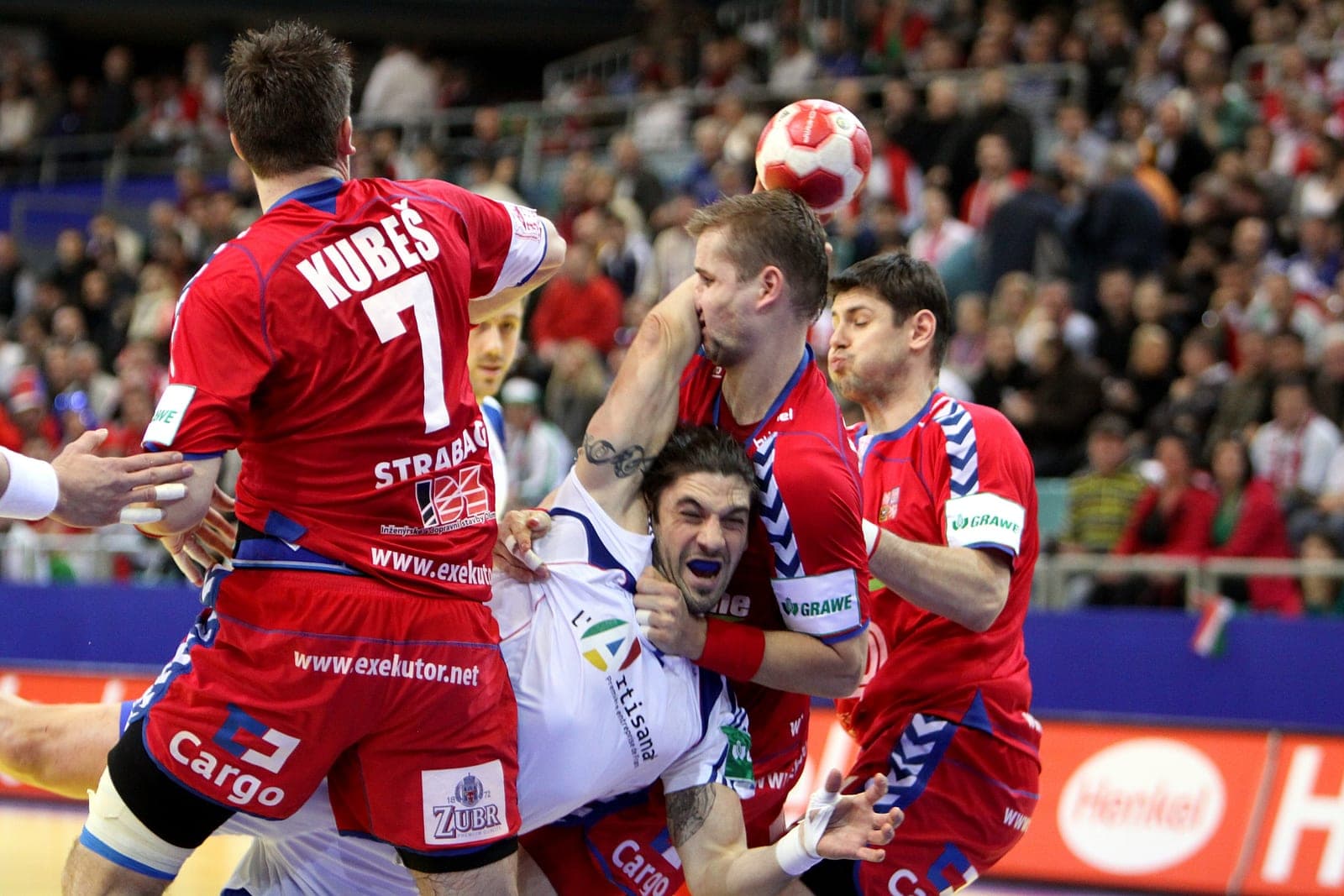
Handball
A fast indoor team sport of passing, jumping and throwing to score with the hands.
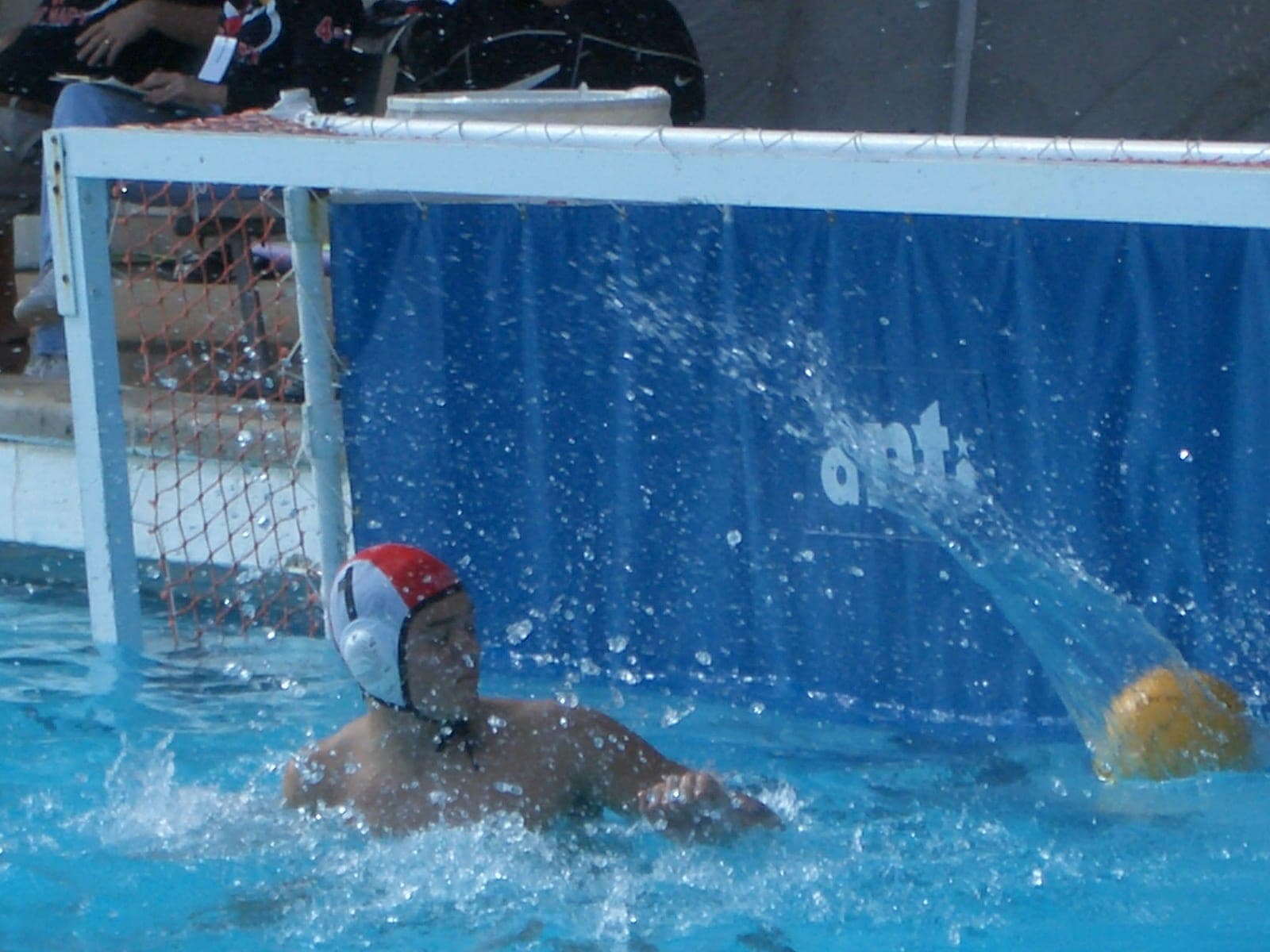
Water Polo
A demanding team sport played in deep water, blending swimming endurance with tactics.
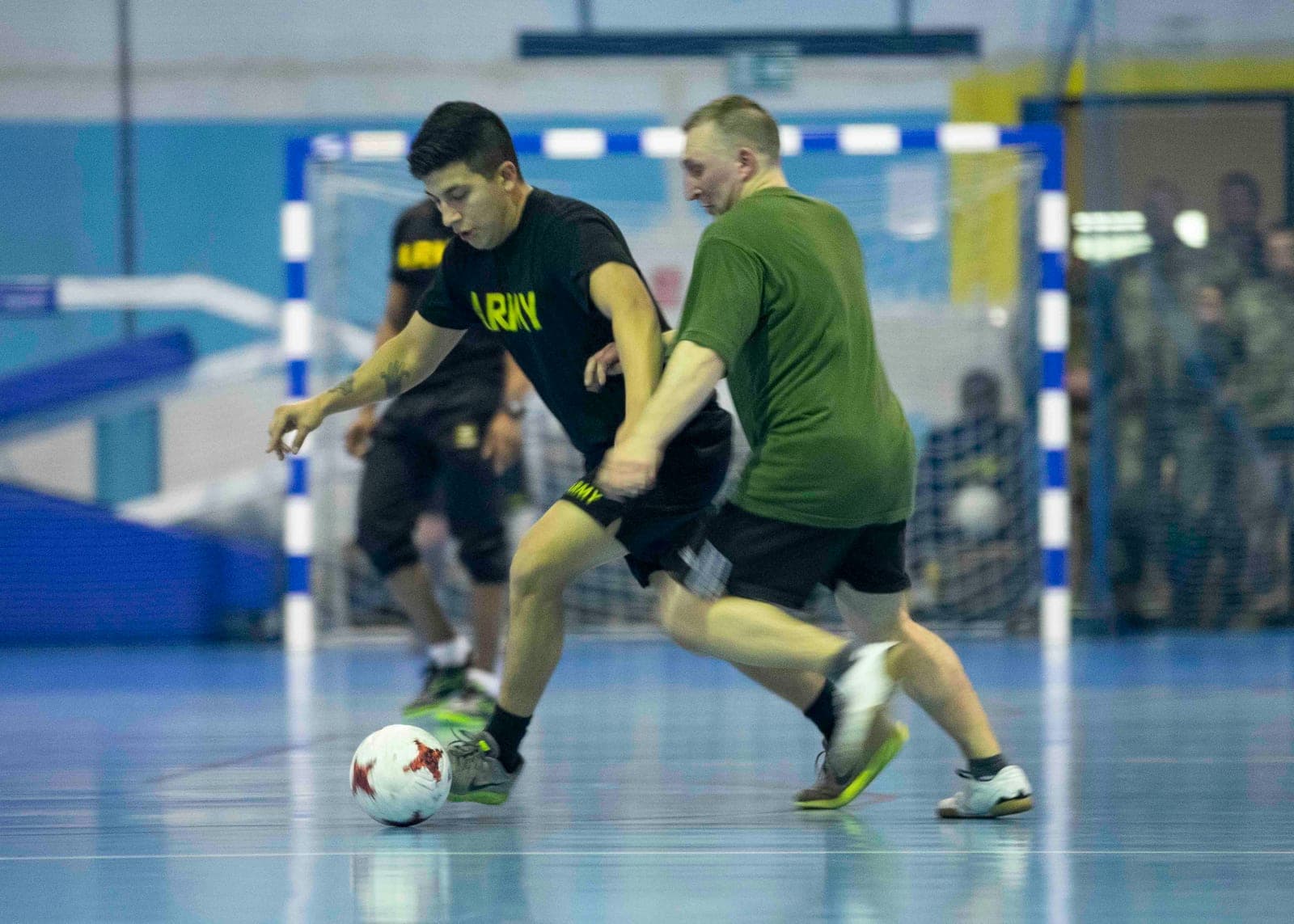
Futsal
A fast, small-sided indoor form of football played on a hard court with a low-bounce ball.
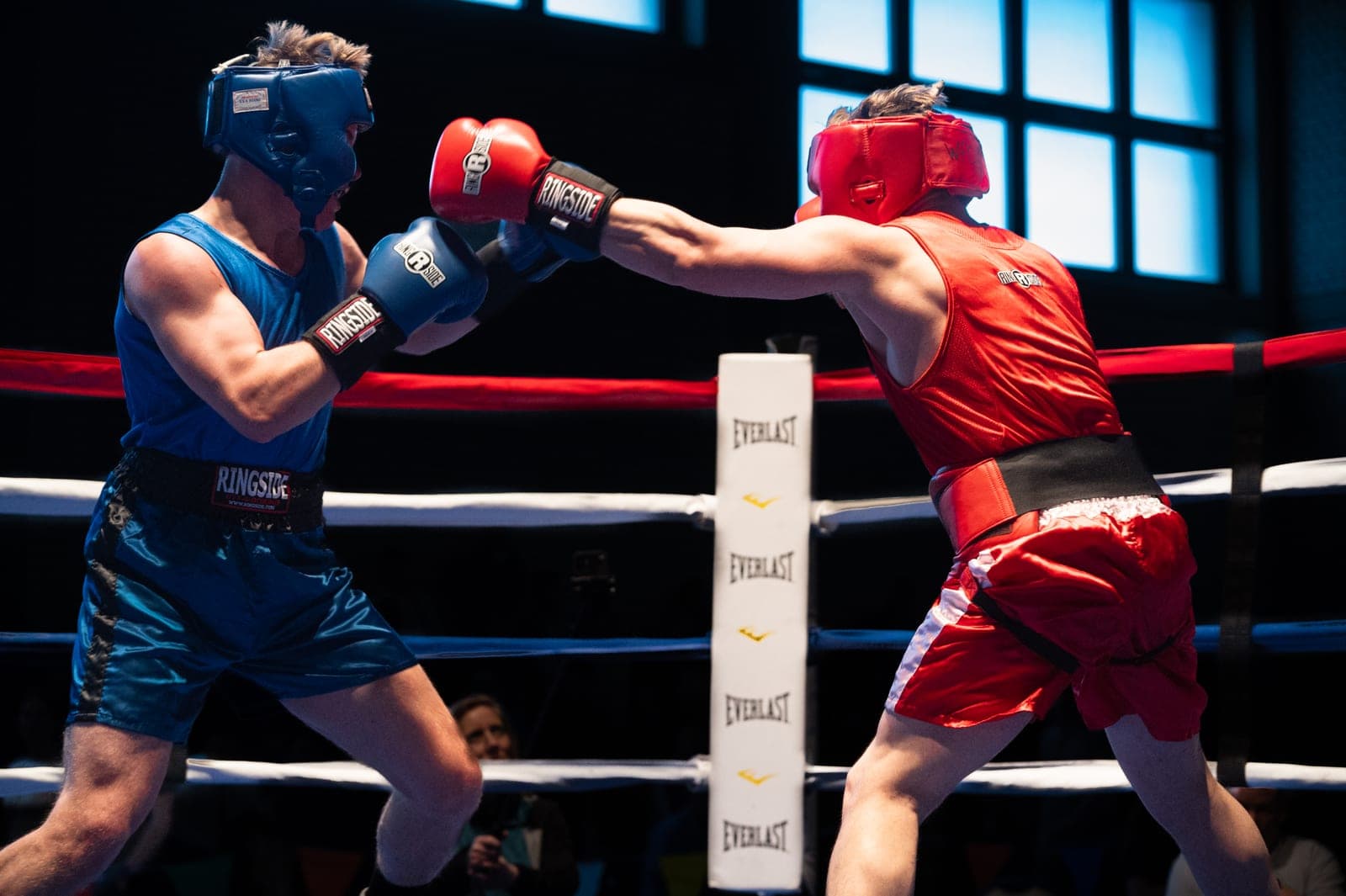
Boxing
A striking combat sport built on footwork, timing and conditioning, practised from fitness drills to controlled sparring.
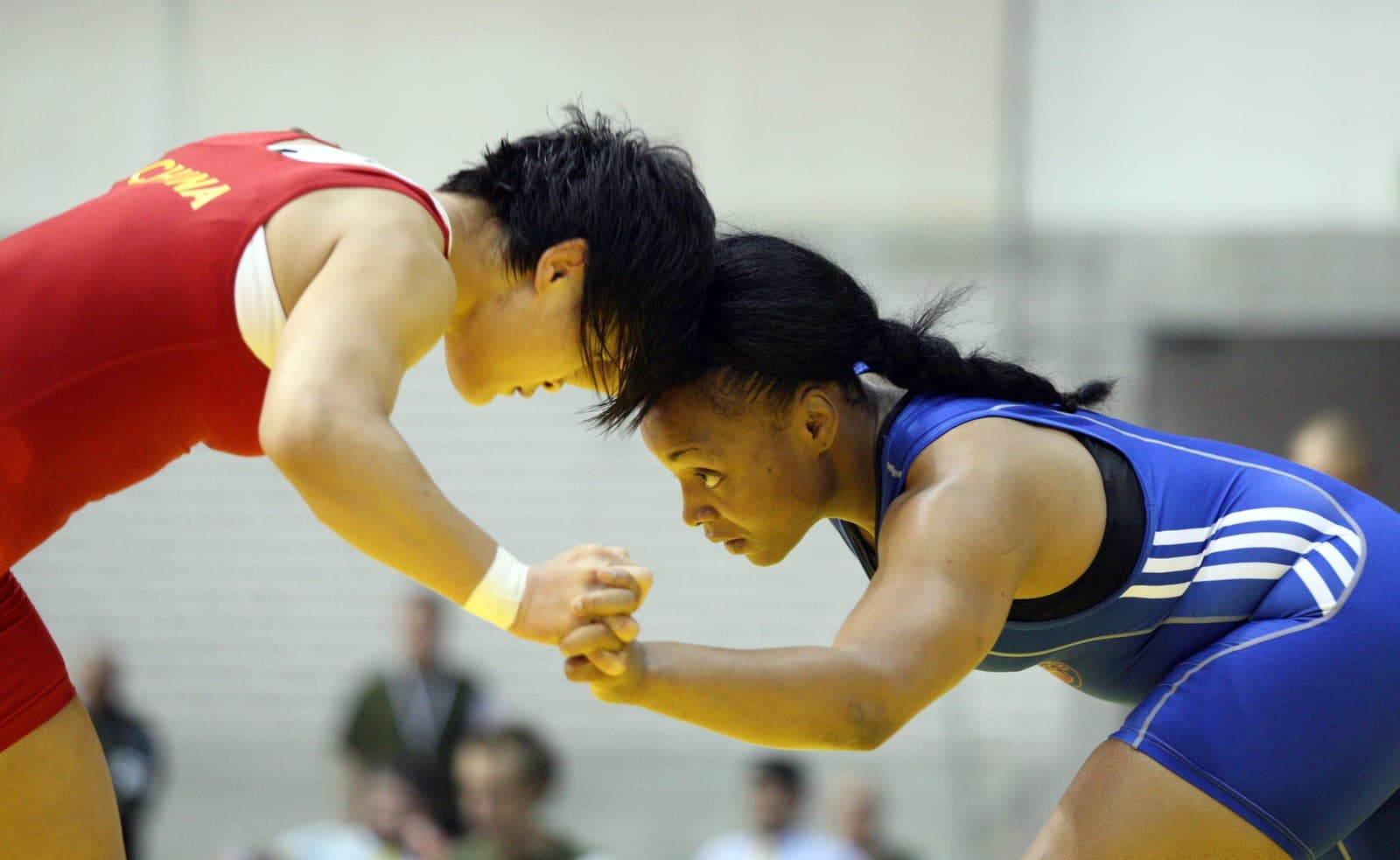
Wrestling
A grappling sport of takedowns and control where two athletes compete to pin or out-position each other.

Running
The most accessible endurance sport — no venue, just shoes and the open road or trail.
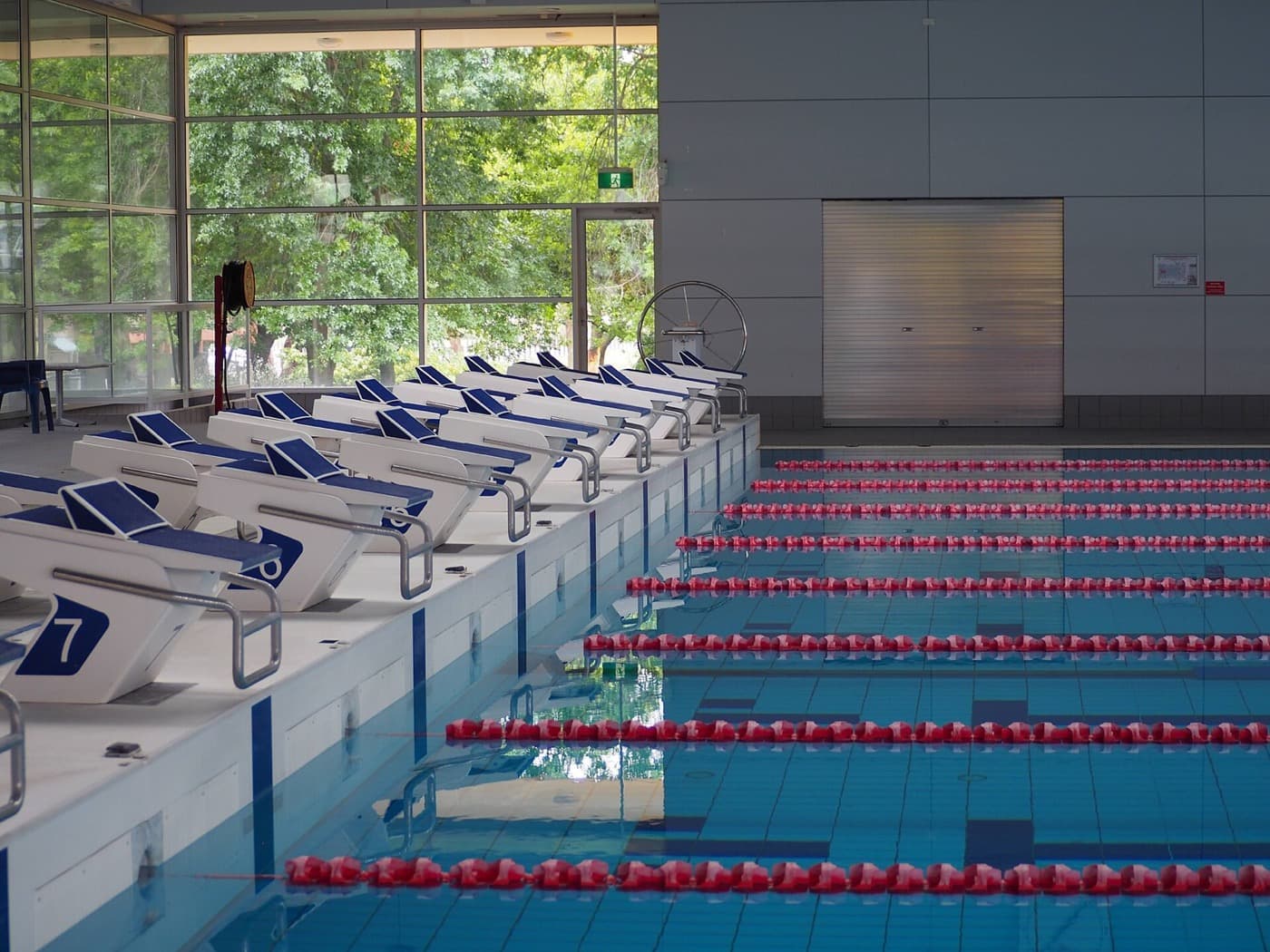
Swimming
A full-body, low-impact endurance sport suitable for almost every age and ability.
Cycling
A low-impact endurance sport that doubles as transport, exercise and adventure.
Related officiating
Referee
The primary on-field official who enforces the rules, controls play, penalises fouls, awards restarts, and blows the whistle to start and stop a match.
Judge
A judge is an official who scores performance in judged sports, awarding marks for execution and difficulty rather than counting goals or timing a race.
Scorekeeper
The official who keeps the authoritative record of a contest — score, fouls, and statistics — usually seated at a scorer's table beside the timekeeper.
Explore across the knowledge base
Follow the threads that connect Timekeeper to the rest of SocialSportHub.
Rules
Scoring systems
- How running races are timed and placedRunning races are decided by finishing order and by elapsed time, measured precisely and settled by the moment a runner's torso crosses the line.
- How swimming races are timed and placedSwimming races are decided by elapsed time and finishing order, with electronic touchpads recording when each swimmer completes the distance.
- How cycling races are timed and placedCycling races are decided either by who crosses the line first or by fastest time, and stage races add up cumulative times to rank riders overall.
- How alpine ski races are timed and placedAlpine races are decided on elapsed time, with technical events combining two runs into a single total.
Healthy living
Skills
Positions
- Rugby union forwardsThe eight players who contest the set piece — front row, locks and back row — what each unit does at scrum, lineout and breakdown, and why the roles are so specialised.
- OppositeThe opposite is a volleyball attacker who plays on the right side of the net, opposite the setter in the rotation, and is often a key scorer.
- PivotThe pivot is a handball attacker who plays close to the opposition defence, setting screens and looking for chances near the goal area.
- Small forwardThe small forward is a versatile wing player in basketball who can score inside and outside while also defending multiple positions.
- Full-backA full-back is a defender who plays on the left or right side of the defence, defending the flank while also supporting attacks down the wing.
How this page is maintained
- Content type
- Officiating concept
- Provenance
- Tier A — evergreen educational
- Verified external sources
- 0
- Content updated
- 2026-09-12
Evergreen, first-party explanation — it makes no claim that needs an external source. How we handle sources and reviews.