
Spikes
Spikes are shoes with small sharp points on the sole for extra grip, most associated with track and field athletics.
Definition
Spikes are lightweight sports shoes fitted with short, sharp pins — usually metal or ceramic — screwed into the sole to dig into the running surface for maximum grip and drive. In athletics, different events use different spike lengths and plate stiffness, and sprinting, distance and field-event spikes are all designed for their specific demands.
Beyond the track, similar spiked footwear is used in cross-country and trail running, cricket and golf, where the points steady the foot on grass or soft ground. The term “spikes” refers to the shoes as a whole as well as to the individual pins, which can often be unscrewed and replaced. It should not be confused with a spike in volleyball, which is an attacking shot.
Where you’ll hear “spikes”
Sports that use this term:
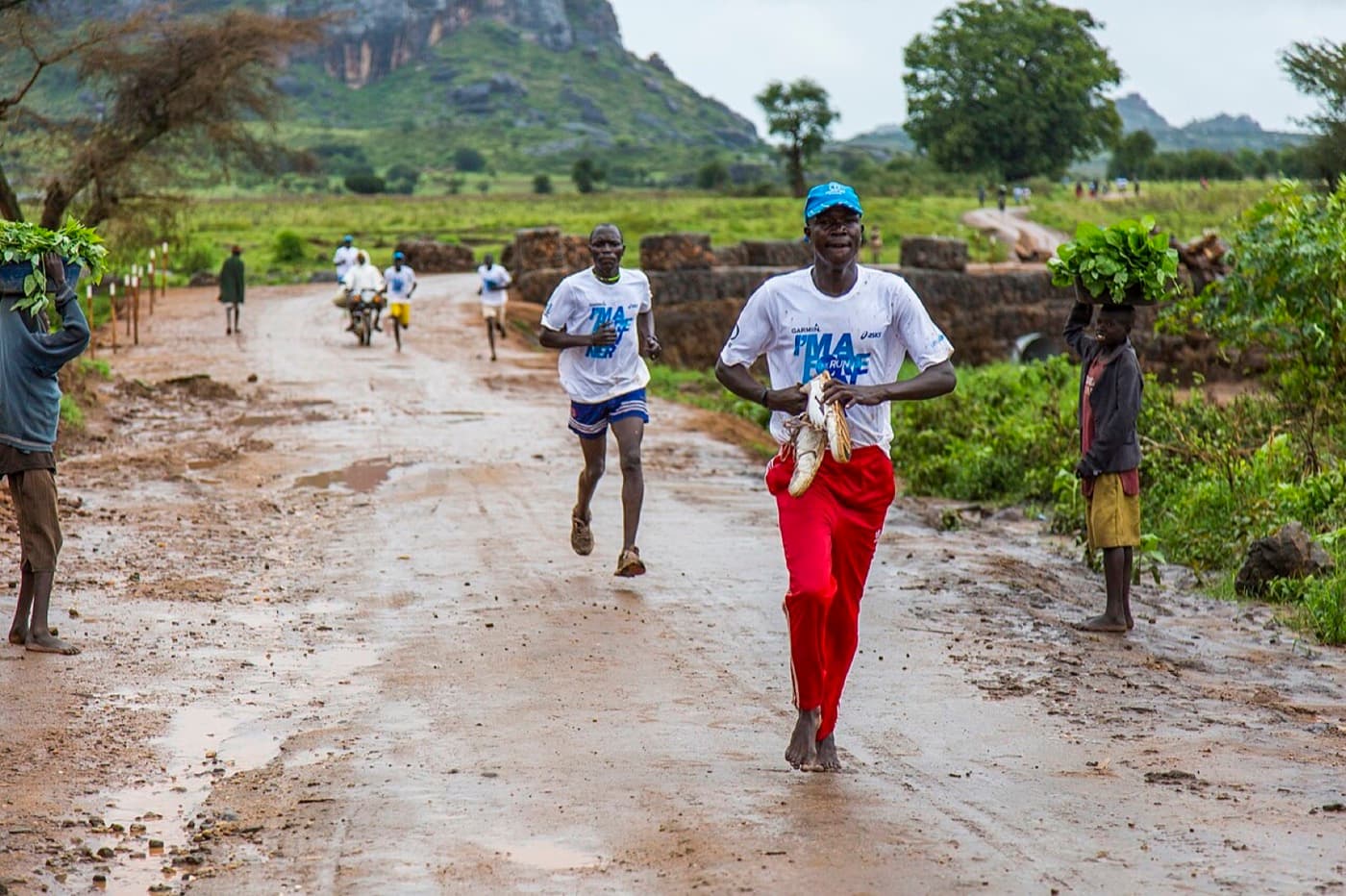
Running
The most accessible endurance sport — no venue, just shoes and the open road or trail.
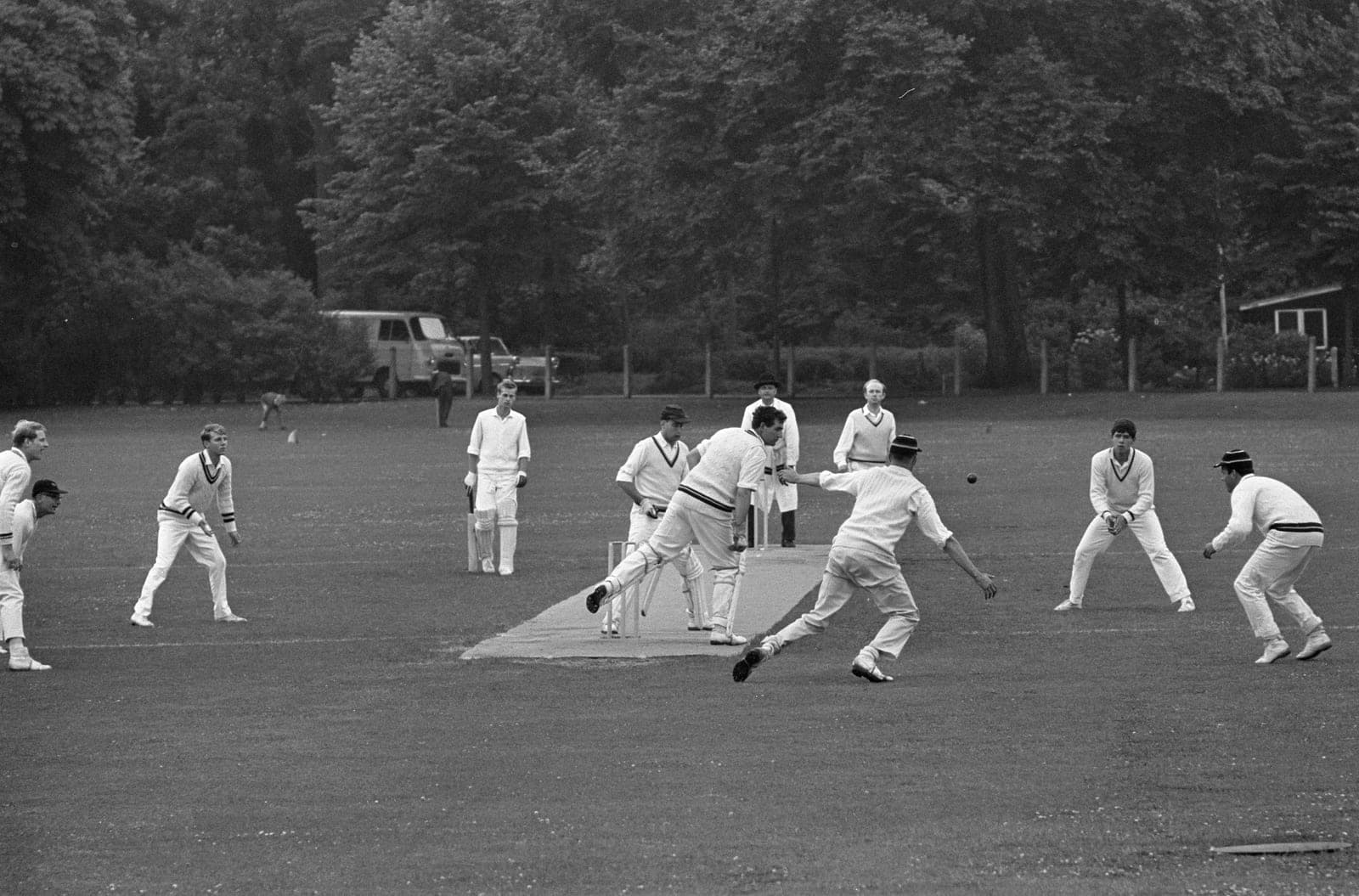
Cricket
A bat-and-ball team sport where sides take turns to bat and to bowl and field, scoring runs.

Baseball
A bat-and-ball team sport where two sides alternate between batting and fielding to score runs.

Golf
A precision target sport played across an outdoor course, blending skill, strategy and a long walk in the open air.
How it connects
The meaning-bearing relationships that place Spikes in the wider knowledge graph — each one with the reason it exists.
Commonly confused with
Close enough to be mixed up — the distinction is worth knowing.
Explore across the knowledge base
Follow the threads that connect Spikes to the rest of SocialSportHub.
Rules
Skills
Strategies
- Adapting to ConditionsAdapting to conditions is the strategy of shaping your game plan around the venue, surface, weather, altitude and home-or-away setting you face.
- Zone vs Man MarkingTwo defensive systems compared: zonal marking guards areas of the field, while man-to-man marking assigns each defender a specific opponent to track.
Playing surfaces
- Synthetic trackAn all-weather rubberised athletics running surface — firm, springy and high-grip — giving sprinters and distance runners fast, consistent, predictable footing.
- GrassNatural turf grown on soil — the traditional surface for many field sports and, in tennis, a fast court with a low, skiddy bounce.
- TrailNatural off-road terrain of dirt, rock, roots, grass and mud that varies constantly and rewards surefootedness in trail running, mountain biking and hiking.
Go deeper with Spikes
Everywhere else on the platform that covers Spikes — assembled from what actually references it, so nothing here is a dead end.
Take it away
Open data and the whole-platform view of this subject.
How this page is maintained
- Content type
- Term
- Provenance
- Tier A — evergreen educational
- Verified external sources
- 0
- Content updated
- 2026-09-01
Evergreen, first-party explanation — it makes no claim that needs an external source. How we handle sources and reviews.