
Advantage
In many sports, officials let play continue after a foul when stopping would help the offender, so the fouled team keeps the advantage it has gained.
Overview
Advantage is the officiating principle that lets play continue after an infringement when blowing the whistle would actually benefit the team that committed it. Instead of stopping play the instant a foul occurs, the official briefly waits to see whether the non-offending side keeps or improves its position; if it does, play flows on and the foul is not penalised at that moment. The judgement is discretionary and immediate, weighing the likely gain from a restart against the promising position the fouled team already holds — most often a clear path toward goal or an open teammate.
Because a whistle would reward the offender, the same idea recurs wherever fouls interrupt otherwise continuous play. Officials typically use a distinctive arm signal and a short pause before deciding, and in many codes they may pull play back for the original foul if the expected advantage does not materialise within a few seconds. Crucially, playing advantage does not erase the offence: a caution, personal foul, or other sanction can still be applied at the next stoppage, so the offender is not let off — only the disruptive stoppage is avoided. Related mechanisms such as the delayed penalty and the flag-down or slow-whistle play apply the same logic even where the term differs.
What it involves
- Discretion and timing: the official signals advantage and delays the whistle for a brief window; if the promising position is lost almost at once, play is usually brought back and the original foul penalised instead.
- Signal: a recognisable arm gesture, commonly both arms swept forward, tells players that the foul was seen but that play continues.
- The foul still counts: advantage avoids the stoppage, not the punishment — cards, personal fouls, or other sanctions can still be given at the next dead ball.
- Cross-sport forms: it appears as the advantage law in rugby, the delayed penalty in ice hockey, the flag-down or slow-whistle play in lacrosse, and the advantage/disadvantage judgement in basketball.
- Purpose: it keeps continuous games flowing and stops teams from profiting by fouling, since a whistle can hand the offender a reset they would not otherwise earn.
Where it’s used
Sports that use advantage:
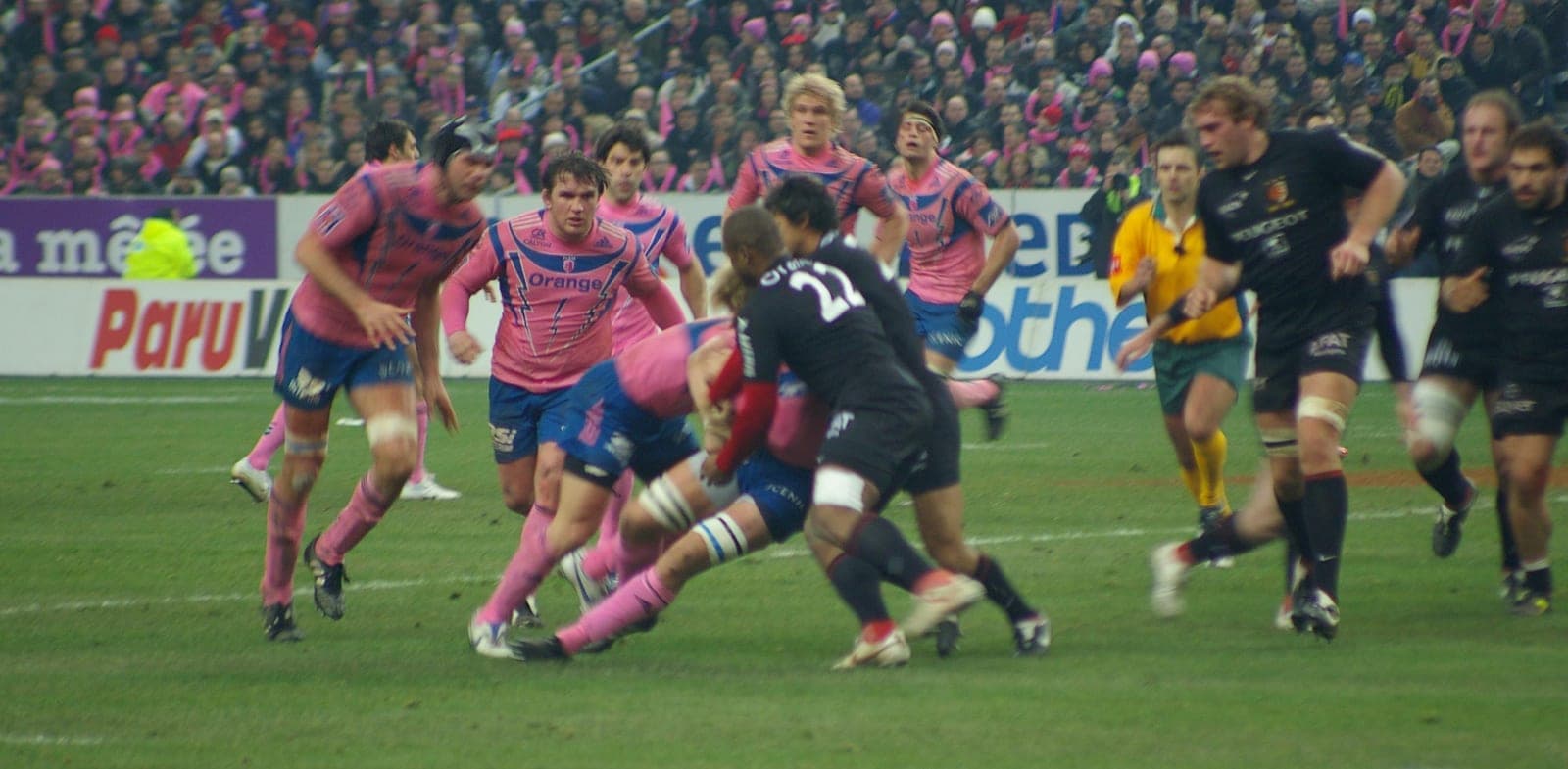
Rugby
A physical team sport of carrying, passing and kicking an oval ball toward the opposing line.
Football
The world’s most popular team sport — endless running, teamwork and community in one game.
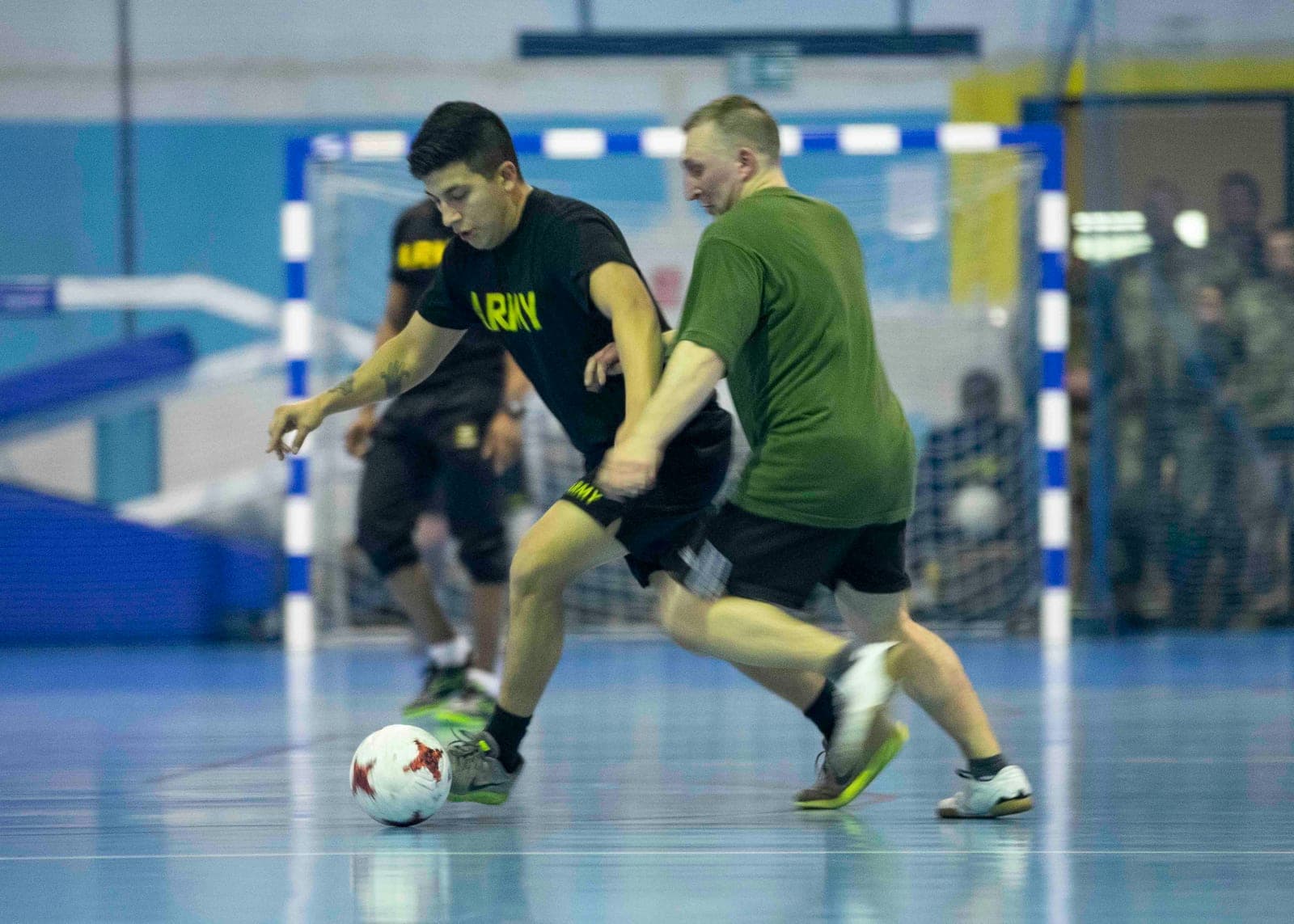
Futsal
A fast, small-sided indoor form of football played on a hard court with a low-bounce ball.
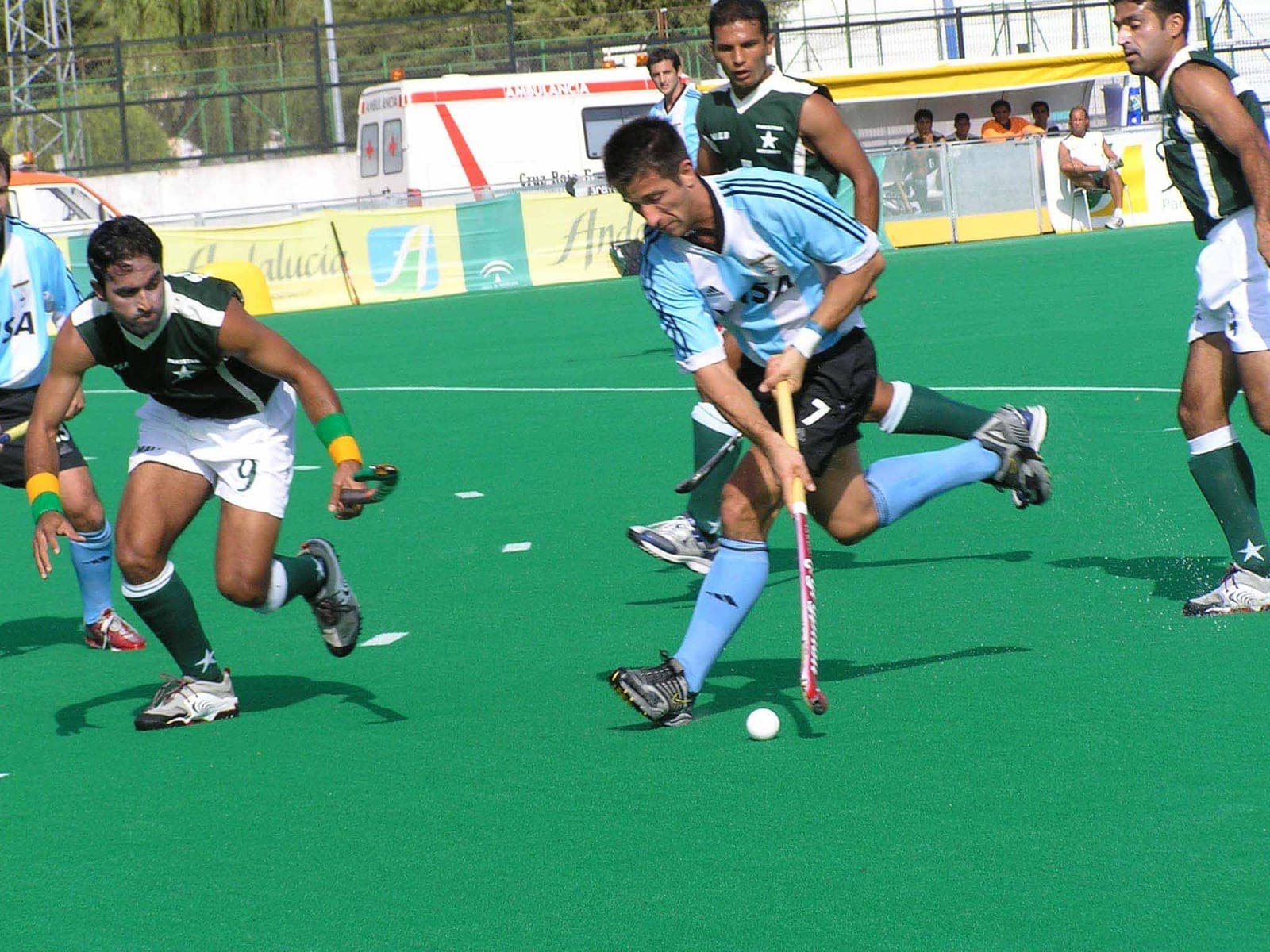
Field Hockey
An outdoor team sport that uses curved sticks to move a ball, built on agility and teamwork.
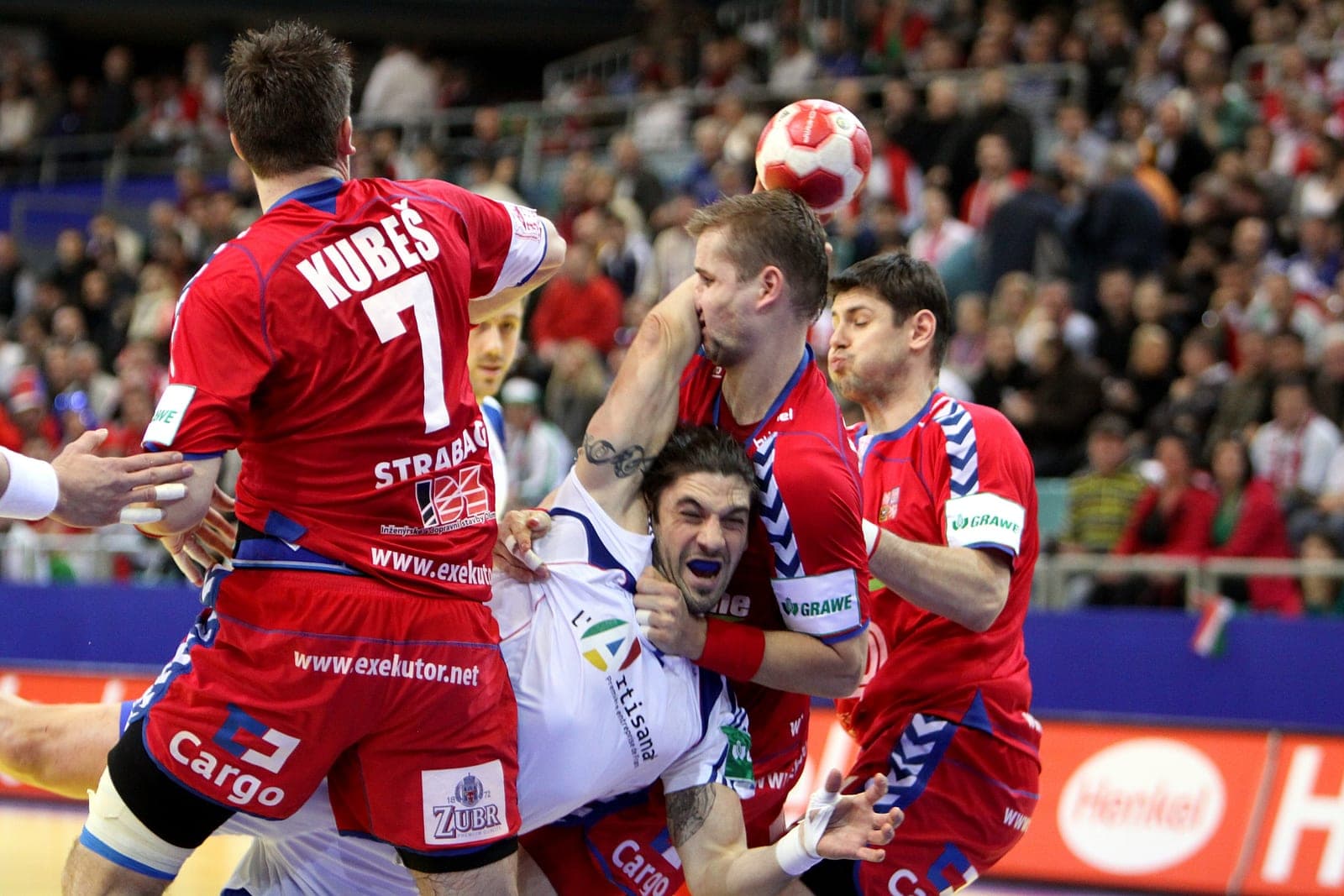
Handball
A fast indoor team sport of passing, jumping and throwing to score with the hands.
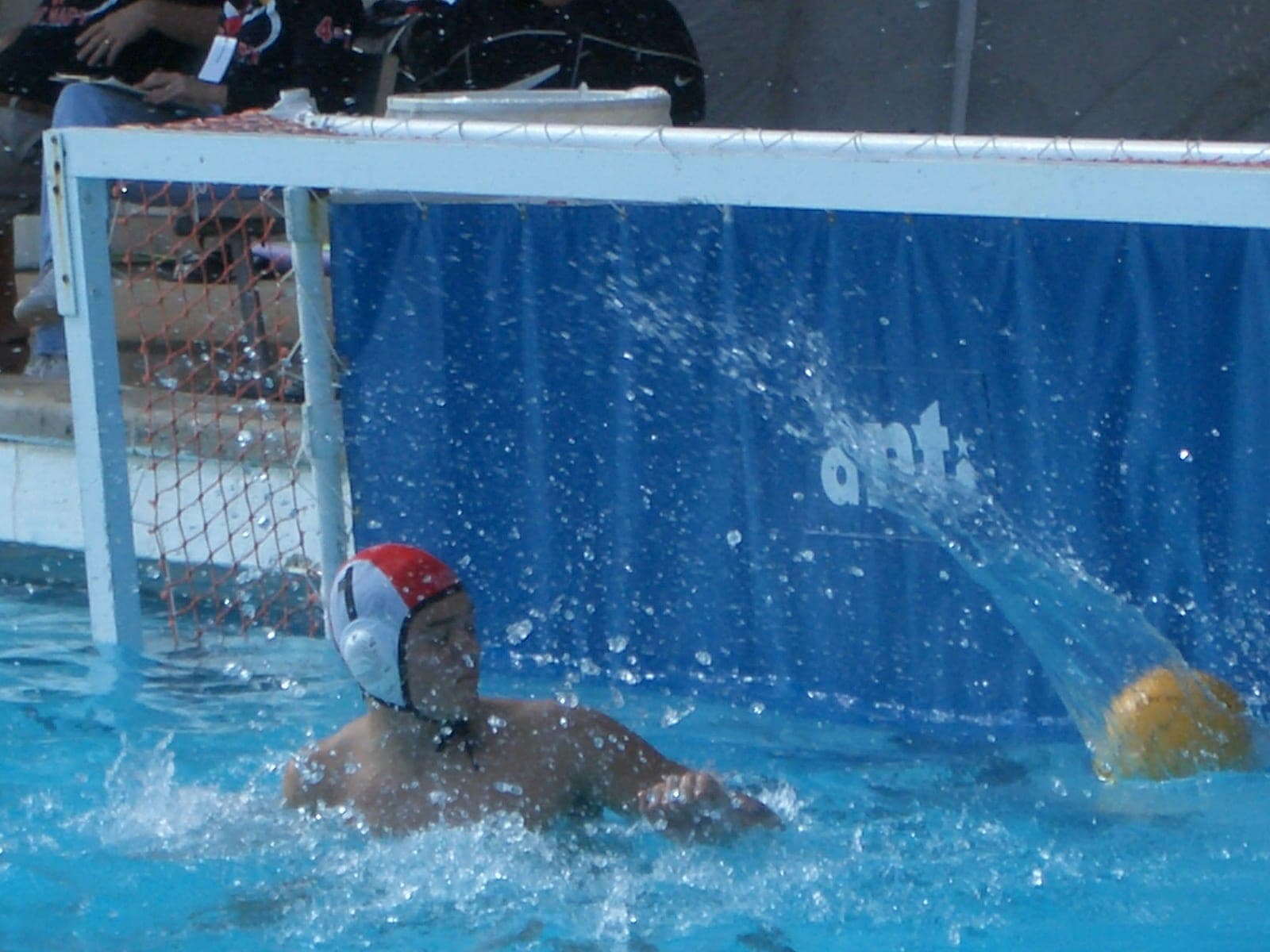
Water Polo
A demanding team sport played in deep water, blending swimming endurance with tactics.
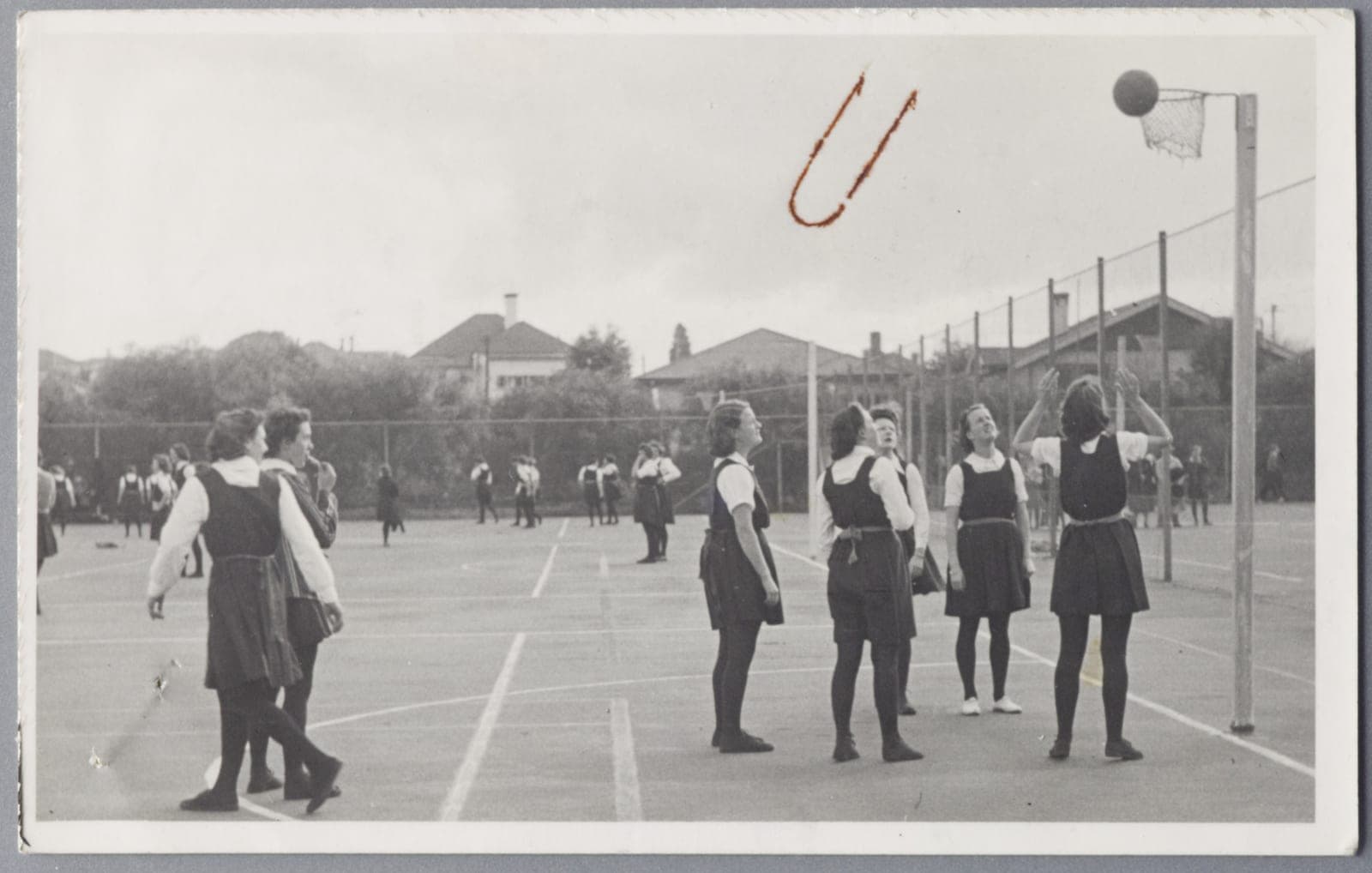
Netball
A non-contact, position-based team sport of quick passing and accurate shooting.
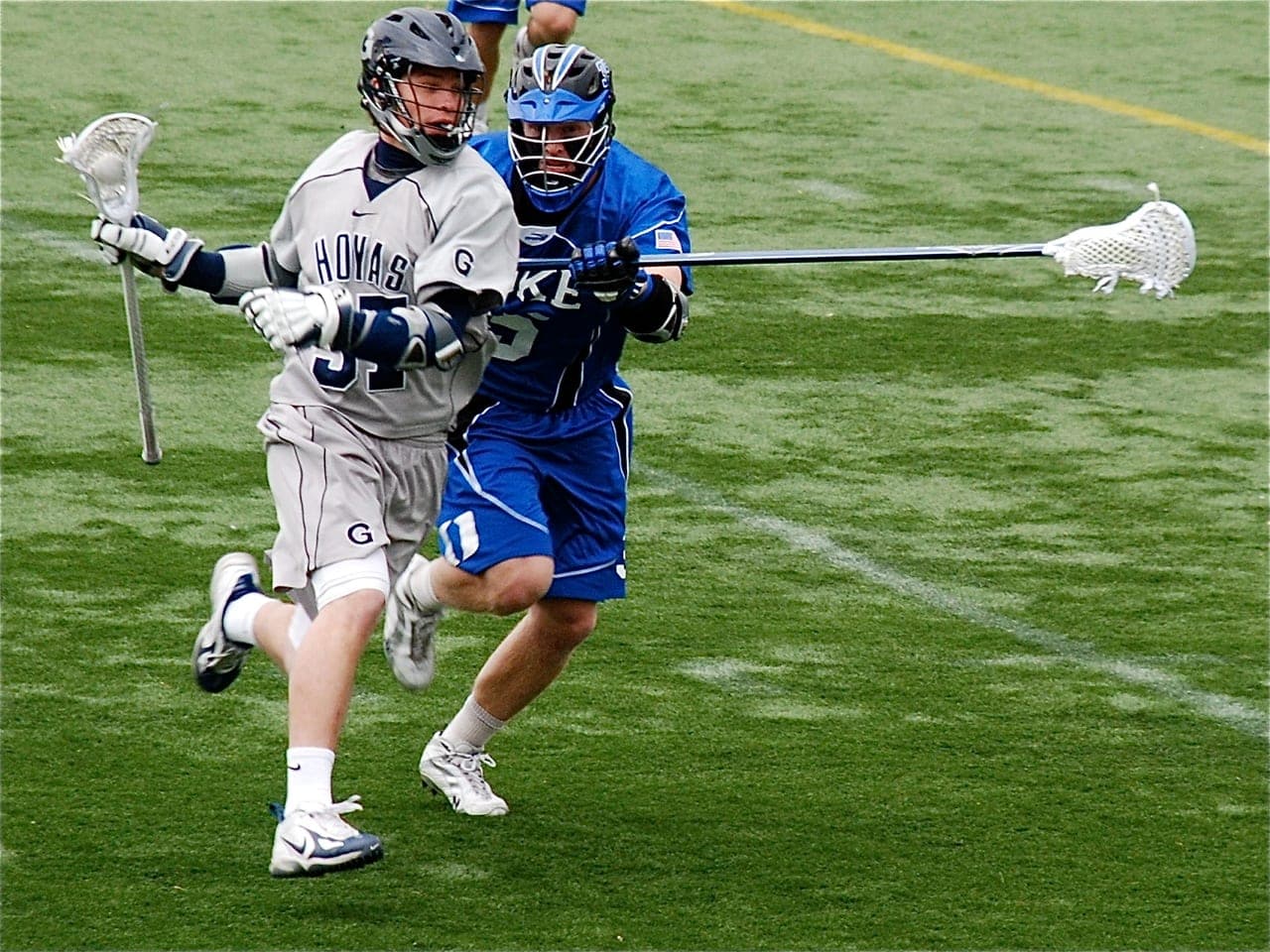
Lacrosse
A fast, stick-and-ball team sport of catching, cradling and shooting a small ball toward a goal.
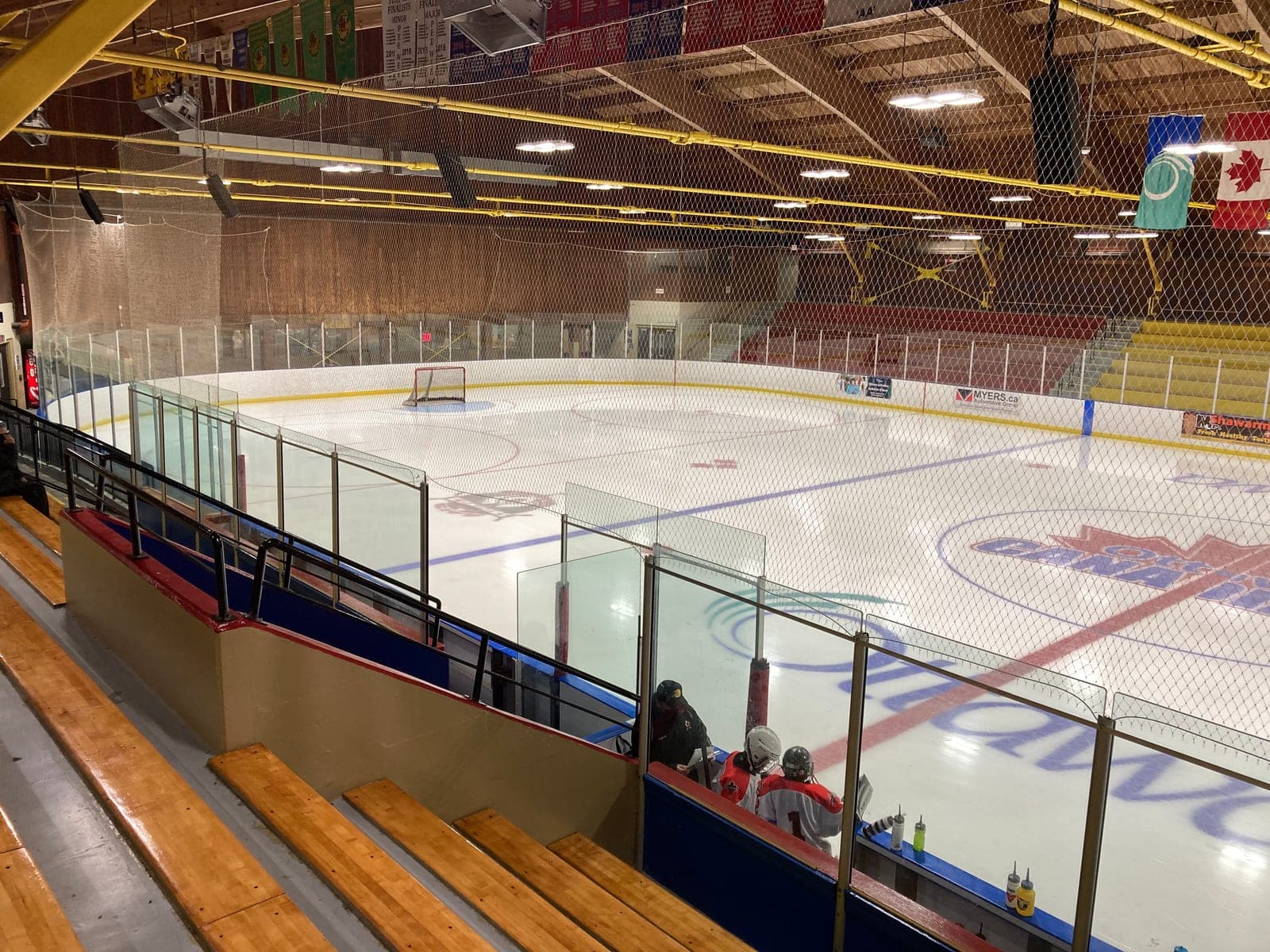
Ice Hockey
A fast team sport on ice that combines skating skill with quick passing and goal-scoring.
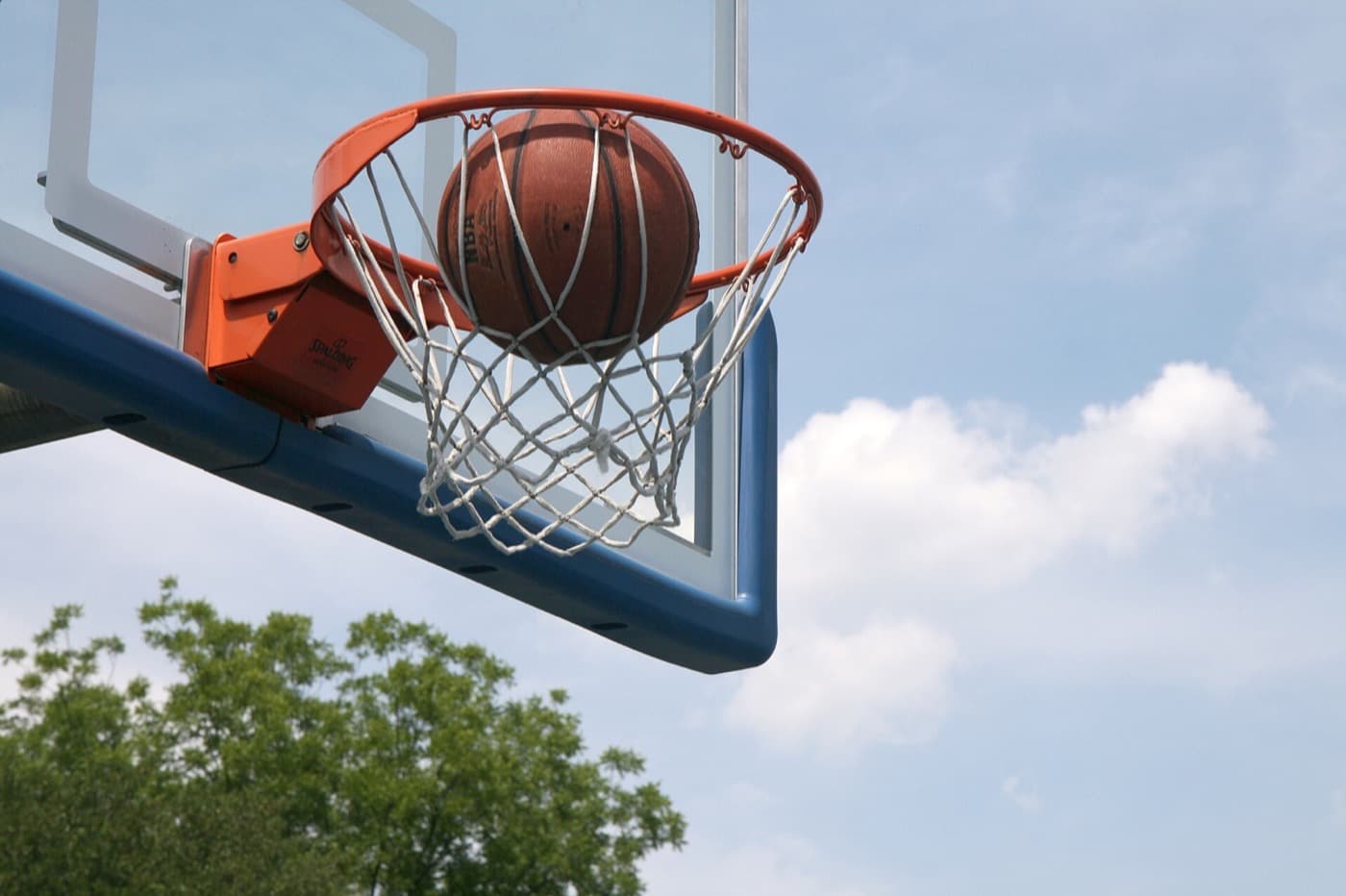
Basketball
A fast, dynamic team sport of running, jumping and quick decisions on court.
Related officiating
Referee
The primary on-field official who enforces the rules, controls play, penalises fouls, awards restarts, and blows the whistle to start and stop a match.
Umpire
A match official who rules on lines, serves and dismissals in racket, bat-and-ball and net sports such as tennis, cricket and baseball — and, in racket sports, also keeps the running score.
Line Judge
A boundary-line official who calls whether the ball or player is in or out and flags foot faults, working under the head referee across many sports.
Explore across the knowledge base
Follow the threads that connect Advantage to the rest of SocialSportHub.
Rules
- Direct and indirect free kicksThe two types of free kick awarded in football to restart play after a foul or other stoppage.
- Penalty kick awardA one-on-one kick against the goalkeeper awarded when a defending player commits a direct-free-kick foul inside their own penalty area.
- Yellow and red cardsThe disciplinary cards a football referee shows to caution or send off a player for misconduct.
- Handball offenceA foul in football committed when an outfield player deliberately handles or controls the ball with the hand or arm.
- Personal fouls and free throwsThe basketball rules covering illegal contact and the uncontested shots awarded when a player is fouled.
Scoring systems
- Football (soccer) scoringFootball is scored by goals, with each goal worth one point and the team scoring the most goals winning the match.
- Basketball scoringBasketball is scored by shooting the ball through the hoop, with baskets worth one, two or three points depending on where the shot is taken.
- Scoring in rugby unionThe five ways points are scored in rugby union and what each is worth — try, conversion, penalty try, penalty goal and drop goal — with the rule that surprises people about the penalty try.
Sports communication
How this page is maintained
- Content type
- Officiating concept
- Provenance
- Tier A — evergreen educational
- Verified external sources
- 0
- Content updated
- 2026-09-12
Evergreen, first-party explanation — it makes no claim that needs an external source. How we handle sources and reviews.