
How running races are timed and placed
Running races are decided by finishing order and by elapsed time, measured precisely and settled by the moment a runner's torso crosses the line.
Overview
Racing on foot is judged in two related ways: the order in which runners finish, and the time each takes to complete the distance. Finishing order determines the placings, while recorded times allow performances to be compared between races and against personal bests.
The finish is defined by the runner's torso — not the head, arms or legs — reaching the finish line, which is how very close finishes are separated. In large mass-participation events, electronic chips can record each runner's individual start-to-finish time as well as the overall gun time.
How it works
- Placings are set by the order in which runners cross the finish line.
- A runner has finished when their torso reaches the line, which decides close finishes.
- Elapsed time from start to finish is recorded and compared against other runs and personal bests.
- In big field events, a chip can record each runner's own start-to-finish time in addition to the gun time.
- Very tight finishes may be separated by a photo of the line rather than by eye.
Where it’s used
Sports that use how running races are timed and placed:
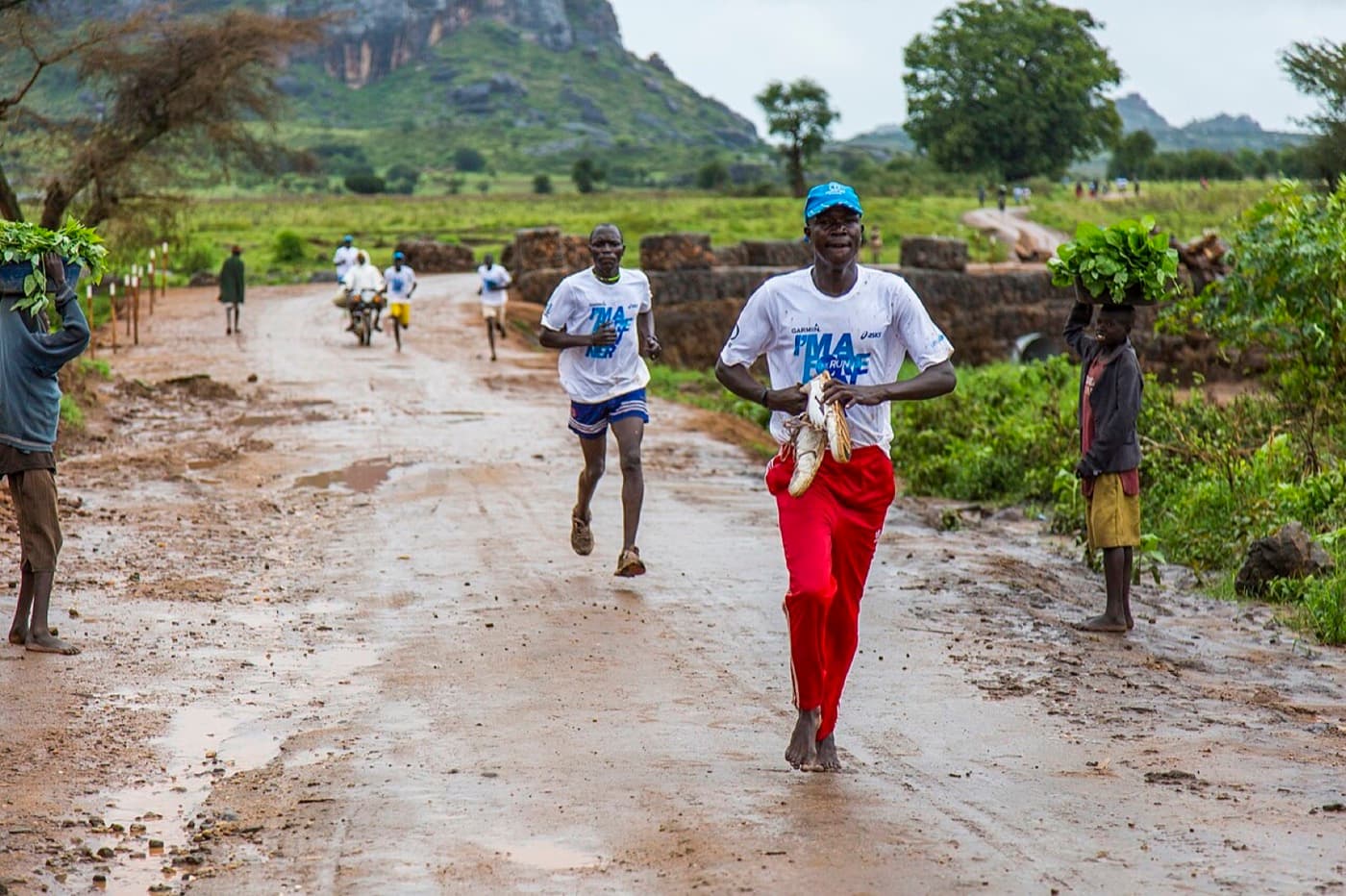
Running
The most accessible endurance sport — no venue, just shoes and the open road or trail.
Trail Running
Running off-road on trails, hills and natural terrain, away from pavements and traffic.
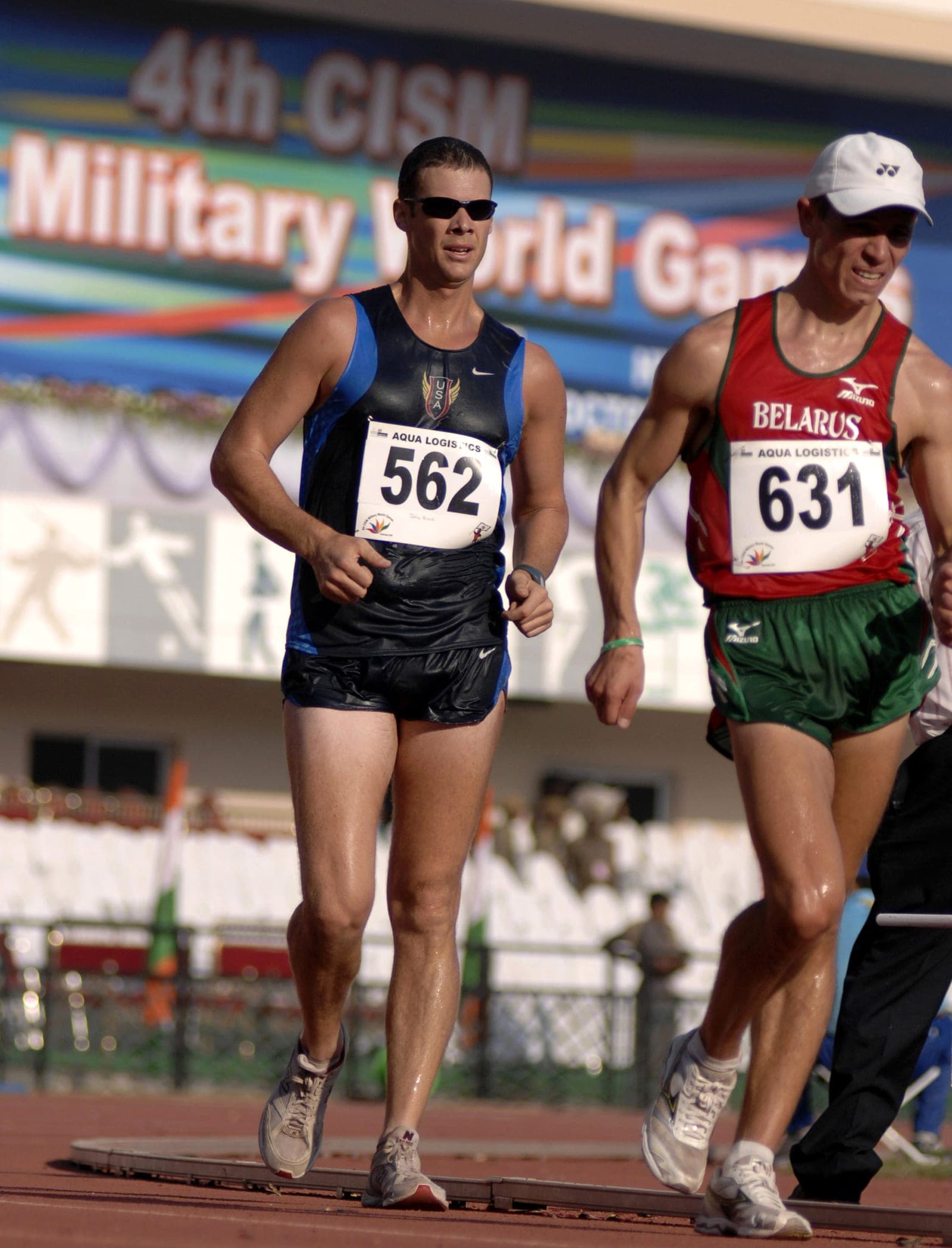
Race Walking
A technique-driven endurance sport that turns walking into a fast, low-impact discipline.
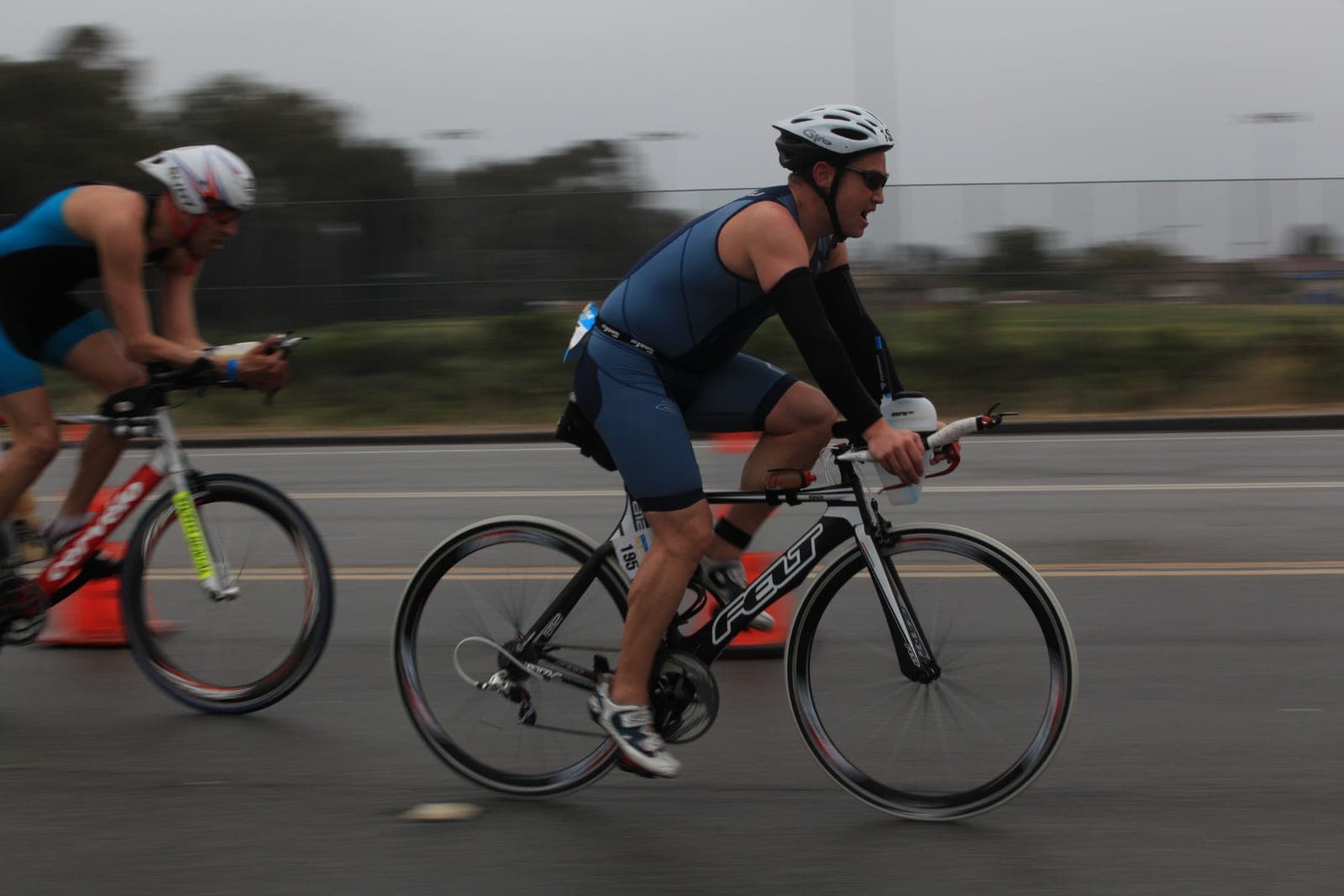
Triathlon
A multi-sport endurance event that links swimming, cycling and running into one continuous race.
Related scoring systems
How swimming races are timed and placed
Swimming races are decided by elapsed time and finishing order, with electronic touchpads recording when each swimmer completes the distance.
How cycling races are timed and placed
Cycling races are decided either by who crosses the line first or by fastest time, and stage races add up cumulative times to rank riders overall.
How it connects
The meaning-bearing relationships that place How running races are timed and placed in the wider knowledge graph — each one with the reason it exists.
Frequently learned together
Taught side by side in the same stage of a learning path.
- Lane disciplineBoth are taught in the “Get to know the game” stage of the Running learning path.
- False startBoth are taught in the “Get to know the game” stage of the Running learning path.
- Drafting rulesBoth are taught in the “Get to know the game” stage of the Triathlon learning path.
- How swimming races are timed and placedBoth are taught in the “Get to know the game” stage of the Triathlon learning path.
- How cycling races are timed and placedBoth are taught in the “Get to know the game” stage of the Triathlon learning path.
Explore across the knowledge base
Follow the threads that connect How running races are timed and placed to the rest of SocialSportHub.
Rules
- Lane disciplineThe rule that competitors must stay within their assigned lane in lane-based races.
- False startA rule breach in a race when a competitor begins to move before the starting signal is given.
- Drafting rulesRules that govern when a rider or athlete may sit in the slipstream of another to save energy.
- Throw-inThe method of restarting football when the ball fully crosses a side line, taken by throwing it back into play.
Officiating
- TimekeeperThe timekeeper is the official who runs a contest's clock — starting and stopping time, timing rounds, races and periods, and signalling when time expires.
- Start and Stop SignalsThe whistle, gun, bell or hooter an official uses to begin and end play or a race, plus the rules that keep starts clean and penalise false starts.
Disciplines
- Sprint DistanceSprint distance triathlon combines a short swim, bike, and run, making it a common entry point and a fast, higher-intensity racing format.
- Standard (Olympic) DistanceStandard, or Olympic, distance triathlon pairs a 1.5 km swim, 40 km bike, and 10 km run, and is the format contested at the Olympic Games.
- Middle Distance (70.3)Middle distance triathlon, widely known as 70.3, covers a 1.9 km swim, 90 km bike, and a 21.1 km half-marathon run.
- Long Distance (Ironman)Long distance triathlon, popularly known as Ironman, covers a 3.8 km swim, 180 km bike, and a 42.2 km marathon run.
- FoilFoil is a fencing weapon in which touches are scored only with the point on the opponent's torso, governed by right-of-way rules.
Learning paths
Go deeper with How running races are timed and placed
Everywhere else on the platform that covers How running races are timed and placed — assembled from what actually references it, so nothing here is a dead end.
Learn it
Structured courses and paths on the platform that cover this directly.
How this page is maintained
- Content type
- Scoring system
- Provenance
- Tier A — evergreen educational
- Verified external sources
- 0
- Content updated
- 2026-09-12
Evergreen, first-party explanation — it makes no claim that needs an external source. How we handle sources and reviews.