
Lane discipline
The rule that competitors must stay within their assigned lane in lane-based races.
Overview
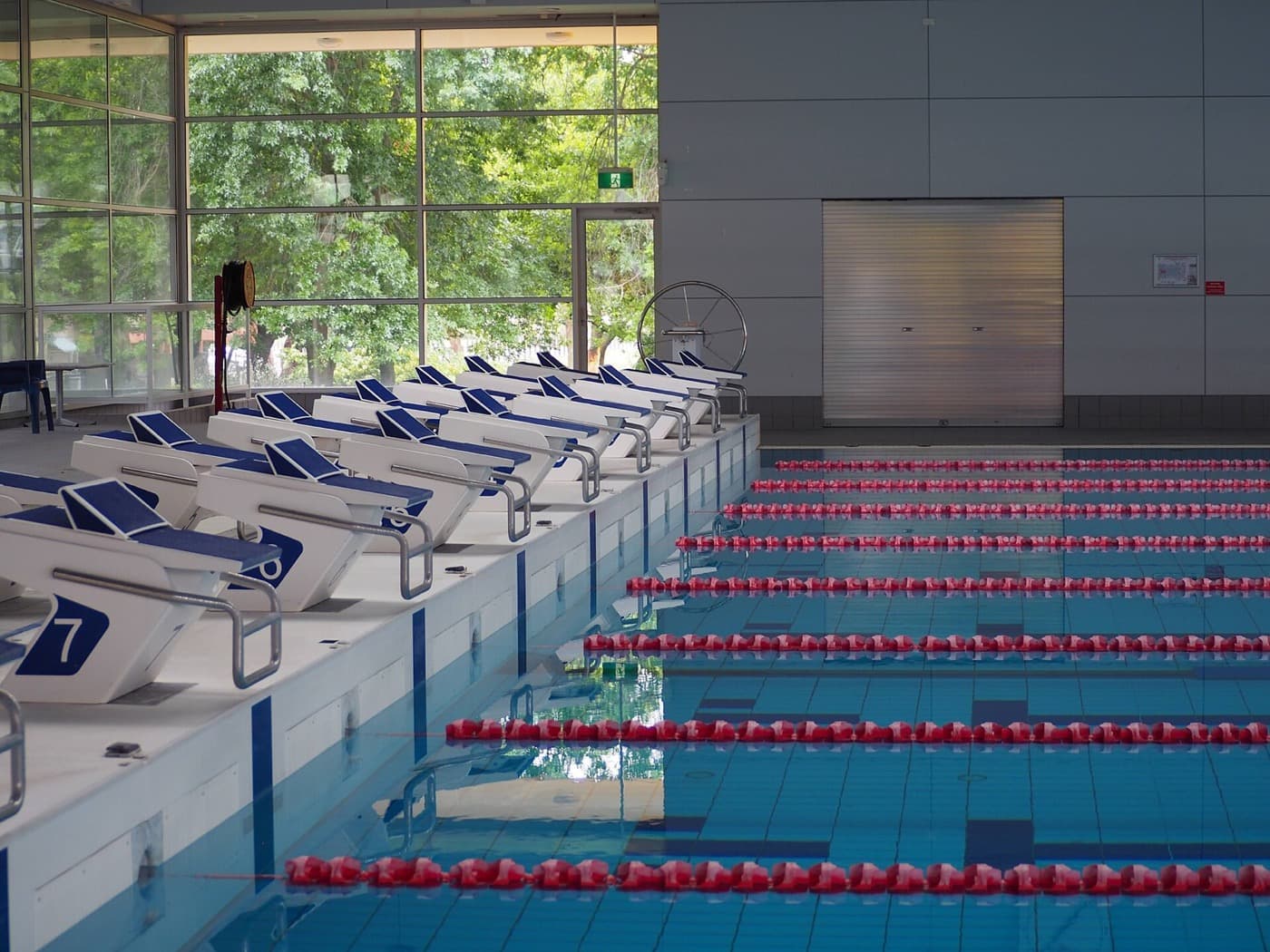
In track sprints and pool swimming events, each competitor is given a numbered lane and must remain inside it for the duration of the race. Straying into another lane, or in swimming crossing under the lane rope to interfere with a rival, can lead to disqualification.
Lane discipline keeps races fair by giving every athlete an equal, uninterrupted path. In longer track races athletes may leave their lanes and move to the inside once a break line is reached.
Key points
- Each competitor keeps to their numbered lane for lane-based events.
- Interfering with a rival by leaving the lane can bring disqualification.
- Lane assignment gives every athlete an equal path.
- Some longer track races allow athletes to break for the inside lane.
Where it’s used
Sports that use lane discipline:

Running
The most accessible endurance sport — no venue, just shoes and the open road or trail.
Swimming
A full-body, low-impact endurance sport suitable for almost every age and ability.
Speed Skating
A racing sport on long-bladed skates, powering around an ice oval or tight indoor track with long, rhythmic strides.
How it connects
The meaning-bearing relationships that place Lane discipline in the wider knowledge graph — each one with the reason it exists.
Frequently learned together
Taught side by side in the same stage of a learning path.
- False startBoth are taught in the “Get to know the game” stage of the Running learning path.
- How running races are timed and placedBoth are taught in the “Get to know the game” stage of the Running learning path.
- Swimming stroke rulesBoth are taught in the “Get to know the game” stage of the Swimming learning path.
- How swimming races are timed and placedBoth are taught in the “Get to know the game” stage of the Swimming learning path.
Explore across the knowledge base
Follow the threads that connect Lane discipline to the rest of SocialSportHub.
Scoring systems
- How running races are timed and placedRunning races are decided by finishing order and by elapsed time, measured precisely and settled by the moment a runner's torso crosses the line.
- How swimming races are timed and placedSwimming races are decided by elapsed time and finishing order, with electronic touchpads recording when each swimmer completes the distance.
Learning paths
- Learn RunningA structured, educational learning path for running — from the rules to skills, techniques, tactics and training.
- Learn SwimmingA structured, educational learning path for swimming — from the rules to skills, techniques, tactics and training.
- Learn Open-Water SwimmingA structured, educational learning path for open-water swimming — from the rules to skills, techniques, tactics and training.
Beginner guides
- Your First Swimming Session: What to ExpectWhat a first swimming session at the pool actually feels like, how to prepare, and how to settle in without any pressure to swim lengths on day one.
- Your first running sessionA warm, honest picture of what a first running session actually feels like — so you can turn up relaxed, run at a comfortable effort, and enjoy it without any pressure to be fast.
Go deeper with Lane discipline
Everywhere else on the platform that covers Lane discipline — assembled from what actually references it, so nothing here is a dead end.
Learn it
Structured courses and paths on the platform that cover this directly.
Take it away
Open data and the whole-platform view of this subject.
How this page is maintained
- Content type
- Rule
- Provenance
- Tier A — evergreen educational
- Verified external sources
- 0
- Content updated
- 2026-09-12
Evergreen, first-party explanation — it makes no claim that needs an external source. How we handle sources and reviews.