
Treading water
The skill of staying afloat and upright in deep water without moving anywhere.
Overview
Treading water is keeping the body upright and the head above the surface in deep water using gentle, continuous movements of the arms and legs. It lets a swimmer rest, look around or hold position without swimming to somewhere shallow.
It is a core water-confidence skill and essential in sports like water polo, where players spend long periods off the bottom, and in open water where there is nothing to stand on.
Key points
- The aim is to stay afloat and upright, not to travel anywhere.
- Circular sculling of the hands provides steady lift.
- A rotary or scissor kick keeps the body supported with less effort.
- Staying relaxed conserves energy and keeps breathing steady.
- It is a fundamental confidence and safety skill for any deep-water activity.
Where it’s used
Sports that use treading water:
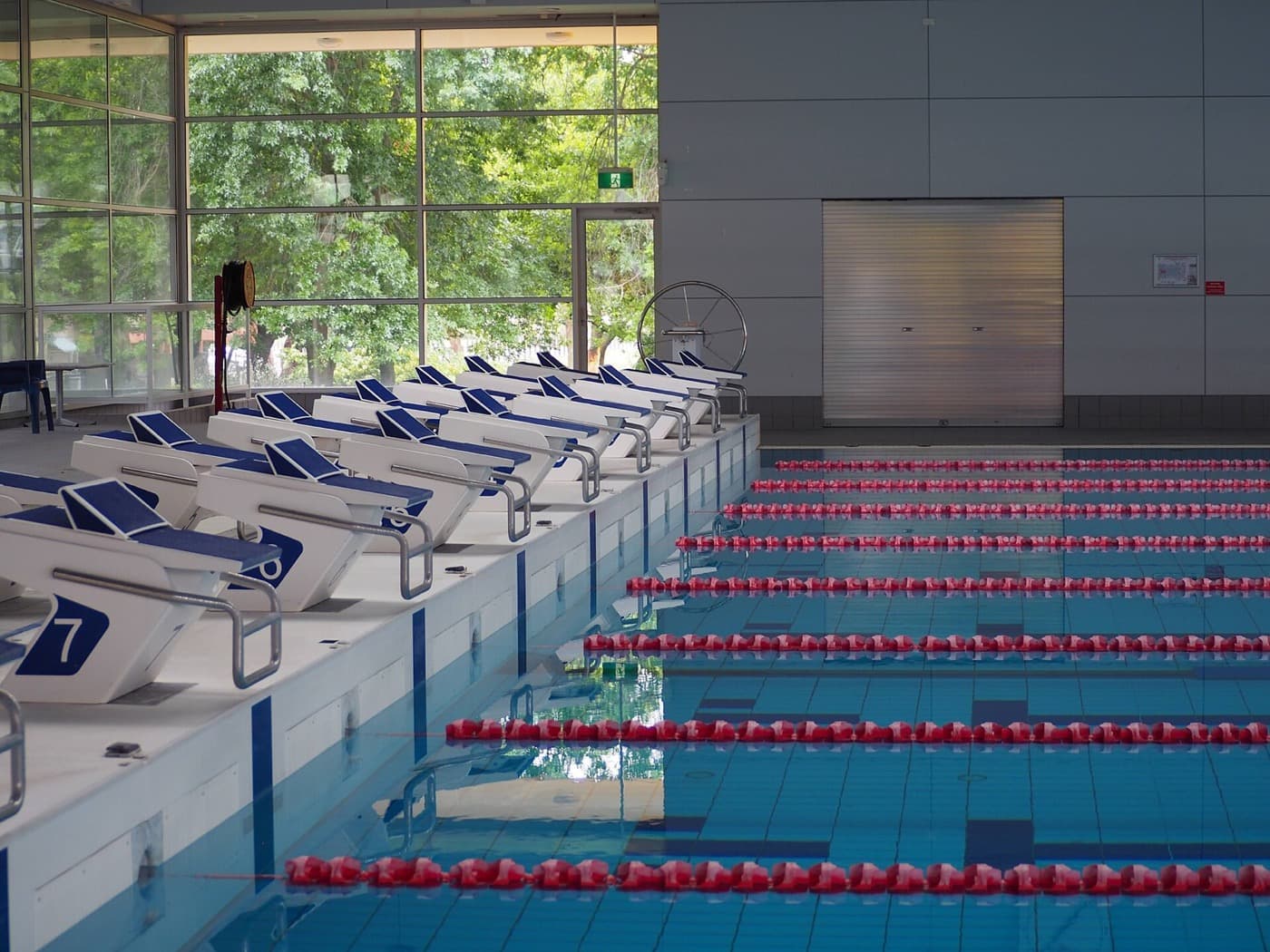
Swimming
A full-body, low-impact endurance sport suitable for almost every age and ability.
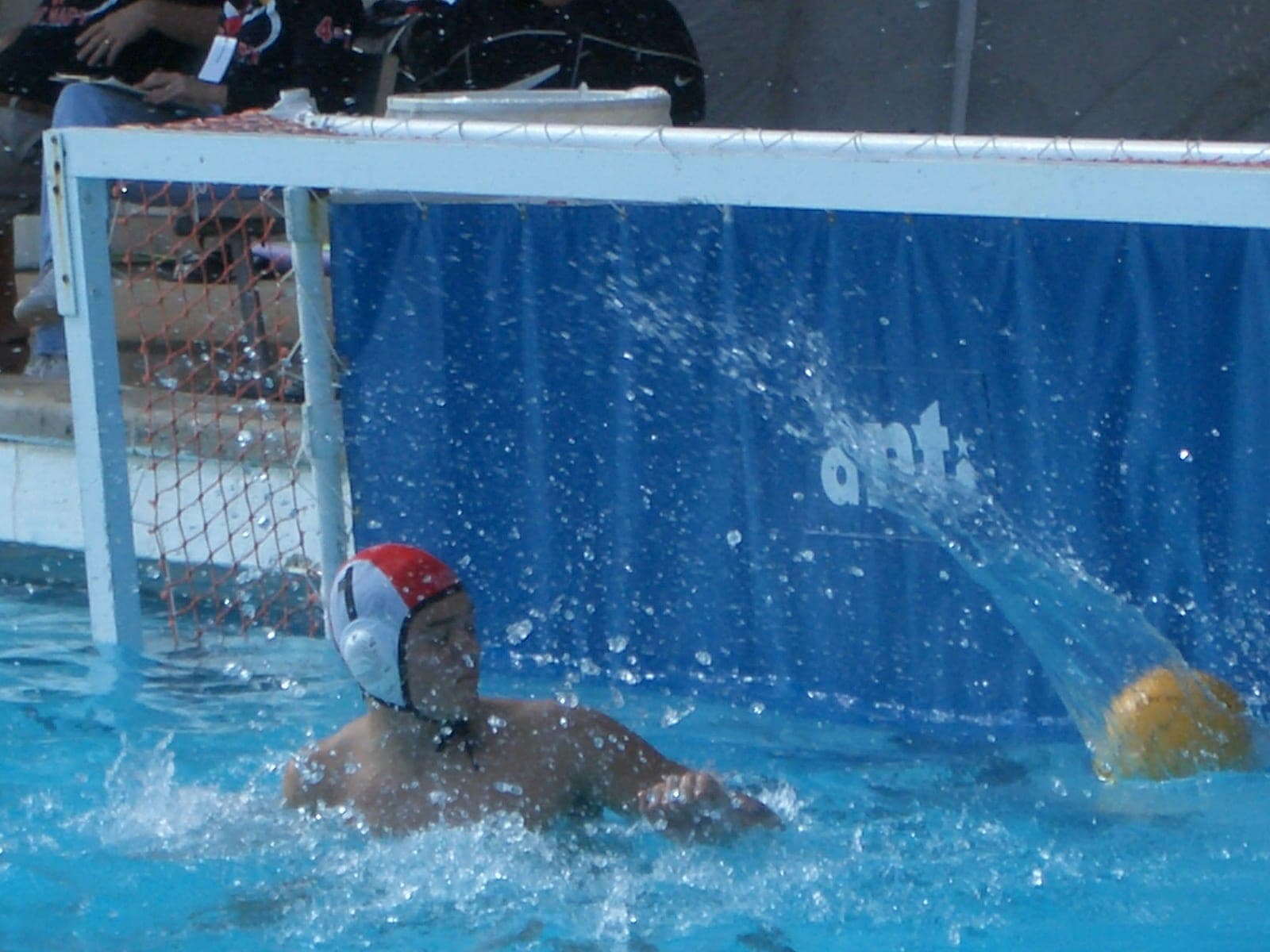
Water Polo
A demanding team sport played in deep water, blending swimming endurance with tactics.
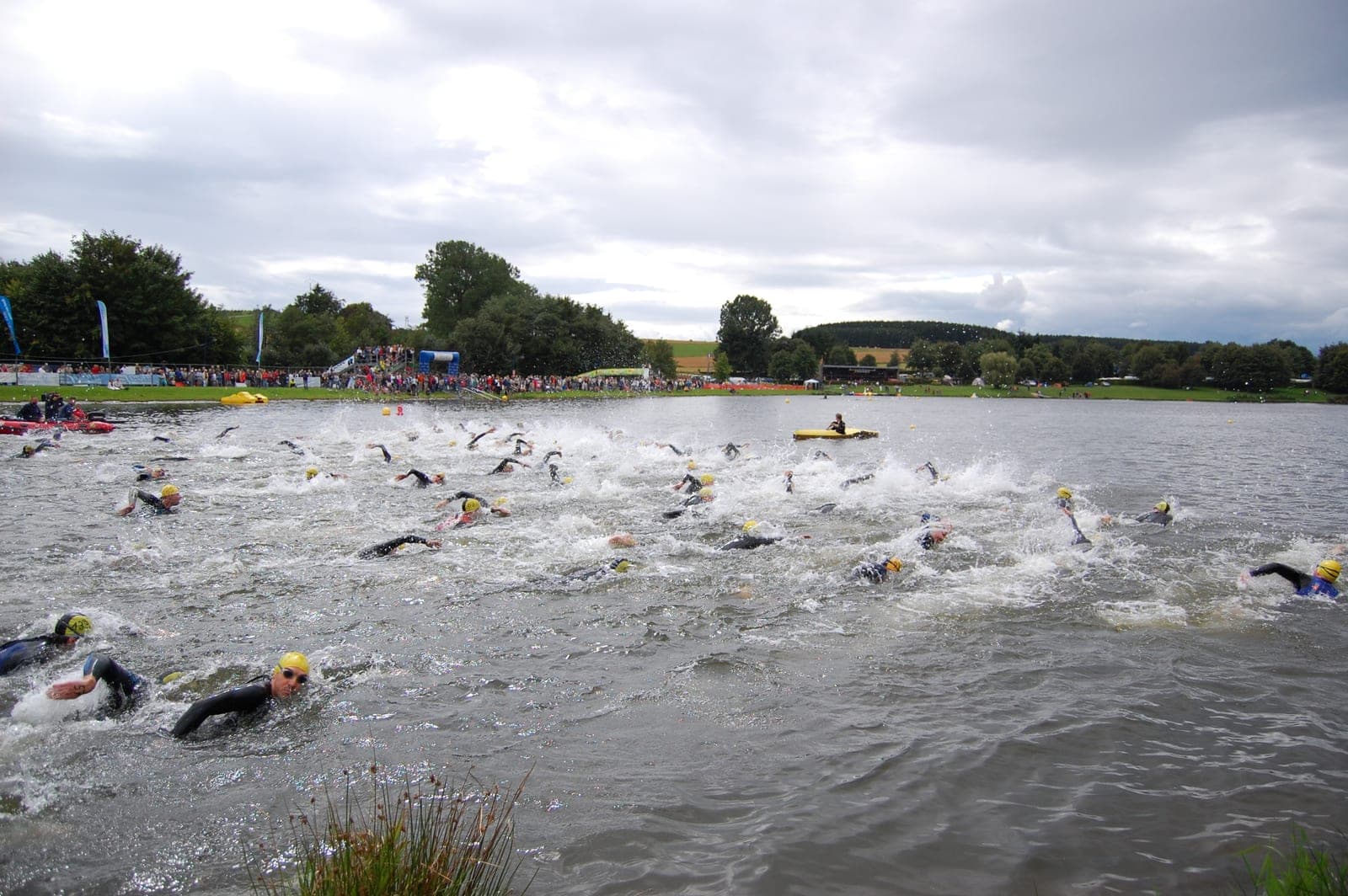
Open-Water Swimming
Swimming in lakes, rivers and the sea, blending endurance training with the experience of being out in nature.
How it connects
The meaning-bearing relationships that place Treading water in the wider knowledge graph — each one with the reason it exists.
Progresses to
The next step in a curated learning order.
Progresses from
The step that comes before this one in a curated learning order.
Frequently learned together
Taught side by side in the same stage of a learning path.
- PacingBoth are taught in the “Learn the core skills” stage of the Swimming learning path.
- BreathingBoth are taught in the “Learn the core skills” stage of the Swimming learning path.
- Front crawlBoth are taught in the “Learn the core skills” stage of the Swimming learning path.
- BreaststrokeBoth are taught in the “Learn the core skills” stage of the Swimming learning path.
- ShootingBoth are taught in the “Learn the core skills” stage of the Water Polo learning path.
Part of
The wider grouping this belongs to.
Explore across the knowledge base
Follow the threads that connect Treading water to the rest of SocialSportHub.
Skills Academy
Learning paths
- Learn SwimmingA structured, educational learning path for swimming — from the rules to skills, techniques, tactics and training.
- Learn Water PoloA structured, educational learning path for water polo — from the rules to skills, techniques, tactics and training.
- Learn Open-Water SwimmingA structured, educational learning path for open-water swimming — from the rules to skills, techniques, tactics and training.
People
Go deeper with Treading water
Everywhere else on the platform that covers Treading water — assembled from what actually references it, so nothing here is a dead end.
Learn it
Structured courses and paths on the platform that cover this directly.
How this page is maintained
- Content type
- Skill
- Provenance
- Tier A — evergreen educational
- Verified external sources
- 0
- Content updated
- 2026-09-12
Evergreen, first-party explanation — it makes no claim that needs an external source. How we handle sources and reviews.