
Breathing
The skill of controlling the breath rhythmically to sustain effort and stay relaxed.
Overview
Breathing well is a foundational skill in endurance and movement sports: a steady, rhythmic breath supplies oxygen efficiently and helps keep the body relaxed under effort. In swimming it is also woven into the stroke itself.
Rather than gasping reactively, trained athletes build a controlled breathing rhythm that matches their movement, whether that is strokes, strides or the flow of a yoga sequence.
Key points
- A steady rhythm is more efficient than shallow, panicked breathing.
- In swimming, breathing is timed to the stroke and to turning the head.
- Runners often settle into a breath pattern linked to their stride.
- Relaxed, deeper breathing helps keep the shoulders and upper body loose.
- Breath control is also central to yoga, where it guides movement and focus.
Where it’s used
Sports that use breathing:
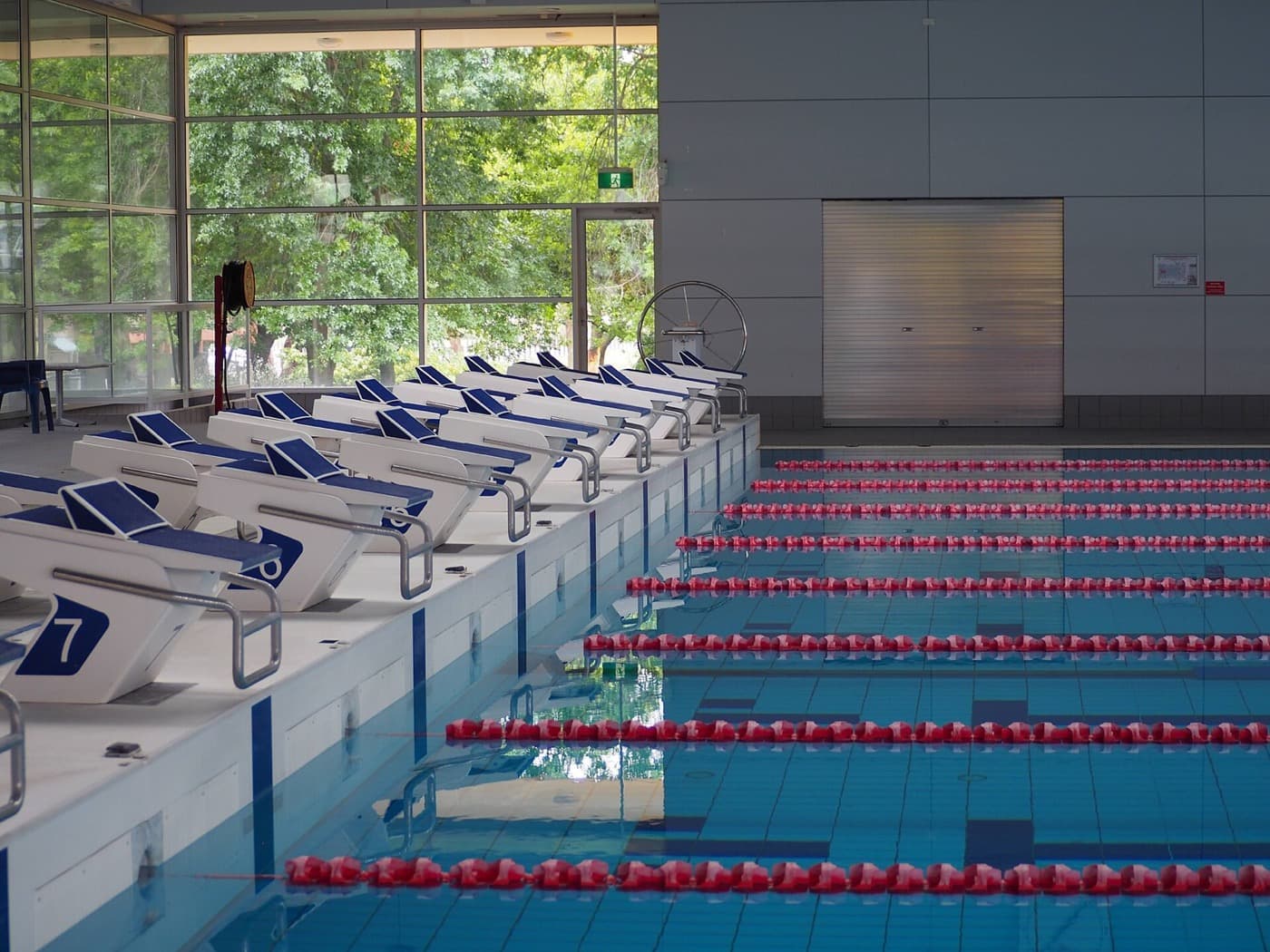
Swimming
A full-body, low-impact endurance sport suitable for almost every age and ability.

Running
The most accessible endurance sport — no venue, just shoes and the open road or trail.
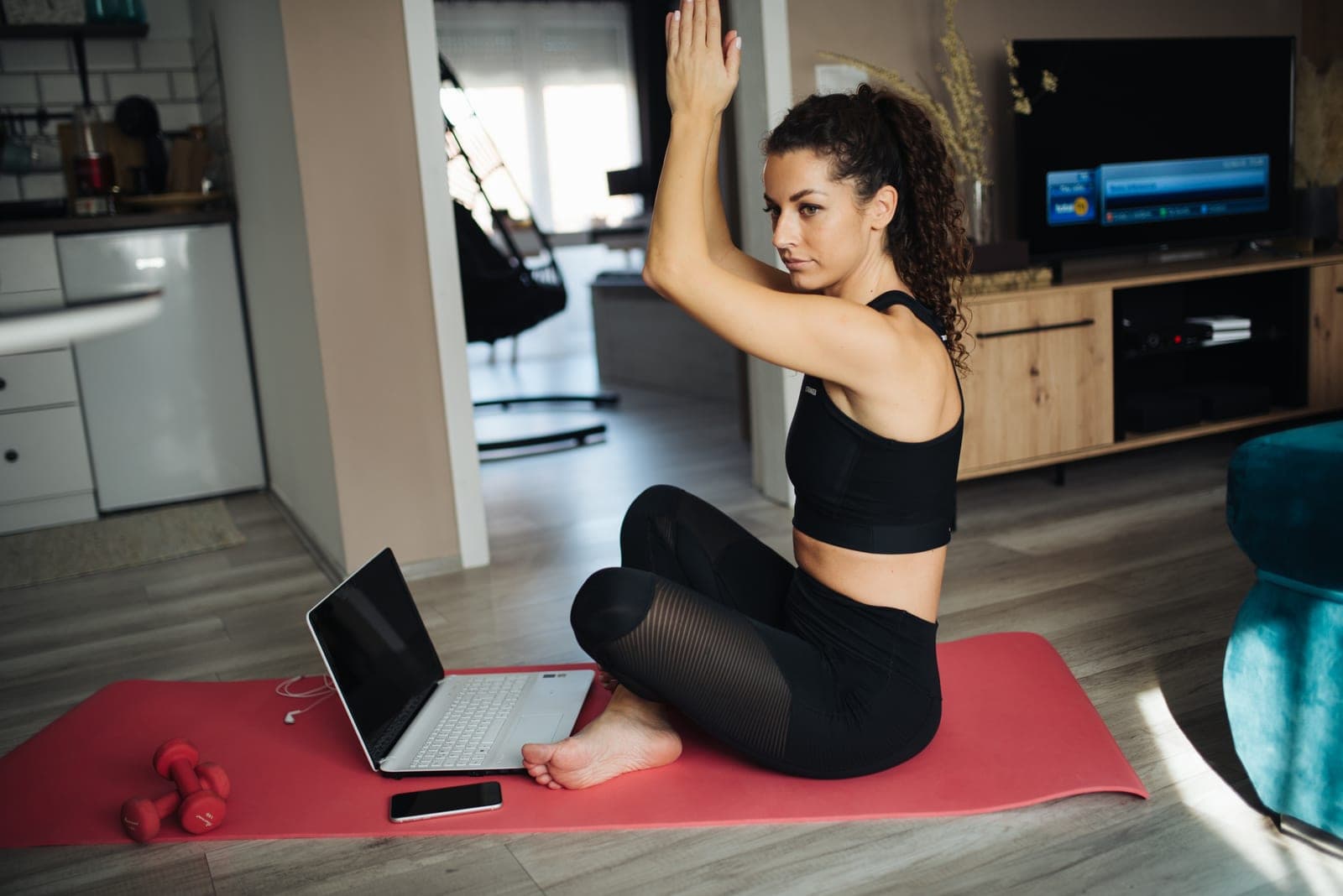
Yoga
A mind-body practice that links postures, breathing and focus to build flexibility, strength and calm.
Related skills
Pacing
The skill of managing effort and speed so it lasts the whole distance or event.
Front crawl
The fastest swimming stroke, using alternating arm pulls and a flutter kick while face-down.
Breaststroke
A swimming stroke using a symmetrical arm sweep and a frog-like kick, with the head lifting to breathe.
How it connects
The meaning-bearing relationships that place Breathing in the wider knowledge graph — each one with the reason it exists.
Progresses to
The next step in a curated learning order.
Progresses from
The step that comes before this one in a curated learning order.
Frequently learned together
Taught side by side in the same stage of a learning path.
- PacingBoth are taught in the “Learn the core skills” stage of the Running learning path.
- SprintingBoth are taught in the “Learn the core skills” stage of the Running learning path.
- Running formBoth are taught in the “Learn the core skills” stage of the Running learning path.
- Front crawlBoth are taught in the “Learn the core skills” stage of the Swimming learning path.
- BreaststrokeBoth are taught in the “Learn the core skills” stage of the Swimming learning path.
Explore across the knowledge base
Follow the threads that connect Breathing to the rest of SocialSportHub.
Skills Academy
- Endurance-sport skillsThe skills of going the distance — pacing, breathing and efficient technique in running, cycling and swimming.
- Aquatic skillsThe water-specific skills of swimming — the strokes, breathing and staying comfortable in the water.
- Racket-sport skillsThe core skills of racket sports — serving, returning, rallying and controlling the net.
Techniques
- Freestyle StrokeThe fastest swimming stroke, using alternating overhead arm pulls, a flutter kick and rhythmic side breathing.
- Running FormThe efficient posture and stride mechanics of distance running, keeping the body relaxed and the cadence smooth.
- HeaderA technique for controlling or striking the ball with the forehead in football, used to pass, shoot or clear the ball in the air.
Learning paths
- Learn RunningA structured, educational learning path for running — from the rules to skills, techniques, tactics and training.
- Learn SwimmingA structured, educational learning path for swimming — from the rules to skills, techniques, tactics and training.
- Learn YogaA structured, educational learning path for yoga — from the rules to skills, techniques, tactics and training.
Beginner guides
- Your First Swimming Session: What to ExpectWhat a first swimming session at the pool actually feels like, how to prepare, and how to settle in without any pressure to swim lengths on day one.
- Your first running sessionA warm, honest picture of what a first running session actually feels like — so you can turn up relaxed, run at a comfortable effort, and enjoy it without any pressure to be fast.
Go deeper with Breathing
Everywhere else on the platform that covers Breathing — assembled from what actually references it, so nothing here is a dead end.
Learn it
Structured courses and paths on the platform that cover this directly.
How this page is maintained
- Content type
- Skill
- Provenance
- Tier A — evergreen educational
- Verified external sources
- 0
- Content updated
- 2026-09-12
Evergreen, first-party explanation — it makes no claim that needs an external source. How we handle sources and reviews.