
Hydration and exercise
Sensible fluid habits before, during and after activity — so you feel good and recover well without overthinking it.
Overview
When you move, you lose fluid through sweat, and how much varies with the effort, the heat and the person. A simple, sensible pattern suits most everyday activity: start a session already reasonably hydrated, sip during longer or hotter efforts, and top up afterwards as you cool down. For short, easy sessions, ordinary daily hydration is often enough on its own.
You do not need elaborate plans or special products. Water covers most everyday exercise; longer, sweatier efforts are where some people also think about replacing salts, but that is individual and worth discussing with a qualified professional if you are unsure. Listen to your body, avoid the extremes of arriving parched or forcing far more than feels comfortable, and let thirst help guide the amount.
What helps
- Begin activity already reasonably hydrated rather than trying to catch up.
- Sip during longer or hotter sessions; short easy ones often need little extra.
- Top up afterwards as part of cooling down and recovering.
- Heat and heavy sweating usually mean a little more fluid.
- Both too little and forcing too much can feel bad — aim for comfortable.
A note on this guidance
How to start
- 1Have a drink before you head out, especially in warm weather.
- 2Carry water for longer sessions and sip when you feel the need.
- 3Include a drink in your cool-down routine after activity.
- 4Ask a qualified professional about fluids or salts for long or intense training.
Sports that fit
Ways to put this into practice — each with a clear, beginner-friendly guide.

Running
The most accessible endurance sport — no venue, just shoes and the open road or trail.
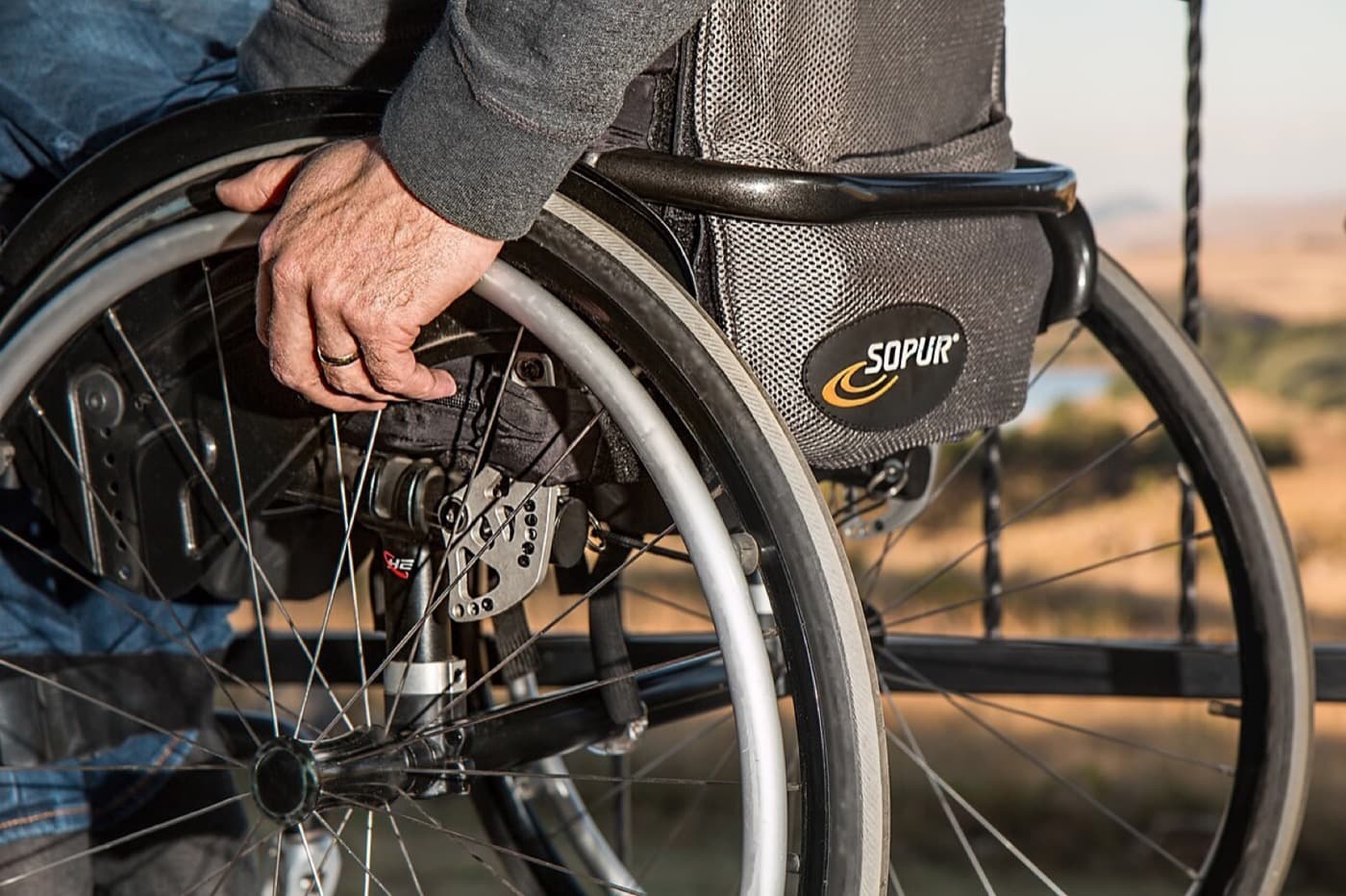
Cycling
A low-impact endurance sport that doubles as transport, exercise and adventure.
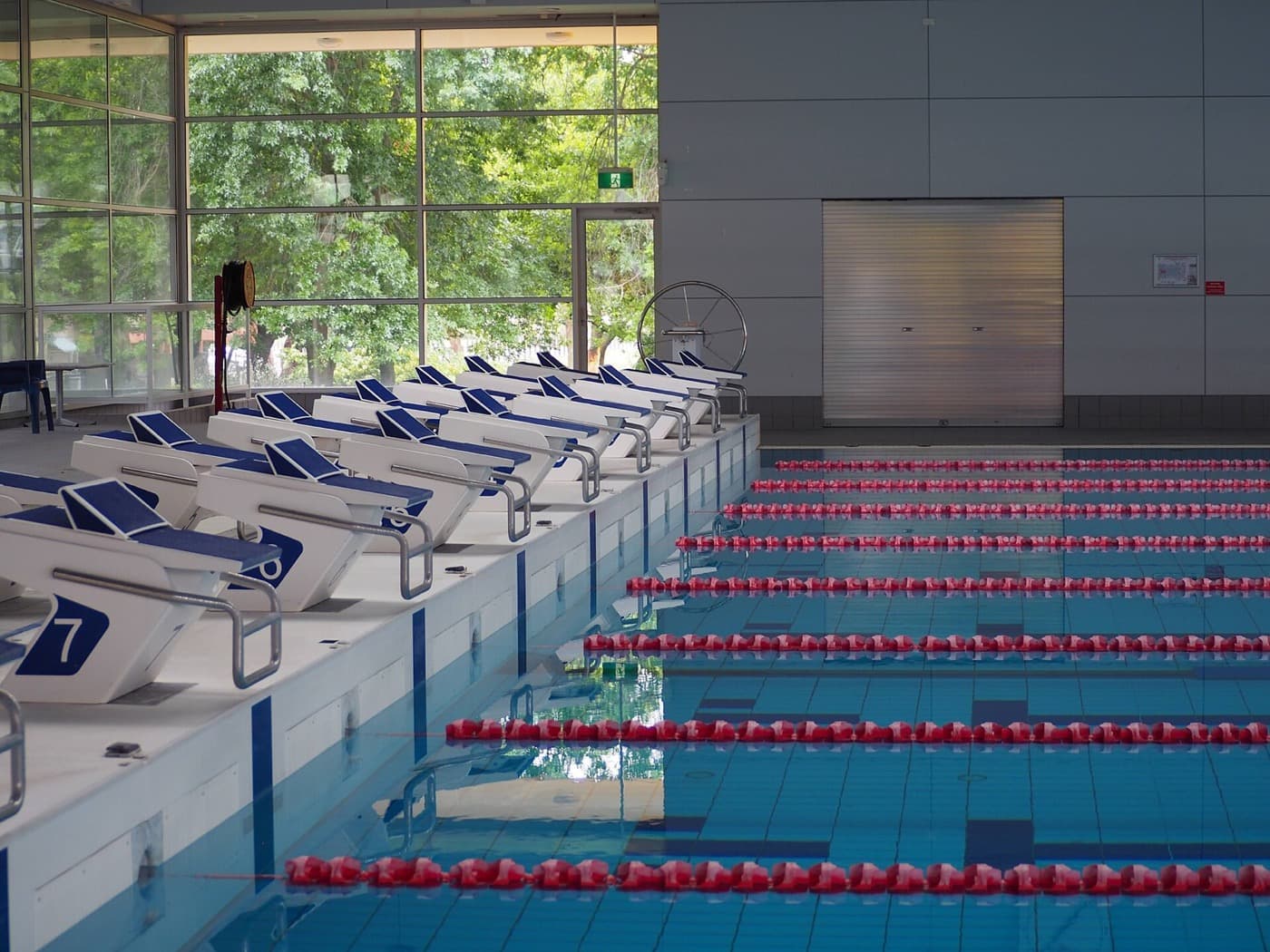
Swimming
A full-body, low-impact endurance sport suitable for almost every age and ability.
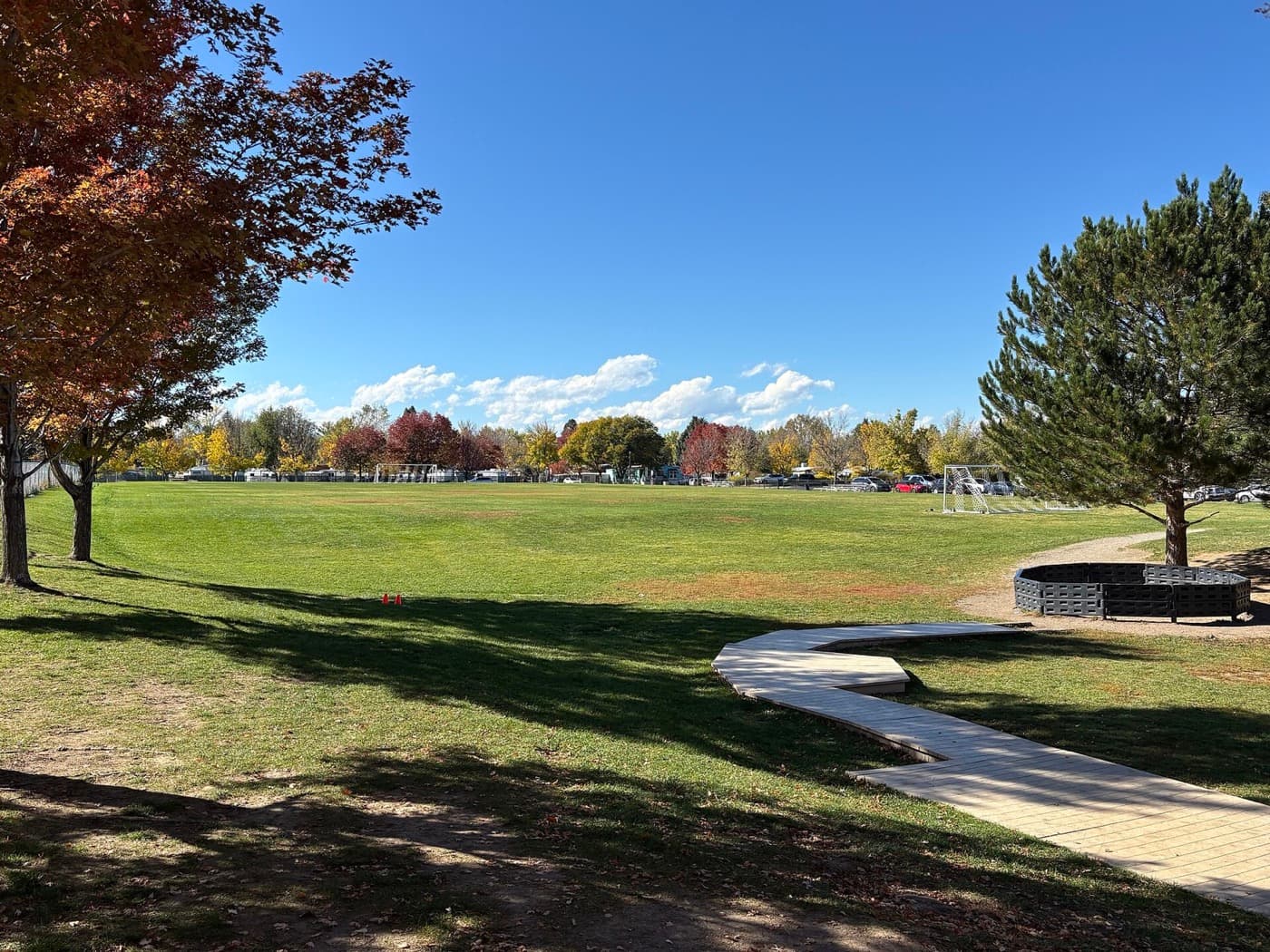
Football
The world’s most popular team sport — endless running, teamwork and community in one game.
Goals it supports
Improve fitness
Build well-rounded fitness — stamina, strength and more — through regular, varied activity you can keep up.
Improve cardiovascular health
Regular activity is widely linked with supporting heart and circulatory health as part of a balanced routine.
Build an active lifestyle
Make movement a natural, lasting part of daily life through activities and habits you genuinely enjoy.
Build healthy habits
Using sport and routine to make regular activity a lasting part of everyday life.
Frequently asked questions
Do I need a sports drink when I exercise?
For most everyday activity, water is enough, and a sports drink is not something anyone needs by default. Longer or very sweaty sessions are where some people consider replacing salts too, but this is individual — if you are unsure or exercising hard for long periods, ask a qualified professional. There is no product you must buy to stay sensibly hydrated.
Can I drink too much water during exercise?
It is possible to overdo fluid, so forcing far more than feels comfortable is not the goal. A sensible approach is to drink to comfortable thirst rather than to a strict schedule, adjusting for heat and how long you are active. If you train for very long durations or have any health concerns, a qualified professional can advise.
Explore across the knowledge base
Follow the threads that connect Hydration and exercise to the rest of SocialSportHub.
Training guides
Recovery
Go deeper with Hydration and exercise
Everywhere else on the platform that covers Hydration and exercise — assembled from what actually references it, so nothing here is a dead end.
Work it out
Deterministic calculators — real published formulas, no estimates dressed as data.
Question it
Research topics that name this entity among their connections.
How this page is maintained
- Content type
- Healthy living topic
- Provenance
- Tier A — evergreen educational
- Verified external sources
- 0
- Content updated
- 2026-07-09
Evergreen, first-party explanation — it makes no claim that needs an external source. How we handle sources and reviews.