
Pacing
The skill of managing effort and speed so it lasts the whole distance or event.
Overview
Pacing is judging how hard to go and when, so you finish strongly rather than fading early. In endurance sports it is often the difference between a good performance and running out of energy before the end.
Learning to pace means understanding your own sustainable effort and holding it steadily, resisting the urge to start too fast when fresh and adrenaline is high.
Key points
- Starting too fast is the most common pacing mistake in endurance events.
- A steady, even effort is usually more efficient than surging and slowing.
- A tempo run helps athletes learn a sustainable, controlled hard pace.
- Pacing by effort, not just the clock, adapts to hills, wind and conditions.
- Good pacing gives you something left for a strong finish or a personal best.
Where it’s used
Sports that use pacing:
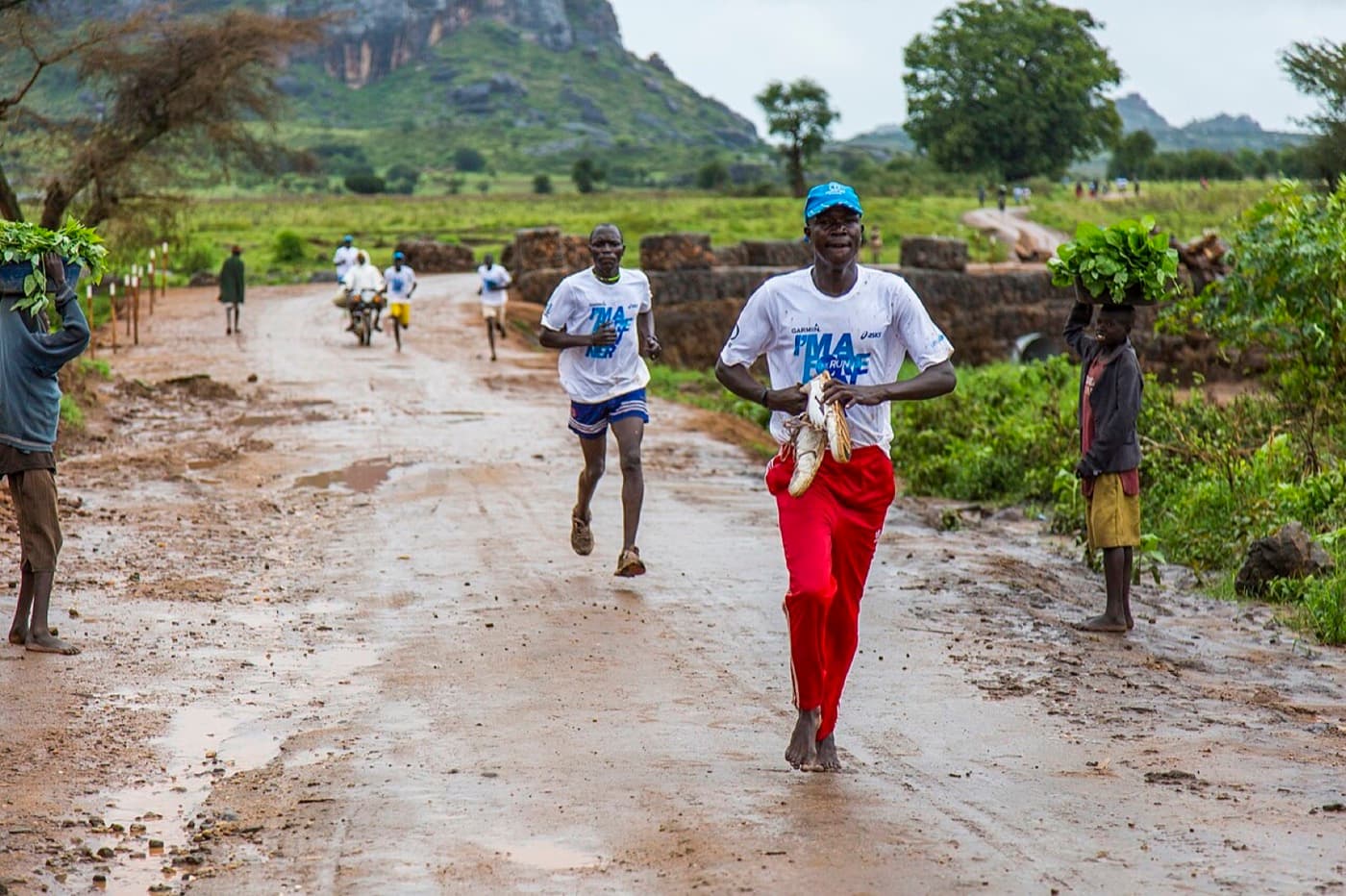
Running
The most accessible endurance sport — no venue, just shoes and the open road or trail.
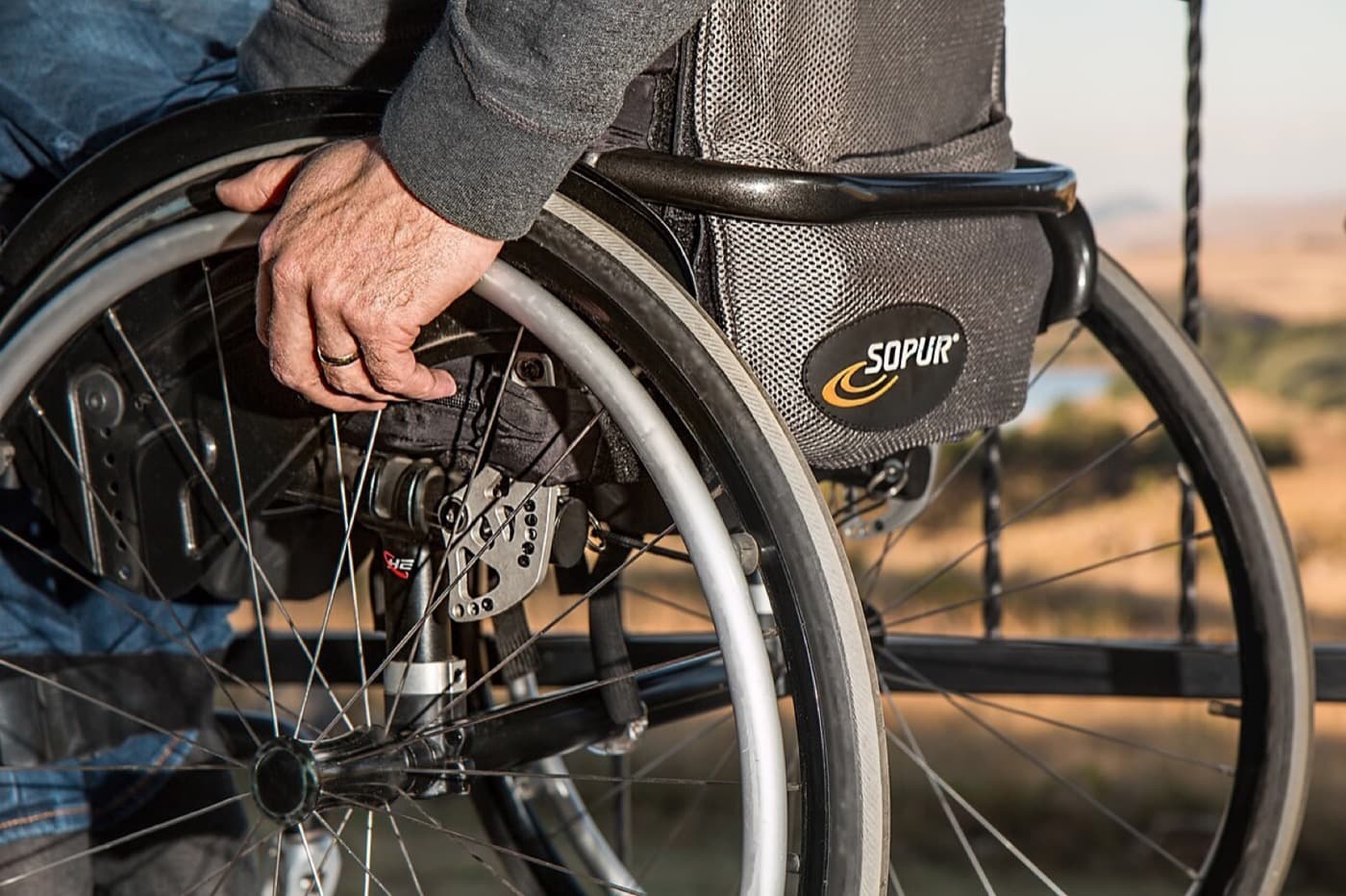
Cycling
A low-impact endurance sport that doubles as transport, exercise and adventure.
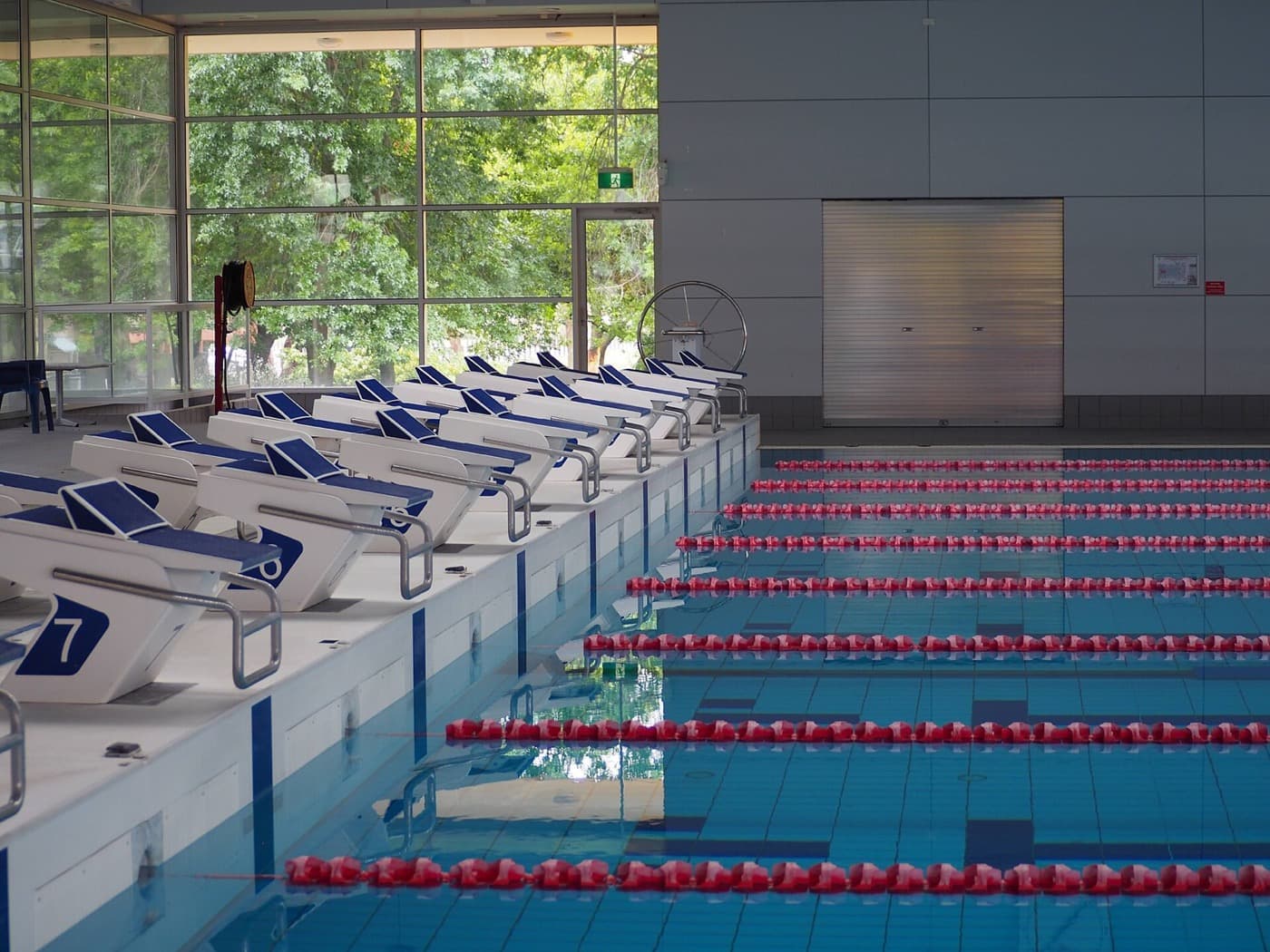
Swimming
A full-body, low-impact endurance sport suitable for almost every age and ability.
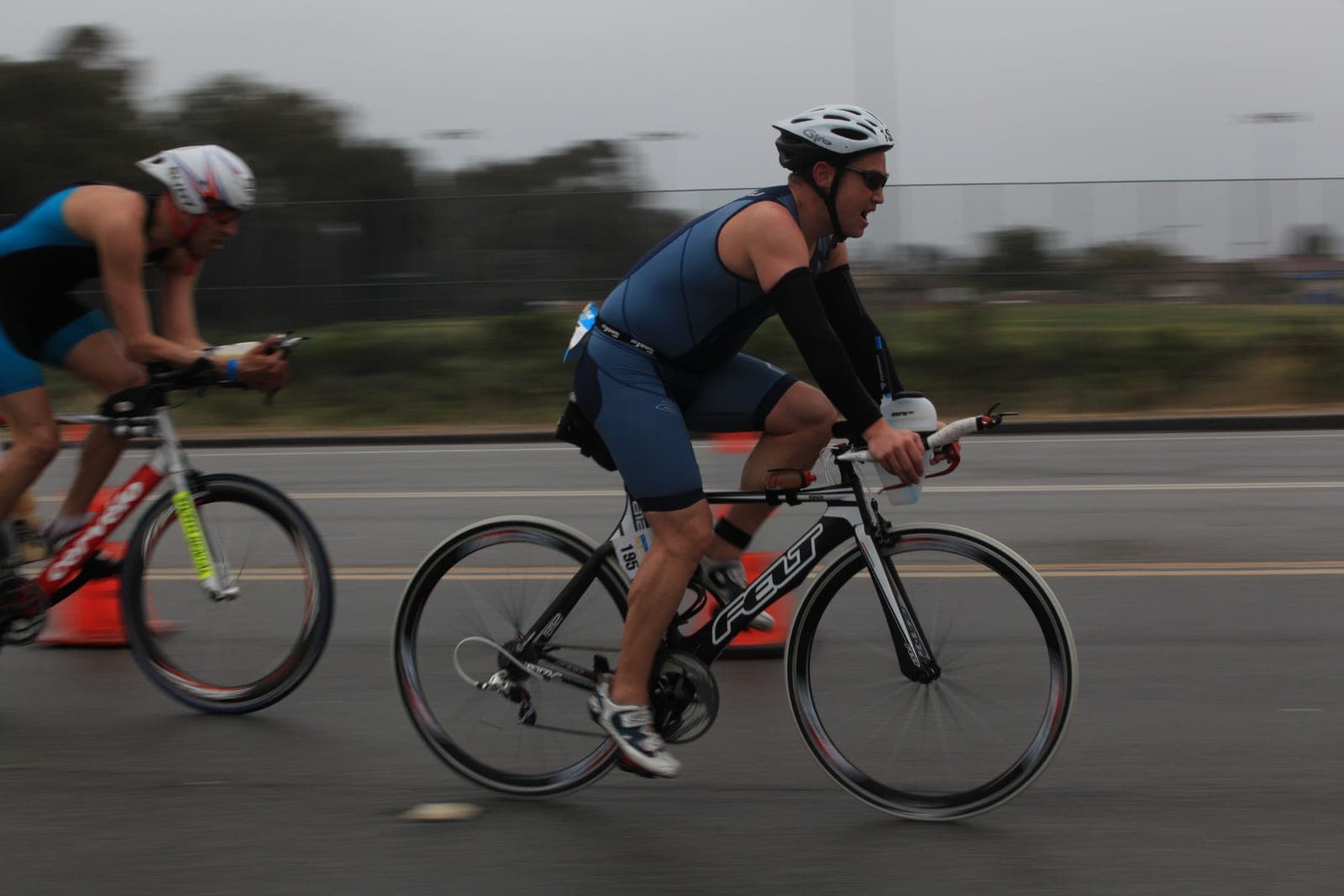
Triathlon
A multi-sport endurance event that links swimming, cycling and running into one continuous race.
Related skills
Breathing
The skill of controlling the breath rhythmically to sustain effort and stay relaxed.
Front crawl
The fastest swimming stroke, using alternating arm pulls and a flutter kick while face-down.
Breaststroke
A swimming stroke using a symmetrical arm sweep and a frog-like kick, with the head lifting to breathe.
How it connects
The meaning-bearing relationships that place Pacing in the wider knowledge graph — each one with the reason it exists.
Progresses to
The next step in a curated learning order.
Frequently learned together
Taught side by side in the same stage of a learning path.
- BreathingBoth are taught in the “Learn the core skills” stage of the Running learning path.
- SprintingBoth are taught in the “Learn the core skills” stage of the Running learning path.
- Running formBoth are taught in the “Learn the core skills” stage of the Running learning path.
- PedallingBoth are taught in the “Learn the core skills” stage of the Cycling learning path.
- Bike handlingBoth are taught in the “Learn the core skills” stage of the Cycling learning path.
Part of
The wider grouping this belongs to.
Explore across the knowledge base
Follow the threads that connect Pacing to the rest of SocialSportHub.
Strategies
- Pacing and Energy ManagementPacing and energy management is the overarching plan for distributing a limited supply of physical effort across an event so you avoid fading early and finish strong.
- Controlling TempoControlling tempo is the strategy of dictating the pace and rhythm of play — speeding up or slowing down — to suit your strengths and unsettle opponents.
- Tapering and PeakingTapering and peaking is the strategy of easing training load before a key event so fitness stays high while fatigue clears, timing peak form for the day itself.
Playing surfaces
- Synthetic trackAn all-weather rubberised athletics running surface — firm, springy and high-grip — giving sprinters and distance runners fast, consistent, predictable footing.
- SnowCompacted or natural snow on slopes and trails — a low-friction surface built for gliding, where skis, boards and runners slide fast over frozen ground.
Training methods
- Tempo TrainingTempo training holds a firm, controlled 'comfortably hard' pace for a sustained stretch, teaching the body to sustain effort without tipping into a sprint.
- Steady-State CardioSteady-state cardio means holding one comfortable, continuous pace for the whole session, building an aerobic base without the peaks of interval work.
Learning paths
- Learn RunningA structured, educational learning path for running — from the rules to skills, techniques, tactics and training.
- Learn CyclingA structured, educational learning path for cycling — from the rules to skills, techniques, tactics and training.
- Learn SwimmingA structured, educational learning path for swimming — from the rules to skills, techniques, tactics and training.
- Learn TriathlonA structured, educational learning path for triathlon — from the rules to skills, techniques, tactics and training.
Go deeper with Pacing
Everywhere else on the platform that covers Pacing — assembled from what actually references it, so nothing here is a dead end.
Learn it
Structured courses and paths on the platform that cover this directly.
How this page is maintained
- Content type
- Skill
- Provenance
- Tier A — evergreen educational
- Verified external sources
- 0
- Content updated
- 2026-09-12
Evergreen, first-party explanation — it makes no claim that needs an external source. How we handle sources and reviews.