
Wetsuit
A close-fitting neoprene suit that keeps the wearer warm in cold water.

Overview
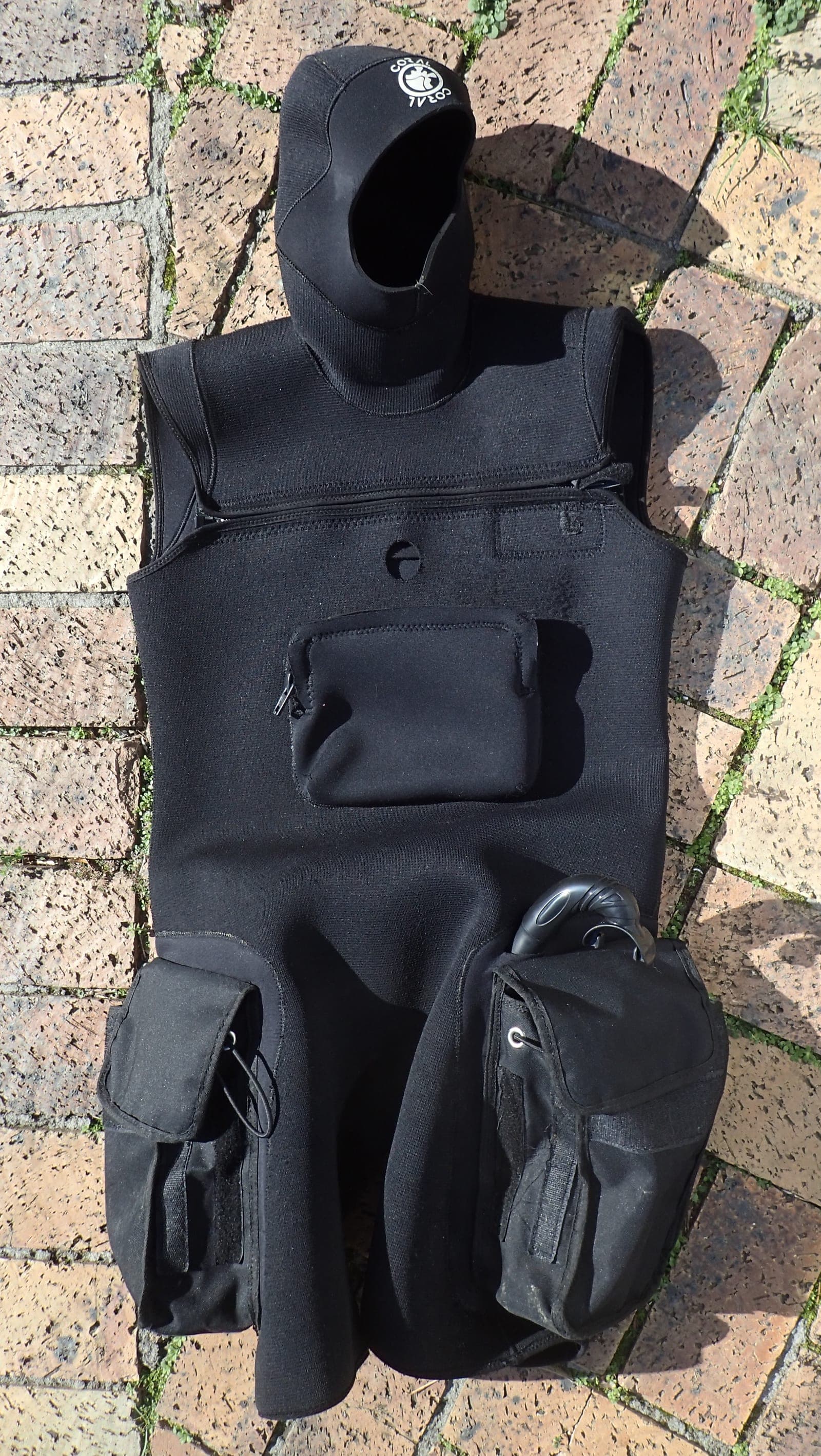
A wetsuit is a snug suit made of neoprene that insulates through trapped gas bubbles in its foam and limits the flushing of cold water against the skin, helping keep the wearer comfortable in cold water. The stretchy material moves with the body.
Wetsuits come in different thicknesses and cuts for surfing, diving and open-water swimming, with warmer conditions calling for thinner suits or short styles.
Good to know
- Neoprene foam insulates and limits cold-water flushing.
- Thickness is chosen to match the water temperature.
- Cuts range from full-length suits to short styles.
Where it’s used
Sports that use wetsuit:
Surfing
An ocean board sport of paddling into waves and riding them toward shore, balancing skill and reading the sea.
Scuba Diving
An underwater sport using breathing equipment to explore beneath the surface, always learned through qualified training.
Open-Water Swimming
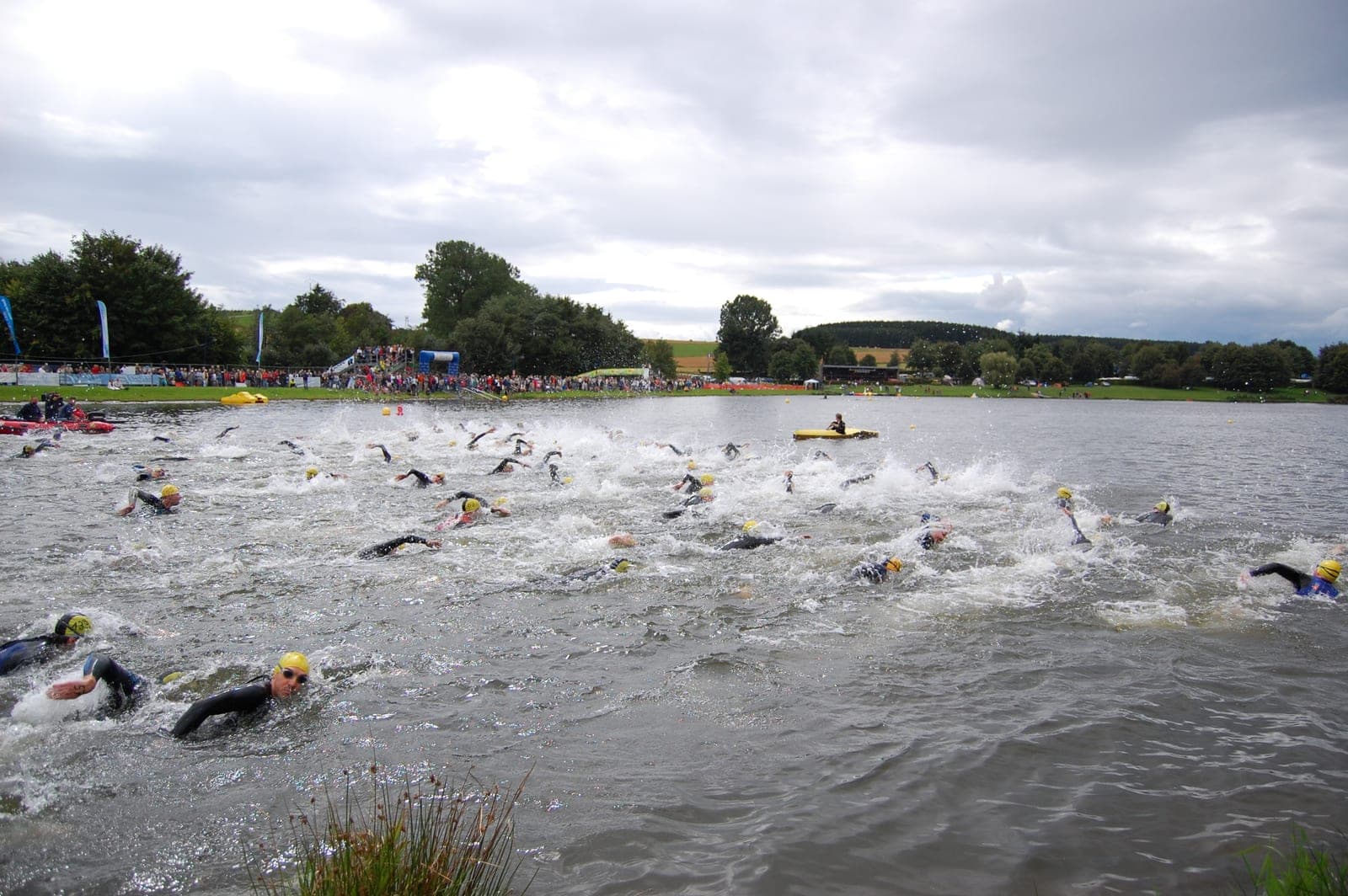
Swimming in lakes, rivers and the sea, blending endurance training with the experience of being out in nature.

Triathlon
A multi-sport endurance event that links swimming, cycling and running into one continuous race.
How it connects
The meaning-bearing relationships that place Wetsuit in the wider knowledge graph — each one with the reason it exists.
Frequently learned together
Taught side by side in the same stage of a learning path.
- Running shoesBoth are taught in the “What you’ll need” stage of the Triathlon learning path.
- Cycling shoesBoth are taught in the “What you’ll need” stage of the Triathlon learning path.
- Swimming gogglesBoth are taught in the “What you’ll need” stage of the Triathlon learning path.
- Road bikeBoth are taught in the “What you’ll need” stage of the Triathlon learning path.
- Road (Tarmac / Asphalt)Both are taught in the “What you’ll need” stage of the Triathlon learning path.
Used with
Turns up alongside this across the same sports.
Explore across the knowledge base
Follow the threads that connect Wetsuit to the rest of SocialSportHub.
Playing surfaces
- Road (Tarmac / Asphalt)Paved tarmac or asphalt: a firm, smooth, predictable surface that rewards steady pace and rhythm — the ground for road running, cycling and race-walking.
- WaterThe medium for aquatic sport — pool or open water that supports the body with buoyancy and resists movement with drag rather than giving footing.
Learning paths
Disciplines
- Standard (Olympic) DistanceStandard, or Olympic, distance triathlon pairs a 1.5 km swim, 40 km bike, and 10 km run, and is the format contested at the Olympic Games.
- Middle Distance (70.3)Middle distance triathlon, widely known as 70.3, covers a 1.9 km swim, 90 km bike, and a 21.1 km half-marathon run.
- Long Distance (Ironman)Long distance triathlon, popularly known as Ironman, covers a 3.8 km swim, 180 km bike, and a 42.2 km marathon run.
- ShortboardShortboard surfing uses a small, light, maneuverable board built for quick turns, steep drops, and performance surfing on the wave face.
- LongboardLongboard surfing uses a long, high-volume board known for smooth glide, easy wave-catching, and a traditional style that includes walking the board and noseriding.
Lifestyle
- In winterCold-weather sport — snow activities, indoor training and warm-up-first sessions for short, chilly days.
- MorningFitting activity into your morning, from an early run to a gentle stretch, to start the day moving.
- In summerWarm-weather sport — water activities, early-morning sessions and outdoor games that make the most of long days.
Go deeper with Wetsuit
Everywhere else on the platform that covers Wetsuit — assembled from what actually references it, so nothing here is a dead end.
Learn it
Structured courses and paths on the platform that cover this directly.
Take it away
Open data and the whole-platform view of this subject.
How this page is maintained
- Content type
- Equipment
- Provenance
- Tier A — evergreen educational
- Verified external sources
- 0
- Content updated
- 2026-09-12
Evergreen, first-party explanation — it makes no claim that needs an external source. How we handle sources and reviews.