
Horse Riding
Partnership, balance and time in the saddle

Overview
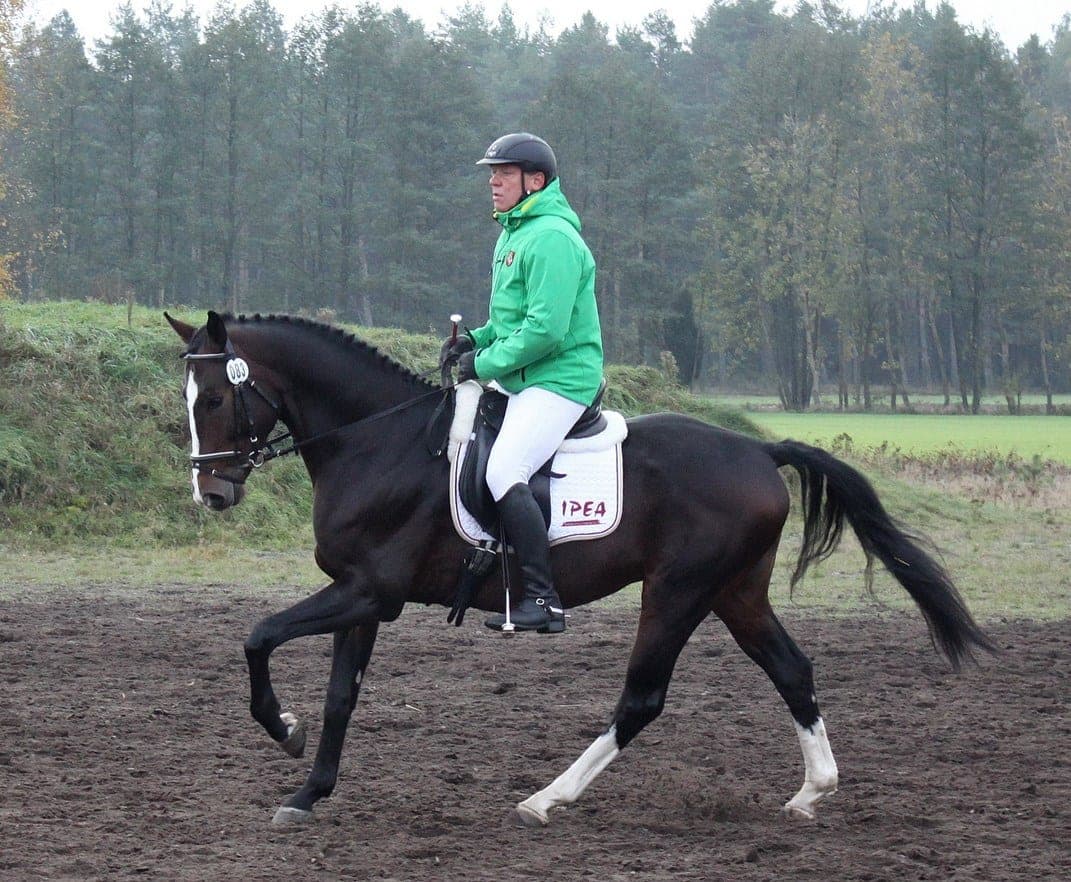
Horse riding, or equestrianism, involves riding and handling a horse across a range of disciplines — from gentle hacks through the countryside to schooling in an arena and jumping. The rider uses balance, posture and subtle signals to communicate with the horse, so much of the skill lies in the partnership between the two.
It engages the whole body in a way that is easy to underestimate, as staying balanced and moving with the horse works the core and legs continuously. Because riding means working with a large, living animal, lessons with a qualified instructor, a well-matched horse and proper safety gear are the standard, sensible way to start.
Why horse riding is good for your health
- Engages the core and legs to maintain balance and posture
- Improves balance, coordination and body awareness
- Builds steady strength and stability through the riding position
- Time outdoors and working with an animal can support wellbeing
The social side
- Riding schools and stables offer a friendly, community feel
- Group lessons and hacks make it a sociable way to learn
- Caring for and being around horses builds shared routines and bonds
How to start as a beginner
- 1Book lessons at a reputable riding school with qualified instructors
- 2Wear a properly fitted riding helmet and suitable footwear
- 3Start with the basics of mounting, position and gentle walking
- 4Progress at the yard’s guidance as your balance and confidence grow
Equipment you’ll need
- A properly fitted riding helmetEssentialEssential safety equipment from the very first lesson
- Boots with a small heelEssentialHelps keep the foot secure in the stirrup
- Comfortable, flexible trousersEssential
- Gloves and a body protectorOptional
Where to play
Horse Riding is typically played at:
Explore clubs and venues to understand the different places you can play, or see how to find people to play with.
Playing Horse Riding
The equipment, rules, skills and more that make up the game — each cross-linked into the encyclopedia.
Related sports to explore
If you enjoy Horse Riding, you might also like these.
Hiking
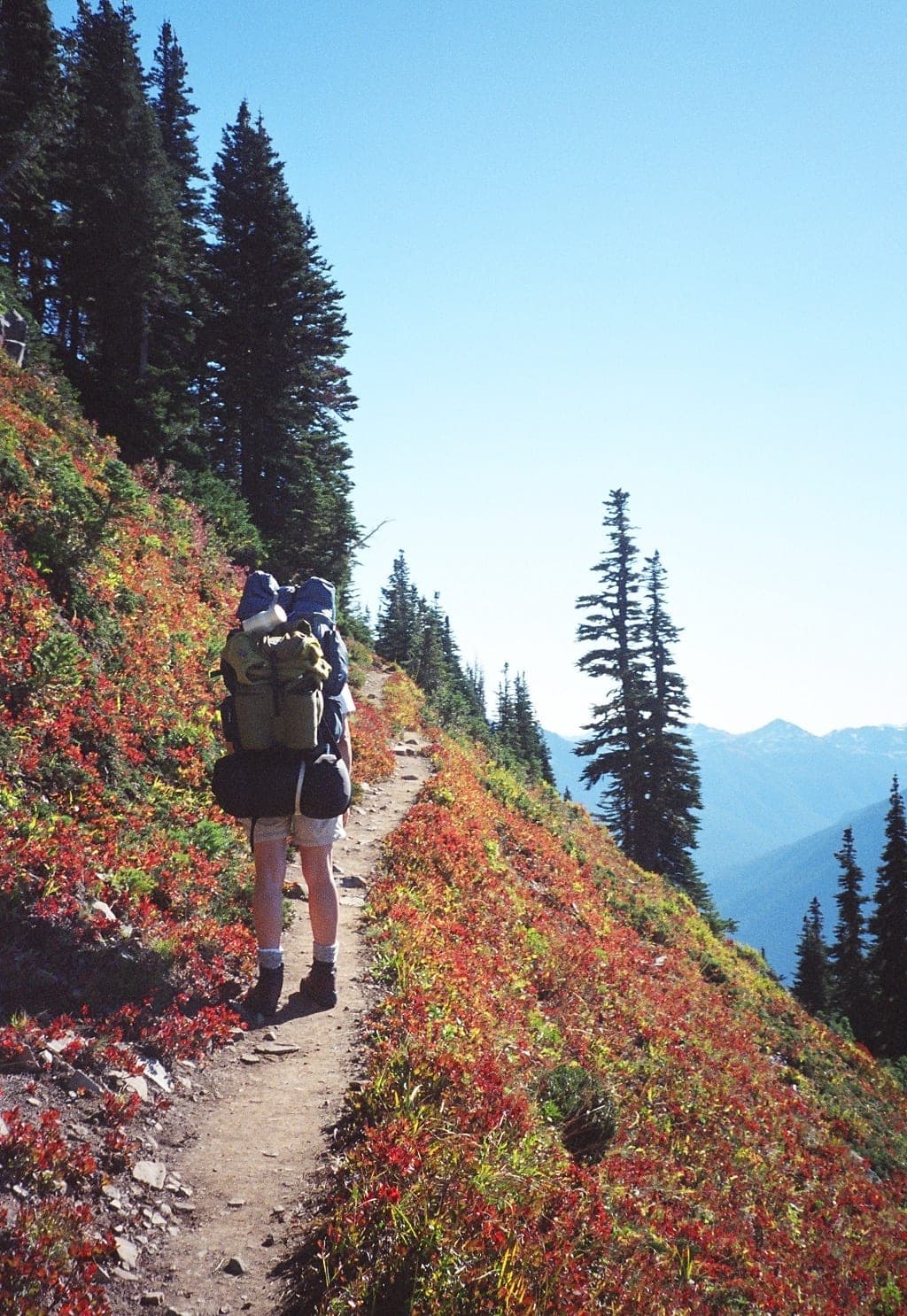
An accessible outdoor sport of walking natural trails and hills at your own pace, solo or in a group.
Archery
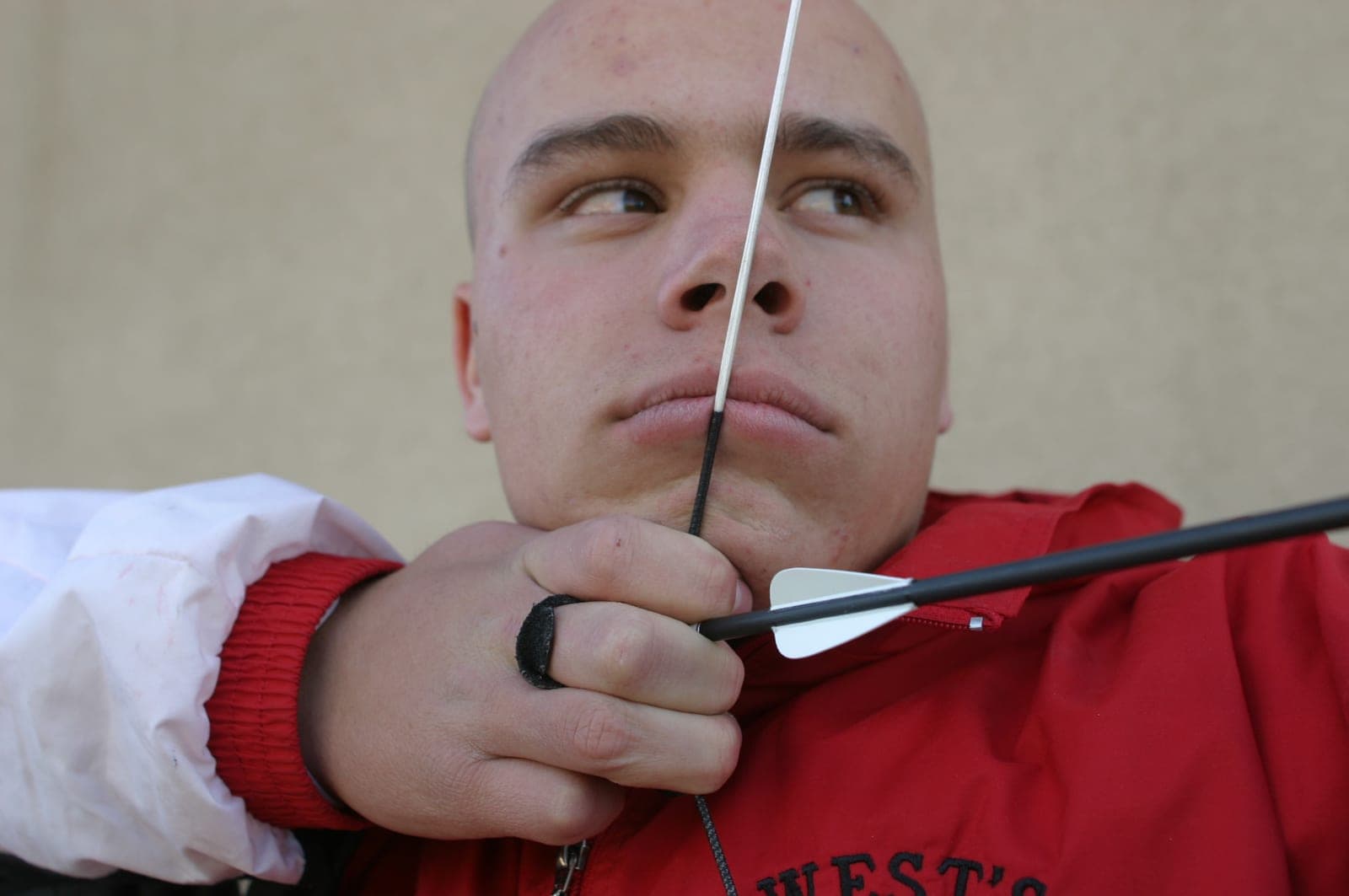
A precision target sport of drawing a bow and aiming at a target, rewarding focus, control and a steady hand.
Orienteering
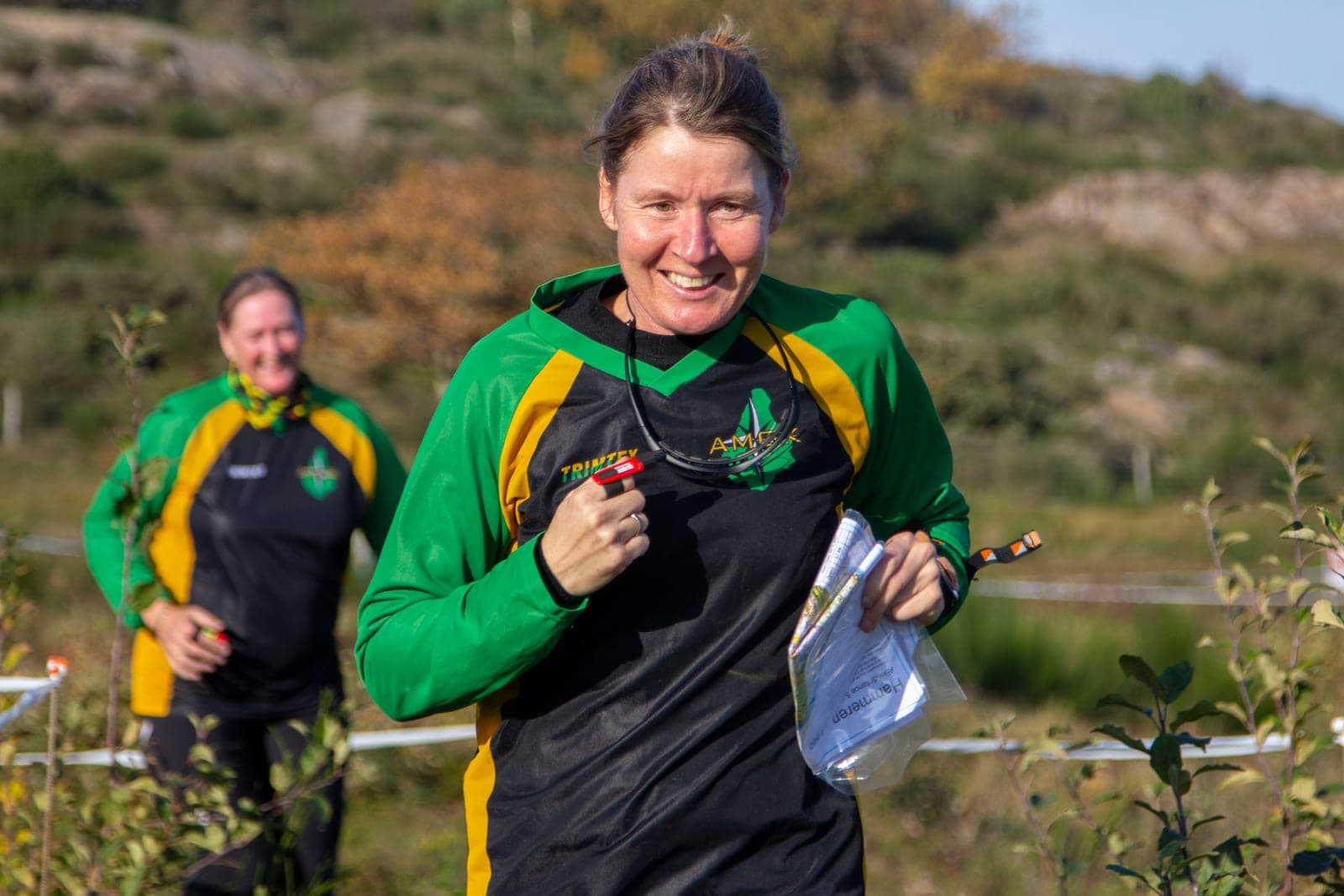
A navigation sport that combines running or walking with map-reading to find a series of checkpoints.
Mountain Biking
An off-road cycling sport ridden on rugged trails, mixing endurance, bike handling and outdoor adventure.
Compare Horse Riding with…
Deciding between Horse Riding and something similar? See how they line up side by side.
Archery vs Horse Riding
How they compare on difficulty, intensity, kit and what suits you.
Golf vs Horse Riding
How they compare on difficulty, intensity, kit and what suits you.
Hiking vs Horse Riding
How they compare on difficulty, intensity, kit and what suits you.
Horse Riding vs Mountain Biking
How they compare on difficulty, intensity, kit and what suits you.
Horse Riding vs Orienteering
How they compare on difficulty, intensity, kit and what suits you.
How it connects
The meaning-bearing relationships that place Horse Riding in the wider knowledge graph — each one with the reason it exists.
Alternative to
Comparable enough that people choose between them.
- ArcheryHorse Riding and Archery are close enough that the platform maintains a side-by-side comparison of them.
- GolfHorse Riding and Golf are close enough that the platform maintains a side-by-side comparison of them.
- HikingHorse Riding and Hiking are close enough that the platform maintains a side-by-side comparison of them.
- Mountain BikingHorse Riding and Mountain Biking are close enough that the platform maintains a side-by-side comparison of them.
- OrienteeringHorse Riding and Orienteering are close enough that the platform maintains a side-by-side comparison of them.
Explore across the knowledge base
Follow the threads that connect Horse Riding to the rest of SocialSportHub.
Skills Academy
Glossary
- Core StabilityThe ability of the trunk muscles to control the position and movement of the torso, providing a stable base for the limbs.
- BalanceThe ability to control the body's position by keeping its centre of gravity over the base of support, whether still or moving.
- Racket String TensionThe tightness at which a racket's strings are strung, usually measured in pounds or kilograms, which shapes the balance between power and control.
Go deeper with Horse Riding
Everywhere else on the platform that covers Horse Riding — assembled from what actually references it, so nothing here is a dead end.
Compare it
Head-to-head studies against the entities people actually weigh it against.
- Horse Riding vs ArcherySide by side on the qualities that differ.
- Horse Riding vs GolfSide by side on the qualities that differ.
- Horse Riding vs HikingSide by side on the qualities that differ.
- Horse Riding vs Mountain BikingSide by side on the qualities that differ.
- Horse Riding vs OrienteeringSide by side on the qualities that differ.
Kit it out
Equipment guidance drawn from the graph, with no brands and no affiliate links.
Take it away
Open data and the whole-platform view of this subject.
How this page is maintained
- Content type
- Sport
- Provenance
- Tier A — evergreen educational
- Verified external sources
- 0
- Content updated
- 2026-07-06
Evergreen, first-party explanation — it makes no claim that needs an external source. How we handle sources and reviews.
Keep going
A sport is most rewarding alongside good habits, sensible nutrition and people to share it with. Here is where to go next.
How movement supports body and mind.
Eat well to feel and perform better.
Build routines that stick.
Ways to meet others and play together.
Where to play and what to expect.
Browse the full list by category.