
Learn Tennis
A clear, structured way to learn tennis — what to focus on first, and how it all fits together. Self-paced and educational.
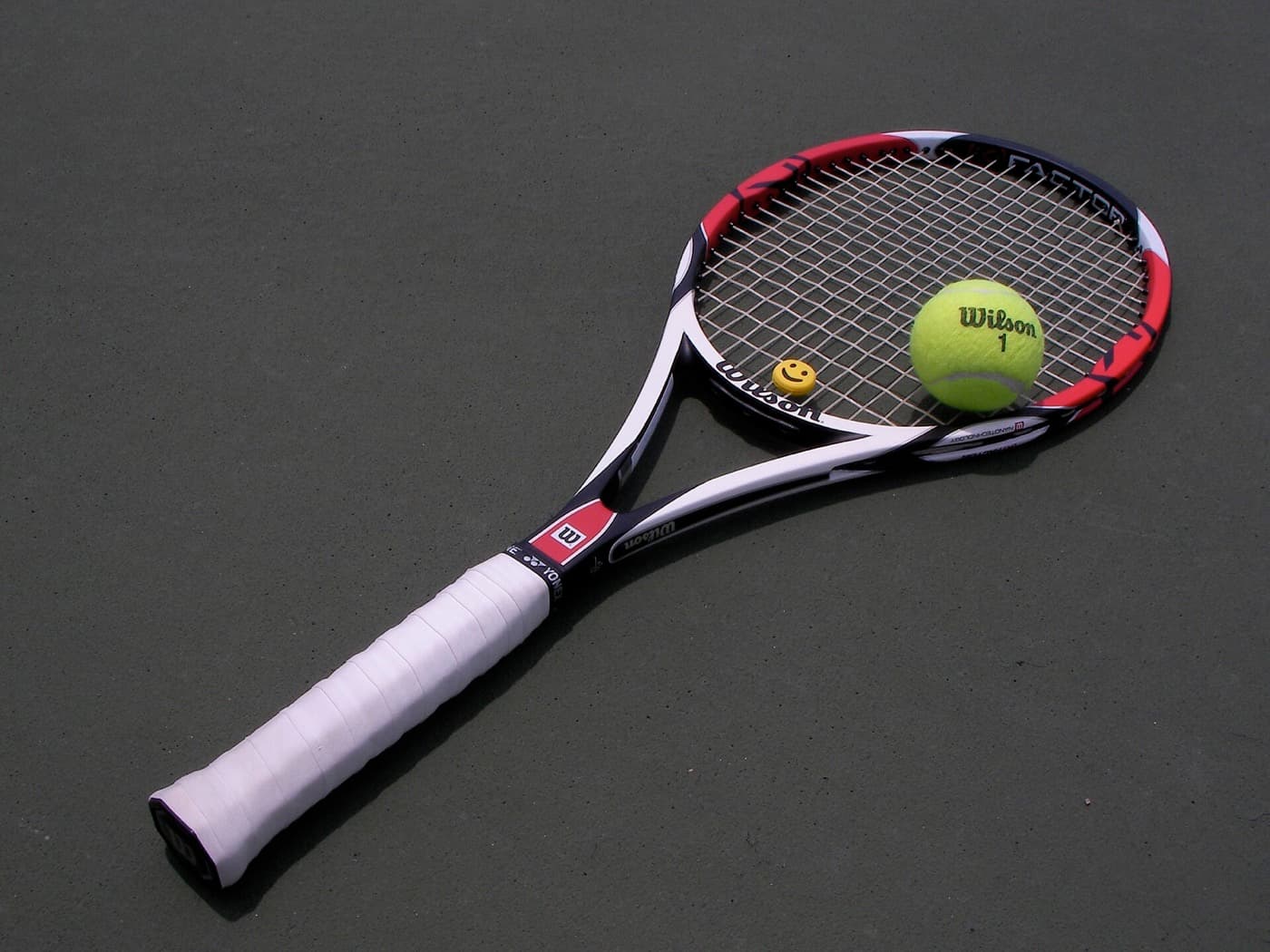

Tennis is played one-on-one (singles) or two-on-two (doubles) on a rectangular court divided by a net. Players rally by hitting a ball over the net and inside the lines, scoring points when an opponent cannot return it fairly.
This path walks through the sport in a sensible order — from understanding the game to training for it. Work through it at your own pace; every step links to a clear guide.
Get to know the game
Start with how the sport works — the basic rules and how it is scored. A few minutes here saves confusion later.
Milestone: You can explain the aim of the game, its basic rules and how it is scored.
What you’ll need
The essential equipment, and the kind of place you’ll play. Most sports need far less to get started than people expect.
Milestone: You know what equipment you need to start and the kind of place the sport is played.
Learn the core skills
The fundamental skills the sport is built on. These are what to practise first — everything else builds on them.
Milestone: You can name the core skills and know which ones to practise first.
Build your technique
How specific movements and shots are performed. Learn these once the basics feel comfortable, one at a time.
Milestone: You understand how the key techniques are performed and when they are used.
Understand tactics & strategy
How the game is actually played and thought about — the tactics and bigger-picture strategy that turn skills into a game.
Milestone: You can follow how the game is played tactically, not just physically.
Train your body for it
The physical qualities the sport asks for, and ways to build them. Educational — not a personalised plan.
Milestone: You know which physical qualities the sport asks for and, in general terms, how they are built.
Keep getting better
How improvement actually happens — the practice principles and the science beneath them apply to every sport.
Milestone: You understand how improvement actually happens and where to go deeper.
Where the path leads next
Once the fundamentals feel comfortable, these are the natural next steps — all educational, all self-paced.
Learn more deeply
The wider picture
A structured guide, not a coaching programme
More sports to learn
How it connects
The meaning-bearing relationships that place Learn Tennis in the wider knowledge graph — each one with the reason it exists.
Prepared by
The on-ramp people usually take before this.
Explore across the knowledge base
Follow the threads that connect Learn Tennis to the rest of SocialSportHub.
Beginner guides
- Your First Tennis Session: What to ExpectA friendly, honest look at what actually happens at your first tennis session — how it is usually run, what tends to surprise beginners, and how to turn up relaxed and ready to enjoy it.
- Your First Padel SessionA warm, honest look at what your very first padel session actually involves — the doubles court, the walls, and the easygoing rallying that makes it so welcoming to newcomers.
Sport categories
Glossary
- ServeThe shot that puts the ball or shuttlecock into play and starts a point in net and racquet sports.
- ForehandA stroke played with the palm of the hand moving in the direction of the shot, on the racquet-arm side of the body.
- BackhandA stroke played with the back of the hand facing the direction of the shot, on the opposite side to the racquet arm.
- VolleyStriking the ball before it bounces, whether with a racquet near the net or by kicking it out of the air in football.
- AgilityThe ability to rapidly change the body's speed or direction in response to a stimulus, combining quickness with in-the-moment decision-making.
Goals
Healthy living
How this page is maintained
- Content type
- Learning path
- Provenance
- Tier A — evergreen educational
- Verified external sources
- 0
- Content updated
- 2026-09-12
Evergreen, first-party explanation — it makes no claim that needs an external source. How we handle sources and reviews.
Ready to start tennis?
Follow the path, or jump straight into the full sport guide whenever you like.