
Archery
Focus, steady aim and a calm release
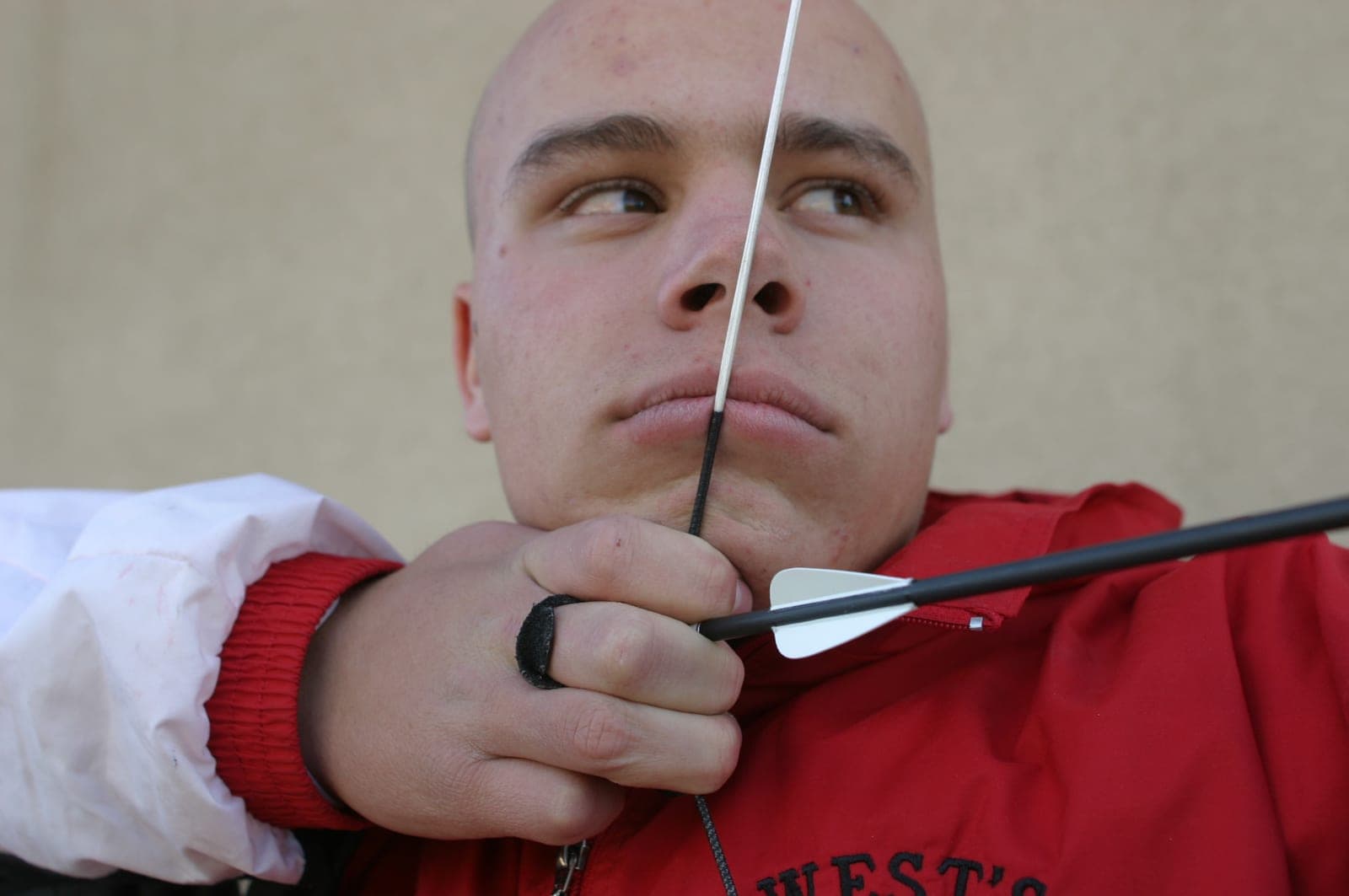

Overview
Archery is a precision sport in which the archer draws a bow and releases an arrow toward a target, aiming to group shots as close to the centre as possible. It rewards a calm, repeatable routine — a consistent stance, draw and release matter far more than strength.
It can be practised on an indoor range or an outdoor field, and it suits a wide range of ages and abilities because the focus is on control rather than power. As archery involves equipment that must be handled carefully, learning under qualified instruction on a proper range is the safe and standard way to begin.
Why archery is good for your health
- Builds upper-body and back strength through drawing the bow
- Develops steadiness, control and fine coordination
- Encourages focus, patience and calm concentration
- Improves posture and core stability while holding position
The social side
- Clubs and ranges offer a welcoming, structured environment
- A quietly sociable sport shared between shots on the line
- Suitable for a wide range of ages to practise side by side
How to start as a beginner
- 1Book a beginners’ course at a club or range with qualified coaching
- 2Learn safe handling, a consistent stance and a smooth draw
- 3Start close to the target and focus on repeating the same routine
- 4Progress distance gradually as your form becomes reliable
Equipment you’ll need
- A bow suited to your size and drawEssentialClubs and ranges usually provide equipment to start
- ArrowsEssential
- An arm guard and finger tabEssentialProtects the forearm and fingers
- Comfortable, close-fitting clothingOptional
Where to play
Archery is typically played at:
Explore clubs and venues to understand the different places you can play, or see how to find people to play with.
Archery disciplines
Archery isn’t one thing — it takes several distinct forms, each with its own character. Explore the disciplines within it.
Playing Archery
The equipment, rules, skills and more that make up the game — each cross-linked into the encyclopedia.
Related sports to explore
If you enjoy Archery, you might also like these.
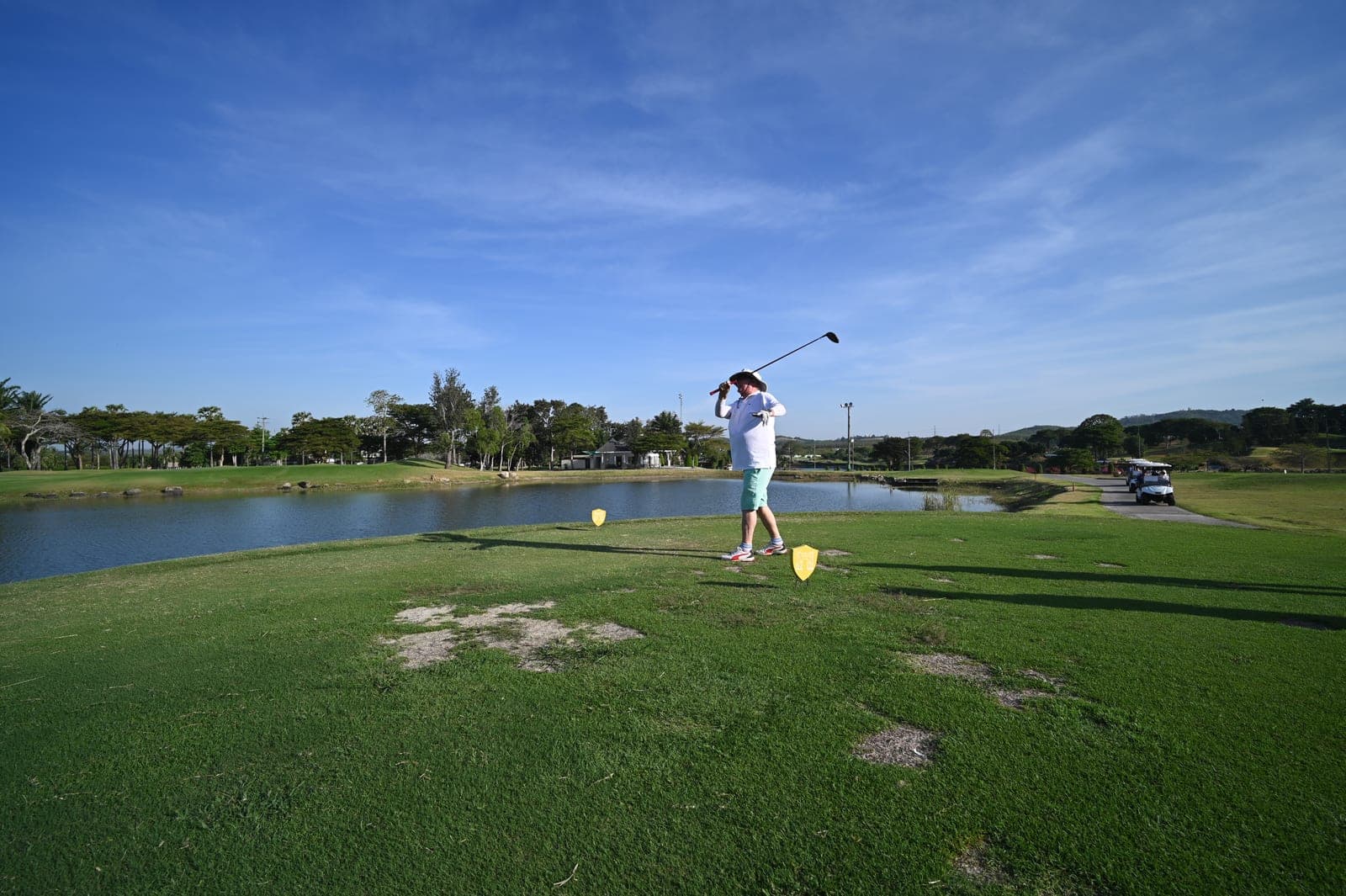
Golf
A precision target sport played across an outdoor course, blending skill, strategy and a long walk in the open air.
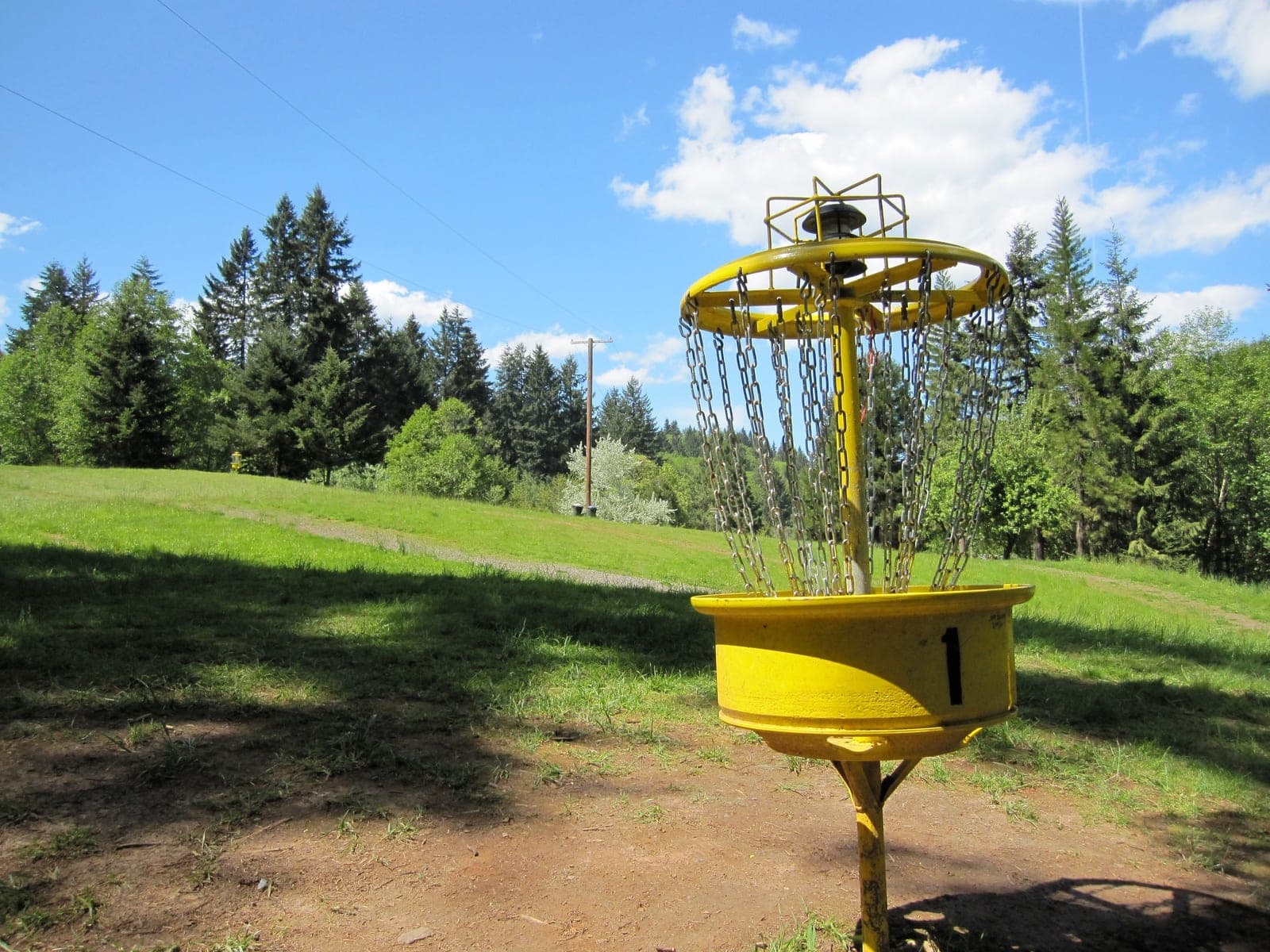
Disc Golf
A relaxed, low-cost target sport where players throw flying discs toward chain baskets across an outdoor course.
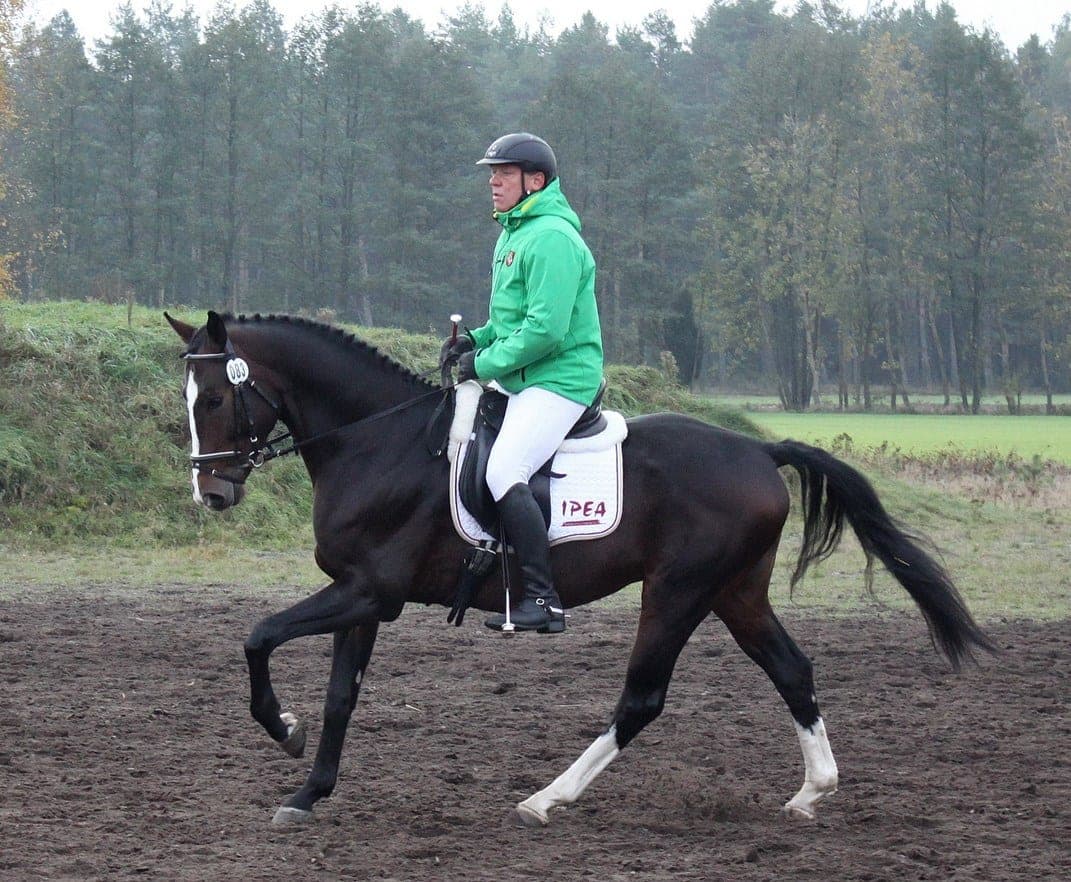
Horse Riding
An equestrian sport of riding and working with a horse, building balance, core control and a partnership with the animal.
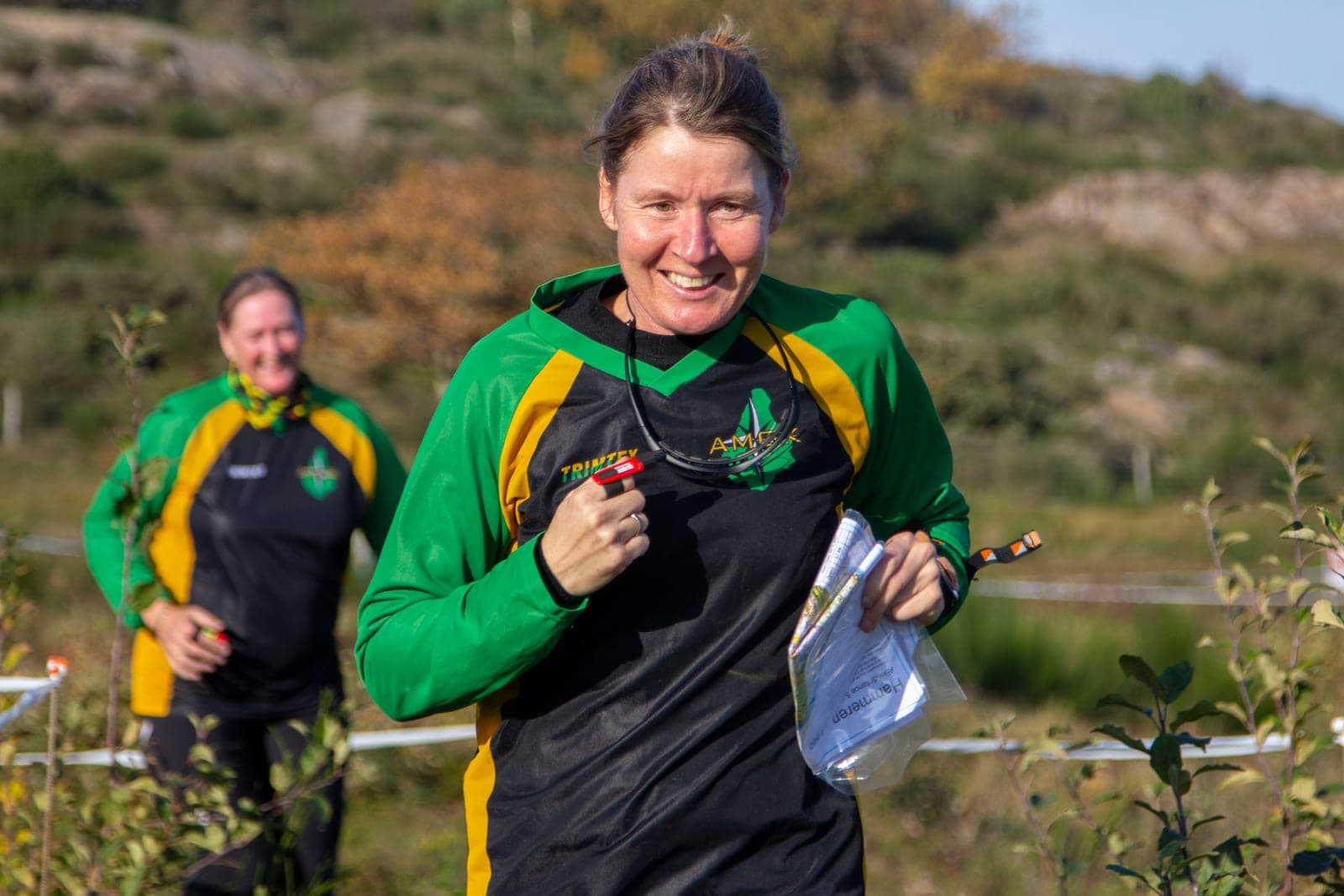
Orienteering
A navigation sport that combines running or walking with map-reading to find a series of checkpoints.
Compare Archery with…
Deciding between Archery and something similar? See how they line up side by side.
Archery vs Biathlon
How they compare on difficulty, intensity, kit and what suits you.
Archery vs Disc Golf
How they compare on difficulty, intensity, kit and what suits you.
Archery vs Golf
How they compare on difficulty, intensity, kit and what suits you.
Archery vs Horse Riding
How they compare on difficulty, intensity, kit and what suits you.
Archery vs Orienteering
How they compare on difficulty, intensity, kit and what suits you.
Reach your goals with Archery
People take up Archery for all kinds of reasons. Here is what it can help you work towards.
How it connects
The meaning-bearing relationships that place Archery in the wider knowledge graph — each one with the reason it exists.
Alternative to
Comparable enough that people choose between them.
- BiathlonArchery and Biathlon are close enough that the platform maintains a side-by-side comparison of them.
- Disc GolfArchery and Disc Golf are close enough that the platform maintains a side-by-side comparison of them.
- GolfArchery and Golf are close enough that the platform maintains a side-by-side comparison of them.
- Horse RidingArchery and Horse Riding are close enough that the platform maintains a side-by-side comparison of them.
- OrienteeringArchery and Orienteering are close enough that the platform maintains a side-by-side comparison of them.
Helps achieve
A recognised route towards these goals.
Explore across the knowledge base
Follow the threads that connect Archery to the rest of SocialSportHub.
Recommendations
- Recommended for “Build confidence”Sports, qualities, a learning path and first steps for “Build confidence” — every suggestion a real graph link, shown with its reason.
- Recommended for “Compete on your own”Sports, qualities, a learning path and first steps for “Compete on your own” — every suggestion a real graph link, shown with its reason.
Coaching concepts
- Deliberate PracticeFocused, effortful practice that targets a specific weakness with full attention and immediate feedback — not just repeating what you already do well.
- Repetition QualityThe attention and intent behind each repetition matter more than raw volume — focused, well-executed reps build skill faster than mindless numbers.
- Feedback and CueingFeedback from your senses, a coach, or video plus short instructional cues guide skill learning — including internal vs external focus of attention.
- Goal-Setting for PracticeSetting clear practice goals directs effort and makes progress visible — separating results-based outcome goals from controllable process goals.
Skills Academy
Glossary
- Serve-and-volleyA tennis tactic where the server follows their serve to the net, aiming to win the point with a quick volley.
- Hand-Eye CoordinationThe coordinated control of hand movement guided by visual information, used to track and act on a moving object.
- Counter-attackA quick attacking move made immediately after winning the ball back, aiming to catch the opposition out of position.
Movement patterns
- PullDrawing a load or your own body toward the torso — horizontal rows and vertical pull-ups — building the lats, mid-back and biceps and balancing the push.
- StrikeA ballistic, whole-body hitting action that channels ground-generated force through a proximal-to-distal kinetic chain to deliver momentum to a target via the hand, an implement or a body part at the moment of contact.
Go deeper with Archery
Everywhere else on the platform that covers Archery — assembled from what actually references it, so nothing here is a dead end.
Compare it
Head-to-head studies against the entities people actually weigh it against.
- Archery vs BiathlonSide by side on the qualities that differ.
- Archery vs Disc GolfSide by side on the qualities that differ.
- Archery vs GolfSide by side on the qualities that differ.
- Archery vs Horse RidingSide by side on the qualities that differ.
- Archery vs OrienteeringSide by side on the qualities that differ.
Kit it out
Equipment guidance drawn from the graph, with no brands and no affiliate links.
Take it away
Open data and the whole-platform view of this subject.
How this page is maintained
- Content type
- Sport
- Provenance
- Tier A — evergreen educational
- Verified external sources
- 0
- Content updated
- 2026-07-06
Evergreen, first-party explanation — it makes no claim that needs an external source. How we handle sources and reviews.
Keep going
A sport is most rewarding alongside good habits, sensible nutrition and people to share it with. Here is where to go next.
How movement supports body and mind.
Eat well to feel and perform better.
Build routines that stick.
Ways to meet others and play together.
Where to play and what to expect.
Browse the full list by category.