
Racket-sport skills
The core skills of racket sports — serving, returning, rallying and controlling the net.
Racket sports share a recognisable set of skills: putting the ball or shuttle into play with a serve, dealing with the opponent’s serve, sustaining a rally, and taking control at the net. The surface, court and implement change, but the underlying skills carry across tennis, badminton, table tennis and padel.
Footwork ties them all together — getting into position early is what makes every stroke easier. A good order is to build a reliable serve and return first, then rally consistency, then net skills.
The skills in this family
In a sensible order to learn them — open any skill for a clear, beginner-friendly guide.
- 1
Serving
The skill of putting the ball or shuttle into play to start a point or rally.
- 2
Returning serve
The skill of reading and playing back an opponent’s serve to stay in the rally.
- 3
Rallying
The skill of exchanging shots back and forth to build and win a point.
- 4
Net play
The skill of controlling points close to the net with volleys and touch shots.
- 5
Footwork
The skill of moving efficiently around the playing area to be in position for each shot or action.
Sports that use these skills
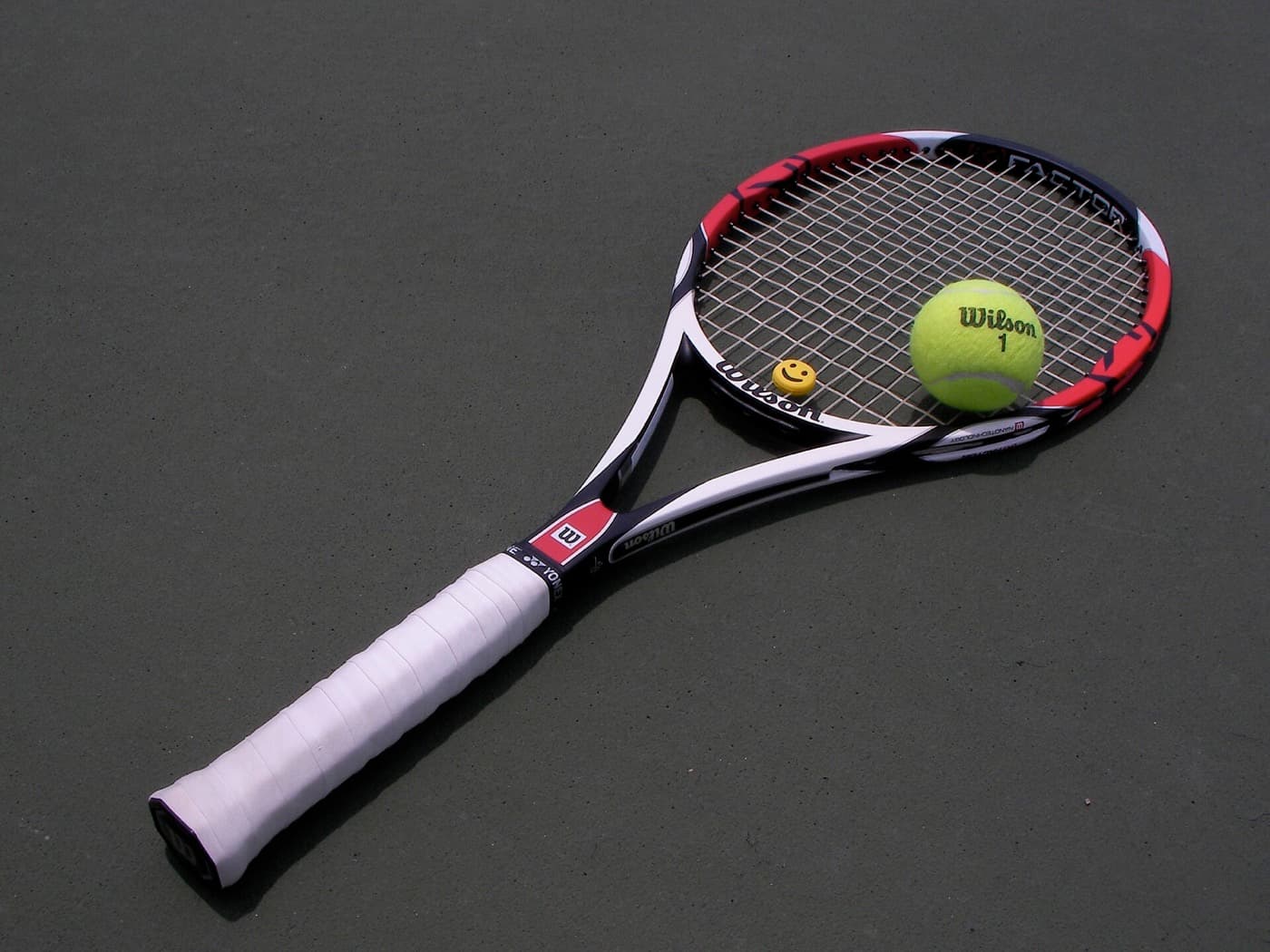
Tennis
A singles or doubles racquet sport that blends agility, strategy and stamina on court.
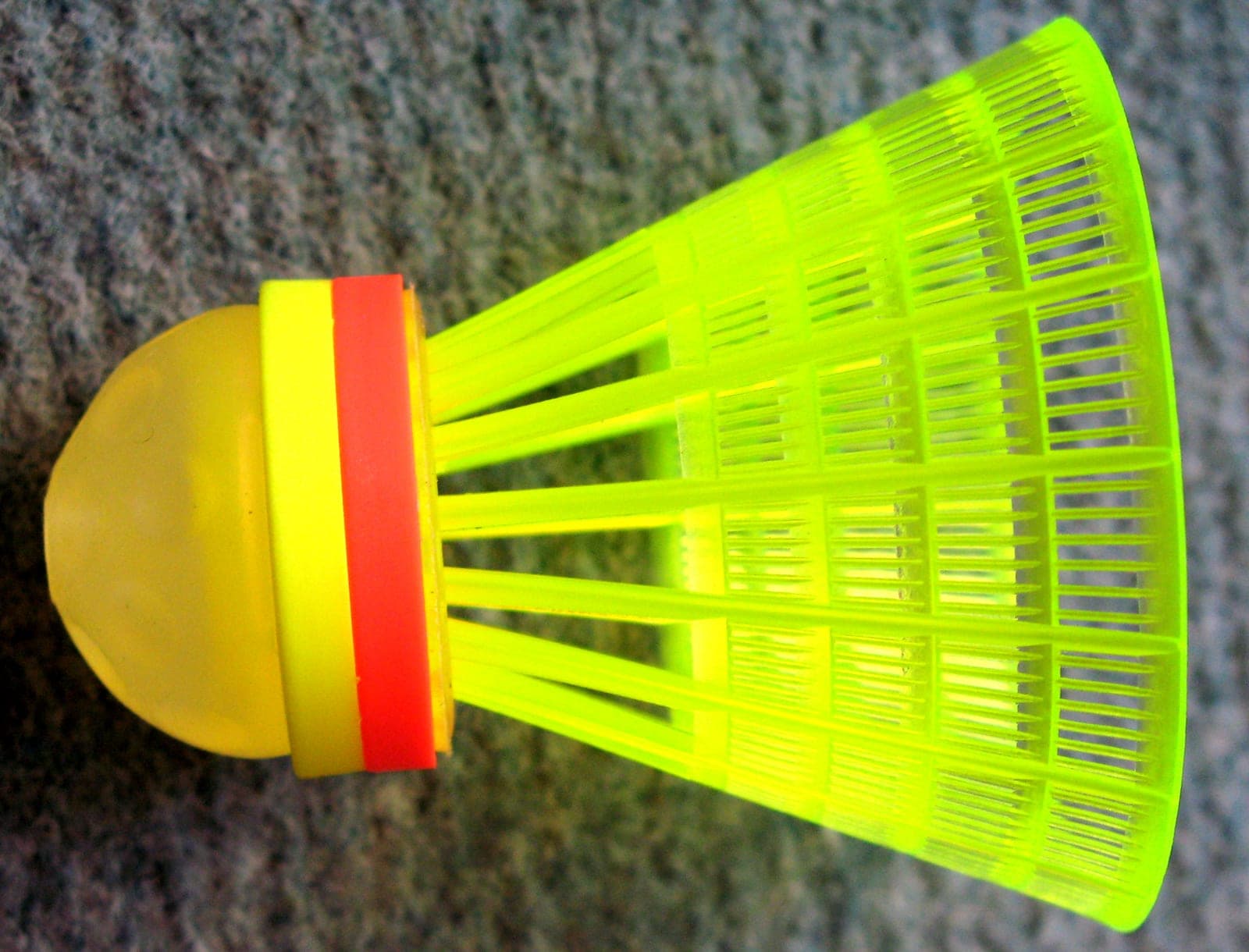
Badminton
A fast indoor racquet sport played with a shuttlecock that rewards agility and touch.
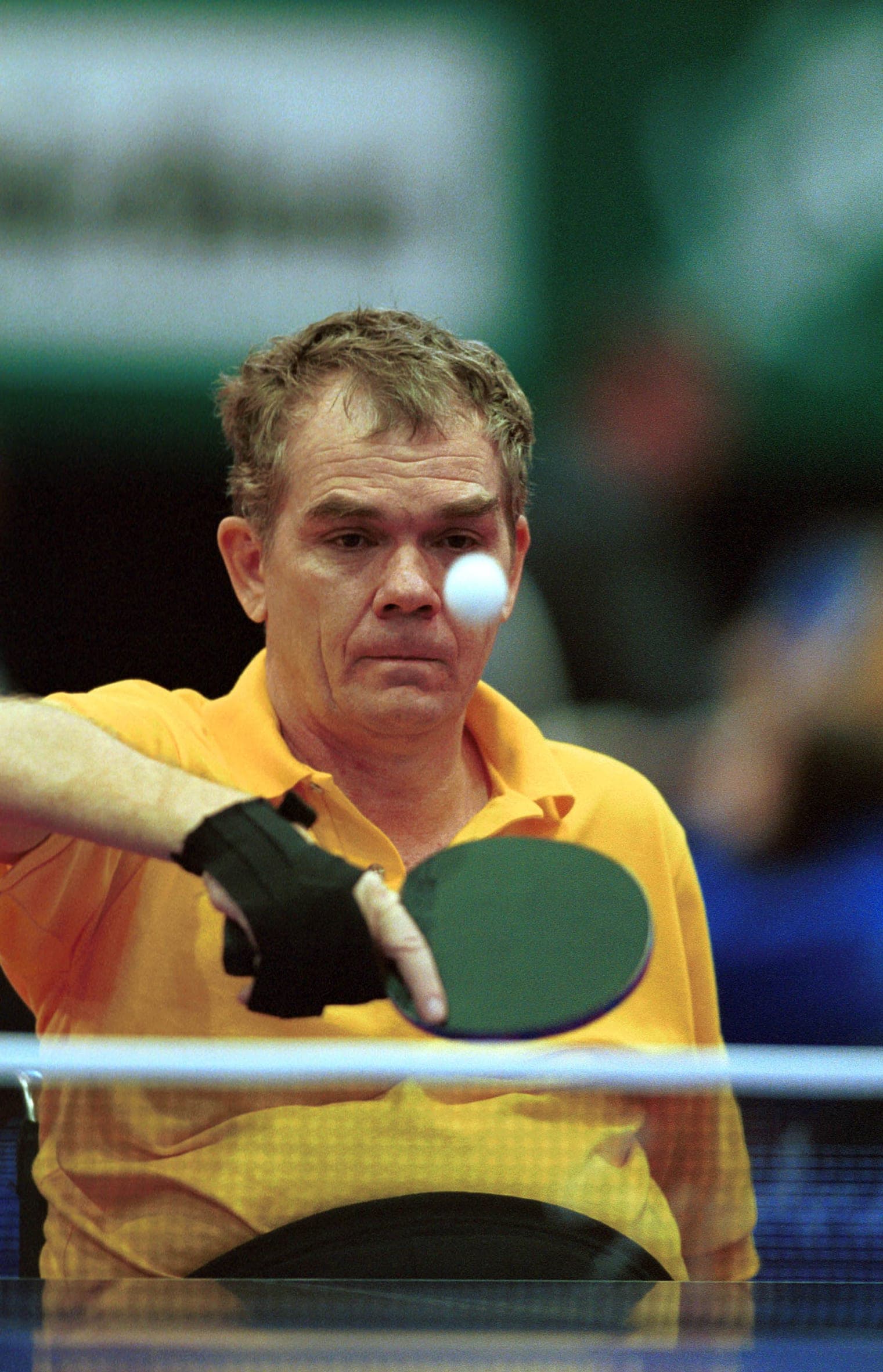
Table Tennis
A fast, low-impact indoor racquet sport that sharpens reflexes and is easy to start.
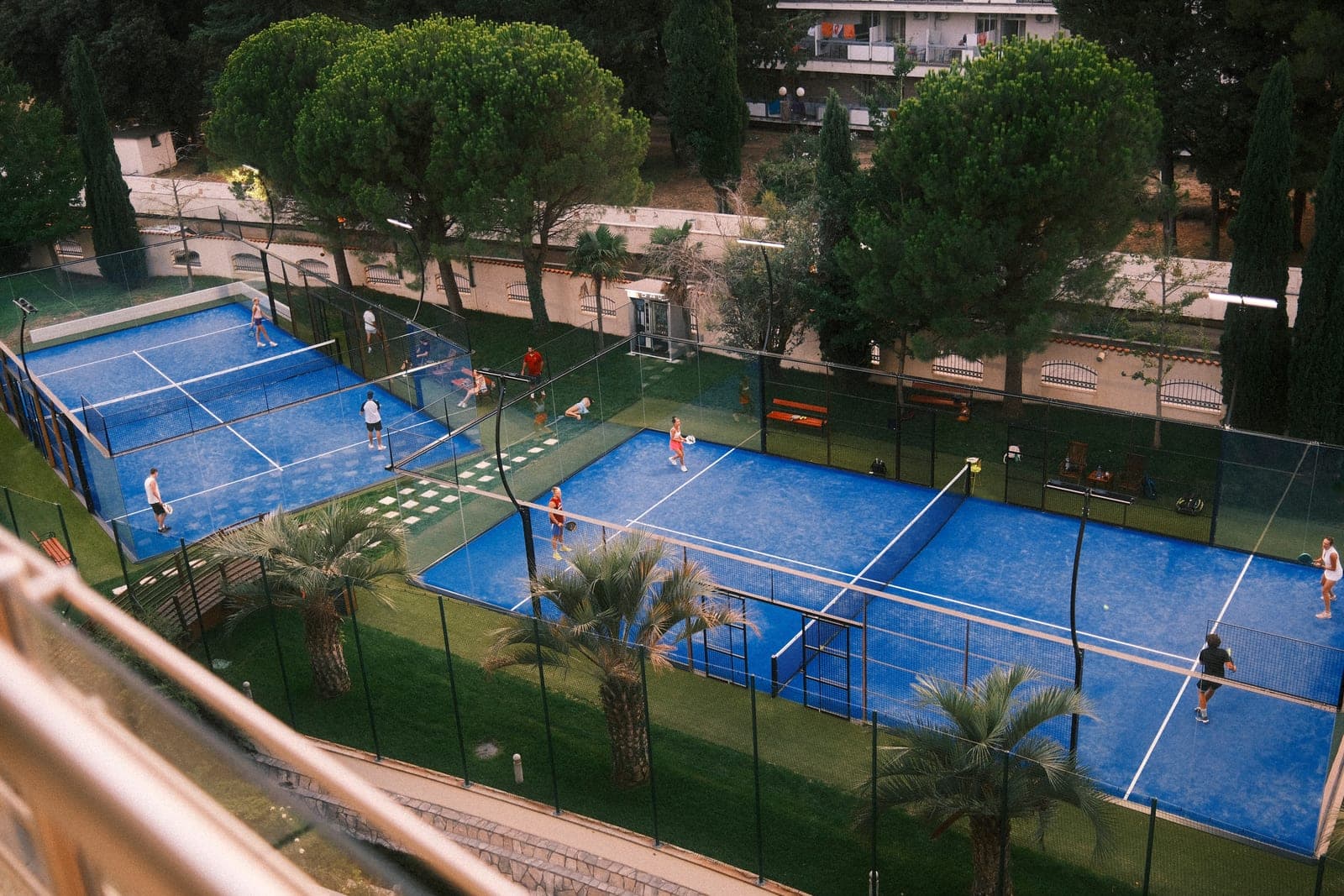
Padel
A sociable, doubles-first racquet sport played in an enclosed court where the walls stay in play.
Other skill collections
How it connects
The meaning-bearing relationships that place Racket-sport skills in the wider knowledge graph — each one with the reason it exists.
Broader than
A wider grouping that contains these.
- ServingServing is one of the 5 skills in the Racket-sport skills collection.
- Returning serveReturning serve is one of the 5 skills in the Racket-sport skills collection.
- RallyingRallying is one of the 5 skills in the Racket-sport skills collection.
- Net playNet play is one of the 5 skills in the Racket-sport skills collection.
- FootworkFootwork is one of the 5 skills in the Racket-sport skills collection.
Explore across the knowledge base
Follow the threads that connect Racket-sport skills to the rest of SocialSportHub.
Knowledge Atlas
Tactics
- Net playControlling the point from close to the net with volleys, smashes and touch shots to cut down an opponent’s time.
- Baseline playA patient tennis style built around rallying from the back of the court and constructing points with groundstrokes.
- Net position and the lobThe tactical core of padel — why the pair at the net wins most points, why the lob is the main weapon for taking that position, and how the walls make the exchange repeatable.
- Serve and volleyAn attacking tennis tactic where the server follows their serve to the net to finish the point with a volley.
- Doubles formationHow a pair positions itself on court — one up, one back, or both at the net — to control space in doubles.
Glossary
- Break PointIn tennis and similar sports, a point on which the receiver can win a game the opponent is serving.
- FaultA breach of the rules; in racket and net sports specifically, an illegal or failed service.
- SmashA powerful overhead shot hit sharply downward into the opponent’s side, usually to end the point.
- ServeThe shot that puts the ball or shuttlecock into play and starts a point in net and racquet sports.
- BaselineThe line marking the back boundary of a court, running parallel to the net or end wall.
Learning paths
- Learn BadmintonA structured, educational learning path for badminton — from the rules to skills, techniques, tactics and training.
- Learn TennisA structured, educational learning path for tennis — from the rules to skills, techniques, tactics and training.
- Learn Table TennisA structured, educational learning path for table tennis — from the rules to skills, techniques, tactics and training.
Rules
- Foot faultA serving fault called when the server's foot touches the baseline or court before striking the ball.
- Tennis serving rulesThe rules governing how a tennis point begins, including where the server stands and where the serve must land.
- LetA call that stops a point and has it replayed without penalty, used across several racket sports.
- Backcourt violationA basketball rule breach for returning the ball into a team's own defensive half after it has crossed into the attacking half.
- Badminton serve rulesThe rules for how a badminton serve must be delivered and where it must land.
How this page is maintained
- Content type
- Skill collection
- Provenance
- Tier A — evergreen educational
- Verified external sources
- 0
- Content updated
- 2026-07-12
Evergreen, first-party explanation — it makes no claim that needs an external source. How we handle sources and reviews.
A way to organise, not a ranking
Learn the family, then the sport
Understand a family of skills, then follow it into the sports and learning paths that use them.