
Skateboarding
Balance, flow and creative street movement
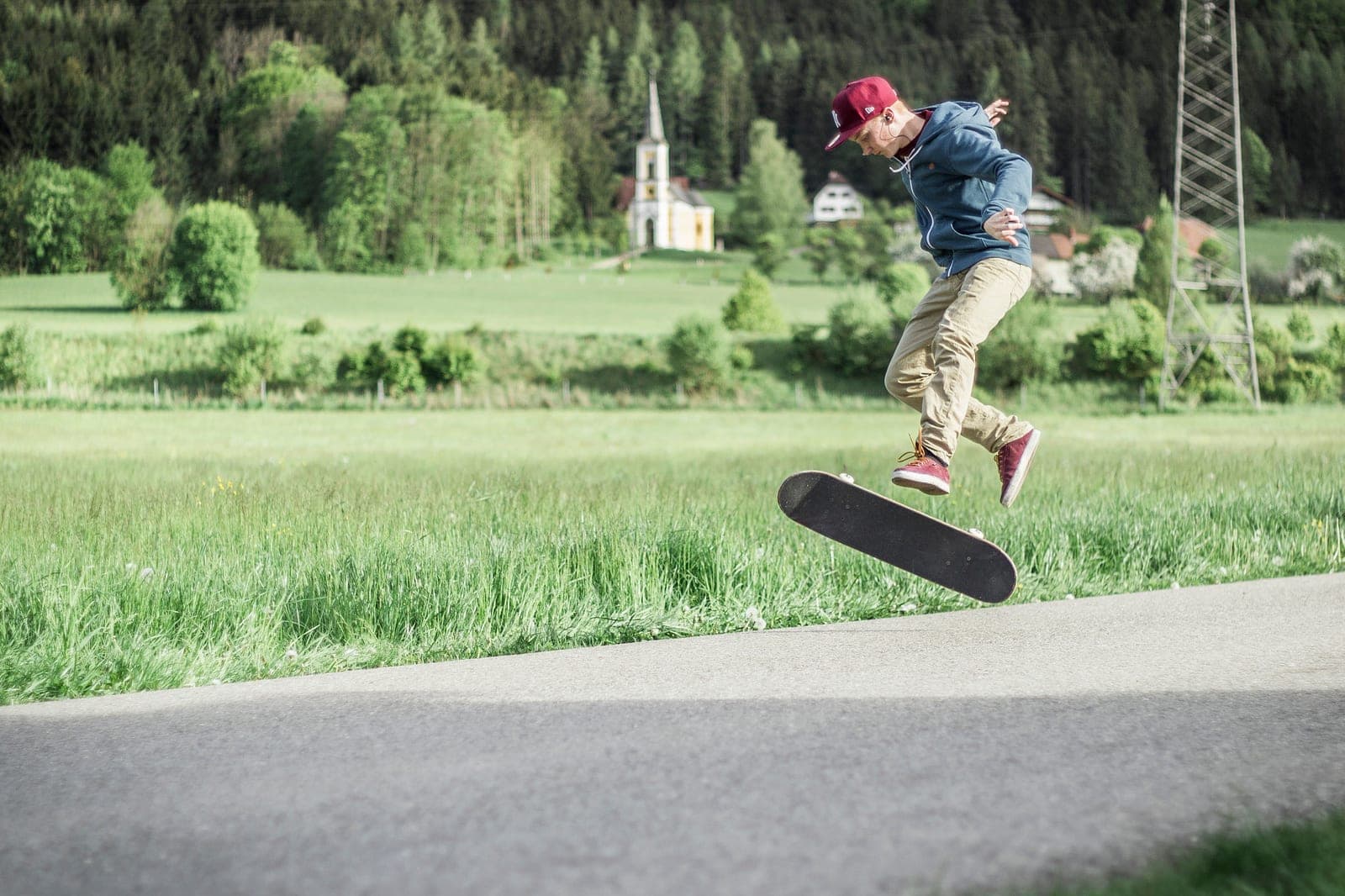
.jpeg)
Overview
Skateboarding is a board sport in which the rider stands on a wheeled deck and uses balance, foot movement and momentum to roll, turn and perform tricks. It ranges from simply cruising along a path to riding ramps and rails in a skatepark, so riders can shape it around their own style.
Much of the appeal is creative and personal — progress comes from patiently repeating a movement until it clicks, and there is no single fixed way to play. Because falls are part of learning, protective gear and starting on smooth, quiet ground help newcomers build confidence safely.
Why skateboarding is good for your health
- Develops balance, coordination and body control
- Builds leg strength and core stability through steering and balancing
- Improves agility and spatial awareness
- An engaging, playful way to stay active
Physical qualities you’ll build
Skateboarding is especially good for developing these qualities:
The social side
- Skateparks have a friendly, encouraging culture where riders share tips
- Learning alongside others makes progress more motivating
- A creative, self-expressive activity that brings communities together
How to start as a beginner
- 1Choose a stable, beginner-friendly board and wear protective gear
- 2Practise standing, balancing and pushing on smooth, flat ground
- 3Learn to turn and slow down safely before trying any tricks
- 4Visit a quiet skatepark to watch, learn and progress gradually
Equipment you’ll need
- A skateboardEssentialA complete beginner setup is the simplest way to start
- HelmetEssential
- Protective pads (wrist, knee and elbow)Essential
- Flat, grippy shoesEssential
Where to play
Skateboarding is typically played at:
Explore clubs and venues to understand the different places you can play, or see how to find people to play with.
Skateboarding disciplines
Skateboarding isn’t one thing — it takes several distinct forms, each with its own character. Explore the disciplines within it.
Playing Skateboarding
The equipment, rules, skills and more that make up the game — each cross-linked into the encyclopedia.
Related sports to explore
If you enjoy Skateboarding, you might also like these.
Surfing
An ocean board sport of paddling into waves and riding them toward shore, balancing skill and reading the sea.
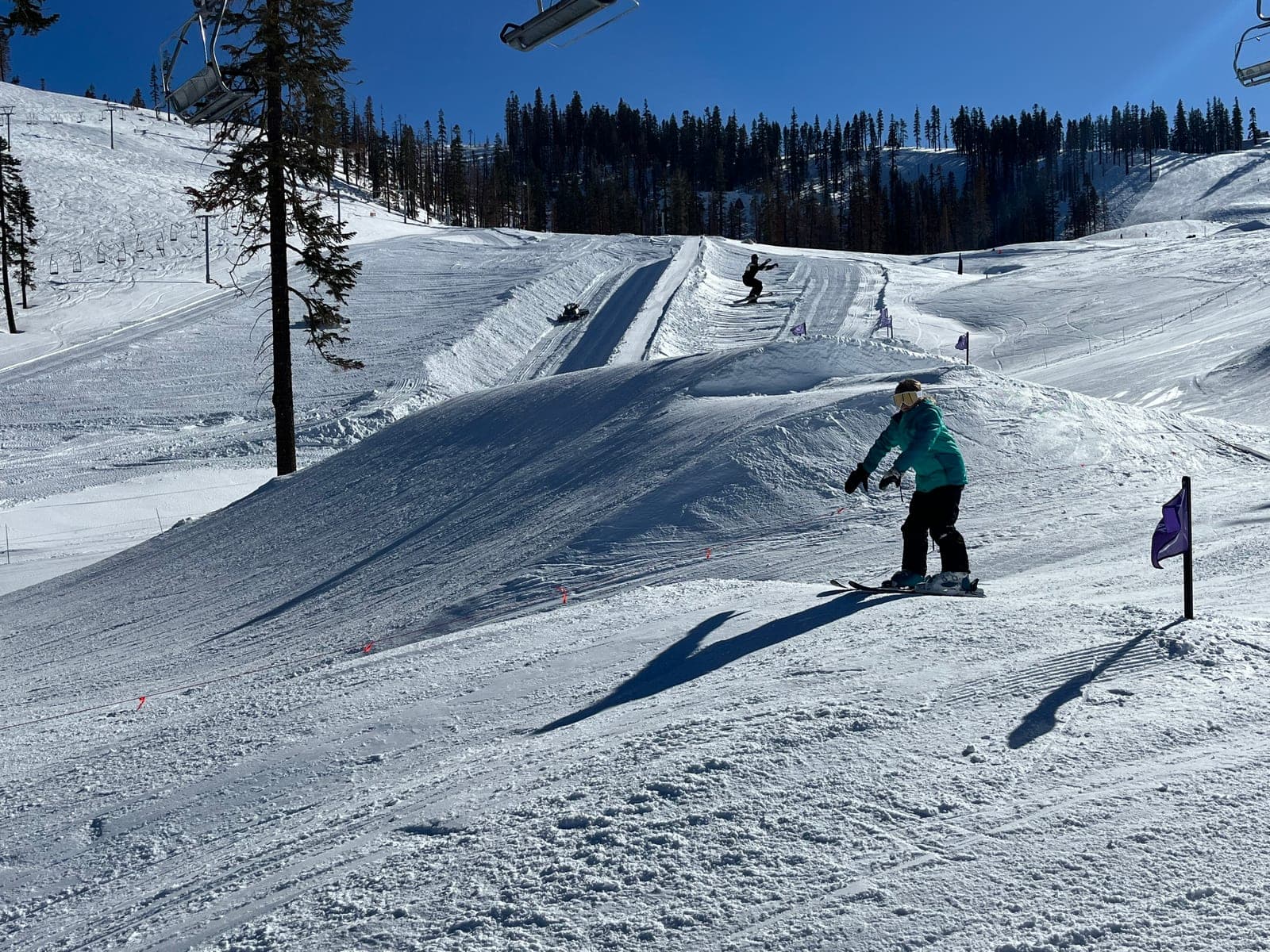
Snowboarding
A downhill snow sport where you ride a single board sideways down the mountain.
Mountain Biking
An off-road cycling sport ridden on rugged trails, mixing endurance, bike handling and outdoor adventure.
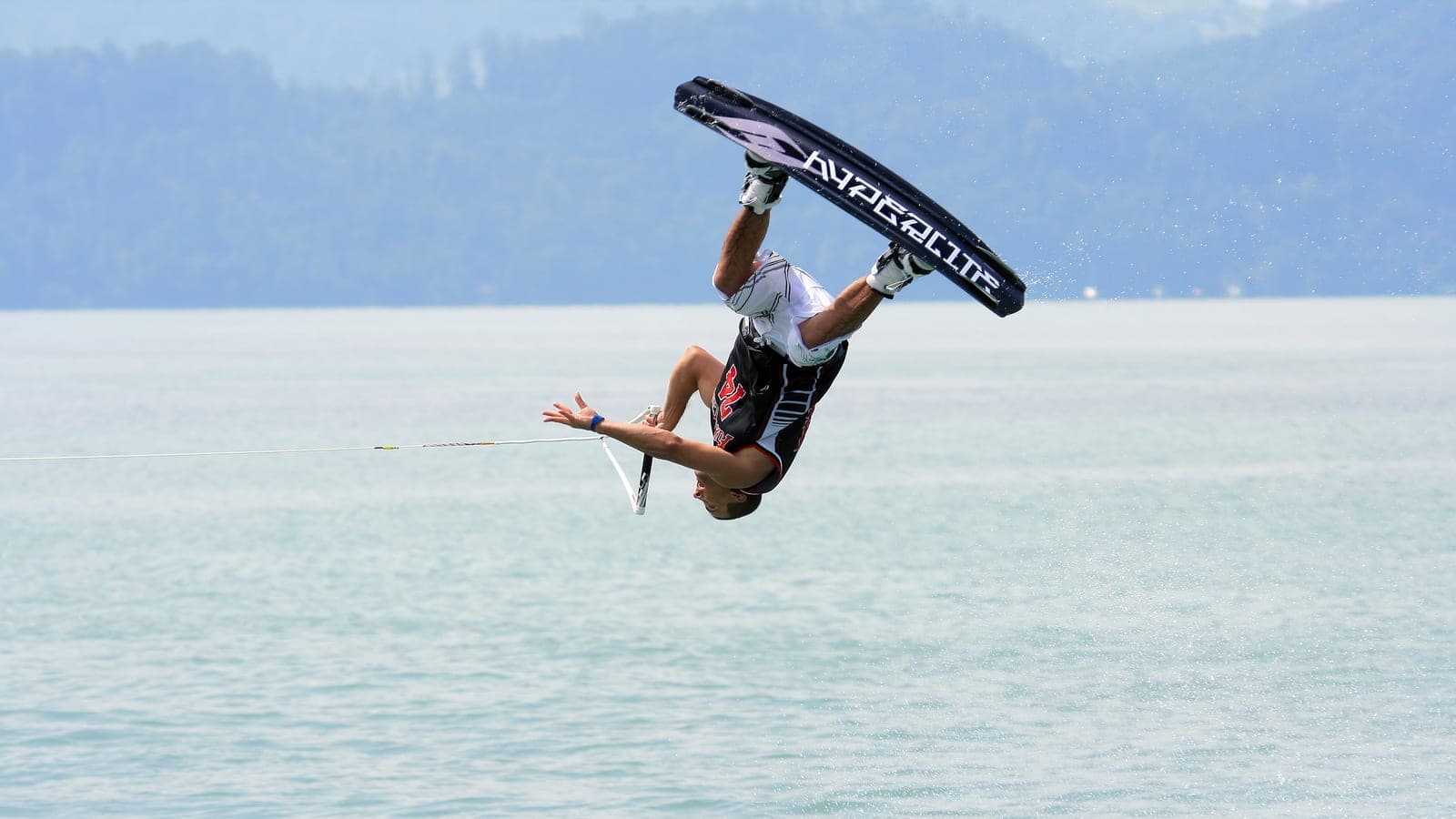
Wakeboarding
A towed board sport where a rider is pulled across the water behind a boat or cable, carving and jumping the wake.
Compare Skateboarding with…
Deciding between Skateboarding and something similar? See how they line up side by side.
Mountain Biking vs Skateboarding
How they compare on difficulty, intensity, kit and what suits you.
Skateboarding vs Snowboarding
How they compare on difficulty, intensity, kit and what suits you.
Skateboarding vs Surfing
How they compare on difficulty, intensity, kit and what suits you.
Skateboarding vs Wakeboarding
How they compare on difficulty, intensity, kit and what suits you.
Reach your goals with Skateboarding
People take up Skateboarding for all kinds of reasons. Here is what it can help you work towards.
How it connects
The meaning-bearing relationships that place Skateboarding in the wider knowledge graph — each one with the reason it exists.
Alternative to
Comparable enough that people choose between them.
- Mountain BikingSkateboarding and Mountain Biking are close enough that the platform maintains a side-by-side comparison of them.
- SnowboardingSkateboarding and Snowboarding are close enough that the platform maintains a side-by-side comparison of them.
- SurfingSkateboarding and Surfing are close enough that the platform maintains a side-by-side comparison of them.
- WakeboardingSkateboarding and Wakeboarding are close enough that the platform maintains a side-by-side comparison of them.
Helps achieve
A recognised route towards these goals.
Explore across the knowledge base
Follow the threads that connect Skateboarding to the rest of SocialSportHub.
Glossary
Learning paths
- Learn TennisA structured, educational learning path for tennis — from the rules to skills, techniques, tactics and training.
- Learn FootballA structured, educational learning path for football — from the rules to skills, techniques, tactics and training.
- Learn RunningA structured, educational learning path for running — from the rules to skills, techniques, tactics and training.
- Learn BasketballA structured, educational learning path for basketball — from the rules to skills, techniques, tactics and training.
- Learn SwimmingA structured, educational learning path for swimming — from the rules to skills, techniques, tactics and training.
Go deeper with Skateboarding
Everywhere else on the platform that covers Skateboarding — assembled from what actually references it, so nothing here is a dead end.
Compare it
Head-to-head studies against the entities people actually weigh it against.
Kit it out
Equipment guidance drawn from the graph, with no brands and no affiliate links.
Take it away
Open data and the whole-platform view of this subject.
How this page is maintained
- Content type
- Sport
- Provenance
- Tier A — evergreen educational
- Verified external sources
- 0
- Content updated
- 2026-07-06
Evergreen, first-party explanation — it makes no claim that needs an external source. How we handle sources and reviews.
Keep going
A sport is most rewarding alongside good habits, sensible nutrition and people to share it with. Here is where to go next.
How movement supports body and mind.
Eat well to feel and perform better.
Build routines that stick.
Ways to meet others and play together.
Where to play and what to expect.
Browse the full list by category.