
Road (Tarmac / Asphalt)
Paved tarmac or asphalt: a firm, smooth, predictable surface that rewards steady pace and rhythm — the ground for road running, cycling and race-walking.
Overview
A road surface is paved tarmac or asphalt — bound aggregate laid as a firm, smooth, continuous top. It is the everyday surface of public roads, streets and paved paths, and the setting for road running, road cycling, race-walking and street skateboarding. Compared with trail or track, it is harder underfoot, flatter and more predictable, with a consistent texture that stays much the same over long distances.
Because the surface is even and gives little underfoot, it rewards sustained pace and rhythm rather than technical footwork or reading the ground. It gives little underfoot and offers low rolling resistance, so little energy is lost into the ground, so runners can hold form and cyclists can lock into a steady cadence. Grip is strong on dry asphalt, but a smooth road can turn slick in the wet, which changes cornering, braking and footing. Camber, gradient and surface quality further shape lines, descents and pacing.
How it plays
- The firm, continuous top loses little energy underfoot and offers low rolling resistance, so it favours sustained pace over technical footwork.
- Its even, predictable texture lets runners hold form and cyclists settle into a steady cadence without constantly reading the ground.
- It is harder and less forgiving underfoot than trail or track, with minimal give, so it feels fast and direct.
- Grip is strong on dry asphalt, but a smooth surface can become slick in the wet, altering cornering, braking and footing.
- Camber, gradient and surface quality shape racing lines, descents and pacing for cyclists, walkers and skaters.
Where it’s used
Sports that use road (tarmac / asphalt):
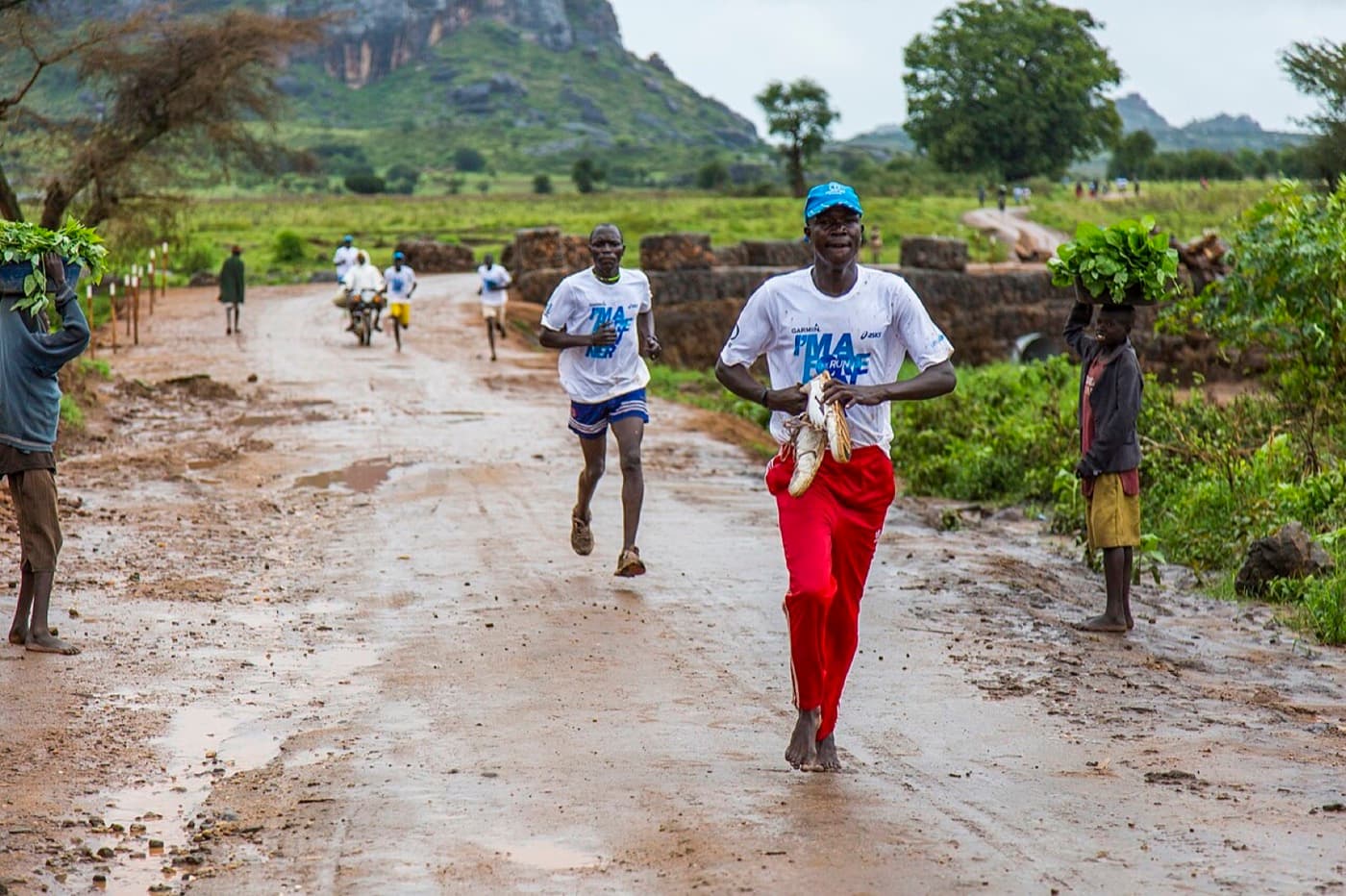
Running
The most accessible endurance sport — no venue, just shoes and the open road or trail.
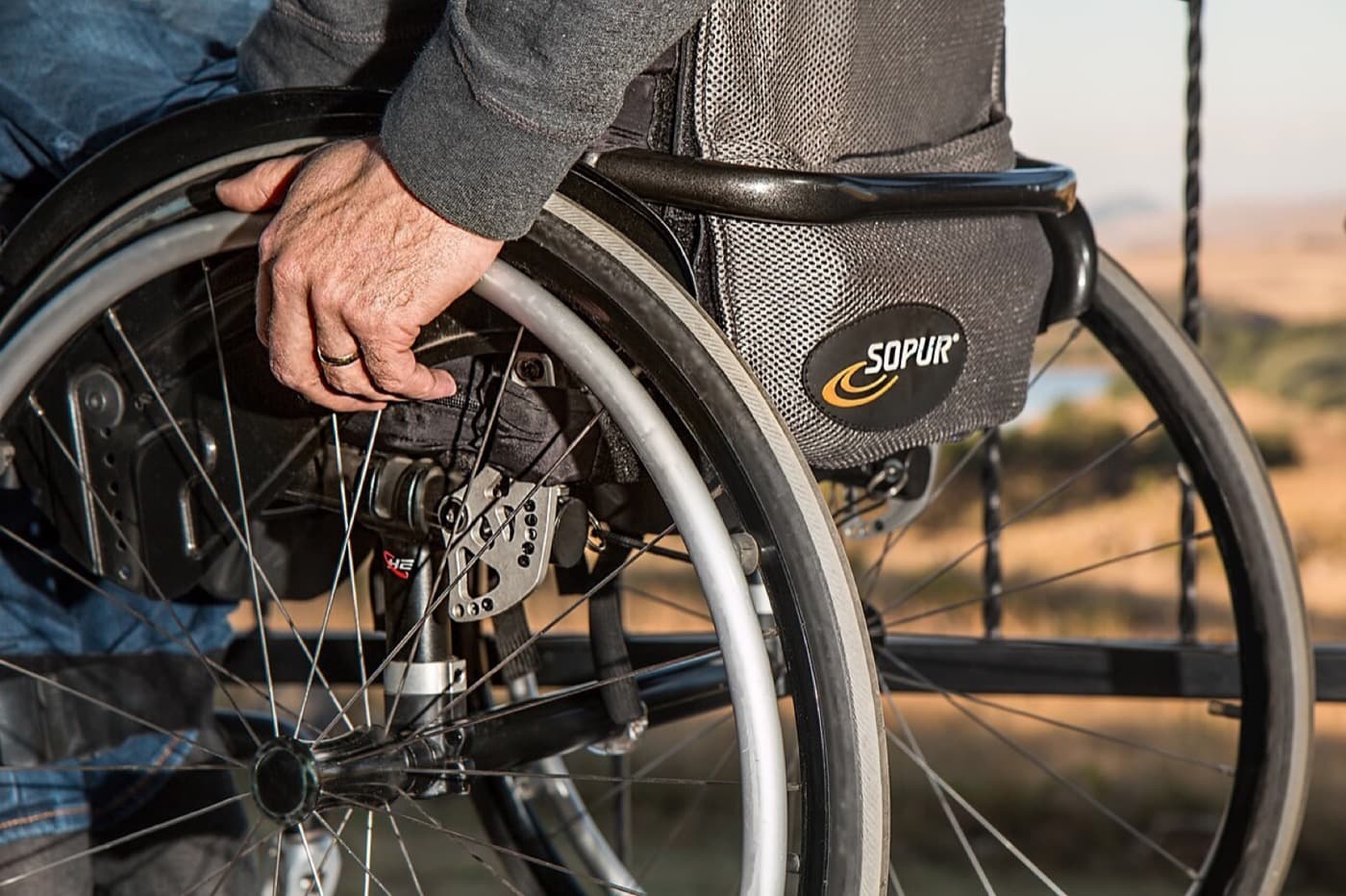
Cycling
A low-impact endurance sport that doubles as transport, exercise and adventure.
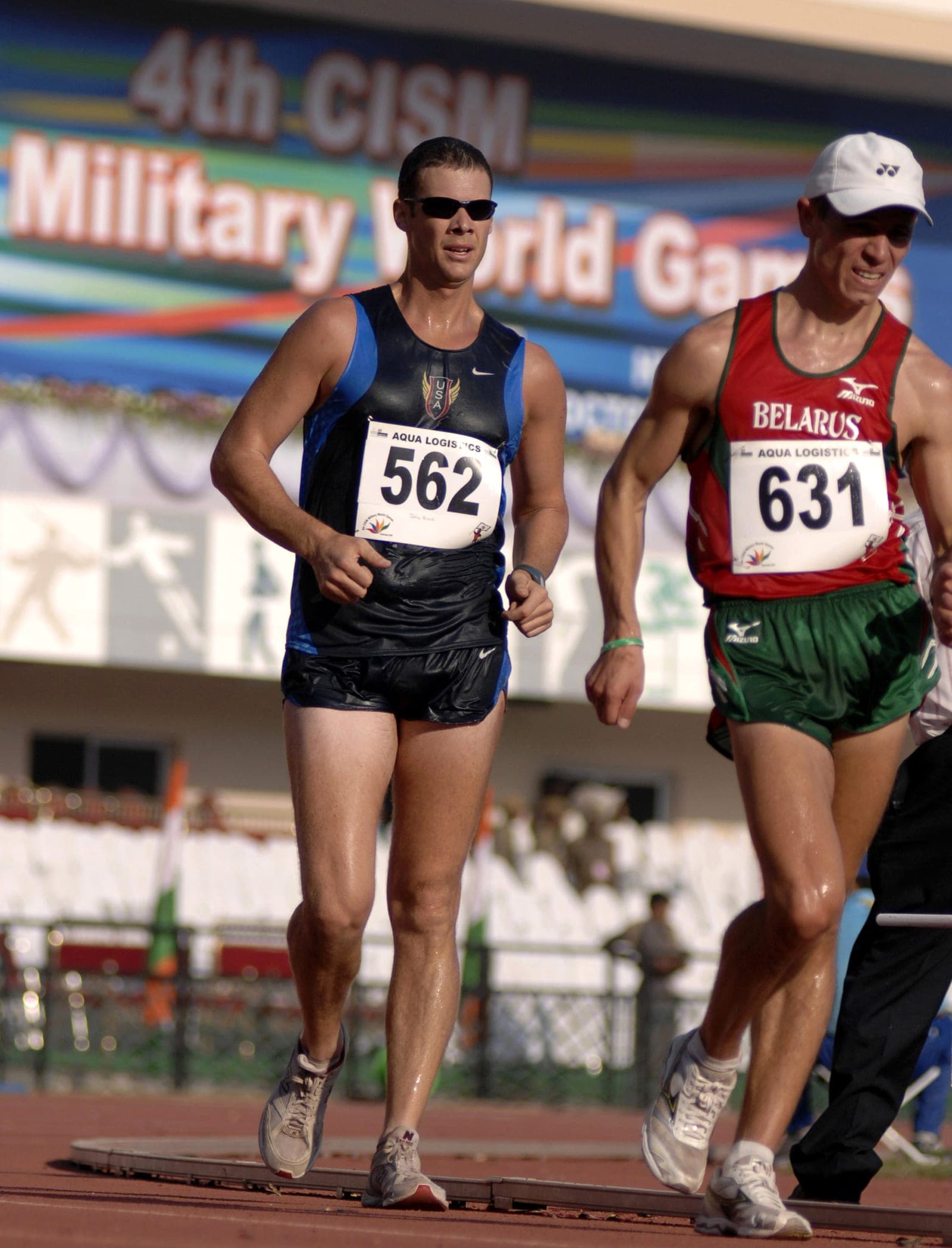
Race Walking
A technique-driven endurance sport that turns walking into a fast, low-impact discipline.
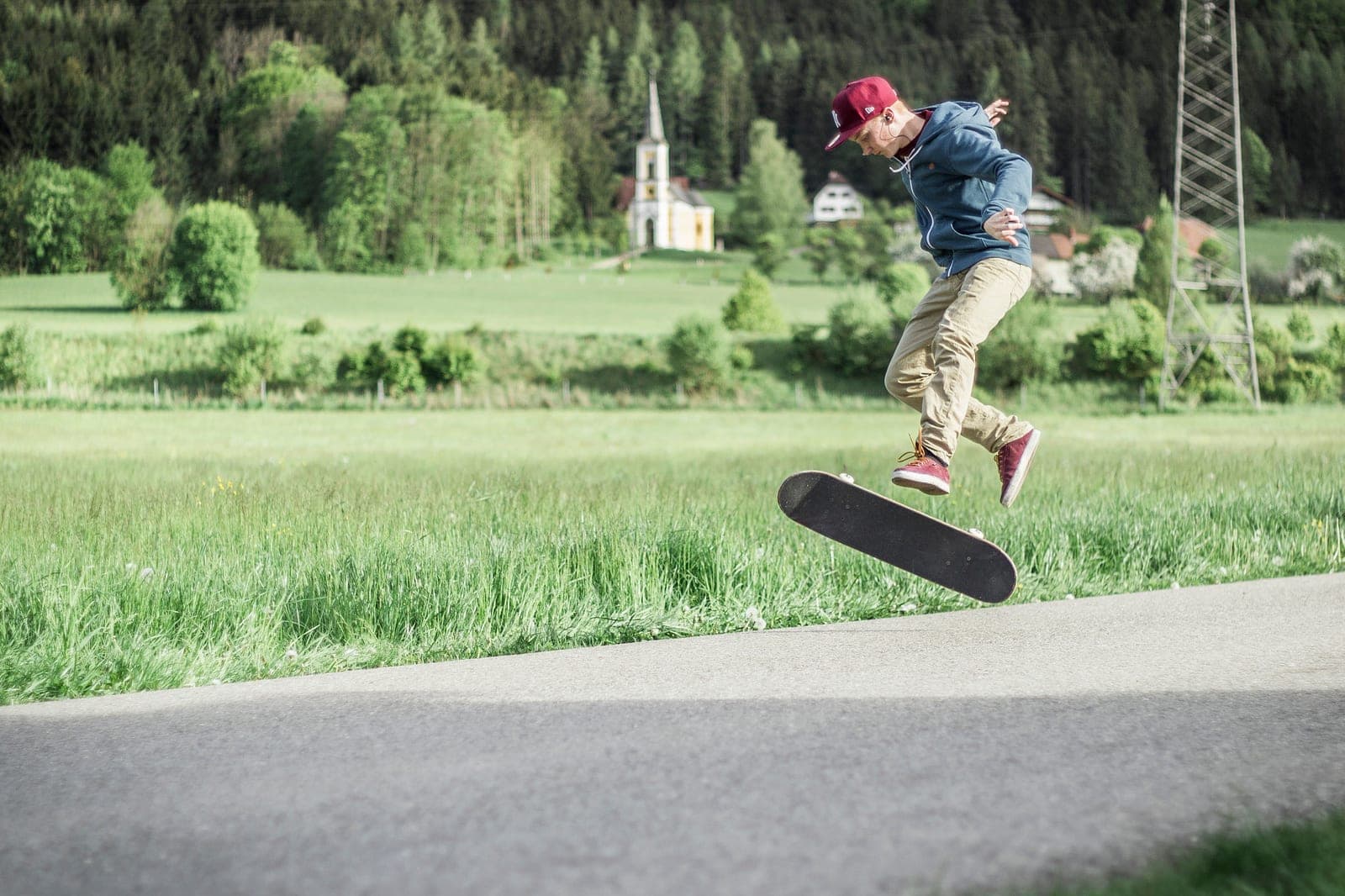
Skateboarding
A creative board sport of rolling, balancing and learning tricks on streets, paths and skateparks.
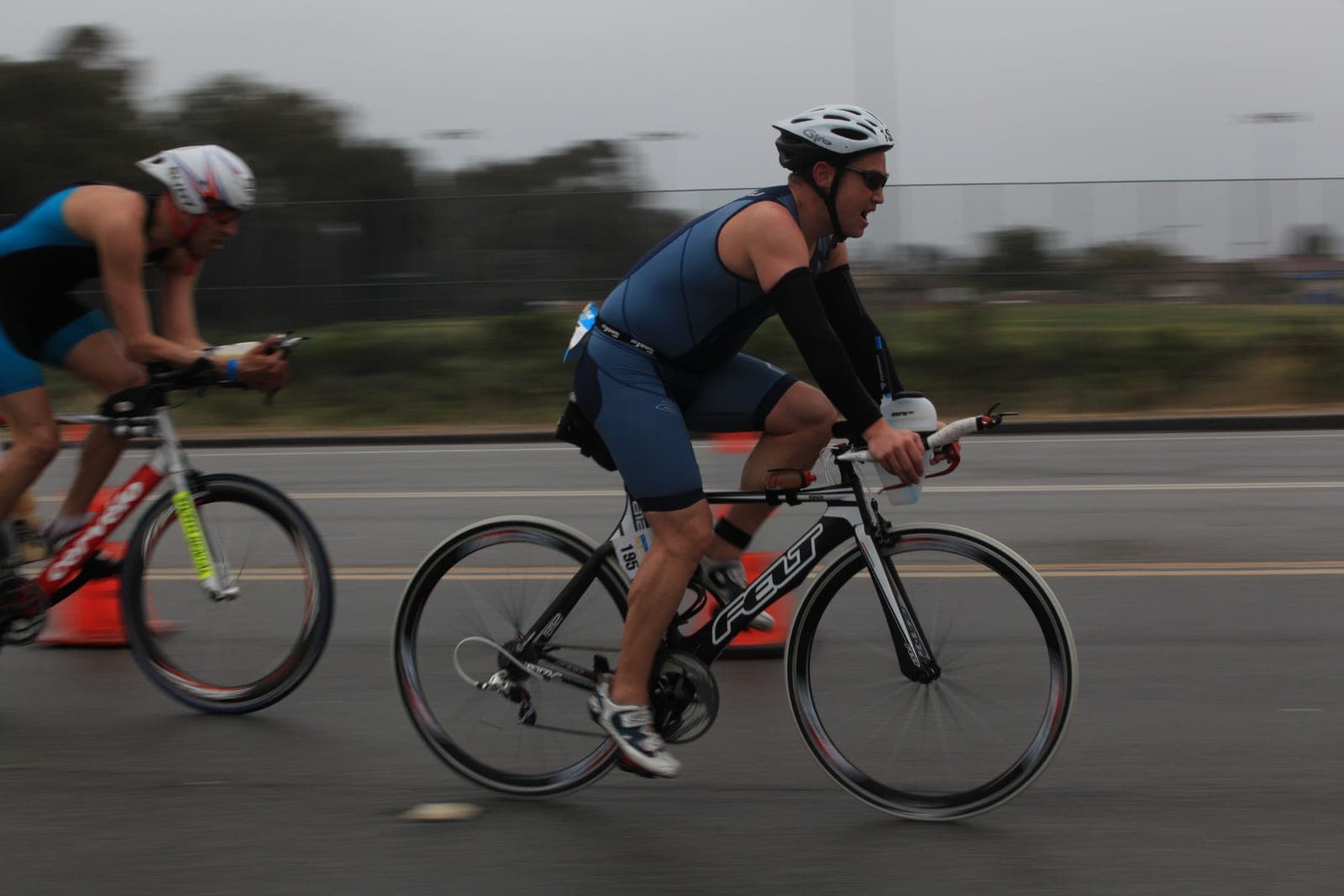
Triathlon
A multi-sport endurance event that links swimming, cycling and running into one continuous race.
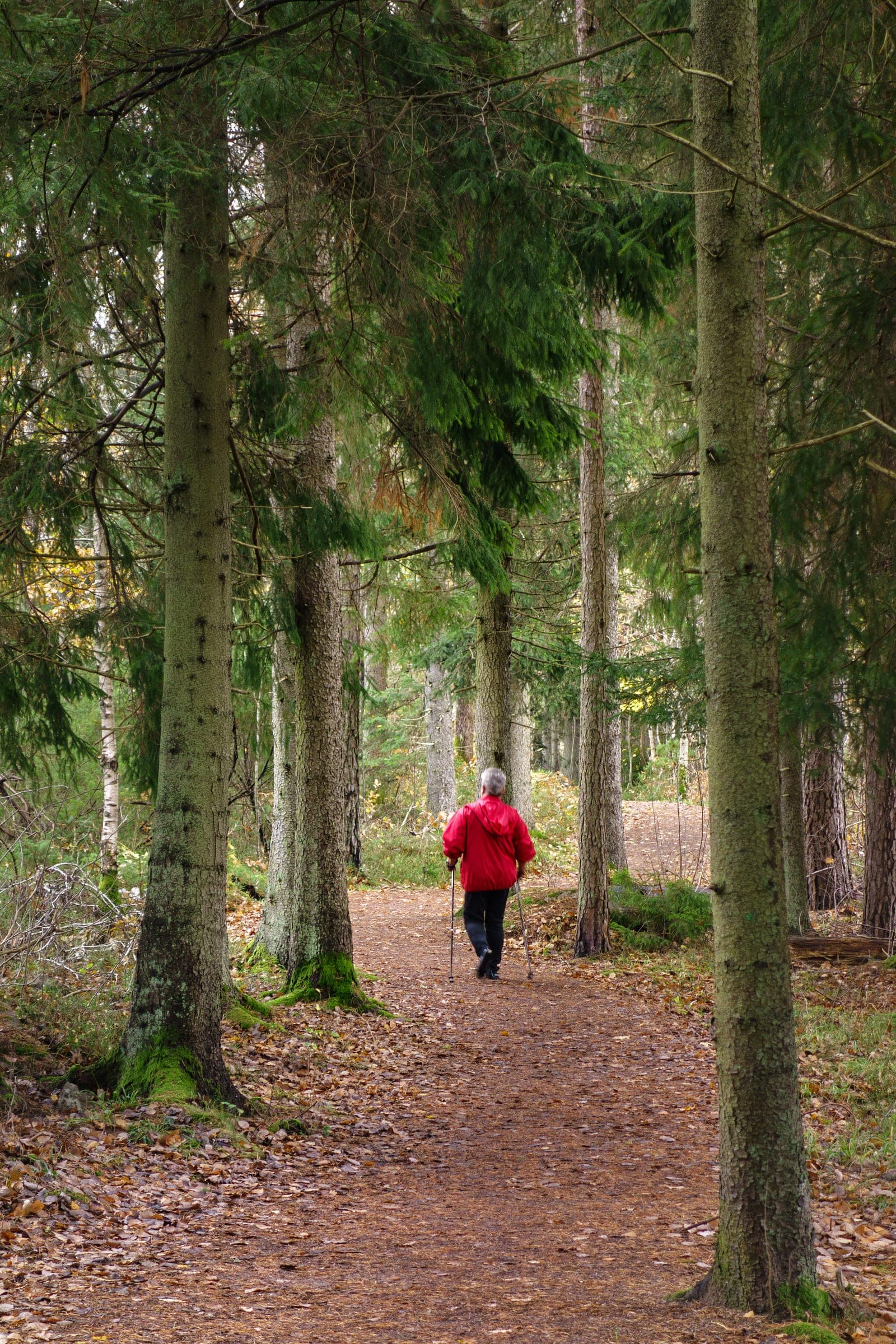
Nordic Walking
A gentle, accessible endurance activity that adds poles to bring the upper body into every walk.
Related playing surfaces
Synthetic track
An all-weather rubberised athletics running surface — firm, springy and high-grip — giving sprinters and distance runners fast, consistent, predictable footing.
Wood
An indoor sprung timber or parquet floor — grippy, consistent and lightly cushioned; the classic surface for indoor court sports.
Sand
Loose beach sand: a soft, shifting, energy-sapping surface with no true bounce that rewards balance and footwork, used for beach sports and conditioning.
How it connects
The meaning-bearing relationships that place Road (Tarmac / Asphalt) in the wider knowledge graph — each one with the reason it exists.
Frequently learned together
Taught side by side in the same stage of a learning path.
- Running shoesBoth are taught in the “What you’ll need” stage of the Triathlon learning path.
- Cycling shoesBoth are taught in the “What you’ll need” stage of the Triathlon learning path.
- Swimming gogglesBoth are taught in the “What you’ll need” stage of the Triathlon learning path.
- WetsuitBoth are taught in the “What you’ll need” stage of the Triathlon learning path.
- Road bikeBoth are taught in the “What you’ll need” stage of the Triathlon learning path.
Explore across the knowledge base
Follow the threads that connect Road (Tarmac / Asphalt) to the rest of SocialSportHub.
Equipment
- Running shoesCushioned footwear designed for the repetitive forward motion of running.
- Cycling shoesStiff-soled shoes that clip onto pedals to transfer power efficiently while riding.
- Swimming gogglesSealed eyewear that lets swimmers see clearly and keep water out of the eyes.
- WetsuitA close-fitting neoprene suit that keeps the wearer warm in cold water.
- Road bikeA lightweight bicycle built for speed and efficiency on paved surfaces.
Tactics
- DraftingRiding, running or swimming close behind another competitor to save energy in their slipstream.
- Pacing strategyPlanning how to distribute effort across a race so energy lasts the full distance without fading.
- Serve and third ballTable tennis's most-rehearsed tactical pattern — using a serve to force a predictable return so the third ball of the rally can be attacked from a known position.
Techniques
- Running FormThe efficient posture and stride mechanics of distance running, keeping the body relaxed and the cadence smooth.
- Standing ClimbA cycling technique for climbing out of the saddle, standing on the pedals to add power on steep gradients.
- Cycling CadenceThe technique of pedalling at a smooth, steady rhythm and choosing a gear that keeps the legs turning efficiently.
Disciplines
- Road CyclingRoad cycling covers riding and racing on paved roads, from mass-start races and time trials to multi-day stage events.
- Sprint DistanceSprint distance triathlon combines a short swim, bike, and run, making it a common entry point and a fast, higher-intensity racing format.
- Standard (Olympic) DistanceStandard, or Olympic, distance triathlon pairs a 1.5 km swim, 40 km bike, and 10 km run, and is the format contested at the Olympic Games.
- Middle Distance (70.3)Middle distance triathlon, widely known as 70.3, covers a 1.9 km swim, 90 km bike, and a 21.1 km half-marathon run.
- Long Distance (Ironman)Long distance triathlon, popularly known as Ironman, covers a 3.8 km swim, 180 km bike, and a 42.2 km marathon run.
Learning paths
- Learn RunningA structured, educational learning path for running — from the rules to skills, techniques, tactics and training.
- Learn CyclingA structured, educational learning path for cycling — from the rules to skills, techniques, tactics and training.
- Learn TriathlonA structured, educational learning path for triathlon — from the rules to skills, techniques, tactics and training.
Go deeper with Road (Tarmac / Asphalt)
Everywhere else on the platform that covers Road (Tarmac / Asphalt) — assembled from what actually references it, so nothing here is a dead end.
Learn it
Structured courses and paths on the platform that cover this directly.
How this page is maintained
- Content type
- Playing surface
- Provenance
- Tier A — evergreen educational
- Verified external sources
- 0
- Content updated
- 2026-09-12
Evergreen, first-party explanation — it makes no claim that needs an external source. How we handle sources and reviews.