
Intermediate
The basics are in place — now progress comes from more deliberate practice, filling gaps and adding structure to your training.
Overview
At an intermediate level you have the fundamentals and a reasonable base of fitness; you can hold your own and enjoy the activity properly. Progress is no longer automatic, though — it now comes from practising more deliberately, identifying weaknesses, and giving your training a bit more structure rather than just repeating what you already do well.
This is the stage where targeted work pays off: refining specific skills, addressing the gaps that hold you back, and training the physical qualities your sport demands. A simple plan and honest feedback — from a coach, a training partner or your own tracking — turn plateaus back into progress.
What this stage looks like
- The basics are solid — progress now needs deliberate, targeted practice.
- Identifying and working on weaknesses drives the next improvement.
- A bit of structure in training beats repeating your strengths.
- Feedback and simple tracking help you push past plateaus.
Getting started
- 1Pick specific skills or weaknesses to work on deliberately.
- 2Add some structure — a simple plan rather than random sessions.
- 3Train the physical qualities your sport most demands.
- 4Use feedback or tracking to see what is actually improving.
Sports that suit this stage
Great places to start — each with a clear, beginner-friendly guide.
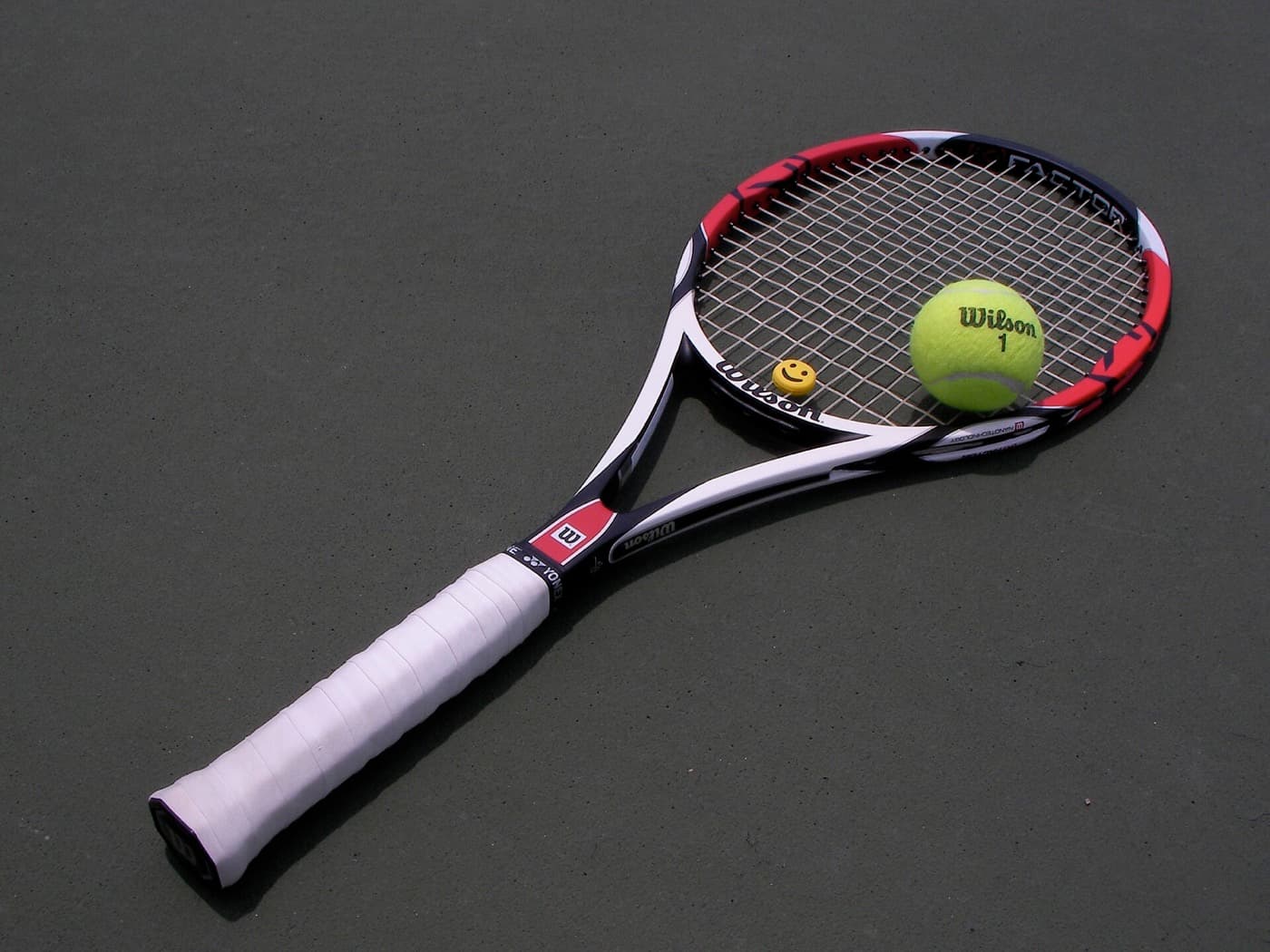
Tennis
A singles or doubles racquet sport that blends agility, strategy and stamina on court.
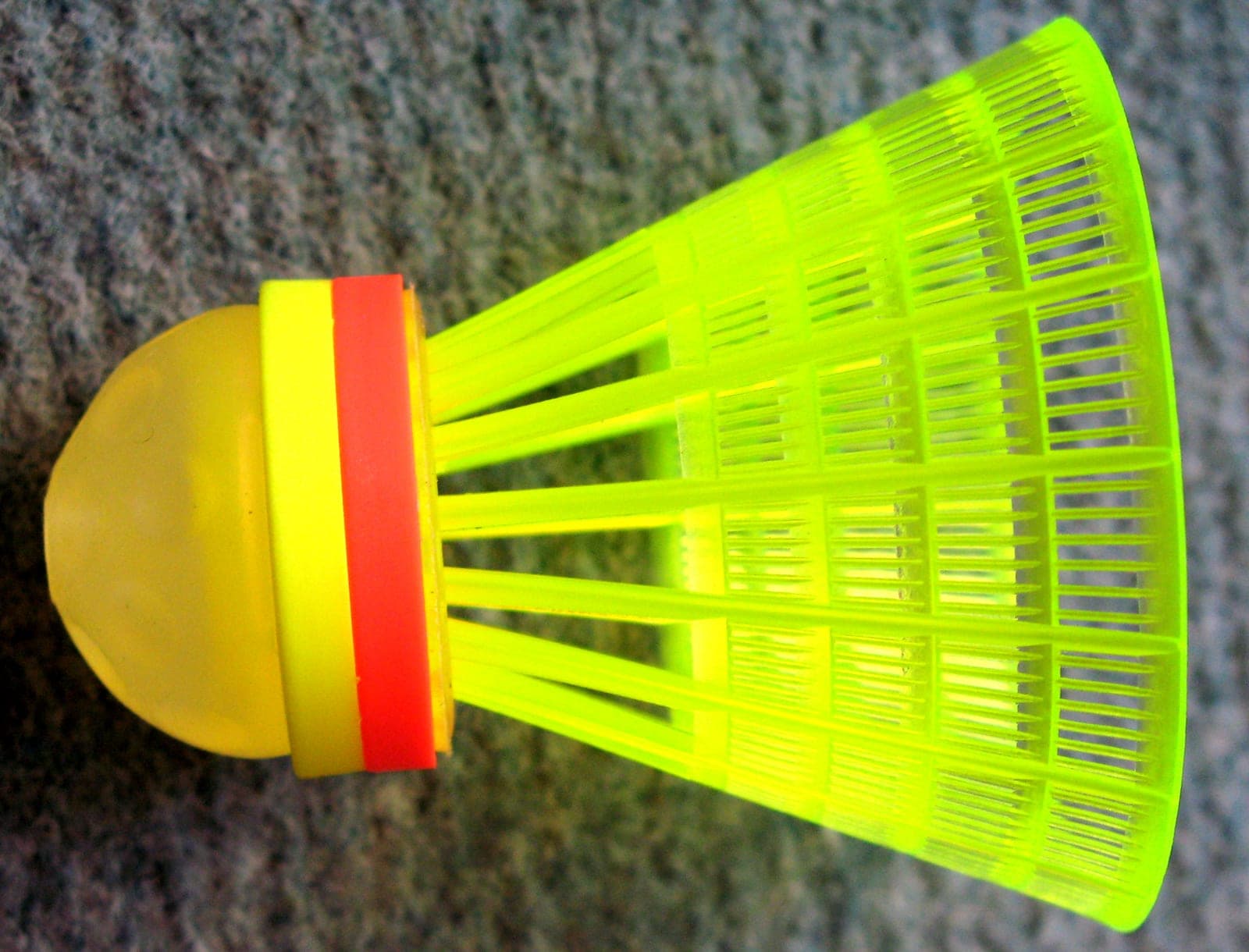
Badminton
A fast indoor racquet sport played with a shuttlecock that rewards agility and touch.
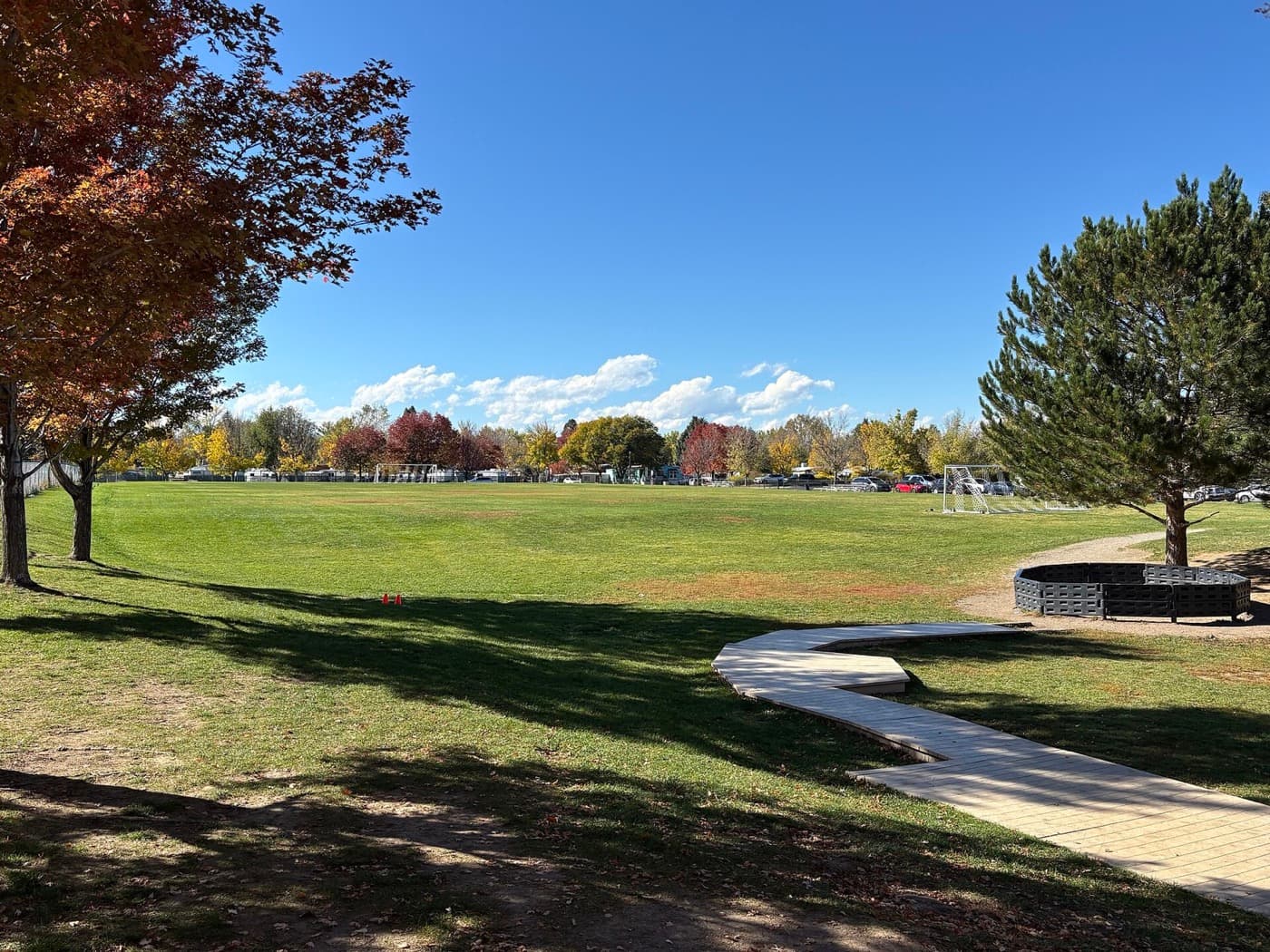
Football
The world’s most popular team sport — endless running, teamwork and community in one game.
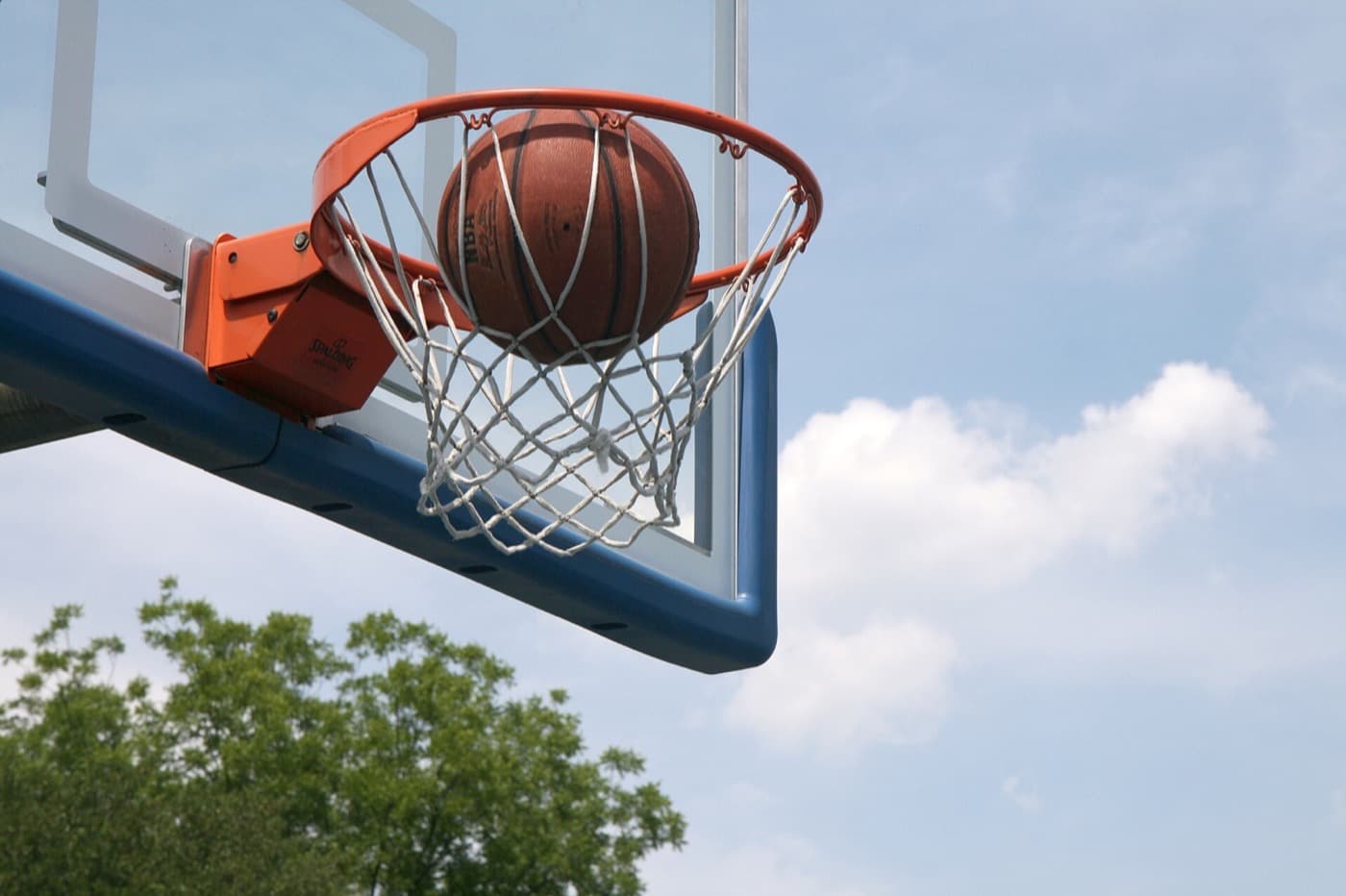
Basketball
A fast, dynamic team sport of running, jumping and quick decisions on court.
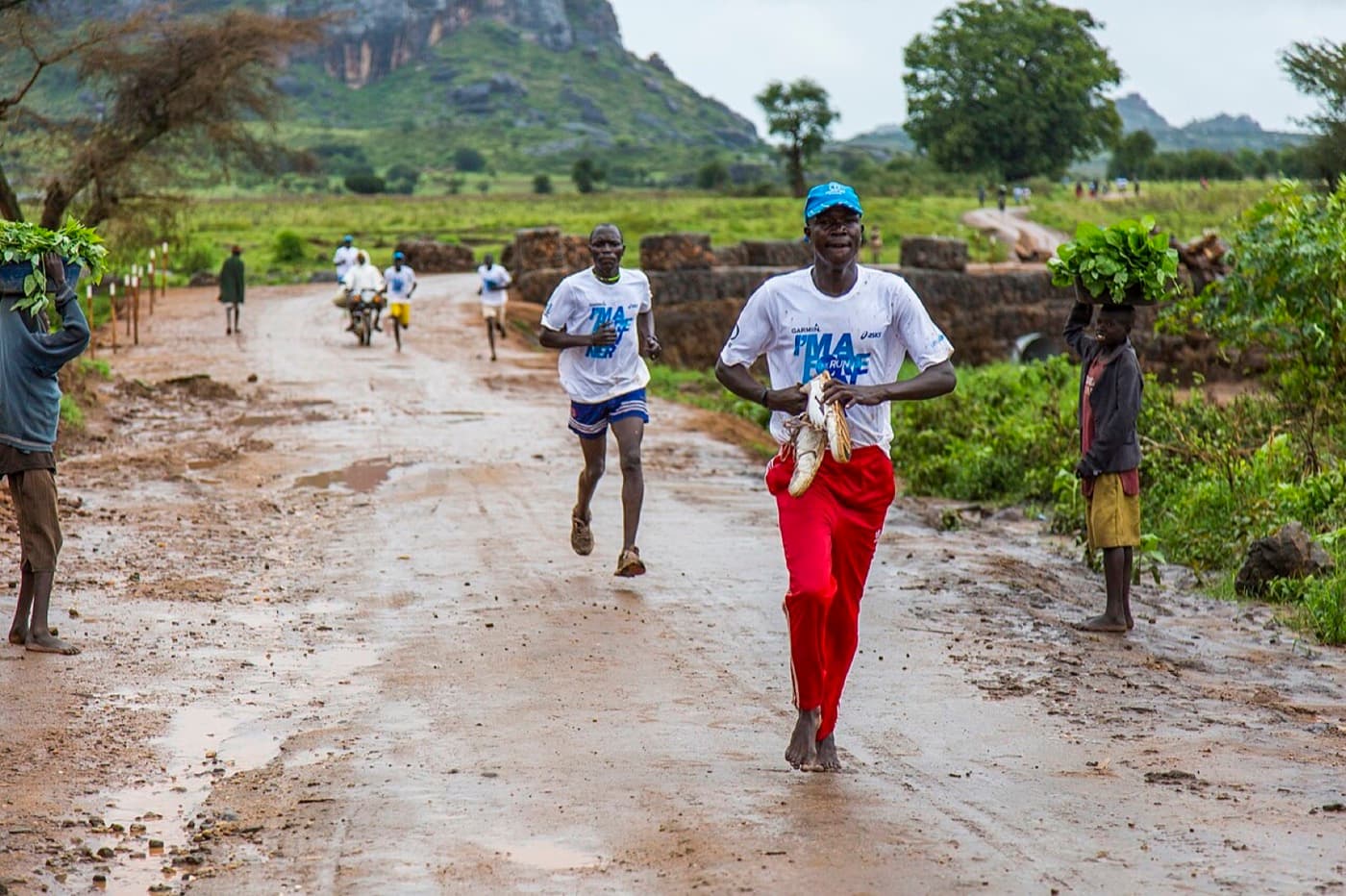
Running
The most accessible endurance sport — no venue, just shoes and the open road or trail.
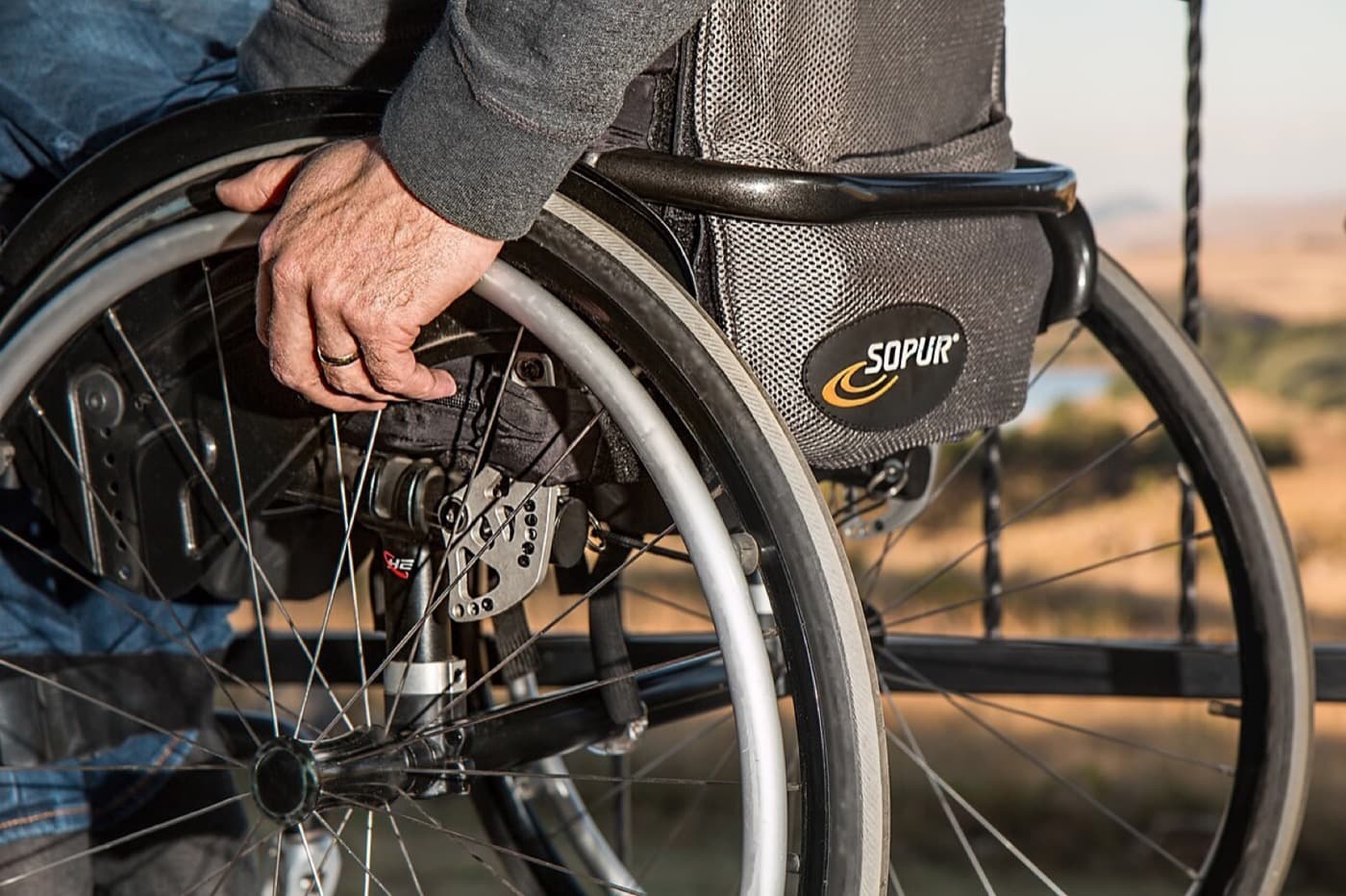
Cycling
A low-impact endurance sport that doubles as transport, exercise and adventure.
Goals that fit
Improve fitness
Build well-rounded fitness — stamina, strength and more — through regular, varied activity you can keep up.
Improve reaction speed
Respond faster to what you see, hear and feel by training with fast, unpredictable activities and drills.
Discipline
Build consistency, focus and self-discipline through the routines that sport and training encourage.
Improve coordination
Sharpen how smoothly your body works together — like tracking and hitting a ball — through skill practice.
Return to sport
Easing back into activity after time away, a long break or a period off through injury.
Ways to train
Exercises and methods that fit — educational, not a prescription.
Plyometrics
Plyometrics are jumping and bounding drills that train muscles to produce force quickly, developing power and springiness through explosive movement.
Jump squat
An explosive squat variation where you spring off the floor at the top of the movement.
High knees
A running-in-place cardio drill where you lift the knees high with a quick rhythm.
Interval Training
Interval training alternates short bursts of harder effort with easier recovery periods, letting you accumulate more quality work than a single continuous push.
High-Intensity Interval Training (HIIT)
High-intensity interval training, or HIIT, packs short, hard efforts against brief recoveries into a compact session, making it a time-efficient way to train.
Fartlek
Fartlek — Swedish for 'speed play' — mixes faster and easier efforts freely and by feel within one continuous session, blending steady and interval work.
Frequently asked questions
How do I progress from intermediate?
Move from just repeating your strengths to deliberate, targeted practice: identify the weaknesses holding you back, add some structure to your training, and work the physical qualities your sport demands. Honest feedback and simple tracking help turn plateaus back into progress.
Explore across the knowledge base
Follow the threads that connect Intermediate to the rest of SocialSportHub.
Motivations
- For a personal challengeWhen you play to set and reach goals, sports with visible progress and clear milestones give you something concrete to work towards.
- To get better at my sportWhen you already play and want to improve, structured practice, coaching concepts and targeted training turn effort into measurable progress.
Coaching concepts
- Deliberate PracticeFocused, effortful practice that targets a specific weakness with full attention and immediate feedback — not just repeating what you already do well.
- Practice VariabilityVarying practice conditions — spacing, interleaving skills and changing situations — to build adaptable, durable skill, even when it feels harder day to day.
- Session StructureHow a practice session is organised into phases — warm-up, main focus, game application and cool-down — so time is used well and learning sticks.
- Repetition QualityThe attention and intent behind each repetition matter more than raw volume — focused, well-executed reps build skill faster than mindless numbers.
- Goal-Setting for PracticeSetting clear practice goals directs effort and makes progress visible — separating results-based outcome goals from controllable process goals.
Training methods
- Interval TrainingInterval training alternates short bursts of harder effort with easier recovery periods, letting you accumulate more quality work than a single continuous push.
- Progressive OverloadProgressive overload is the principle of gradually increasing the demand you place on your body so it keeps adapting and improving over time.
- Strength TrainingStrength training uses resistance — bodyweight, bands or weights — to challenge your muscles so they gradually adapt and get stronger over time.
How this page is maintained
- Content type
- Your stage
- Provenance
- Tier A — evergreen educational
- Verified external sources
- 0
- Content updated
- 2026-07-09
Evergreen, first-party explanation — it makes no claim that needs an external source. How we handle sources and reviews.