
Wakeboarding
Carve the wake behind the boat
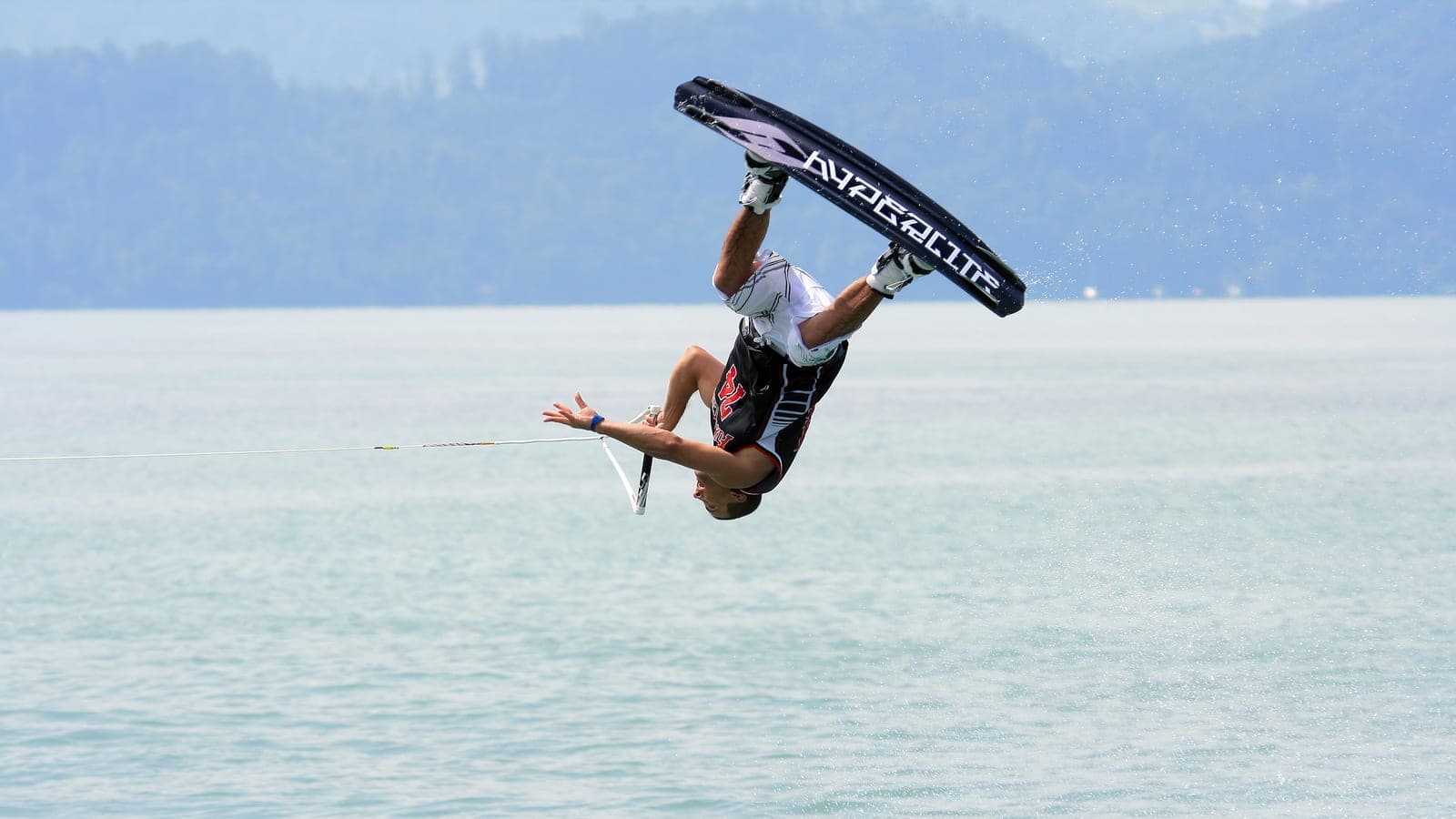

Overview
Wakeboarding has a rider stand sideways on a short board, held to it by bindings, and be pulled across the water by a boat or an overhead cable. The rider edges across the surface and uses the wake — the wave the tow creates — as a ramp to carve and, in time, jump.
Getting up out of the water and finding a stable stance is the first and biggest hurdle, so early sessions focus on that alone. Once you can ride comfortably, progress comes steadily through balance, edging and timing, making it a rewarding sport to keep building on.
Why wakeboarding is good for your health
- Holding an edge builds strong legs and a stable core
- Gripping the handle develops arm, back and grip strength
- Balancing and riding sharpen coordination and body awareness
- Short, active bursts contribute to overall conditioning
The social side
- Cable parks and boat sessions have a lively, encouraging scene
- Riders take turns and cheer each other on between runs
- Group lessons and taster sessions are a sociable way to learn
How to start as a beginner
- 1Take a lesson at a cable park or with a qualified boat instructor
- 2Learn the safe position for being pulled up out of the water
- 3Let the tow do the work and rise slowly rather than forcing it
- 4Always wear a buoyancy aid and follow the venue’s safety guidance
Equipment you’ll need
- WakeboardEssentialUsually provided by the boat or cable park; beginner boards are more stable
- BindingsEssentialBoots fixed to the board and fitted to your feet
- Buoyancy aidEssentialA correctly fitted personal flotation device
- WetsuitOptionalDepending on water temperature
- HelmetOptionalCommonly recommended, especially at cable parks
Where to play
Wakeboarding is typically played at:
Explore clubs and venues to understand the different places you can play, or see how to find people to play with.
Playing Wakeboarding
The equipment, rules, skills and more that make up the game — each cross-linked into the encyclopedia.
Related sports to explore
If you enjoy Wakeboarding, you might also like these.
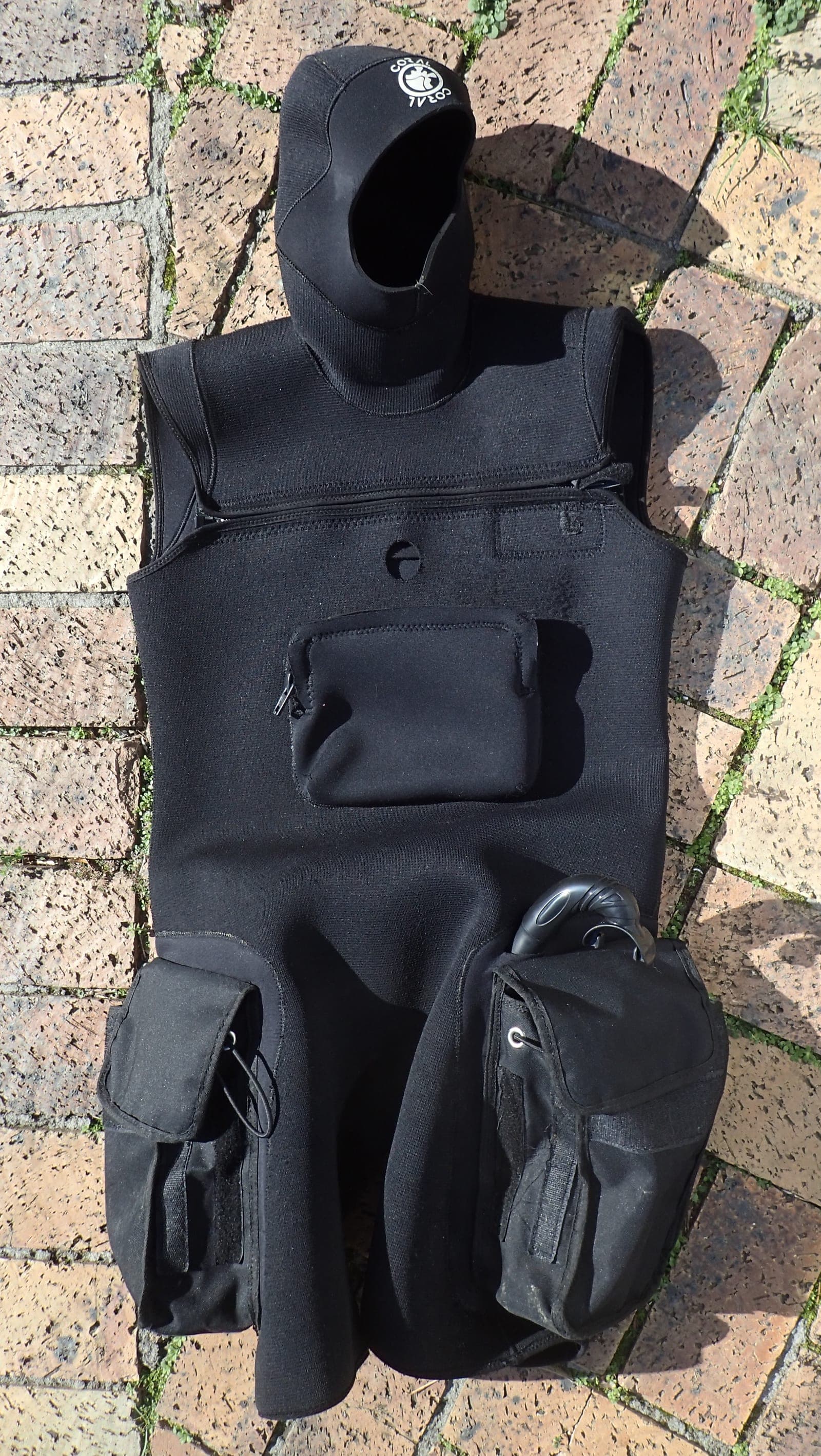
Surfing
An ocean board sport of paddling into waves and riding them toward shore, balancing skill and reading the sea.
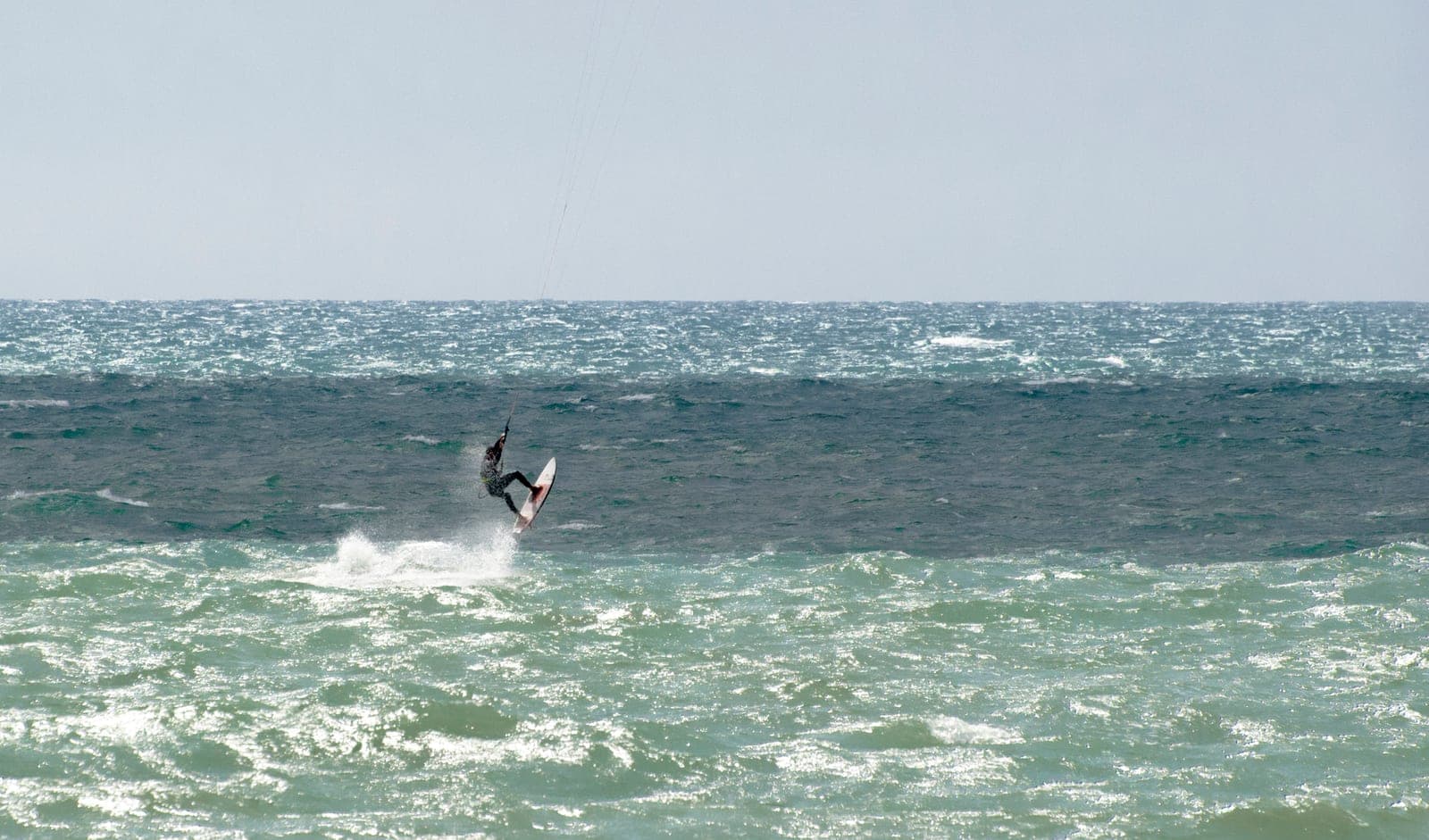
Kitesurfing
A board sport in which a large steerable kite pulls the rider across the water, combining board skills and kite control.
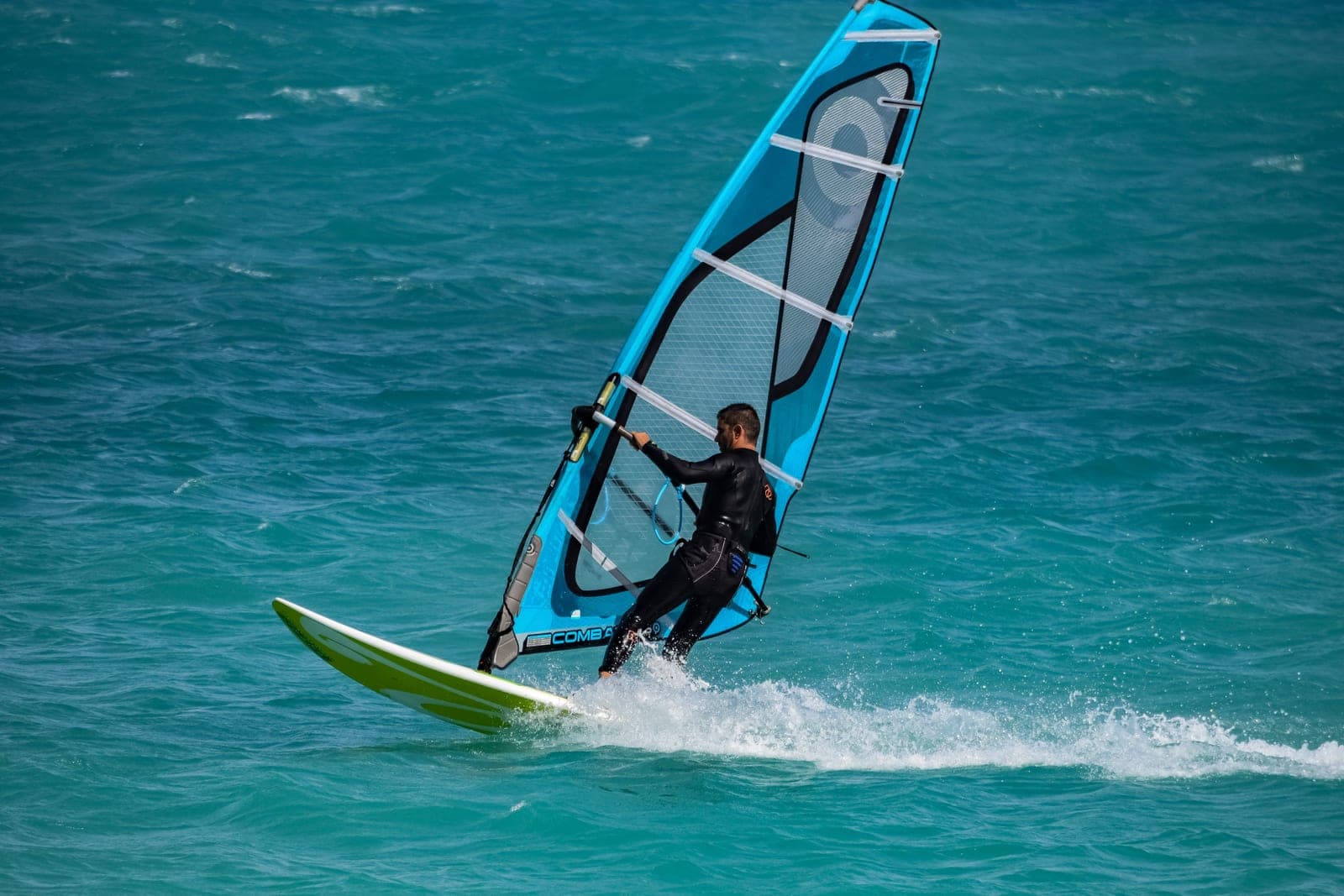
Windsurfing
A board sport with a wind-powered sail attached, blending balance and sail control to glide across the water.
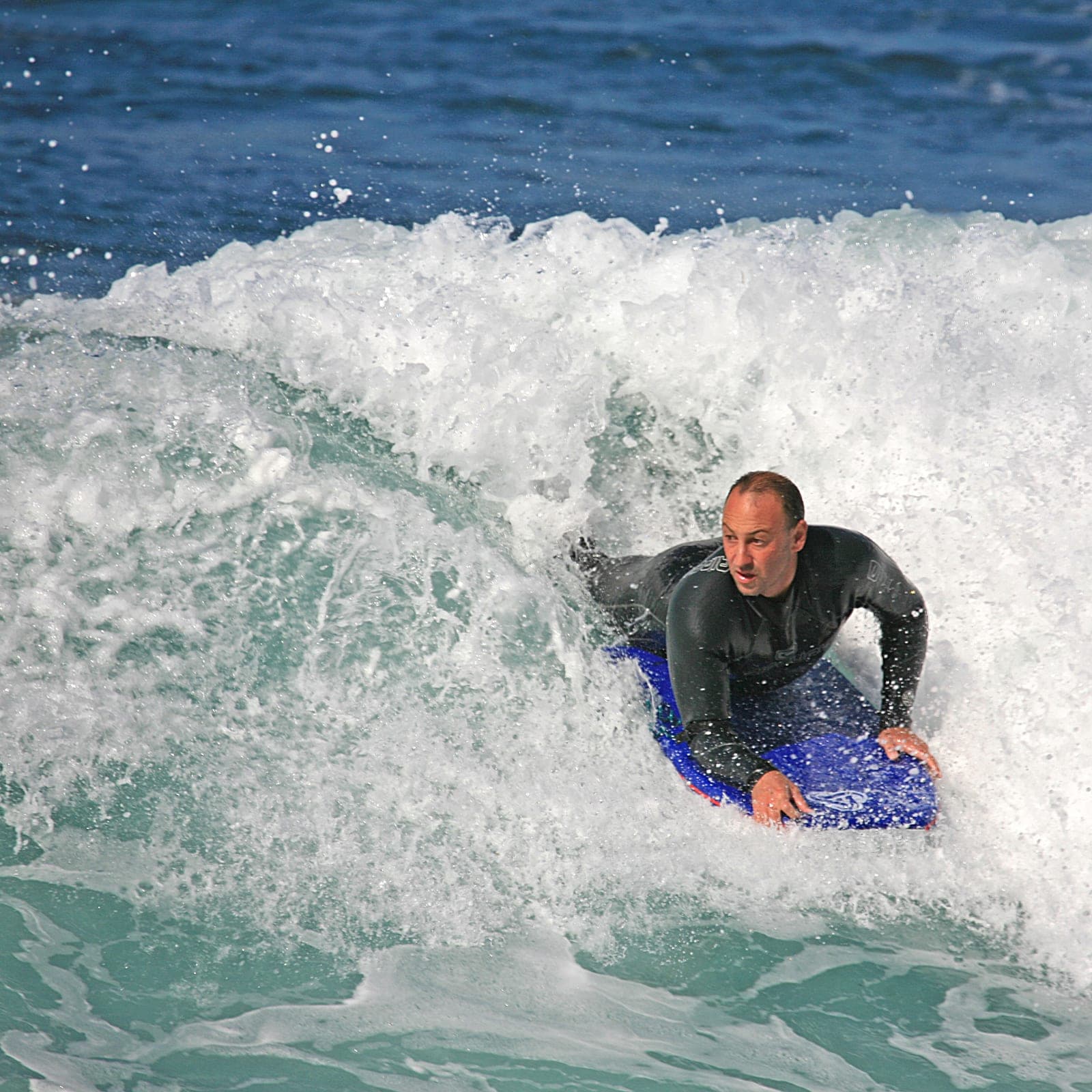
Bodyboarding
A wave-riding sport on a short, buoyant board, ridden lying or crouching, that is quick and fun to pick up.
Compare Wakeboarding with…
Deciding between Wakeboarding and something similar? See how they line up side by side.
Bodyboarding vs Wakeboarding
How they compare on difficulty, intensity, kit and what suits you.
Kitesurfing vs Wakeboarding
How they compare on difficulty, intensity, kit and what suits you.
Skateboarding vs Wakeboarding
How they compare on difficulty, intensity, kit and what suits you.
Surfing vs Wakeboarding
How they compare on difficulty, intensity, kit and what suits you.
Wakeboarding vs Windsurfing
How they compare on difficulty, intensity, kit and what suits you.
How it connects
The meaning-bearing relationships that place Wakeboarding in the wider knowledge graph — each one with the reason it exists.
Alternative to
Comparable enough that people choose between them.
- BodyboardingWakeboarding and Bodyboarding are close enough that the platform maintains a side-by-side comparison of them.
- KitesurfingWakeboarding and Kitesurfing are close enough that the platform maintains a side-by-side comparison of them.
- SkateboardingWakeboarding and Skateboarding are close enough that the platform maintains a side-by-side comparison of them.
- SurfingWakeboarding and Surfing are close enough that the platform maintains a side-by-side comparison of them.
- WindsurfingWakeboarding and Windsurfing are close enough that the platform maintains a side-by-side comparison of them.
Explore across the knowledge base
Follow the threads that connect Wakeboarding to the rest of SocialSportHub.
Learning paths
Healthy living
Go deeper with Wakeboarding
Everywhere else on the platform that covers Wakeboarding — assembled from what actually references it, so nothing here is a dead end.
Compare it
Head-to-head studies against the entities people actually weigh it against.
- Wakeboarding vs BodyboardingSide by side on the qualities that differ.
- Wakeboarding vs KitesurfingSide by side on the qualities that differ.
- Wakeboarding vs SkateboardingSide by side on the qualities that differ.
- Wakeboarding vs SurfingSide by side on the qualities that differ.
- Wakeboarding vs WindsurfingSide by side on the qualities that differ.
Kit it out
Equipment guidance drawn from the graph, with no brands and no affiliate links.
Take it away
Open data and the whole-platform view of this subject.
How this page is maintained
- Content type
- Sport
- Provenance
- Tier A — evergreen educational
- Verified external sources
- 0
- Content updated
- 2026-07-06
Evergreen, first-party explanation — it makes no claim that needs an external source. How we handle sources and reviews.
Keep going
A sport is most rewarding alongside good habits, sensible nutrition and people to share it with. Here is where to go next.
How movement supports body and mind.
Eat well to feel and perform better.
Build routines that stick.
Ways to meet others and play together.
Where to play and what to expect.
Browse the full list by category.