
Overview
A slide is a controlled skid in which a defined part of the body (a hip and trailing leg, an extended whole body, or a sliding foot) travels along a surface under managed friction, most often to decelerate onto a target, extend reach, or hold a committed line. The athlete lowers their centre of gravity toward or onto the surface, widening the base of support and converting horizontal momentum into friction-braked travel; the orientation of the contacting body part then governs how quickly that momentum is shed. In a baseball or softball slide the runner drops the hips and lower leg to the dirt and uses friction plus an extended lead leg to arrive at a base while presenting a small target. In a goalkeeper's or defender's sliding action the body extends along the ground to close distance and reach a ball. The common thread is a lowered centre of gravity, a committed contact between body or foot and surface, and the deliberate management of friction, with trunk and hip control determining how the body meets the ground and how momentum dissipates.
The expression of a slide varies with the surface, the goal, and how much of the body actually contacts the ground, so its mechanics are related rather than uniform. A curling delivery slide is a smooth, balanced, low-friction slide on ice over a slider-soled foot that prioritises stability and holding a straight line, closer to a glide but committed to a specific path and a controlled finish. A baseball slide trades speed for a friction-braked stop and a small tag target on dirt. A sliding tackle or a goalkeeper's spread extends the body across grass to cover distance and intercept. (Confusingly, basketball's 'defensive slide' shares the name but is a lateral shuffle in which the feet never truly skid — that footwork pattern is covered under the shuffle entry, not here.) So the label spans a near-glide at one end (curling) and a hard friction-dominated commit at the other (a base slide); because the surface (dirt, grass, ice), the body parts in contact, and the purpose (brake, reach, hold a line) all differ, the movements are not mechanically identical across sports.
What defines it
- Lowered centre of gravity: the athlete drops the hips and body toward or onto the surface, widening the base and reducing the distance to the ground.
- Managed friction and deceleration: unlike a glide, a slide usually exploits friction to brake, stop at a target, or hold a line, so shedding momentum is often the point.
- Committed surface contact: a specific body part or foot meets the surface, and its angle and orientation shape how momentum is dissipated.
- Strong surface dependence: friction differs sharply across dirt, grass, hardwood and ice, changing the distance covered and the degree of control.
- Trunk and hip control with timing: when to initiate, how to angle the body, and how to protect balance and orientation are sport-specific decisions rather than a single universal cue.
How it differs from nearby movements
Movements that look similar but are not the same thing.
- Not the same as Glide
- A slide is a committed, usually friction-braked skid with the body lowered to the surface, where deceleration or reach is the aim, whereas a glide keeps the body streamlined and upright on its base and works to lose as little velocity as possible.
- Not the same as Shuffle / footwork step
- A defensive slide step is a repeated lateral shuffle in a low stance where the feet do not actually skid, whereas a full-body slide is a single committed skid along the surface, so the shared 'slide' label covers two different mechanics.
- Not the same as Gait (walking and running)
- Gait keeps the body upright with repeated stepping and push-off, while a slide gives up upright stepping for a low, continuous contact with the surface.
A note on this information
Exercises that train the slide
Movements built on this pattern — educational examples, not a prescription.
Side plank
A core hold on one forearm and the side of the foot that targets the muscles along your side.
Plank
A core-holding exercise where you keep your body in a straight line supported on forearms and toes.
Lunge
A single-leg movement where you step forward and bend both knees to lower your body.
Bulgarian split squat
A single-leg squat where the back foot is raised on a bench behind you.
Wall sit
A holding exercise where you sit against a wall with no chair, holding a squat position still.
Goblet squat
A squat variation where you hold a single weight close to your chest for balance and control.
Dead bug
A floor core exercise where you extend opposite arm and leg while keeping your back settled.
Bird dog
A core exercise on hands and knees where you extend opposite arm and leg while staying steady.
Sports skills that express it
The learnable skills of a sport that this movement underlies.
Footwork
The skill of moving efficiently around the playing area to be in position for each shot or action.
Tackling
The skill of legally challenging an opponent to win the ball or stop their progress.
Marking
The defensive skill of staying close to an opponent to limit their space and options.
Balance
The skill of keeping the body stable and controlled while still or moving.
Core stability
The skill of engaging the trunk muscles to keep the body strong and controlled through movement.
Digging
The volleyball skill of controlling a hard-driven ball low to keep it in play.
Sports techniques that use it
How the movement shows up in the specific techniques of a sport.
The science and how it’s learned
The concepts that explain this movement and help in learning it.
Sports that rely on it
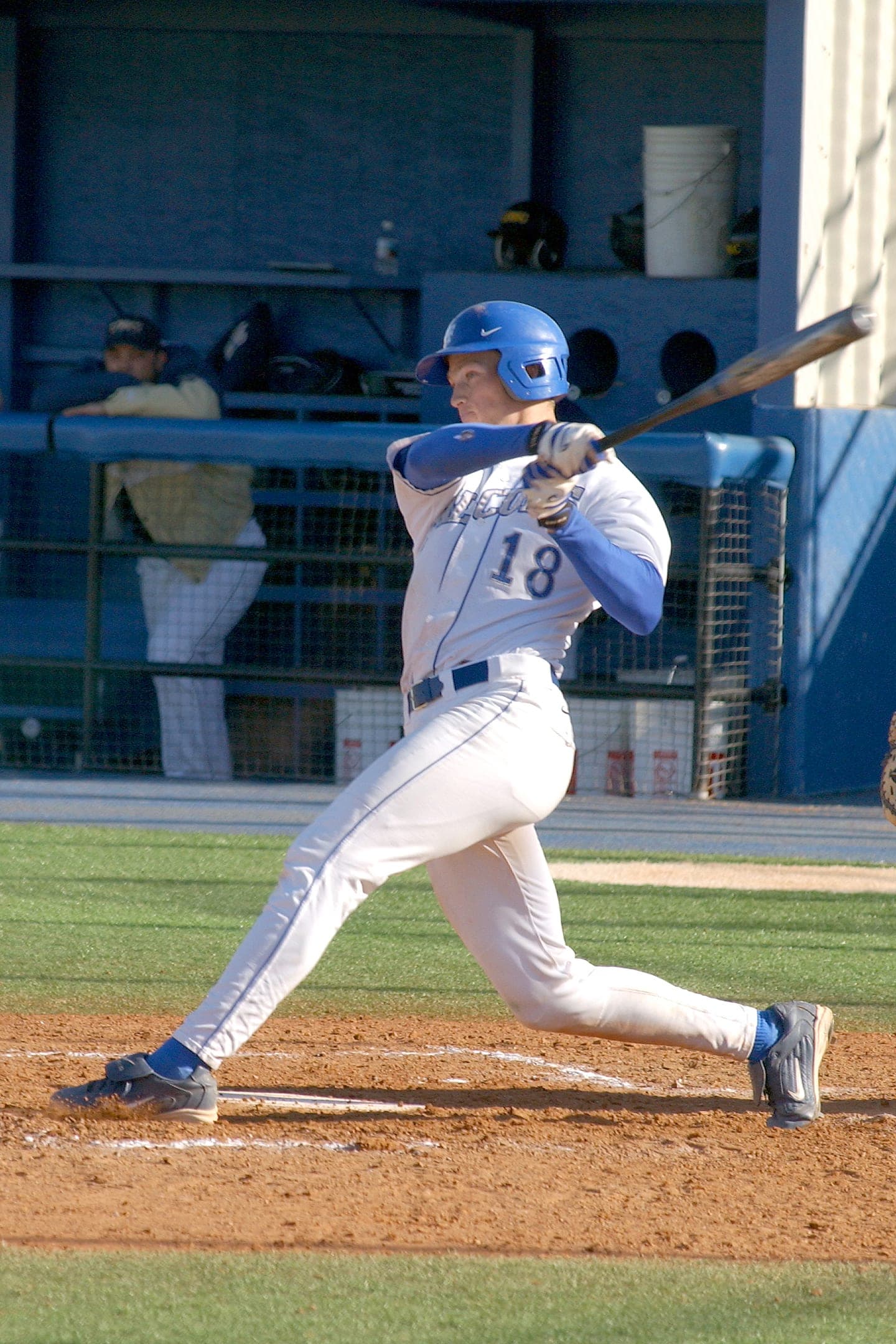
Baseball
A bat-and-ball team sport where two sides alternate between batting and fielding to score runs.
Softball
A friendly bat-and-ball team sport, closely related to baseball, played with a larger, softer ball.
Football
The world’s most popular team sport — endless running, teamwork and community in one game.
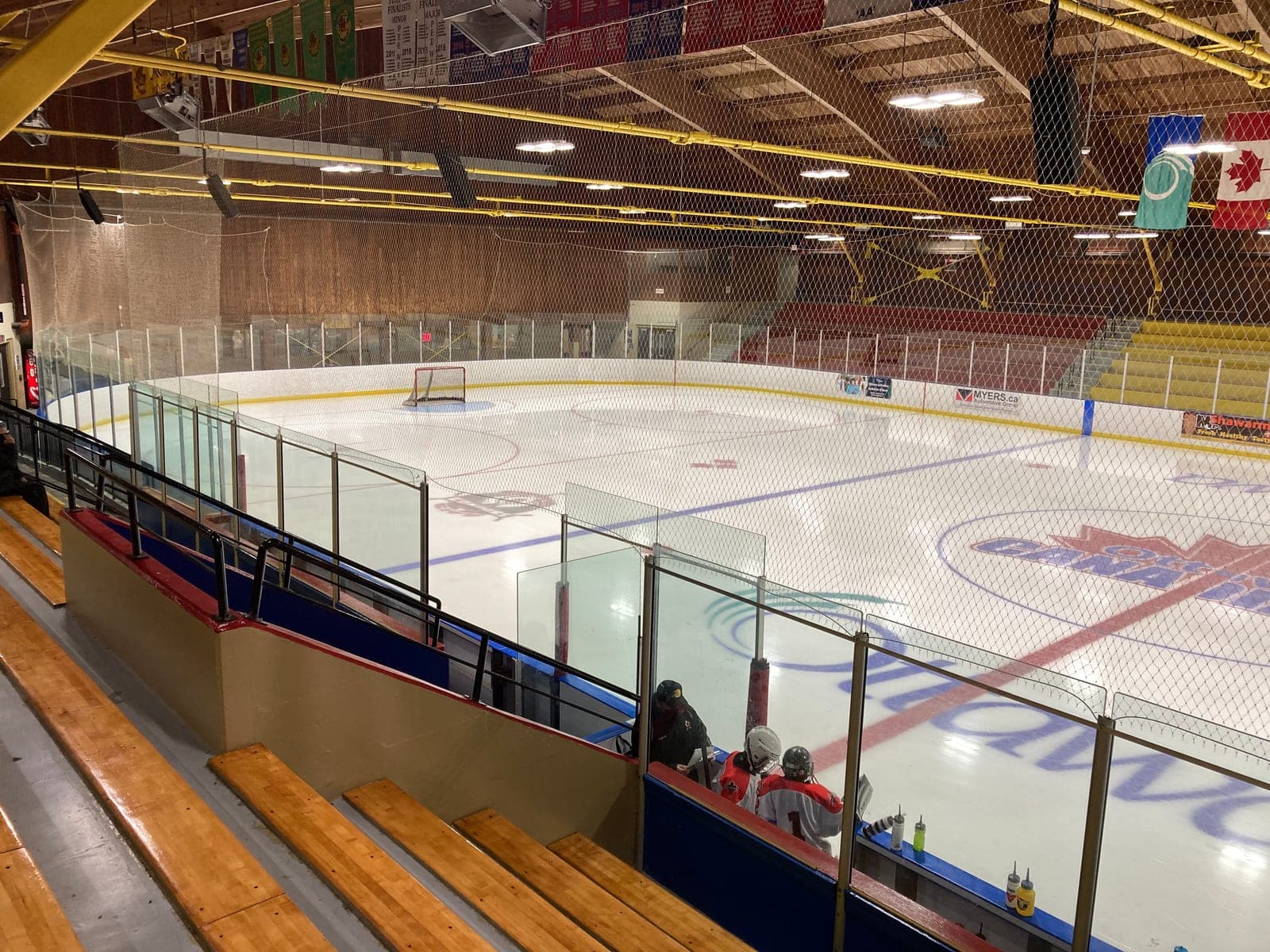
Ice Hockey
A fast team sport on ice that combines skating skill with quick passing and goal-scoring.
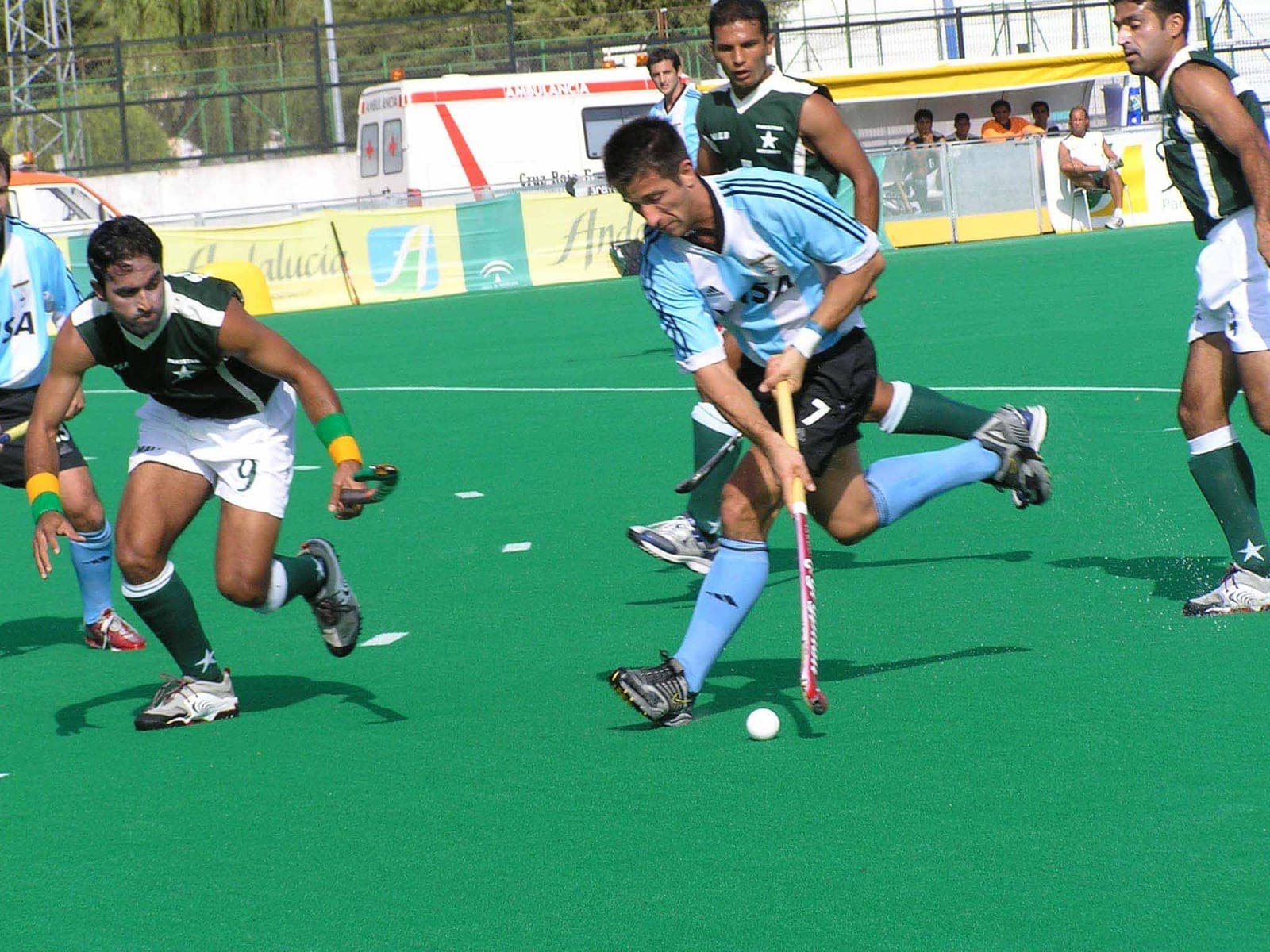
Field Hockey
An outdoor team sport that uses curved sticks to move a ball, built on agility and teamwork.
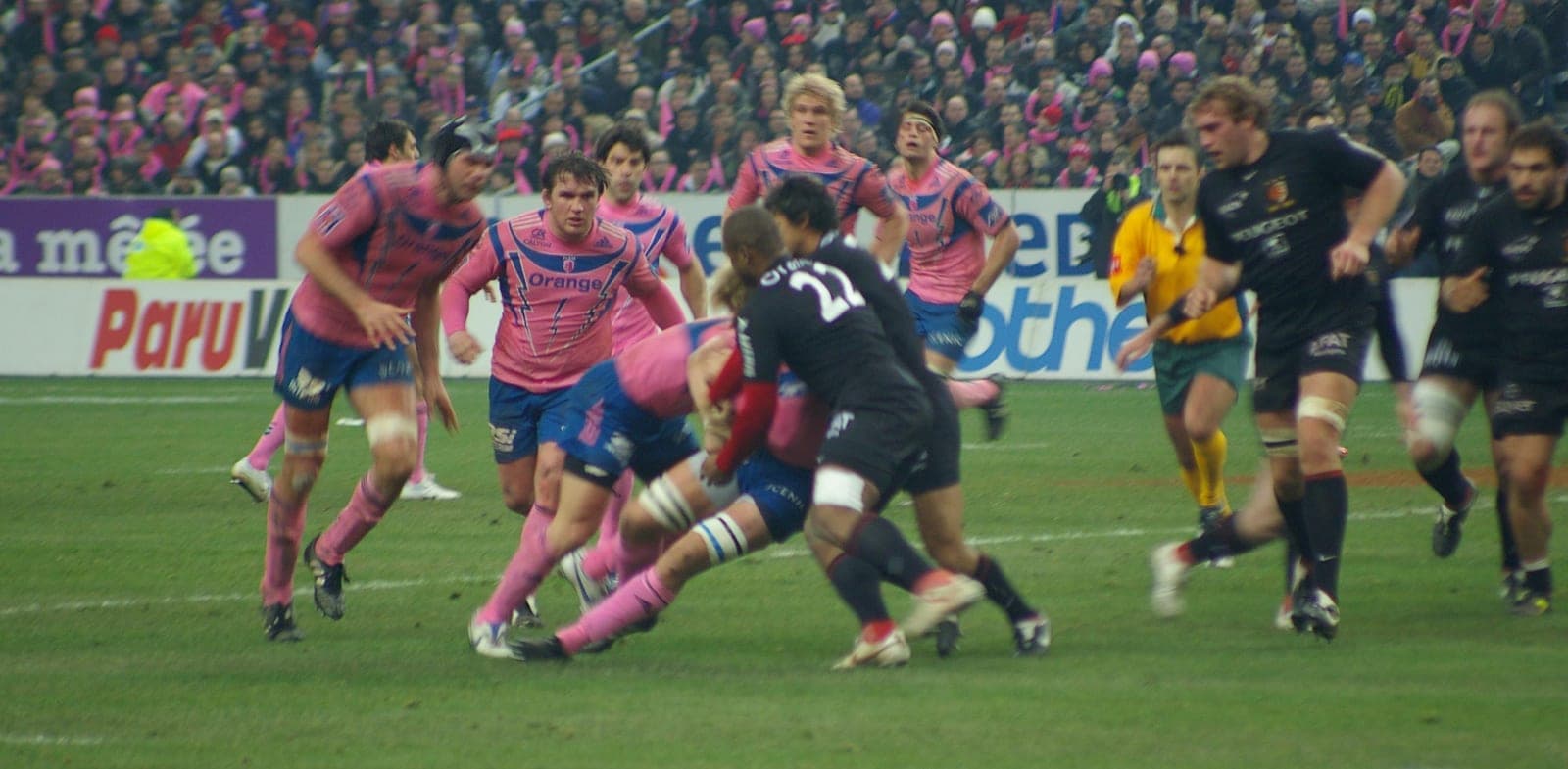
Rugby
A physical team sport of carrying, passing and kicking an oval ball toward the opposing line.
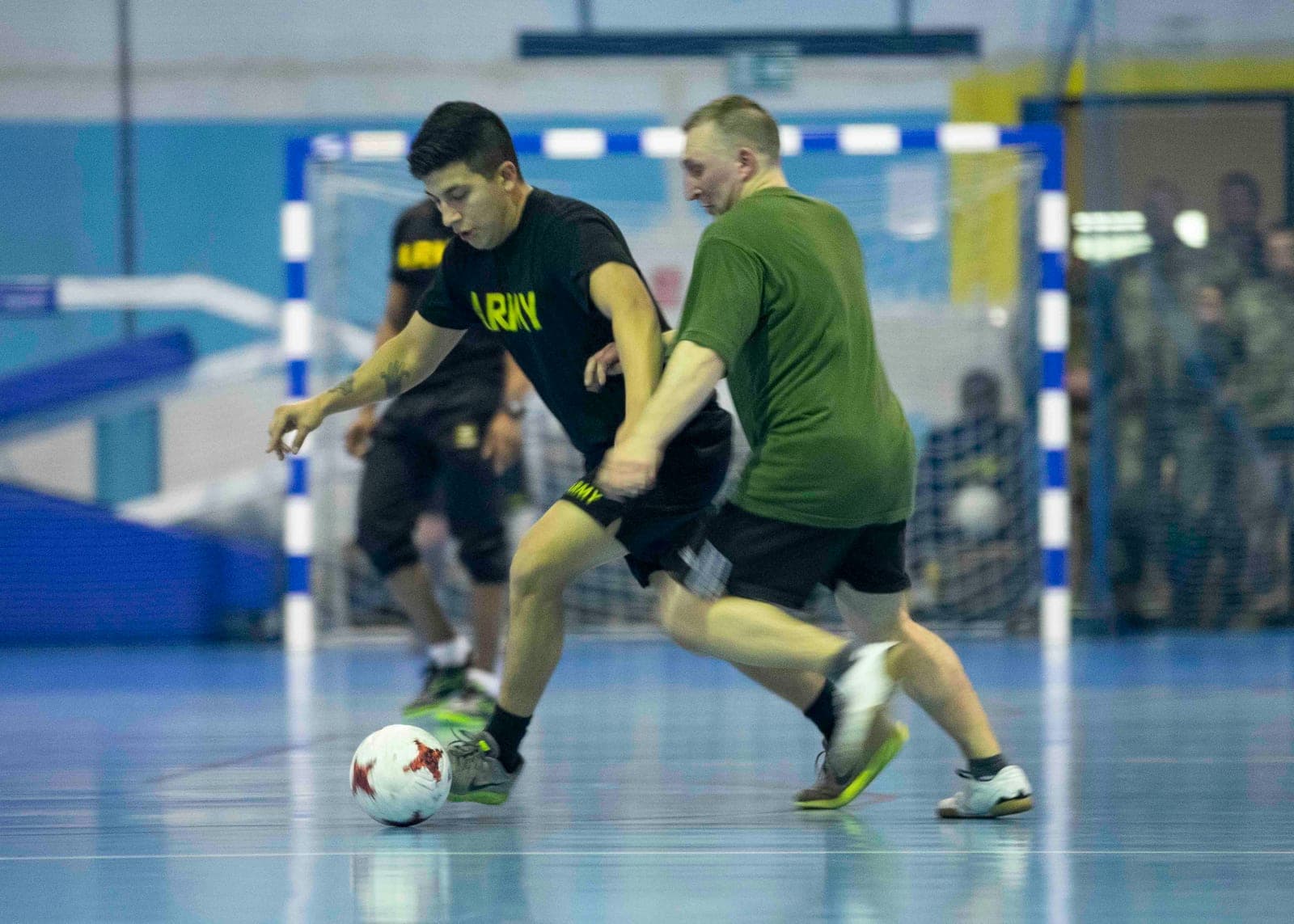
Futsal
A fast, small-sided indoor form of football played on a hard court with a low-bounce ball.
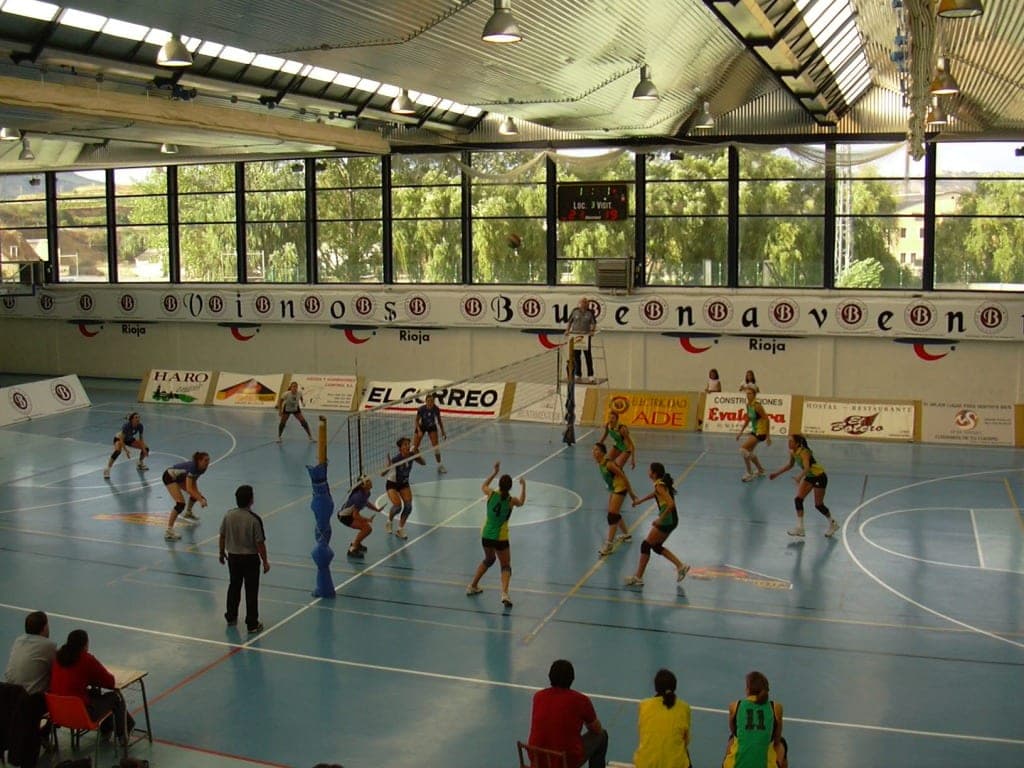
Volleyball
A non-contact team sport of rallies, jumps and teamwork — indoors or on the beach.
How it connects
The meaning-bearing relationships that place Slide in the wider knowledge graph — each one with the reason it exists.
Builds on
Understanding these first makes this one make sense.
Commonly confused with
Close enough to be mixed up — the distinction is worth knowing.
Explore across the knowledge base
Follow the threads that connect Slide to the rest of SocialSportHub.
Movement comparisons
- Glide vs SlideGlide vs Slide: how these two movements differ, what they share, and how to tell them apart — from mechanics to the sports that use them.
- Lunge vs ReachLunge vs Reach: how these two movements differ, what they share, and how to tell them apart — from mechanics to the sports that use them.
- Catch vs ReachCatch vs Reach: how these two movements differ, what they share, and how to tell them apart — from mechanics to the sports that use them.
Skills
- FootworkThe skill of moving efficiently around the playing area to be in position for each shot or action.
- TacklingThe skill of legally challenging an opponent to win the ball or stop their progress.
- MarkingThe defensive skill of staying close to an opponent to limit their space and options.
- BalanceThe skill of keeping the body stable and controlled while still or moving.
- Core stabilityThe skill of engaging the trunk muscles to keep the body strong and controlled through movement.
Sports science
- BiomechanicsThe study of how the body produces and controls movement — the mechanics behind every technique in sport.
- Force and powerThe difference between how much force the body can produce and how quickly it can produce it — the mechanics behind strength and explosiveness.
- Movement efficiencyHow economically the body performs a movement — achieving the goal with the least wasted effort.
- ProprioceptionThe body’s internal sense of where its parts are and how they are moving — the awareness behind balance and coordinated movement.
- Motor controlHow the brain and nervous system organise the muscles to produce coordinated, controlled movement.
Training methods
- PlyometricsPlyometrics are jumping and bounding drills that train muscles to produce force quickly, developing power and springiness through explosive movement.
- Cross-TrainingCross-training mixes different activities into your routine so you build all-round fitness and give repeatedly-used muscles a change of stimulus.
Coaching concepts
- Constraints-Led PracticeA coaching approach that adjusts the task, environment or rules so a desired movement or decision emerges in practice, rather than being explicitly instructed.
- Small-Sided GamesPractising in scaled-down versions of a sport — fewer players, smaller area — so skills and decisions happen more often in a game-like setting.
- Decision-Making PracticeTraining athletes to read cues and choose the right action under pressure — coupling perception to action, not just rehearsing physical technique in isolation.
- Repetition QualityThe attention and intent behind each repetition matter more than raw volume — focused, well-executed reps build skill faster than mindless numbers.
Playing surfaces
Go deeper with Slide
Everywhere else on the platform that covers Slide — assembled from what actually references it, so nothing here is a dead end.
Take it away
Open data and the whole-platform view of this subject.
How this page is maintained
- Content type
- Movement pattern
- Provenance
- Tier A — evergreen educational
- Verified external sources
- 0
- Content updated
- 2026-07-13
Evergreen, first-party explanation — it makes no claim that needs an external source. How we handle sources and reviews.