
Easy days
Easy days are deliberately gentle training days that keep the effort low so harder sessions can stay hard.
Overview
Not every training day is meant to be tough. Easy days are sessions kept deliberately gentle — a relaxed run, a light spin, an unhurried swim — so the week has a sensible mix of harder and easier efforts. This “easy days easy, hard days hard” idea is a long-standing way to train sustainably.
The common mistake is making easy days a bit too hard, which leaves you slightly tired for everything. Keeping easy efforts genuinely easy is what lets your harder sessions feel strong and your recovery actually happen.
Good to know
- The aim is a comfortable, conversational effort — resist the urge to push.
- Easy days let harder sessions later in the week feel strong.
- Making easy days too hard is a common way to end up flat and tired.
- They pair naturally with rest days and active recovery across a week.
- Ordinary post-exercise soreness (DOMS) often settles more easily with easy days mixed in.
A note on training information
Where it’s used
Sports this relates to:

Running
The most accessible endurance sport — no venue, just shoes and the open road or trail.
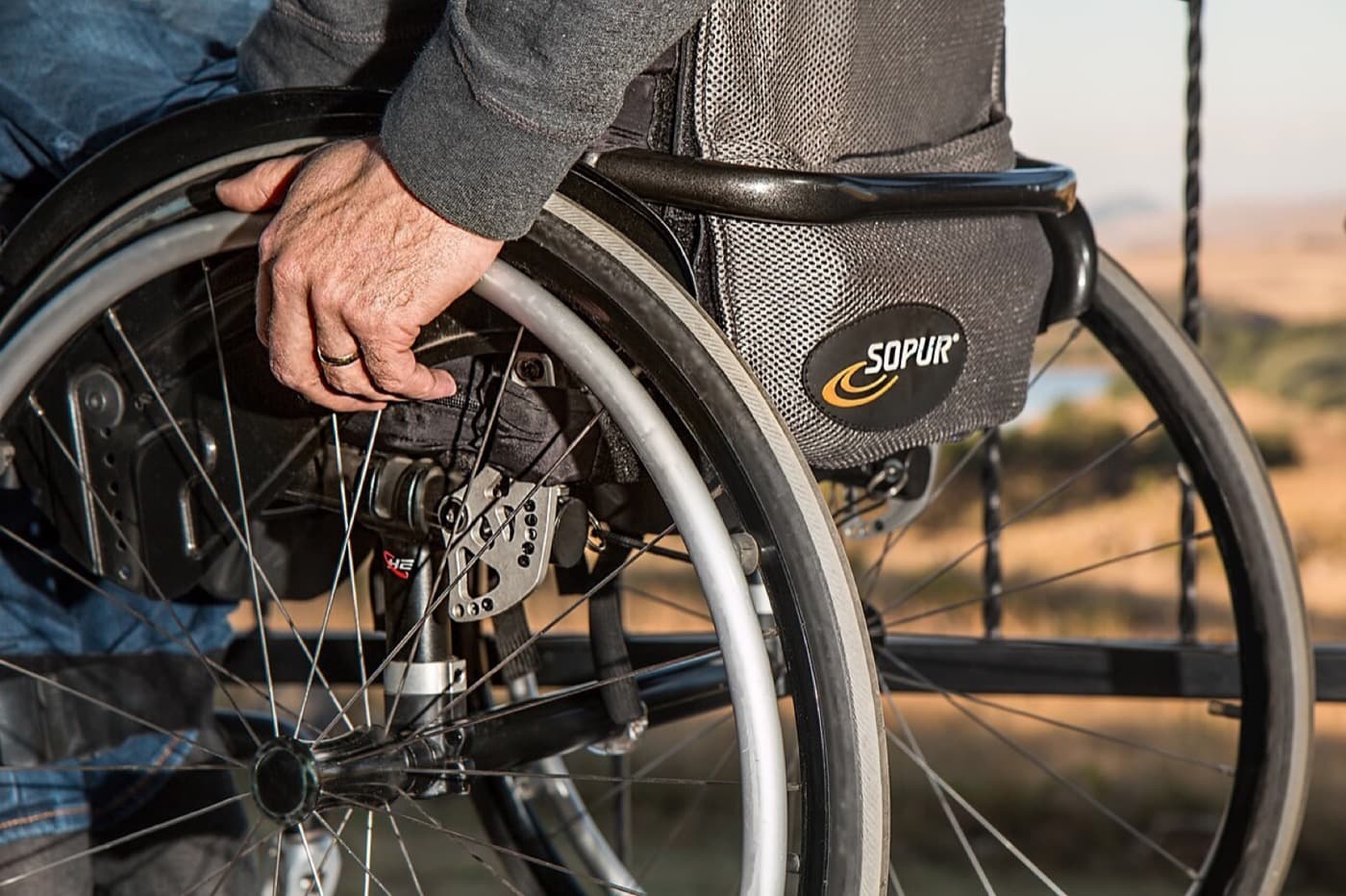
Cycling
A low-impact endurance sport that doubles as transport, exercise and adventure.

Swimming
A full-body, low-impact endurance sport suitable for almost every age and ability.
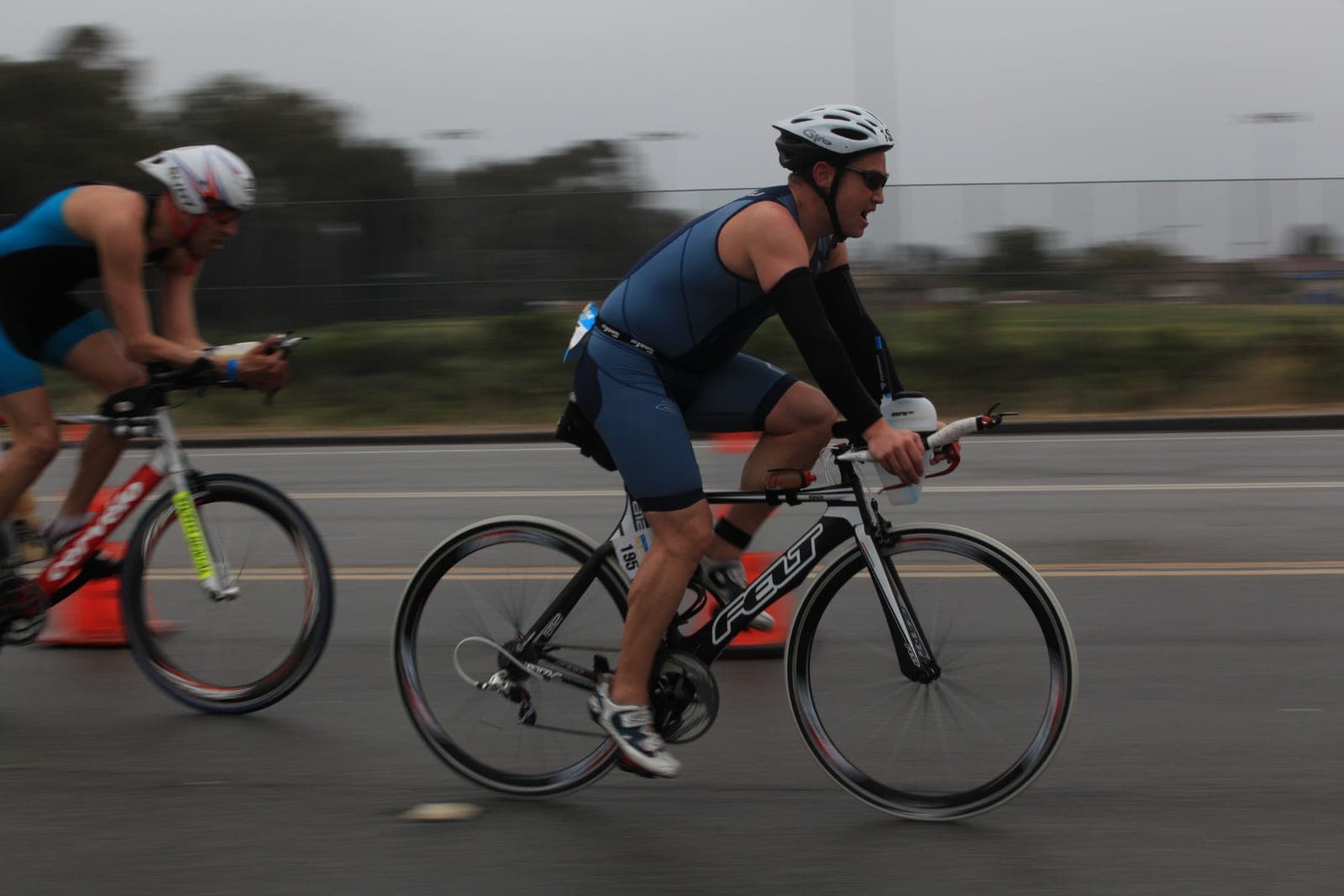
Triathlon
A multi-sport endurance event that links swimming, cycling and running into one continuous race.

Fitness
Strength and general fitness training — the foundation that supports every other sport.
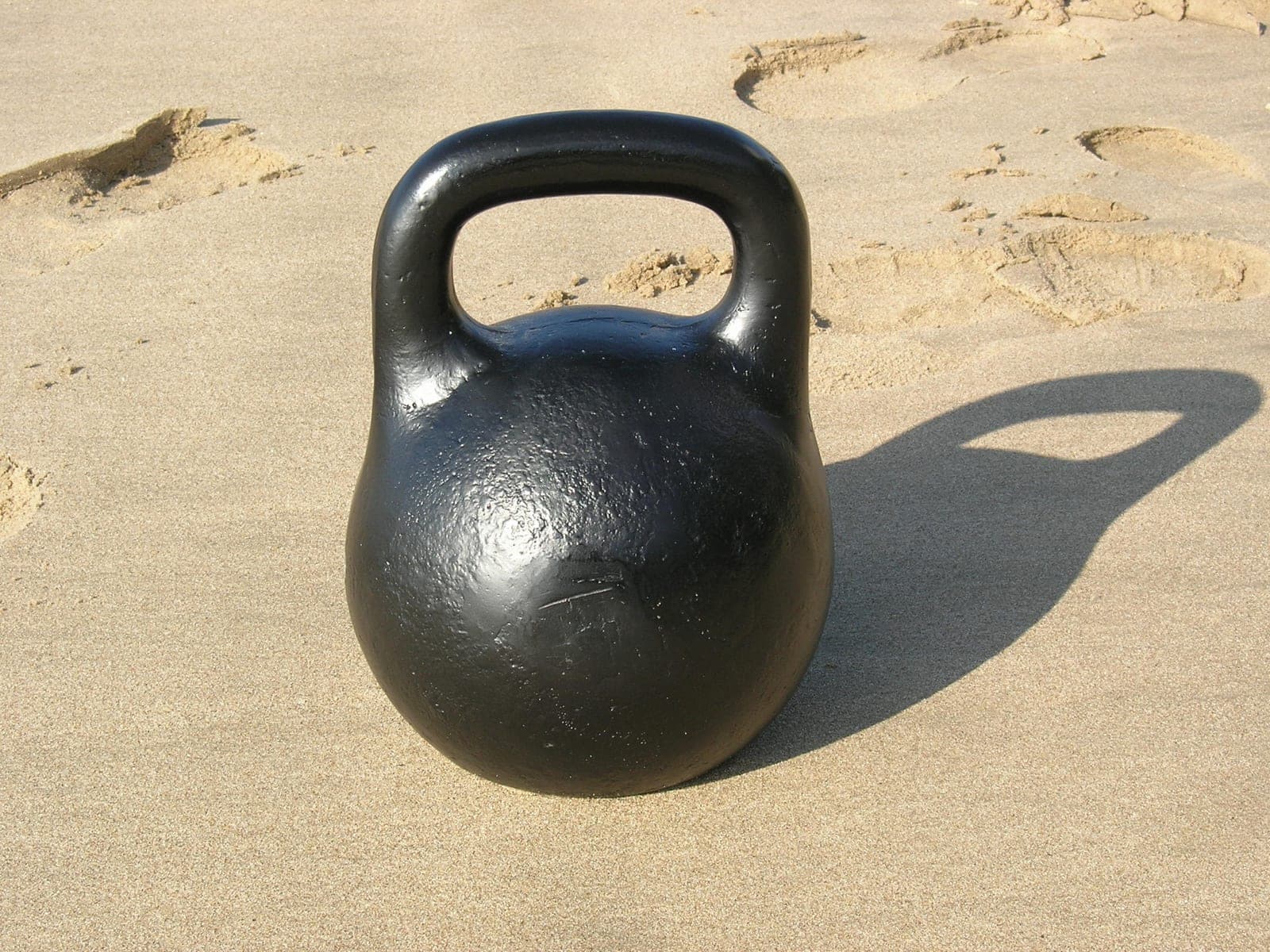
Functional Fitness
Varied, whole-body training built around everyday movement patterns like squatting, lifting and carrying.
Related recovery
Sleep
Regular, good-quality sleep is the foundation of everyday recovery for anyone who trains or plays sport.
Rest days
Rest days are planned days off from training that give the body and mind time to recover between harder sessions.
Active recovery
Active recovery means very easy, gentle movement on lighter days to keep the body moving without adding hard training stress.
How it connects
The meaning-bearing relationships that place Easy days in the wider knowledge graph — each one with the reason it exists.
Supports
Helps the training or recovery side of these.
- RunningEasy days is listed as a recovery method used around Running.
- CyclingEasy days is listed as a recovery method used around Cycling.
- SwimmingEasy days is listed as a recovery method used around Swimming.
- TriathlonEasy days is listed as a recovery method used around Triathlon.
- FitnessEasy days is listed as a recovery method used around Fitness.
Explore across the knowledge base
Follow the threads that connect Easy days to the rest of SocialSportHub.
Healthy living
Training methods
- Active Recovery SessionsActive recovery sessions are deliberately easy bouts of gentle movement — an easy walk, spin or swim — used on lighter days to keep moving without adding hard work.
- Tempo TrainingTempo training holds a firm, controlled 'comfortably hard' pace for a sustained stretch, teaching the body to sustain effort without tipping into a sprint.
Practice & sessions
Lifestyle
Go deeper with Easy days
Everywhere else on the platform that covers Easy days — assembled from what actually references it, so nothing here is a dead end.
Take it away
Open data and the whole-platform view of this subject.
How this page is maintained
- Content type
- Recovery method
- Provenance
- Tier A — evergreen educational
- Verified external sources
- 0
- Content updated
- 2026-07-06
Evergreen, first-party explanation — it makes no claim that needs an external source. How we handle sources and reviews.