
Sprint Start
The explosive start of a sprint from a set, crouched position, driving forward low before gradually rising to full stride.
Overview
A strong sprint start converts a still position into forward speed as quickly as possible. From a crouched set position, the runner drives the arms and legs hard, staying low at first and rising gradually into an upright sprinting posture.
Reacting to the signal, pushing powerfully against the ground and staying patient with the body angle build an efficient acceleration.
How to do it
- 1Settle into a balanced set position with weight forward.
- 2React to the signal and drive both arms and the rear leg forward.
- 3Push powerfully off the ground, staying low with a forward lean.
- 4Take short, driving steps that gradually lengthen.
- 5Rise smoothly into an upright sprinting posture as you reach top speed.
Key points
- Drive forward and low out of the start rather than standing up too soon.
- Push hard against the ground with each of the first steps.
- Let the body angle rise gradually as speed builds.
Where it’s used
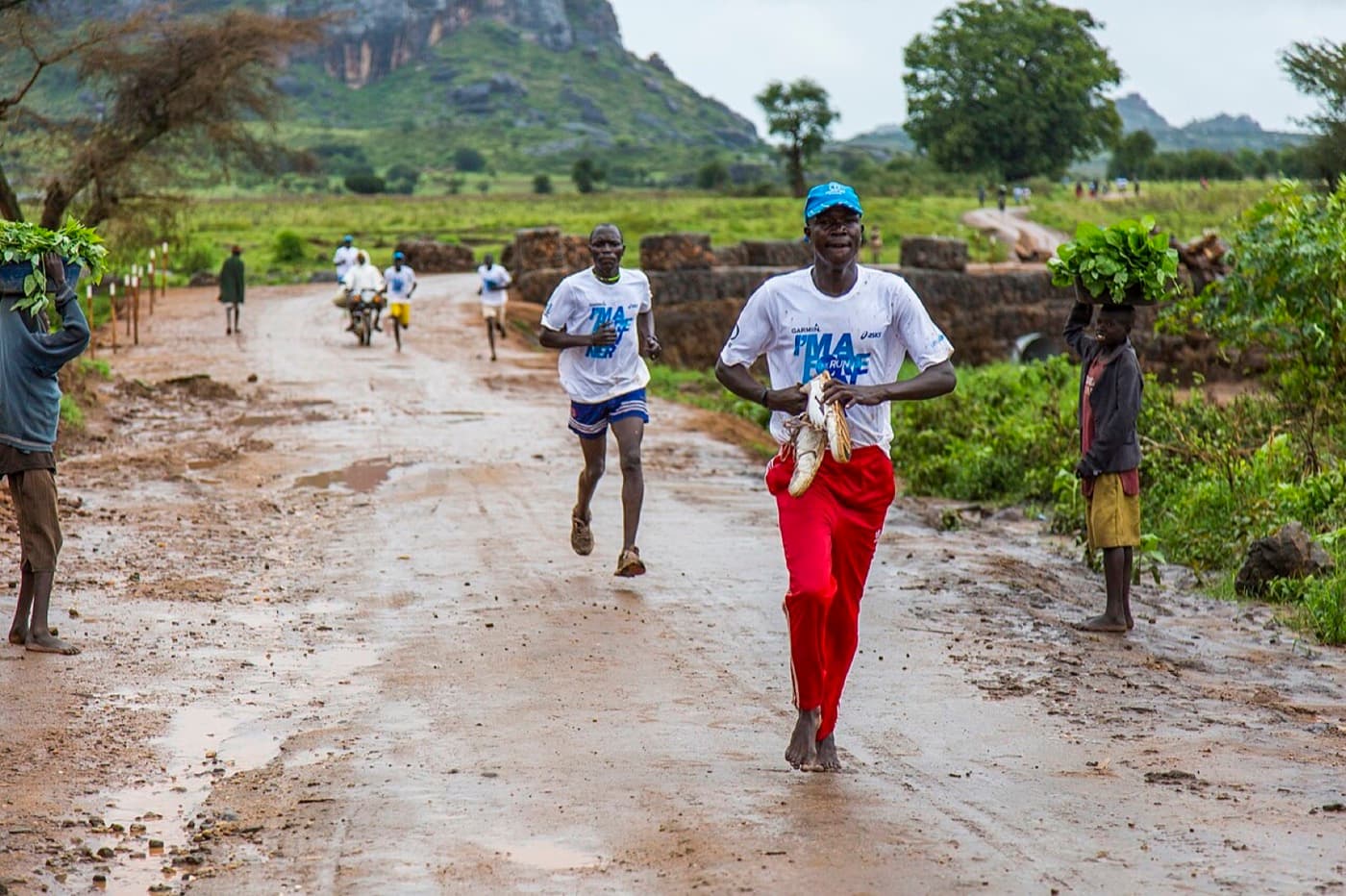
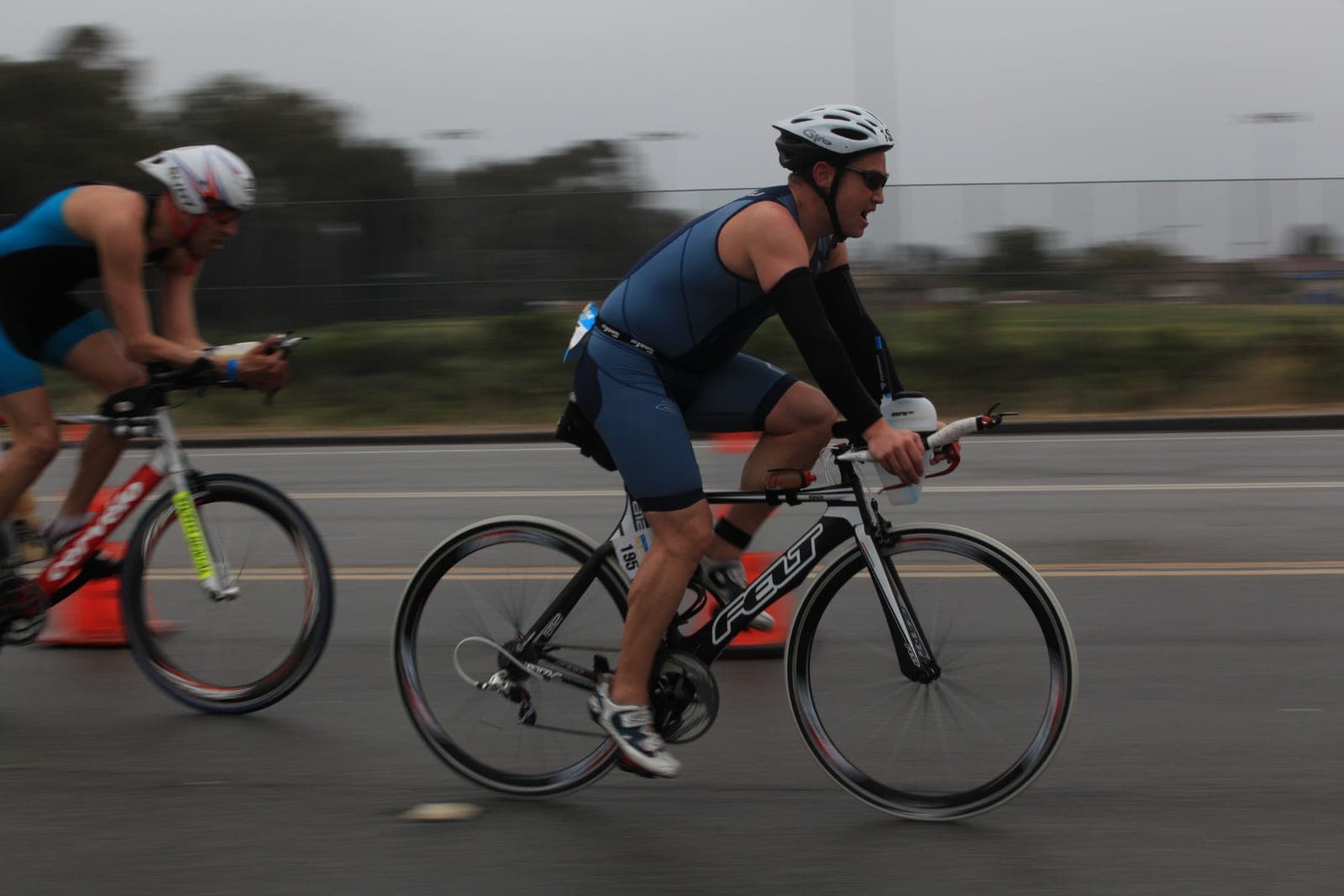
Sports that use sprint start:
Related techniques
Freestyle Stroke
The fastest swimming stroke, using alternating overhead arm pulls, a flutter kick and rhythmic side breathing.
Running Form
The efficient posture and stride mechanics of distance running, keeping the body relaxed and the cadence smooth.
Cycling Cadence
The technique of pedalling at a smooth, steady rhythm and choosing a gear that keeps the legs turning efficiently.
How it connects
The meaning-bearing relationships that place Sprint Start in the wider knowledge graph — each one with the reason it exists.
Frequently learned together
Taught side by side in the same stage of a learning path.
Explore across the knowledge base
Follow the threads that connect Sprint Start to the rest of SocialSportHub.
Movement patterns
- GaitThe cyclic, alternating single-leg pattern of walking and running that carries the body across the ground — the base of most field and endurance sport.
- SquatA knee-dominant pattern: bending the hips, knees and ankles to lower and rise while keeping the torso upright — the foundation of lower-body strength.
- HingeA hip-dominant pattern: bend forward at the hips with a flat back, minimal knee bend, then drive the hips tall — powers pulling from the floor and jumping.
- AccelerationThe athletic pattern of building speed from a standing or slow start by driving large horizontal forces into the ground to project the body forward.
- BoundAn exaggerated, horizontal springing stride that transfers from one leg to the opposite leg with a long flight phase, amplifying the mechanics of running.
Skills
- SprintingThe skill of running or riding at maximum controlled speed over a short distance.
- Running formThe skill of running with efficient, relaxed and balanced movement, so that more of the effort you put in goes into travelling forward.
- DrivingThe skill of hitting a long tee shot that sets up the rest of the hole from a playable position.
- SettingThe volleyball skill of accurately placing the ball for a teammate to attack.
- DiggingThe volleyball skill of controlling a hard-driven ball low to keep it in play.
Go deeper with Sprint Start
Everywhere else on the platform that covers Sprint Start — assembled from what actually references it, so nothing here is a dead end.
Learn it
Structured courses and paths on the platform that cover this directly.
Take it away
Open data and the whole-platform view of this subject.
How this page is maintained
- Content type
- Technique
- Provenance
- Tier A — evergreen educational
- Verified external sources
- 0
- Content updated
- 2026-09-12
Evergreen, first-party explanation — it makes no claim that needs an external source. How we handle sources and reviews.