
Running shoes
Cushioned footwear designed for the repetitive forward motion of running.
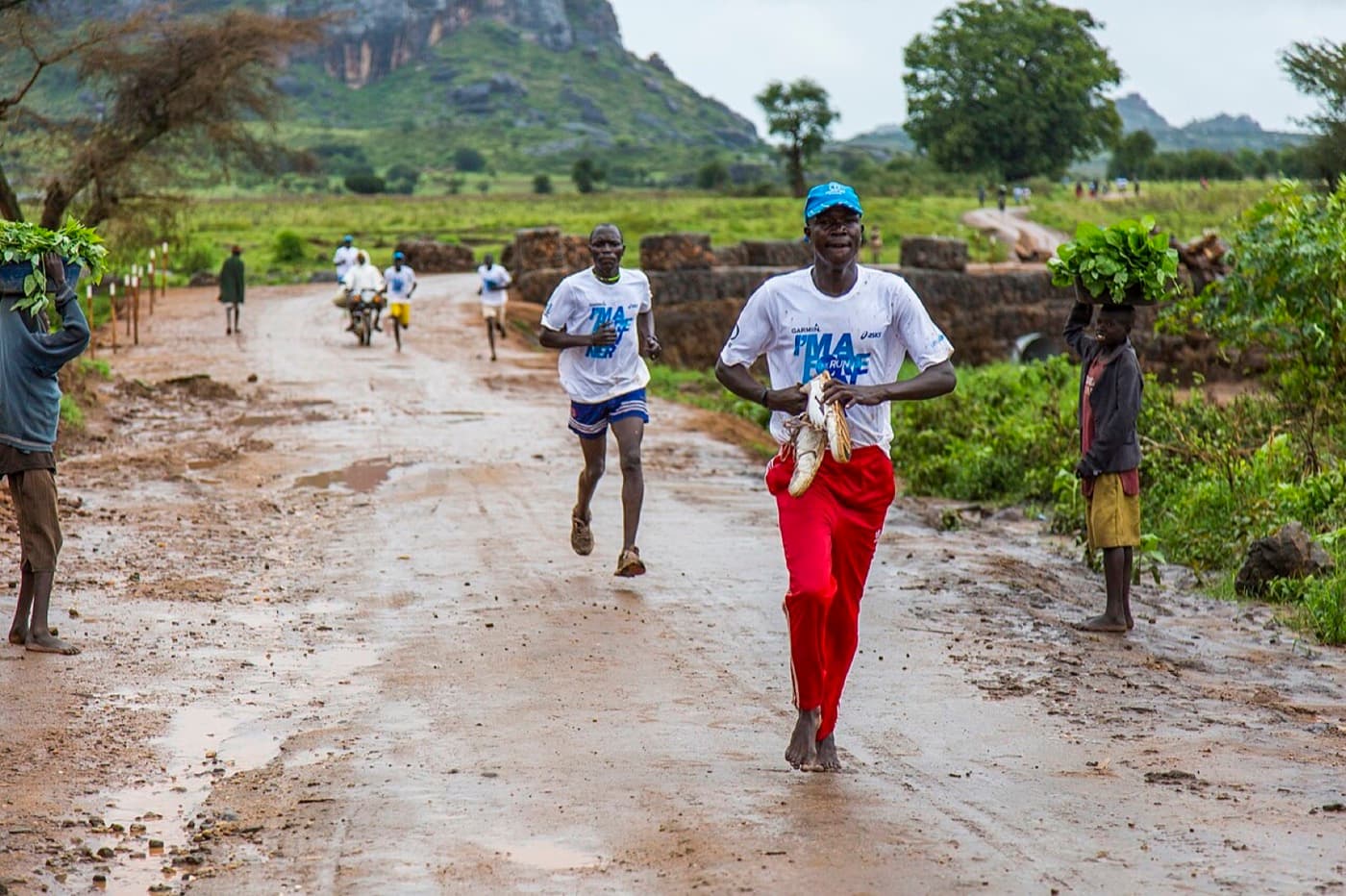

Overview
Running shoes are built for repetitive forward motion, typically with a cushioned midsole to absorb impact, a flexible outsole with tread for grip, and a breathable upper that holds the foot in place.
Different models suit road, trail and track running, but the shared goal is comfortable, stable footing over many strides. A well-fitting pair is the main piece of gear most runners need.
Good to know
- The cushioned midsole absorbs impact stride after stride.
- Trail versions add grippier, more rugged outsoles.
- Fit and comfort matter more than looks.
Where it’s used
Sports that use running shoes:
Running
The most accessible endurance sport — no venue, just shoes and the open road or trail.
Trail Running
Running off-road on trails, hills and natural terrain, away from pavements and traffic.

Triathlon
A multi-sport endurance event that links swimming, cycling and running into one continuous race.
How it connects
The meaning-bearing relationships that place Running shoes in the wider knowledge graph — each one with the reason it exists.
Frequently learned together
Taught side by side in the same stage of a learning path.
- Water bottleBoth are taught in the “What you’ll need” stage of the Running learning path.
- Athletics trackBoth are taught in the “What you’ll need” stage of the Running learning path.
- Synthetic trackBoth are taught in the “What you’ll need” stage of the Running learning path.
- SandBoth are taught in the “What you’ll need” stage of the Running learning path.
- GravelBoth are taught in the “What you’ll need” stage of the Running learning path.
Explore across the knowledge base
Follow the threads that connect Running shoes to the rest of SocialSportHub.
Facilities
Playing surfaces
- Synthetic trackAn all-weather rubberised athletics running surface — firm, springy and high-grip — giving sprinters and distance runners fast, consistent, predictable footing.
- SandLoose beach sand: a soft, shifting, energy-sapping surface with no true bounce that rewards balance and footwork, used for beach sports and conditioning.
- GravelLoose crushed stone over a firm base — an unpaved middle ground between smooth road and rough trail, ridden and run for variable grip and steady pace.
- Road (Tarmac / Asphalt)Paved tarmac or asphalt: a firm, smooth, predictable surface that rewards steady pace and rhythm — the ground for road running, cycling and race-walking.
- TrailNatural off-road terrain of dirt, rock, roots, grass and mud that varies constantly and rewards surefootedness in trail running, mountain biking and hiking.
Techniques
Learning paths
Disciplines
- Sprint DistanceSprint distance triathlon combines a short swim, bike, and run, making it a common entry point and a fast, higher-intensity racing format.
- Standard (Olympic) DistanceStandard, or Olympic, distance triathlon pairs a 1.5 km swim, 40 km bike, and 10 km run, and is the format contested at the Olympic Games.
- Middle Distance (70.3)Middle distance triathlon, widely known as 70.3, covers a 1.9 km swim, 90 km bike, and a 21.1 km half-marathon run.
- Long Distance (Ironman)Long distance triathlon, popularly known as Ironman, covers a 3.8 km swim, 180 km bike, and a 42.2 km marathon run.
Go deeper with Running shoes
Everywhere else on the platform that covers Running shoes — assembled from what actually references it, so nothing here is a dead end.
Learn it
Structured courses and paths on the platform that cover this directly.
Kit it out
Equipment guidance drawn from the graph, with no brands and no affiliate links.
Take it away
Open data and the whole-platform view of this subject.
How this page is maintained
- Content type
- Equipment
- Provenance
- Tier A — evergreen educational
- Verified external sources
- 0
- Content updated
- 2026-09-12
Evergreen, first-party explanation — it makes no claim that needs an external source. How we handle sources and reviews.