
Running form
The skill of running with efficient, relaxed and balanced movement, so that more of the effort you put in goes into travelling forward.
Overview
Running form is the way the body moves while running — posture, arm carriage, foot strike and cadence. Efficient form lets a runner cover ground with less wasted energy and hold their pace more comfortably.
There is no single perfect style, but common principles help: staying tall and relaxed, keeping the arms driving in rhythm and landing under the body rather than reaching far ahead.
Key points
- Running tall with a slight forward lean from the ankles aids momentum.
- Relaxed arms driving forward and back help set the rhythm of the legs.
- Landing with the foot under the body is more efficient than overstriding.
- A quicker, lighter cadence often feels smoother than long, heavy strides.
- Staying relaxed in the shoulders and hands saves energy over distance.
Where it’s used
Sports that use running form:
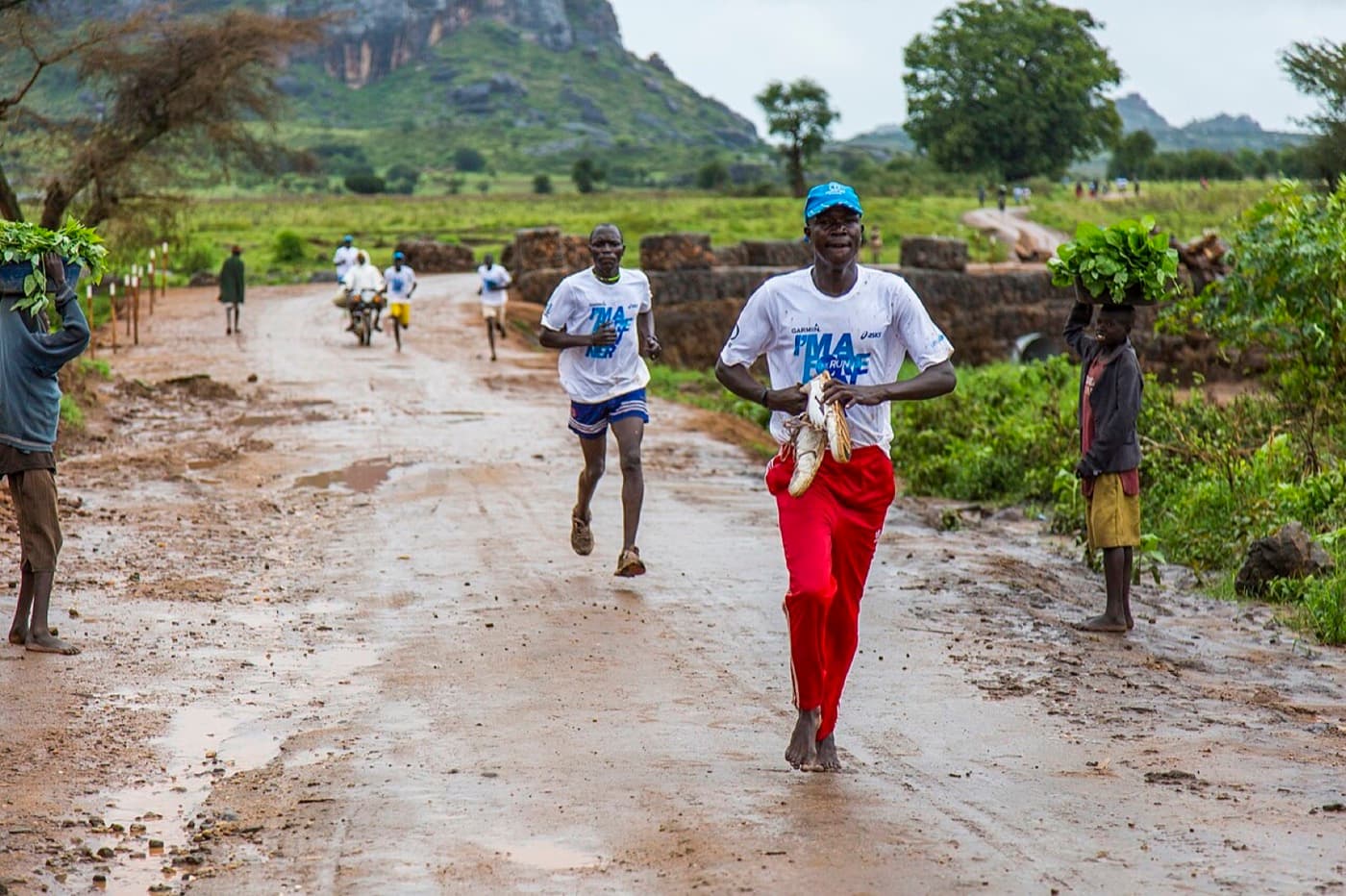
Running
The most accessible endurance sport — no venue, just shoes and the open road or trail.
Trail Running
Running off-road on trails, hills and natural terrain, away from pavements and traffic.
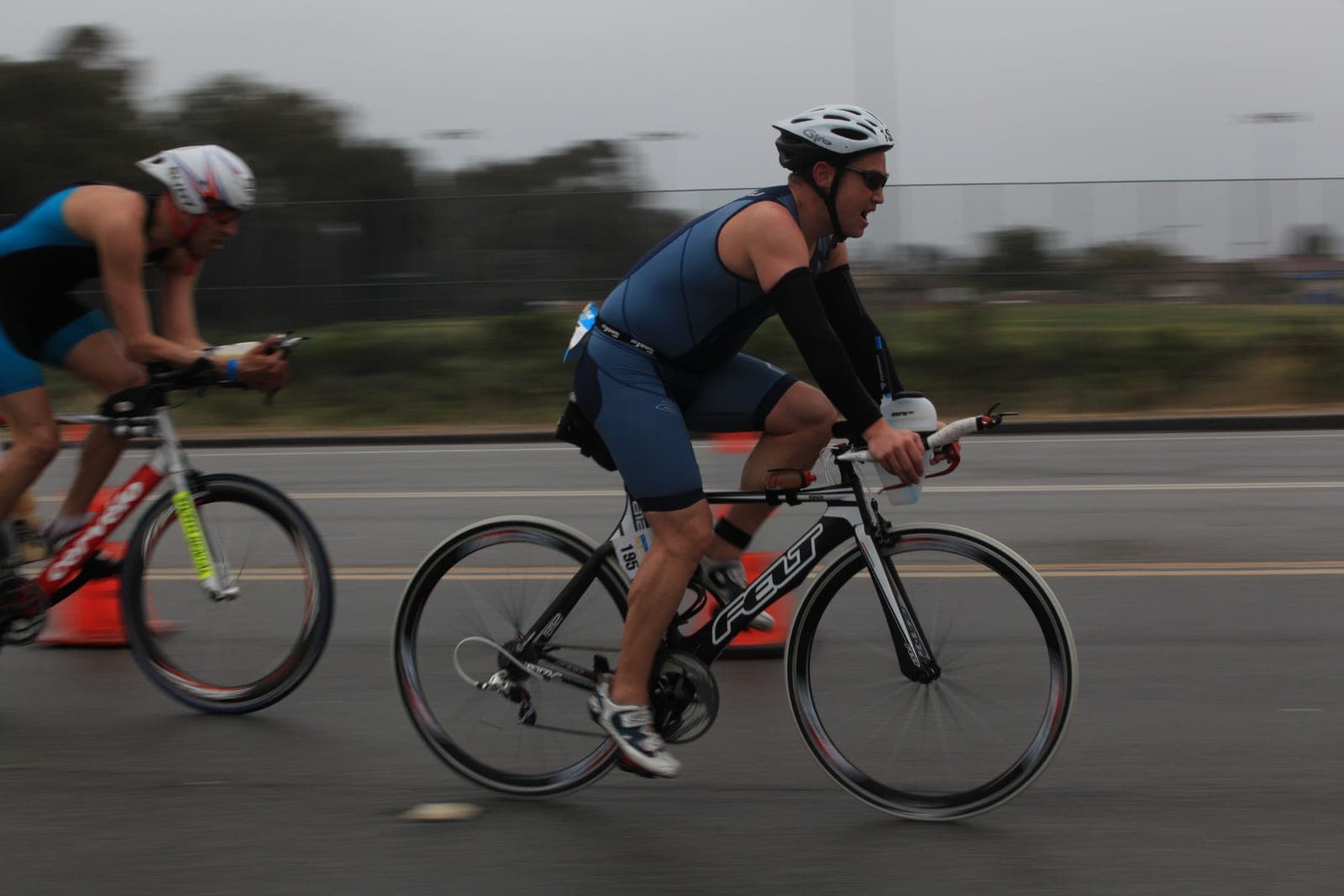
Triathlon
A multi-sport endurance event that links swimming, cycling and running into one continuous race.
How it connects
The meaning-bearing relationships that place Running form in the wider knowledge graph — each one with the reason it exists.
Progresses to
The next step in a curated learning order.
Progresses from
The step that comes before this one in a curated learning order.
Frequently learned together
Taught side by side in the same stage of a learning path.
- PacingBoth are taught in the “Learn the core skills” stage of the Running learning path.
- BreathingBoth are taught in the “Learn the core skills” stage of the Running learning path.
- SprintingBoth are taught in the “Learn the core skills” stage of the Running learning path.
- Front crawlBoth are taught in the “Learn the core skills” stage of the Triathlon learning path.
- PedallingBoth are taught in the “Learn the core skills” stage of the Triathlon learning path.
Explore across the knowledge base
Follow the threads that connect Running form to the rest of SocialSportHub.
Skills Academy
Movement patterns
- AccelerationThe athletic pattern of building speed from a standing or slow start by driving large horizontal forces into the ground to project the body forward.
- BackpedalControlled backward locomotion performed while facing forward, staying low and pushing off the balls of the feet in short strides to stay reactive and keep play in view.
- BoundAn exaggerated, horizontal springing stride that transfers from one leg to the opposite leg with a long flight phase, amplifying the mechanics of running.
- Crossover StepA lateral or diagonal travelling step in which one leg crosses over the other with accompanying hip and trunk rotation, trading a stable base for greater reach and speed.
- GaitThe cyclic, alternating single-leg pattern of walking and running that carries the body across the ground — the base of most field and endurance sport.
Techniques
- Running FormThe efficient posture and stride mechanics of distance running, keeping the body relaxed and the cadence smooth.
- Sprint StartThe explosive start of a sprint from a set, crouched position, driving forward low before gradually rising to full stride.
- PlankA static core exercise that holds the body in a straight line supported on the forearms and toes.
- Golf Full SwingThe complete rotational swing used for tee shots and longer approach shots, from setup through backswing to a balanced finish.
- DeadliftA strength exercise that lifts a loaded barbell from the floor to a standing position by extending the hips and knees together.
Learning paths
Beginner guides
- Your first running sessionA warm, honest picture of what a first running session actually feels like — so you can turn up relaxed, run at a comfortable effort, and enjoy it without any pressure to be fast.
- Your First Informal Game or KickaboutA relaxed kickabout, hit or pick-up game is a genuine way into a sport — you learn by playing, the courtesies are simple, and nobody expects you to be good yet.
Go deeper with Running form
Everywhere else on the platform that covers Running form — assembled from what actually references it, so nothing here is a dead end.
Learn it
Structured courses and paths on the platform that cover this directly.
How this page is maintained
- Content type
- Skill
- Provenance
- Tier A — evergreen educational
- Verified external sources
- 0
- Content updated
- 2026-09-12
Evergreen, first-party explanation — it makes no claim that needs an external source. How we handle sources and reviews.