
Sprinting
The skill of running or riding at maximum controlled speed over a short distance.
Overview
Sprinting is all-out effort over a short distance, whether in a track race, a burst to beat an opponent to the ball or a final surge to the line. It combines explosive power with coordinated, efficient movement.
Because it is so intense, sprinting is brief by nature. Good sprinting is not just about power but about staying relaxed and mechanically efficient at high speed.
Key points
- Sprinting is maximum effort held only for a short distance or burst.
- Driving the arms in rhythm with the legs helps generate speed.
- Staying relaxed, especially in the shoulders and face, keeps movement efficient.
- A quick, powerful push against the ground drives each stride or pedal stroke.
- In track events, a false start before the gun results in disqualification.
Where it’s used
Sports that use sprinting:
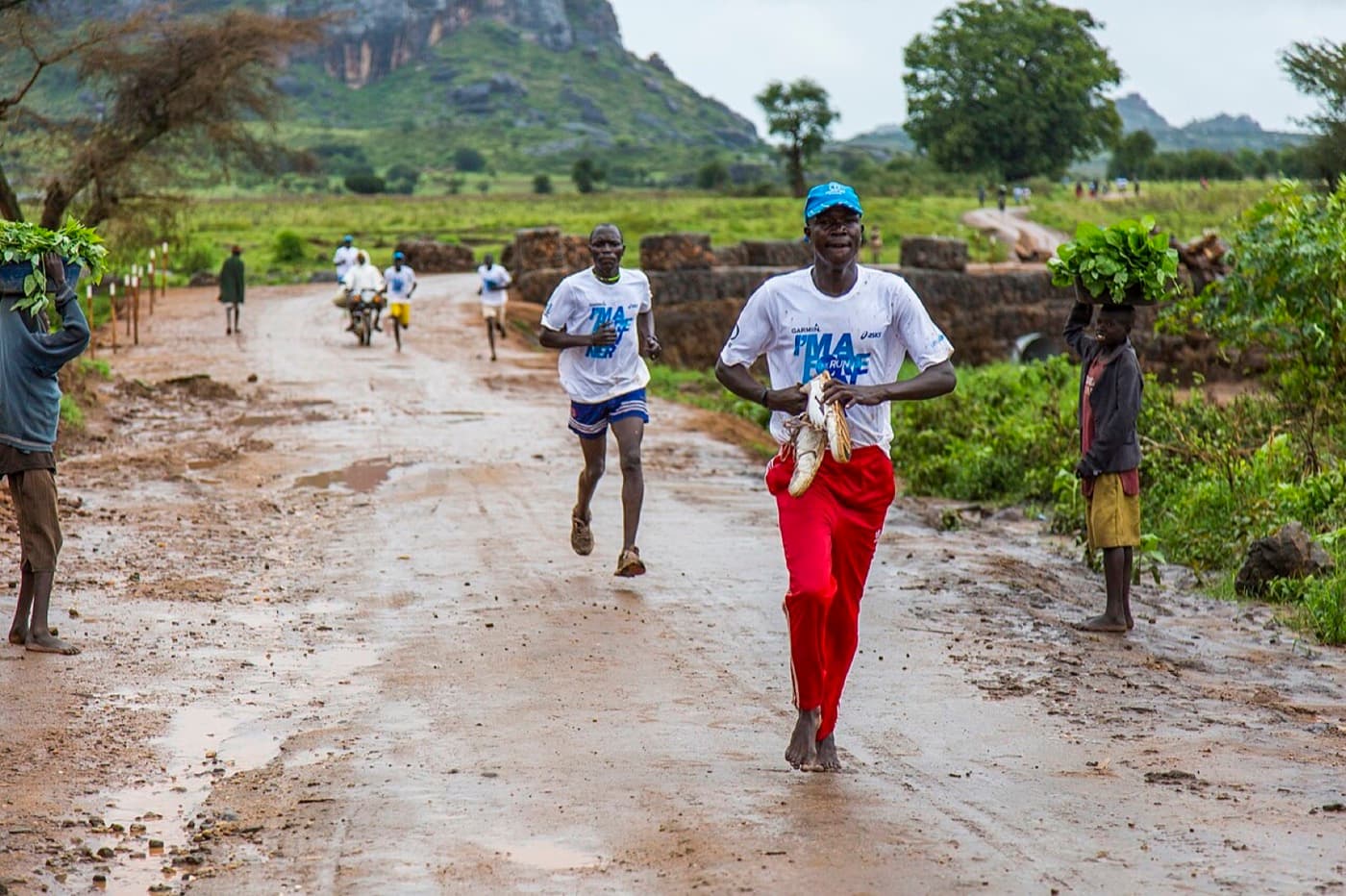
Running
The most accessible endurance sport — no venue, just shoes and the open road or trail.
Football
The world’s most popular team sport — endless running, teamwork and community in one game.
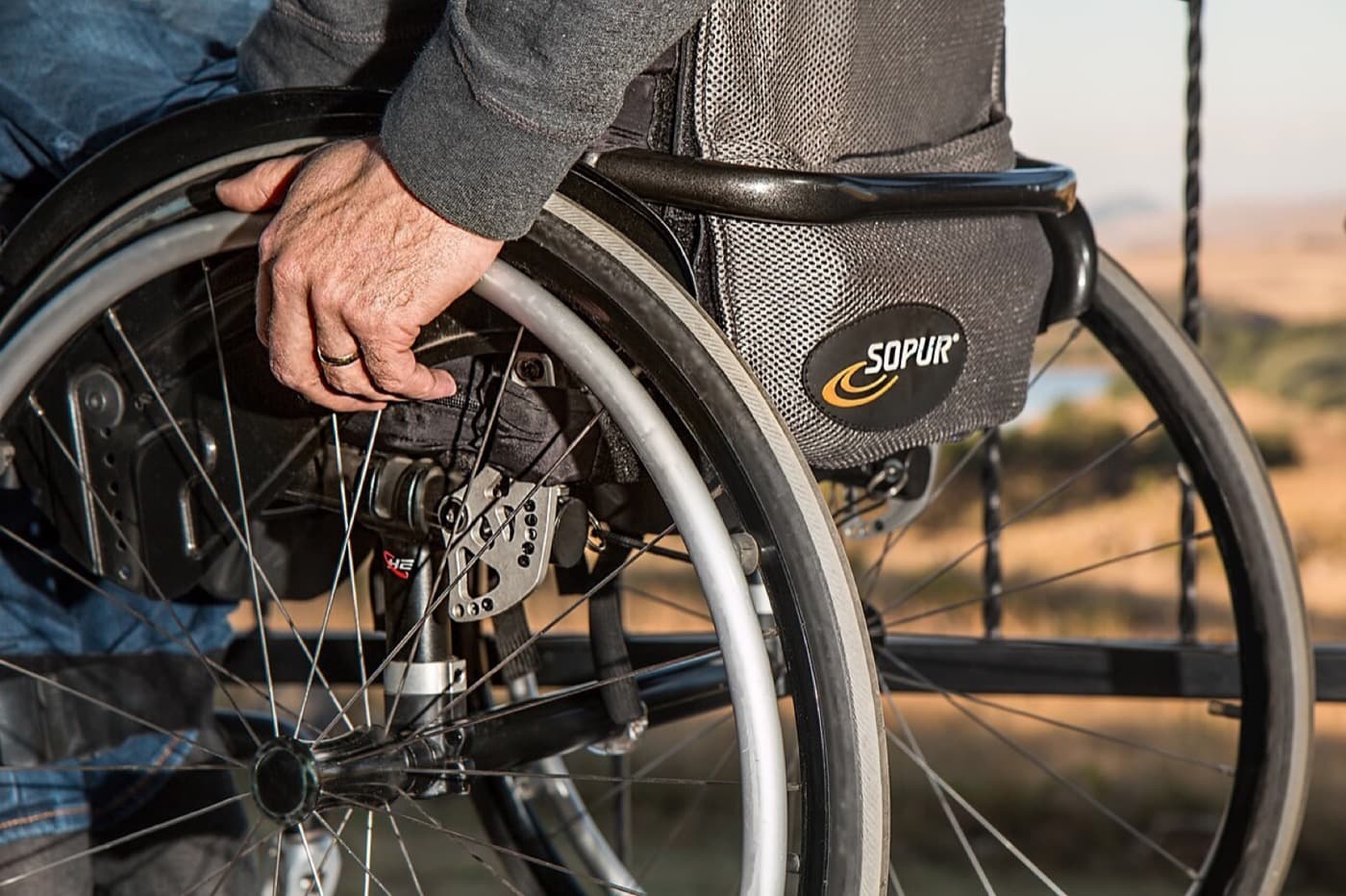
Cycling
A low-impact endurance sport that doubles as transport, exercise and adventure.
Related skills
How it connects
The meaning-bearing relationships that place Sprinting in the wider knowledge graph — each one with the reason it exists.
Progresses to
The next step in a curated learning order.
Progresses from
The step that comes before this one in a curated learning order.
Frequently learned together
Taught side by side in the same stage of a learning path.
- PacingBoth are taught in the “Learn the core skills” stage of the Running learning path.
- BreathingBoth are taught in the “Learn the core skills” stage of the Running learning path.
- Running formBoth are taught in the “Learn the core skills” stage of the Running learning path.
- PedallingBoth are taught in the “Learn the core skills” stage of the Cycling learning path.
- Bike handlingBoth are taught in the “Learn the core skills” stage of the Cycling learning path.
Part of
The wider grouping this belongs to.
Explore across the knowledge base
Follow the threads that connect Sprinting to the rest of SocialSportHub.
Skills Academy
Strategies
- Pacing and Energy ManagementPacing and energy management is the overarching plan for distributing a limited supply of physical effort across an event so you avoid fading early and finish strong.
- Transition PlayTransition play is the strategy of switching quickly between attack and defence the moment possession changes, exploiting the opponent's brief disorganisation.
Playing surfaces
- Synthetic trackAn all-weather rubberised athletics running surface — firm, springy and high-grip — giving sprinters and distance runners fast, consistent, predictable footing.
- SandLoose beach sand: a soft, shifting, energy-sapping surface with no true bounce that rewards balance and footwork, used for beach sports and conditioning.
Movement patterns
- AccelerationThe athletic pattern of building speed from a standing or slow start by driving large horizontal forces into the ground to project the body forward.
- BoundAn exaggerated, horizontal springing stride that transfers from one leg to the opposite leg with a long flight phase, amplifying the mechanics of running.
- Change of DirectionA planned redirection of the body from one movement vector to another, requiring an athlete to decelerate existing momentum and reaccelerate along a new line between two known points.
- Crossover StepA lateral or diagonal travelling step in which one leg crosses over the other with accompanying hip and trunk rotation, trading a stable base for greater reach and speed.
- CutA sharp, frequently reactive plant-and-redirect performed in a single decisive foot contact to evade an opponent or abruptly alter a line of travel.
Techniques
- Sprint StartThe explosive start of a sprint from a set, crouched position, driving forward low before gradually rising to full stride.
- Running FormThe efficient posture and stride mechanics of distance running, keeping the body relaxed and the cadence smooth.
- Inside-of-the-Foot PassThe most reliable short pass in football, played with the inside surface of the foot for accuracy over a short to medium distance.
- Padel BandejaA controlled overhead shot in padel, hit with slice and moderate pace to keep the player at the net without over-committing.
- The push and the chopTable tennis's backspin strokes — the short push that stops an opponent attacking, the long push that changes the rally, and the chop that defends from distance.
Training methods
- Interval TrainingInterval training alternates short bursts of harder effort with easier recovery periods, letting you accumulate more quality work than a single continuous push.
- PlyometricsPlyometrics are jumping and bounding drills that train muscles to produce force quickly, developing power and springiness through explosive movement.
- FartlekFartlek — Swedish for 'speed play' — mixes faster and easier efforts freely and by feel within one continuous session, blending steady and interval work.
- Tempo TrainingTempo training holds a firm, controlled 'comfortably hard' pace for a sustained stretch, teaching the body to sustain effort without tipping into a sprint.
Go deeper with Sprinting
Everywhere else on the platform that covers Sprinting — assembled from what actually references it, so nothing here is a dead end.
Learn it
Structured courses and paths on the platform that cover this directly.
How this page is maintained
- Content type
- Skill
- Provenance
- Tier A — evergreen educational
- Verified external sources
- 0
- Content updated
- 2026-09-12
Evergreen, first-party explanation — it makes no claim that needs an external source. How we handle sources and reviews.