
Cycling Cadence
The technique of pedalling at a smooth, steady rhythm and choosing a gear that keeps the legs turning efficiently.
Overview
Cadence is how fast the pedals turn, and managing it well lets a cyclist ride efficiently across terrain. By shifting gears to keep a comfortable, consistent rhythm, riders avoid grinding a heavy gear or spinning uncontrollably.
A smooth, round pedal stroke and matching the gear to the gradient keep effort even and the legs fresh.
How to do it
- 1Settle into a comfortable, relaxed position on the bike.
- 2Pedal in smooth, round circles rather than pushing straight down.
- 3Notice how fast your legs are turning and how hard each stroke feels.
- 4Shift to an easier gear if the pedals feel heavy, or a harder gear if you are spinning too fast.
- 5Hold a steady rhythm and adjust gears as the terrain changes.
Key points
- Shift to an easier gear before the cadence drops too low on a climb.
- Aim for a smooth, round pedal stroke rather than stamping down.
- Keep the upper body relaxed while the legs do the work.
Where it’s used
Sports that use cycling cadence:
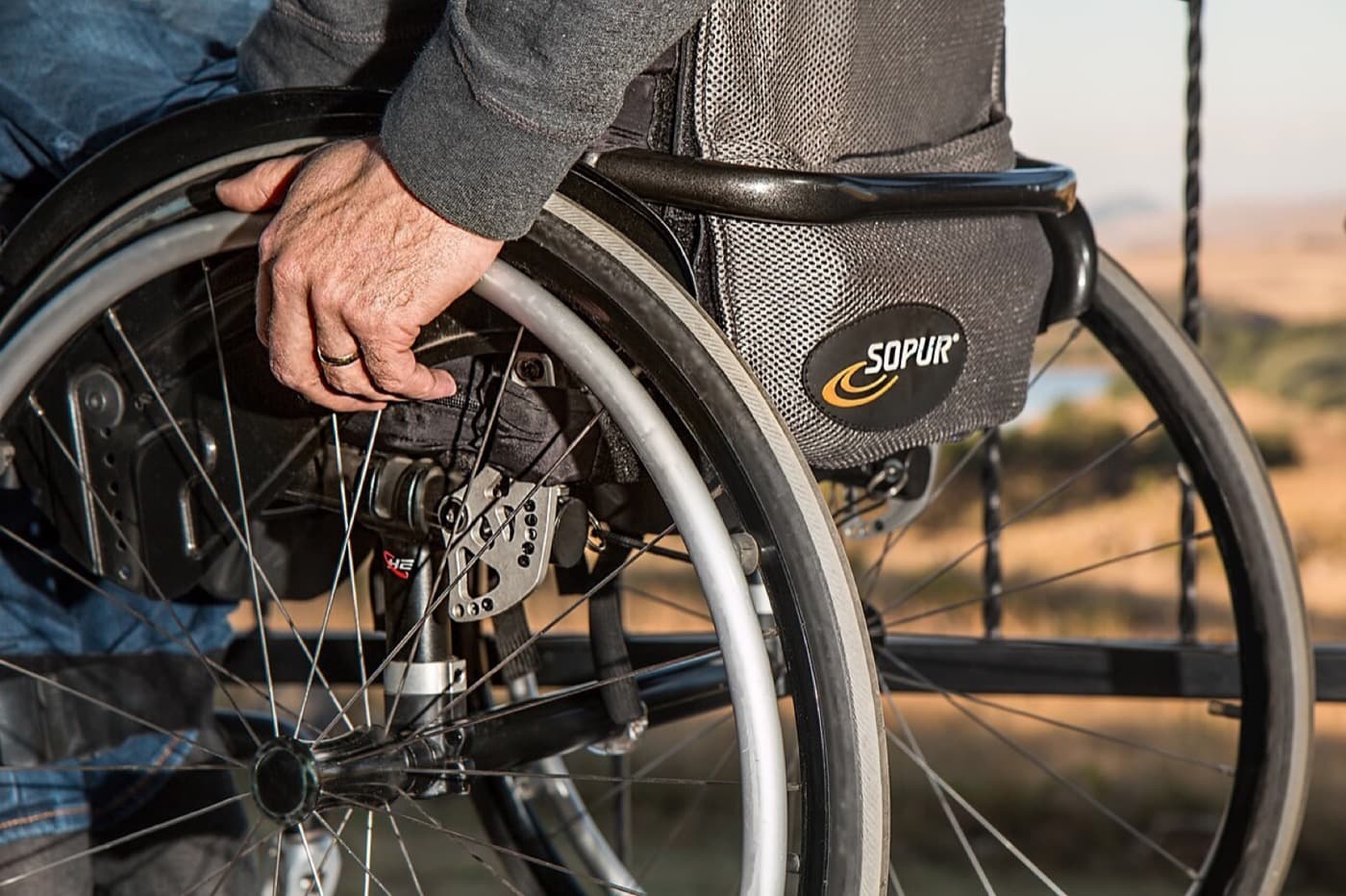
Cycling
A low-impact endurance sport that doubles as transport, exercise and adventure.
Indoor Cycling
An energetic, low-impact studio workout on a stationary bike, guided by an instructor and music.

Triathlon
A multi-sport endurance event that links swimming, cycling and running into one continuous race.
Related techniques
Freestyle Stroke
The fastest swimming stroke, using alternating overhead arm pulls, a flutter kick and rhythmic side breathing.
Sprint Start
The explosive start of a sprint from a set, crouched position, driving forward low before gradually rising to full stride.
Running Form
The efficient posture and stride mechanics of distance running, keeping the body relaxed and the cadence smooth.
How it connects
The meaning-bearing relationships that place Cycling Cadence in the wider knowledge graph — each one with the reason it exists.
Frequently learned together
Taught side by side in the same stage of a learning path.
- Standing ClimbBoth are taught in the “Build your technique” stage of the Cycling learning path.
- Freestyle StrokeBoth are taught in the “Build your technique” stage of the Triathlon learning path.
- Sprint StartBoth are taught in the “Build your technique” stage of the Triathlon learning path.
- Running FormBoth are taught in the “Build your technique” stage of the Triathlon learning path.
Explore across the knowledge base
Follow the threads that connect Cycling Cadence to the rest of SocialSportHub.
Playing surfaces
- GravelLoose crushed stone over a firm base — an unpaved middle ground between smooth road and rough trail, ridden and run for variable grip and steady pace.
- Road (Tarmac / Asphalt)Paved tarmac or asphalt: a firm, smooth, predictable surface that rewards steady pace and rhythm — the ground for road running, cycling and race-walking.
Disciplines
- Road CyclingRoad cycling covers riding and racing on paved roads, from mass-start races and time trials to multi-day stage events.
- Track CyclingTrack cycling is racing on a velodrome, an oval banked track, using fixed-gear bikes with no brakes across sprint and endurance events.
- CyclocrossCyclocross is lap racing on a short off-road circuit of grass, mud, and sand, where riders often dismount to carry the bike over obstacles.
- Gravel CyclingGravel cycling is riding and racing on unpaved roads and mixed surfaces on a drop-bar bike, often over long distances and self-supported.
- Sprint DistanceSprint distance triathlon combines a short swim, bike, and run, making it a common entry point and a fast, higher-intensity racing format.
Go deeper with Cycling Cadence
Everywhere else on the platform that covers Cycling Cadence — assembled from what actually references it, so nothing here is a dead end.
Learn it
Structured courses and paths on the platform that cover this directly.
Take it away
Open data and the whole-platform view of this subject.
How this page is maintained
- Content type
- Technique
- Provenance
- Tier A — evergreen educational
- Verified external sources
- 0
- Content updated
- 2026-09-12
Evergreen, first-party explanation — it makes no claim that needs an external source. How we handle sources and reviews.