
Gait
The cyclic, alternating single-leg pattern of walking and running that carries the body across the ground — the base of most field and endurance sport.
Overview
Gait is the cyclic, alternating single-leg pattern by which the body propels itself across the ground: walking and running. Each leg passes repeatedly through a stance phase, when the foot is on the ground bearing weight and pushing off, and a swing phase, when the foot is airborne and the limb recovers forward. The two legs run half a cycle apart, so one supports the body while the other advances. Hip, knee and ankle flex and extend in a coordinated sequence — the hip extensors and hamstrings drive the body forward, the calf and ankle deliver the push-off, and the arms swing in opposition to balance the rotation of the trunk.
Walking and running are the two forms of gait, separated by whether there is a flight phase. In walking at least one foot is always on the ground, giving a brief period of double support; in running both feet leave the ground between steps, which raises ground reaction forces and demands more power and elastic return through the calf and hip. The trunk and core stabilise the body against these forces and against the rotation each step produces, while cadence and stride length together set speed. Because it is the way the body moves through space on foot, gait underlies running and endurance events and threads through nearly every field and court sport, which mix walking, jogging and sprinting continuously.
What defines it
- Cyclic and alternating: the gait cycle repeats leg by leg, each limb moving through a weight-bearing stance phase and an airborne swing phase, with the two legs offset by half a cycle.
- Single-leg support: unlike a squat or deadlift, the body is loaded and propelled on one leg at a time, so every step demands balance and hip stability over a single foot.
- Push-off propulsion: forward drive comes mainly from the hip and ankle of the trailing stance leg — the glutes and calf powering push-off — as that leg extends at the hip and drives through the ankle before the knee unloads into swing.
- Walking versus running is defined by flight: walking always keeps a foot grounded (double support), while running adds an airborne phase that raises forces and relies on elastic recoil.
- Whole-body coordination: opposite arm swings with each leg, and the trunk and core stabilise against ground reaction forces and rotation while cadence and stride length govern speed.
Athletic movements built on it
Cross-sport movements that use this pattern as a base.
A note on this information
Exercises that train the gait
Movements built on this pattern — educational examples, not a prescription.
High knees
A running-in-place cardio drill where you lift the knees high with a quick rhythm.
Step-up
A movement where you step up onto a raised platform one leg at a time and step back down.
Lunge
A single-leg movement where you step forward and bend both knees to lower your body.
Calf raise
A movement where you press up onto the balls of your feet to work the calves.
Sports techniques that use it
How the movement shows up in the specific techniques of a sport.
Sports that rely on it
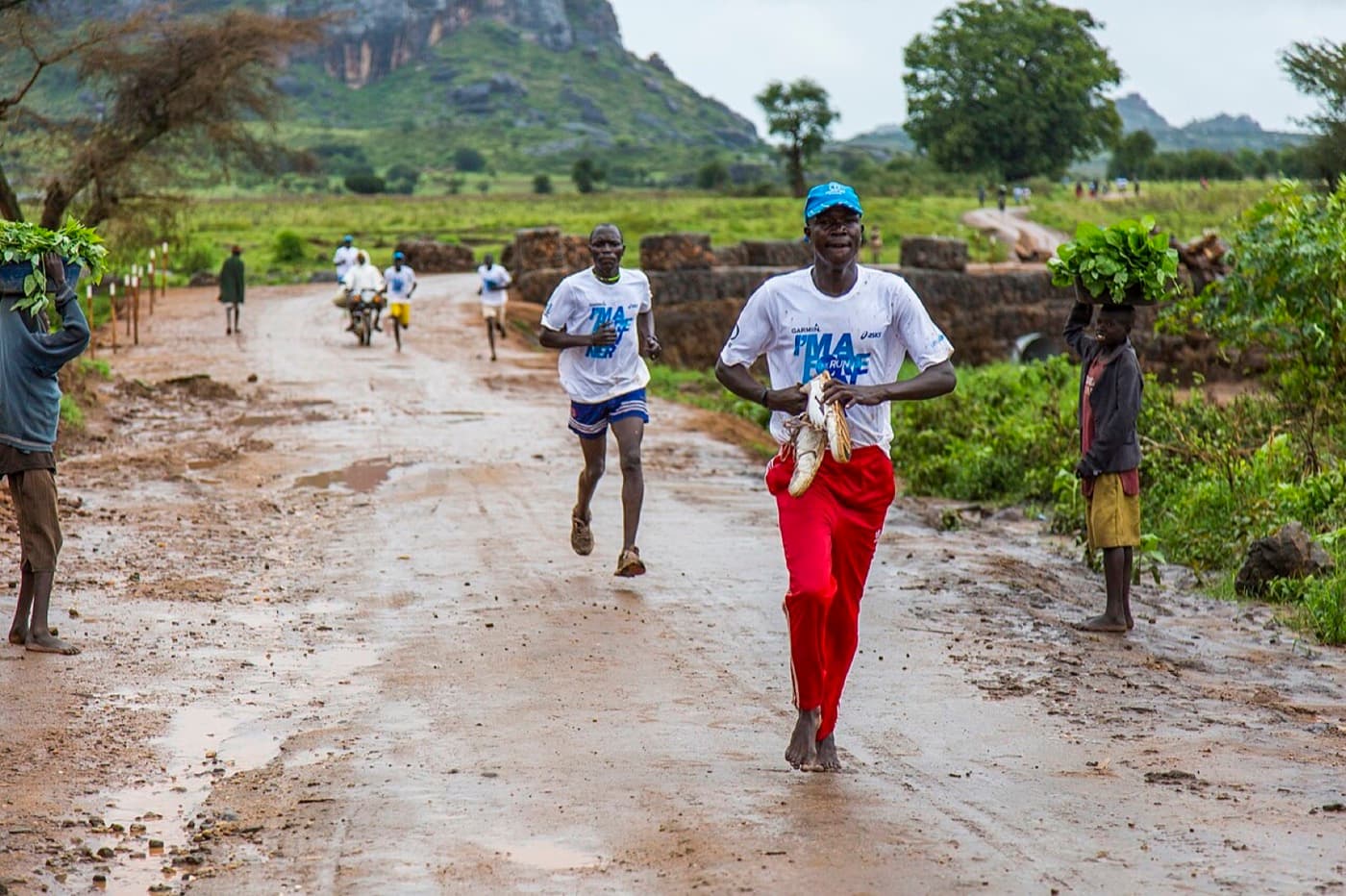
Running
The most accessible endurance sport — no venue, just shoes and the open road or trail.
Trail Running
Running off-road on trails, hills and natural terrain, away from pavements and traffic.
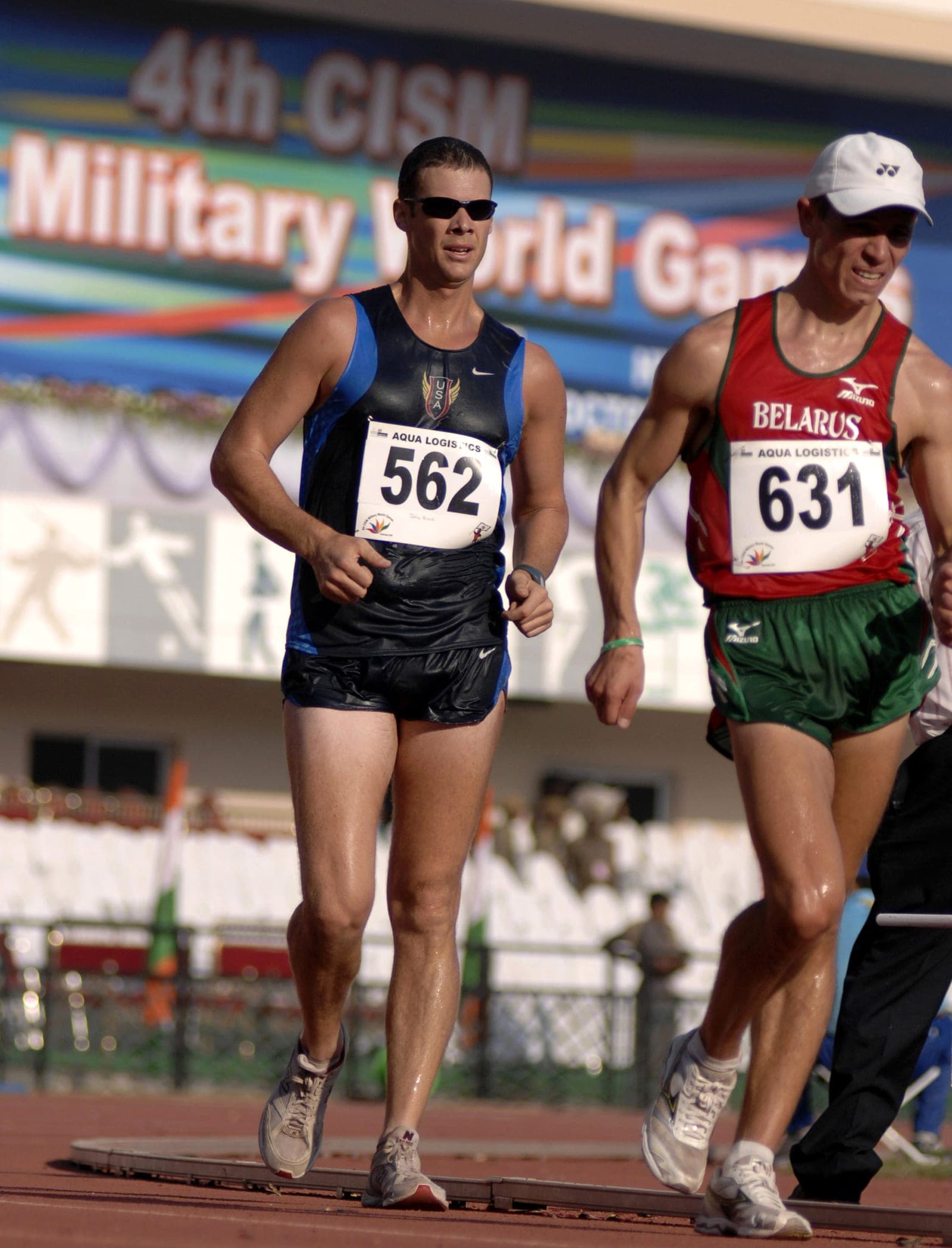
Race Walking
A technique-driven endurance sport that turns walking into a fast, low-impact discipline.
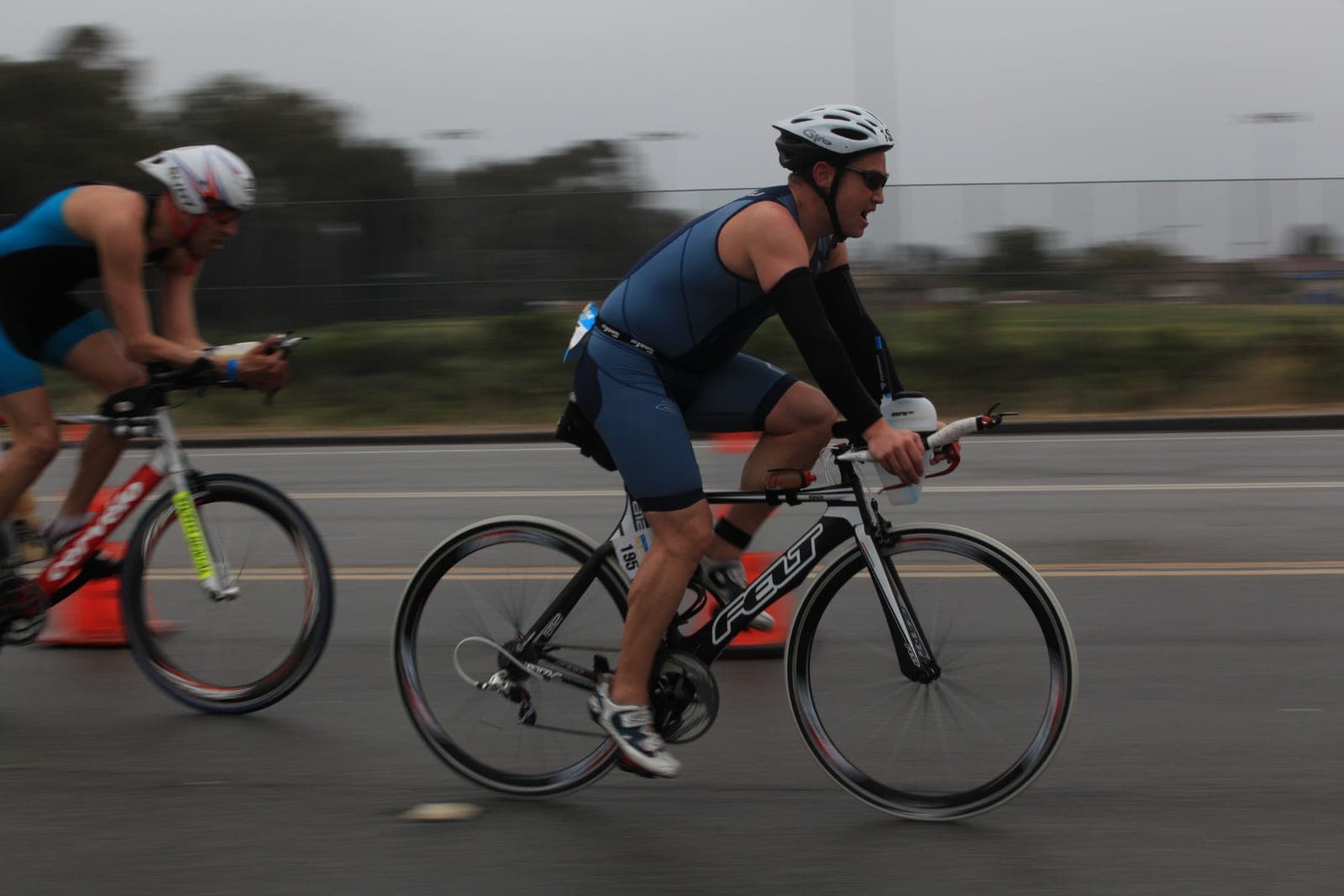
Triathlon
A multi-sport endurance event that links swimming, cycling and running into one continuous race.
Football
The world’s most popular team sport — endless running, teamwork and community in one game.
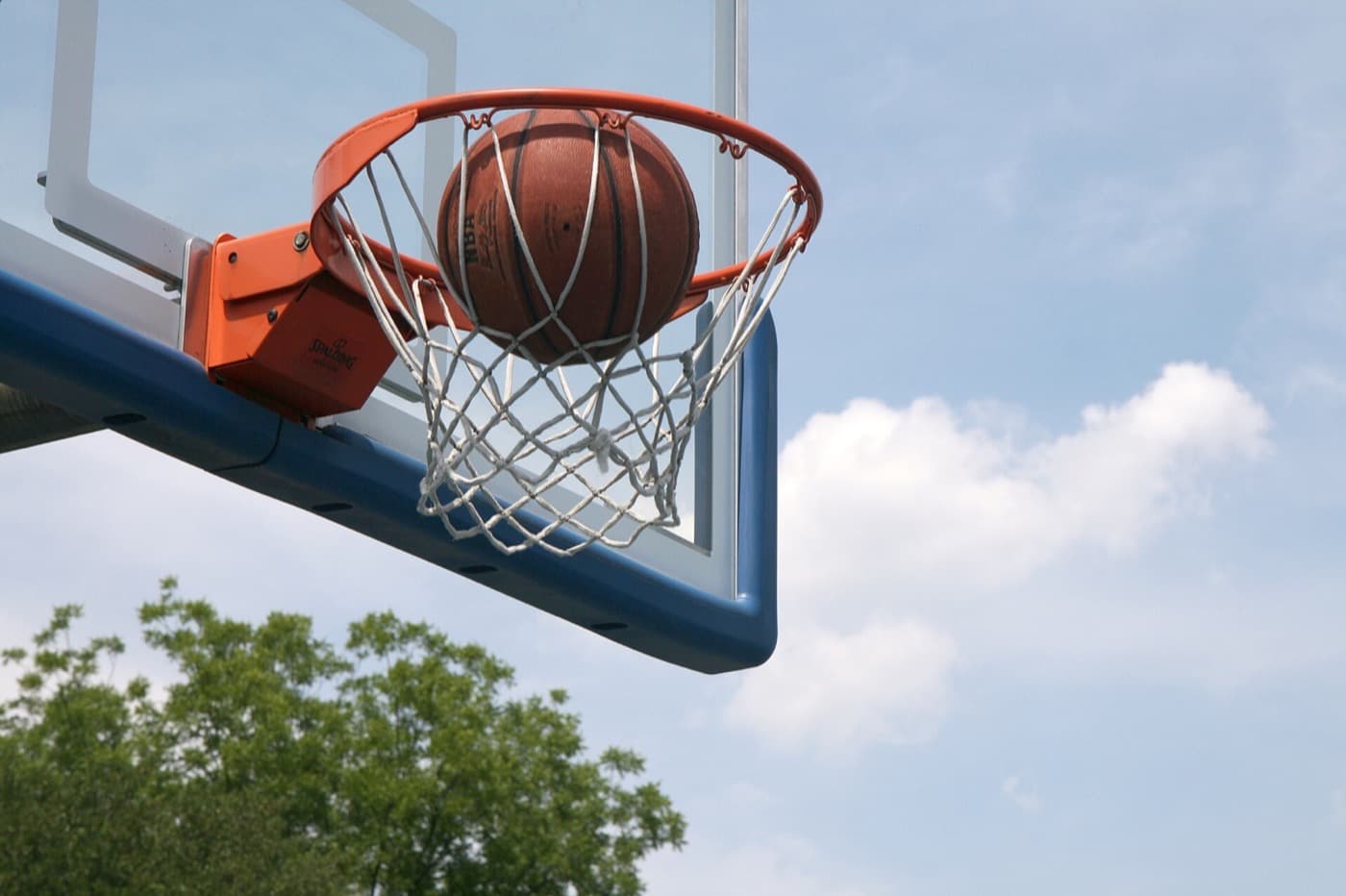
Basketball
A fast, dynamic team sport of running, jumping and quick decisions on court.
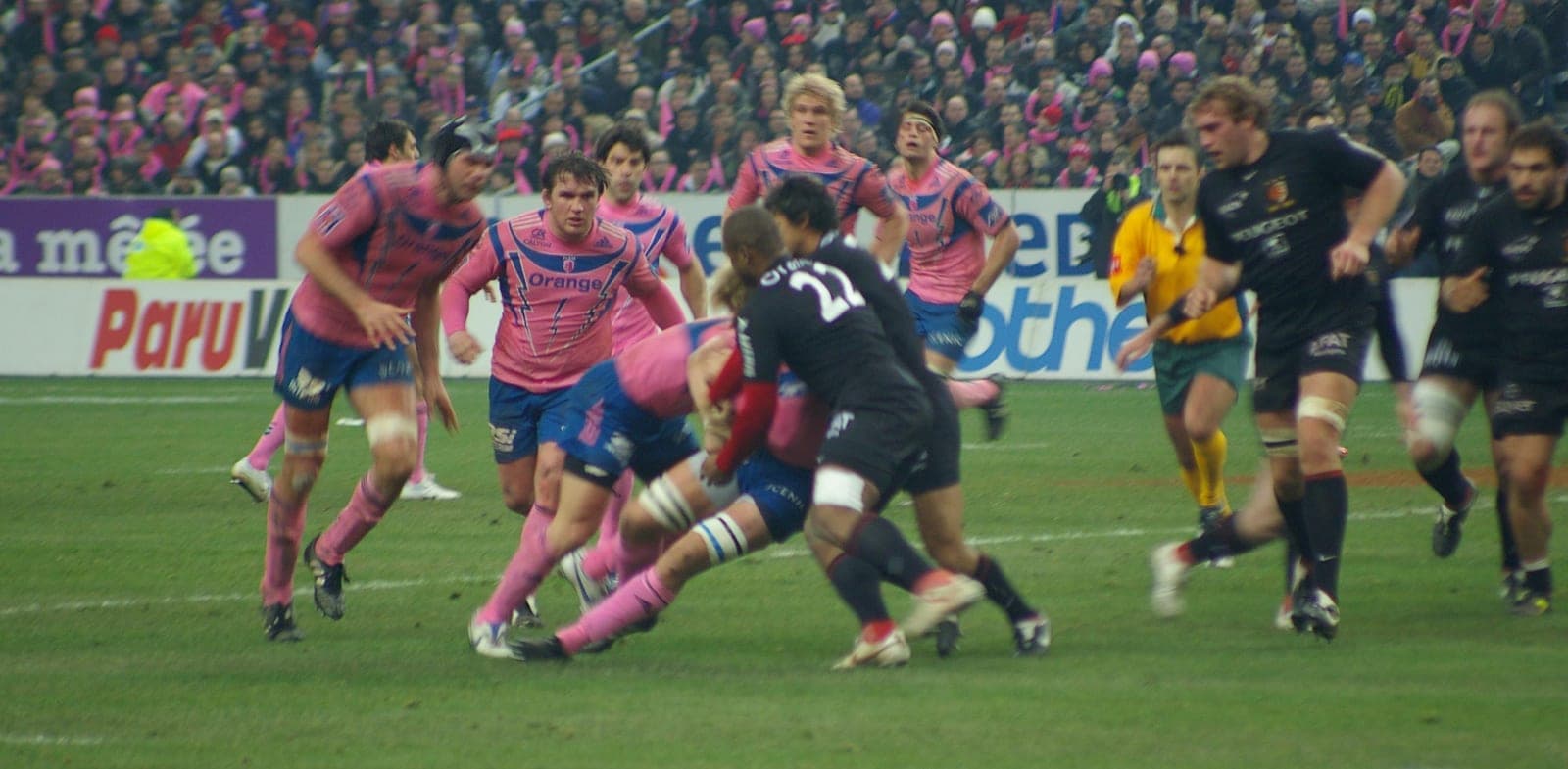
Rugby
A physical team sport of carrying, passing and kicking an oval ball toward the opposing line.
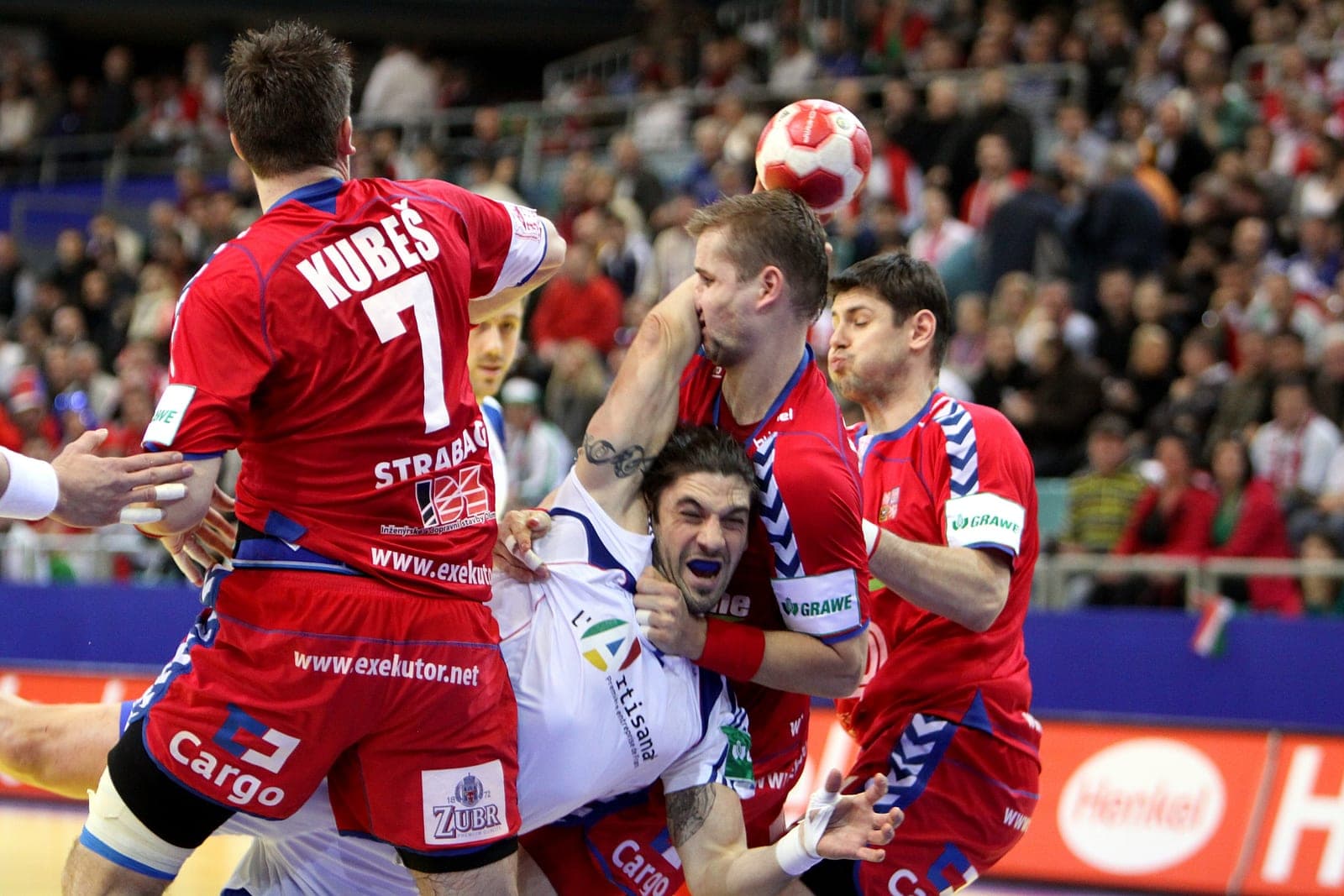
Handball
A fast indoor team sport of passing, jumping and throwing to score with the hands.
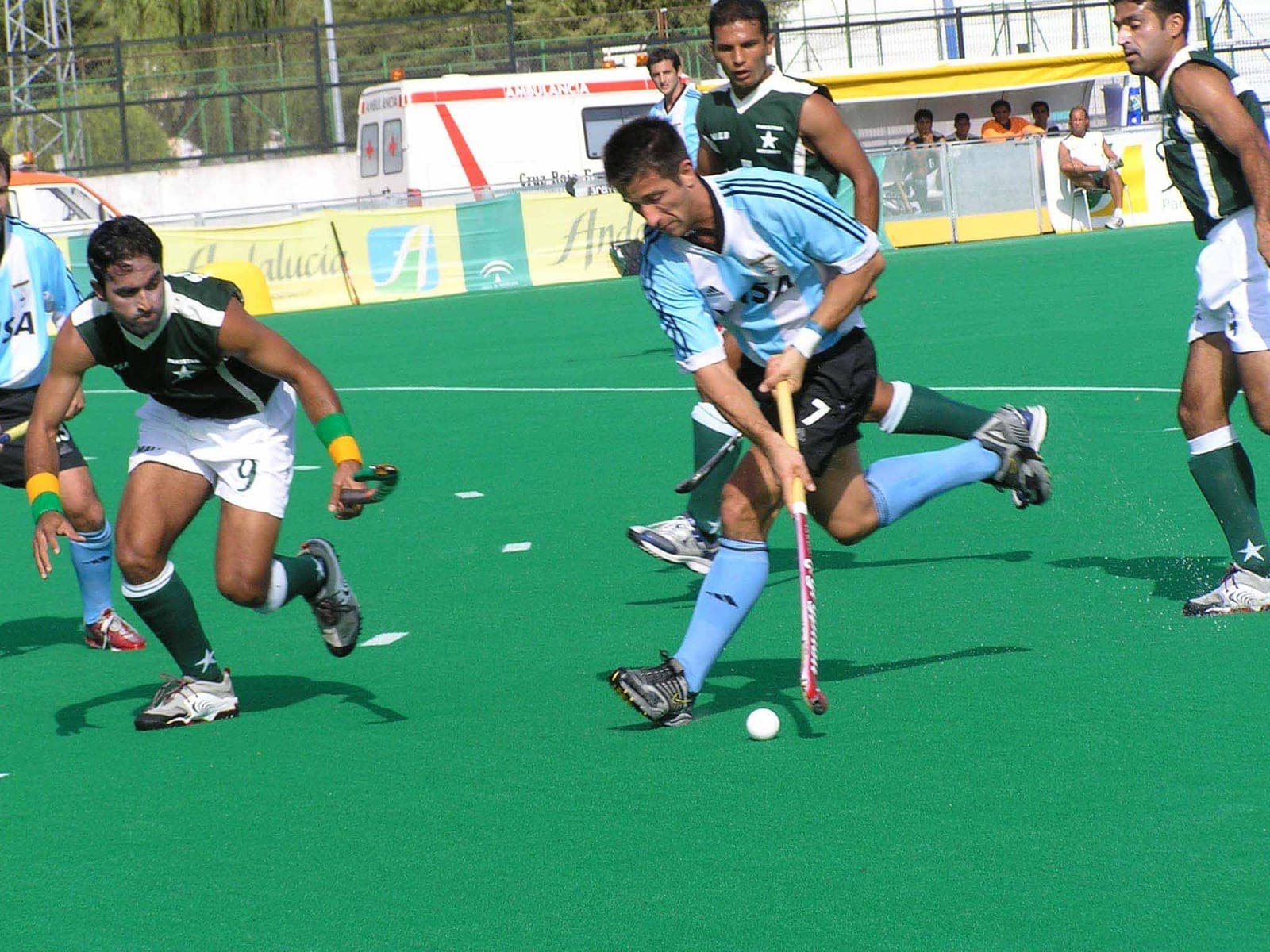
Field Hockey
An outdoor team sport that uses curved sticks to move a ball, built on agility and teamwork.

Hiking
An accessible outdoor sport of walking natural trails and hills at your own pace, solo or in a group.
Compare gait with…
Movements it is often confused with — see exactly how they differ.
How it connects
The meaning-bearing relationships that place Gait in the wider knowledge graph — each one with the reason it exists.
Foundation of
These build directly on this one.
Commonly confused with
Close enough to be mixed up — the distinction is worth knowing.
Explore across the knowledge base
Follow the threads that connect Gait to the rest of SocialSportHub.
Movement comparisons
- Backpedal vs GaitBackpedal vs Gait: how these two movements differ, what they share, and how to tell them apart — from mechanics to the sports that use them.
- Bound vs GaitBound vs Gait: how these two movements differ, what they share, and how to tell them apart — from mechanics to the sports that use them.
- Crossover Step vs GaitCrossover Step vs Gait: how these two movements differ, what they share, and how to tell them apart — from mechanics to the sports that use them.
- Gait vs KickGait vs Kick: how these two movements differ, what they share, and how to tell them apart — from mechanics to the sports that use them.
- Hop vs JumpHop vs Jump: how these two movements differ, what they share, and how to tell them apart — from mechanics to the sports that use them.
Skills
Sports science
- BiomechanicsThe study of how the body produces and controls movement — the mechanics behind every technique in sport.
- Movement efficiencyHow economically the body performs a movement — achieving the goal with the least wasted effort.
- Motor controlHow the brain and nervous system organise the muscles to produce coordinated, controlled movement.
- SpecificityThe idea that the body adapts specifically to the kind of training it is given — you tend to get good at what you actually practise.
Knowledge Atlas
Training methods
- Endurance Base TrainingEndurance base training is an extended phase of mostly easy, steady aerobic work that lays the aerobic foundation the rest of a training plan builds on.
- Interval TrainingInterval training alternates short bursts of harder effort with easier recovery periods, letting you accumulate more quality work than a single continuous push.
- Steady-State CardioSteady-state cardio means holding one comfortable, continuous pace for the whole session, building an aerobic base without the peaks of interval work.
- FartlekFartlek — Swedish for 'speed play' — mixes faster and easier efforts freely and by feel within one continuous session, blending steady and interval work.
Go deeper with Gait
Everywhere else on the platform that covers Gait — assembled from what actually references it, so nothing here is a dead end.
Work it out
Deterministic calculators — real published formulas, no estimates dressed as data.
Question it
Research topics that name this entity among their connections.
Take it away
Open data and the whole-platform view of this subject.
How this page is maintained
- Content type
- Movement pattern
- Provenance
- Tier A — evergreen educational
- Verified external sources
- 0
- Content updated
- 2026-07-13
Evergreen, first-party explanation — it makes no claim that needs an external source. How we handle sources and reviews.