
Cycling
Low-impact miles, indoors or out


Inside the sport
Cycling covers everything from commuting and leisure rides to road racing, mountain biking and indoor spin classes. It is a low-impact way to build endurance because the bike supports your body weight.
Overview
It is uniquely practical — a bike is transport as well as exercise — and it scales easily from a relaxed ride to a demanding climb, making it suitable for almost every fitness level.
Why cycling is good for your health
- Builds cardiovascular fitness with low impact on the joints
- Strengthens the legs and improves stamina
- Easily adjustable intensity from easy spin to hard effort
- Can replace car journeys with active, everyday movement
Physical qualities you’ll build
Cycling is especially good for developing these qualities:
The social side
- Cycling clubs and social rides suit a range of paces
- Group rides make longer distances more enjoyable
- Indoor classes offer a shared, motivating atmosphere
How to start as a beginner
- 1Start with short, flat rides on quiet routes or cycle paths
- 2Check your saddle height and that your bike fits comfortably
- 3Always wear a helmet and learn basic road awareness
- 4Build distance gradually and join a beginner-friendly social ride
Equipment you’ll need
- A bicycleEssentialAny well-maintained bike is enough to start
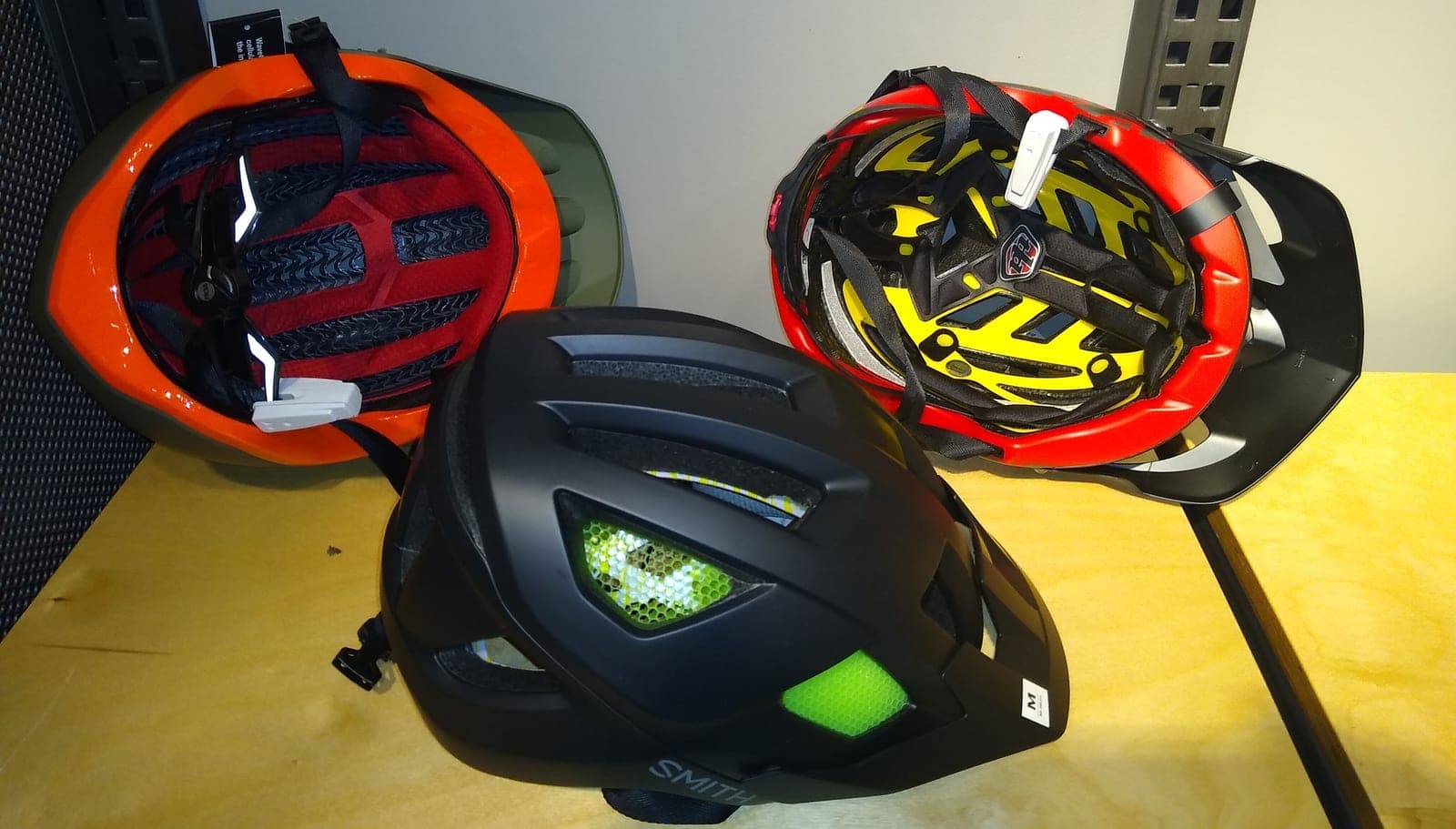
- HelmetEssential
- Comfortable clothingEssential
- Lights and a lock for road ridingOptional
Where to play
Cycling is typically played at:
Explore clubs and venues to understand the different places you can play, or see how to find people to play with.
Cycling in pictures
Action, venues, equipment and moments across cycling — select any photograph to enlarge it.
Cycling disciplines
Cycling isn’t one thing — it takes several distinct forms, each with its own character. Explore the disciplines within it.
Playing Cycling
The equipment, rules, skills and more that make up the game — each cross-linked into the encyclopedia.
Training for Cycling
Exercises, methods and example plans that help build what Cycling needs — educational, not personalised prescriptions.
Related sports to explore
If you enjoy Cycling, you might also like these.
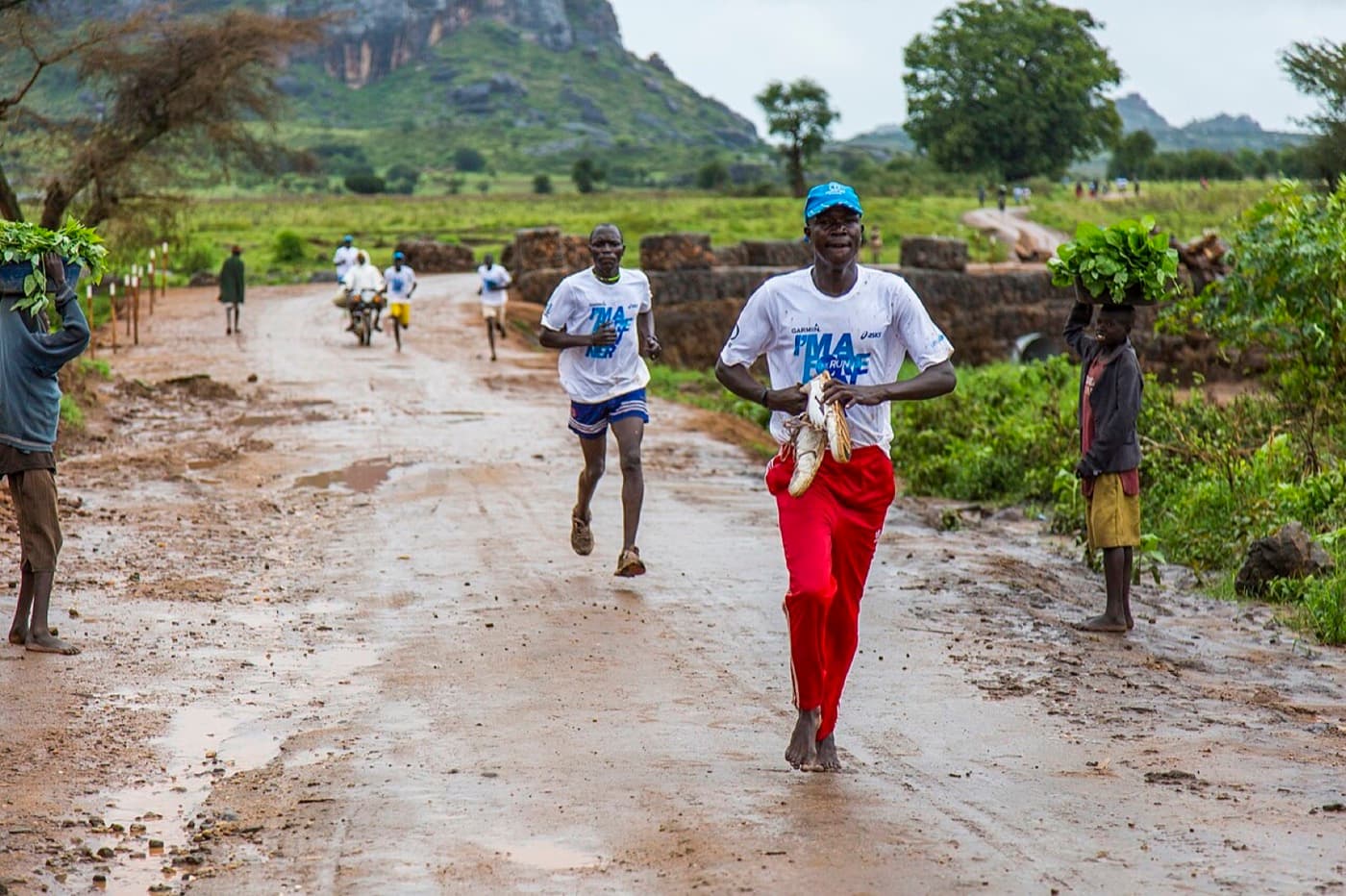
Running
The most accessible endurance sport — no venue, just shoes and the open road or trail.
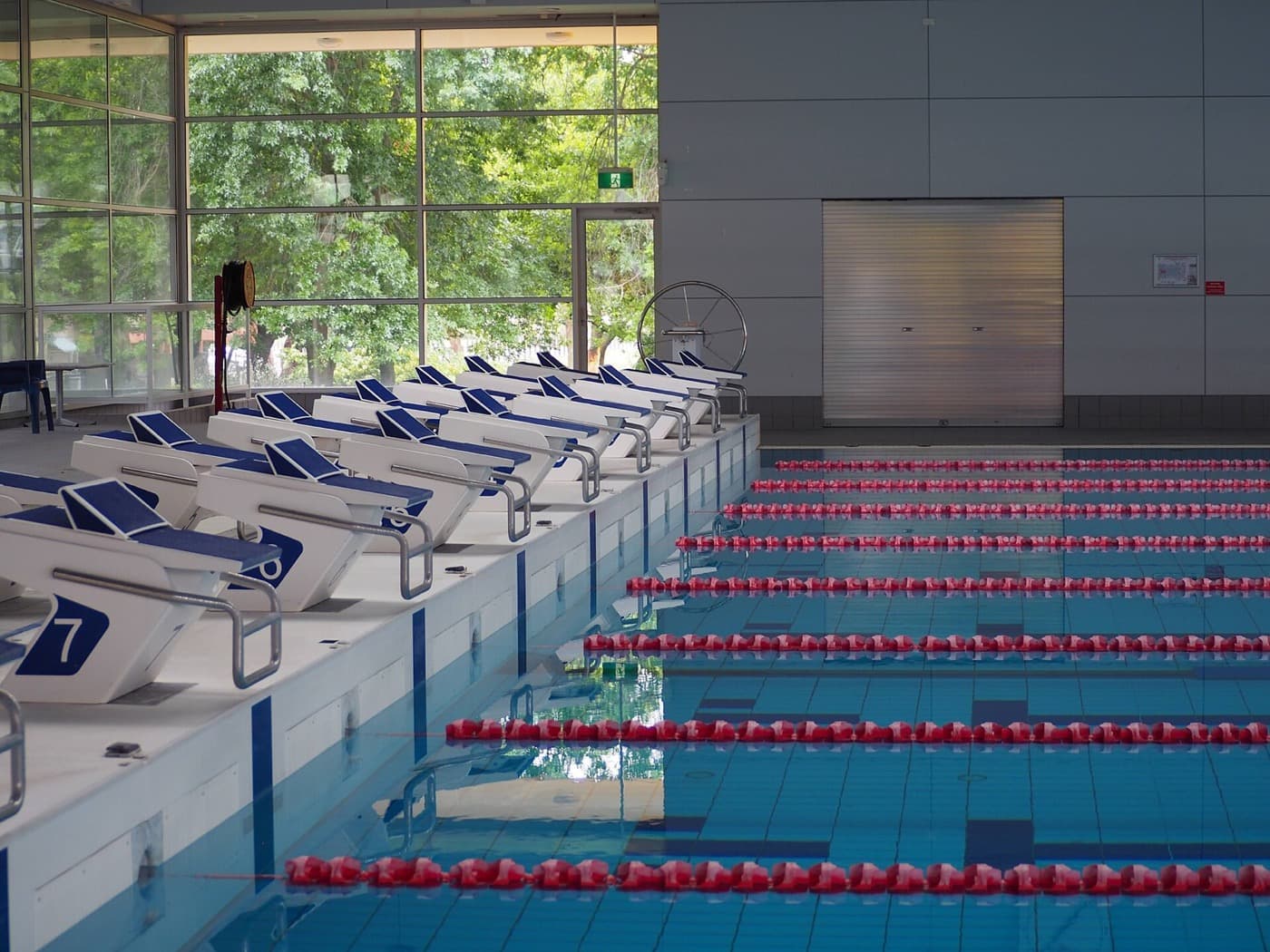
Swimming
A full-body, low-impact endurance sport suitable for almost every age and ability.
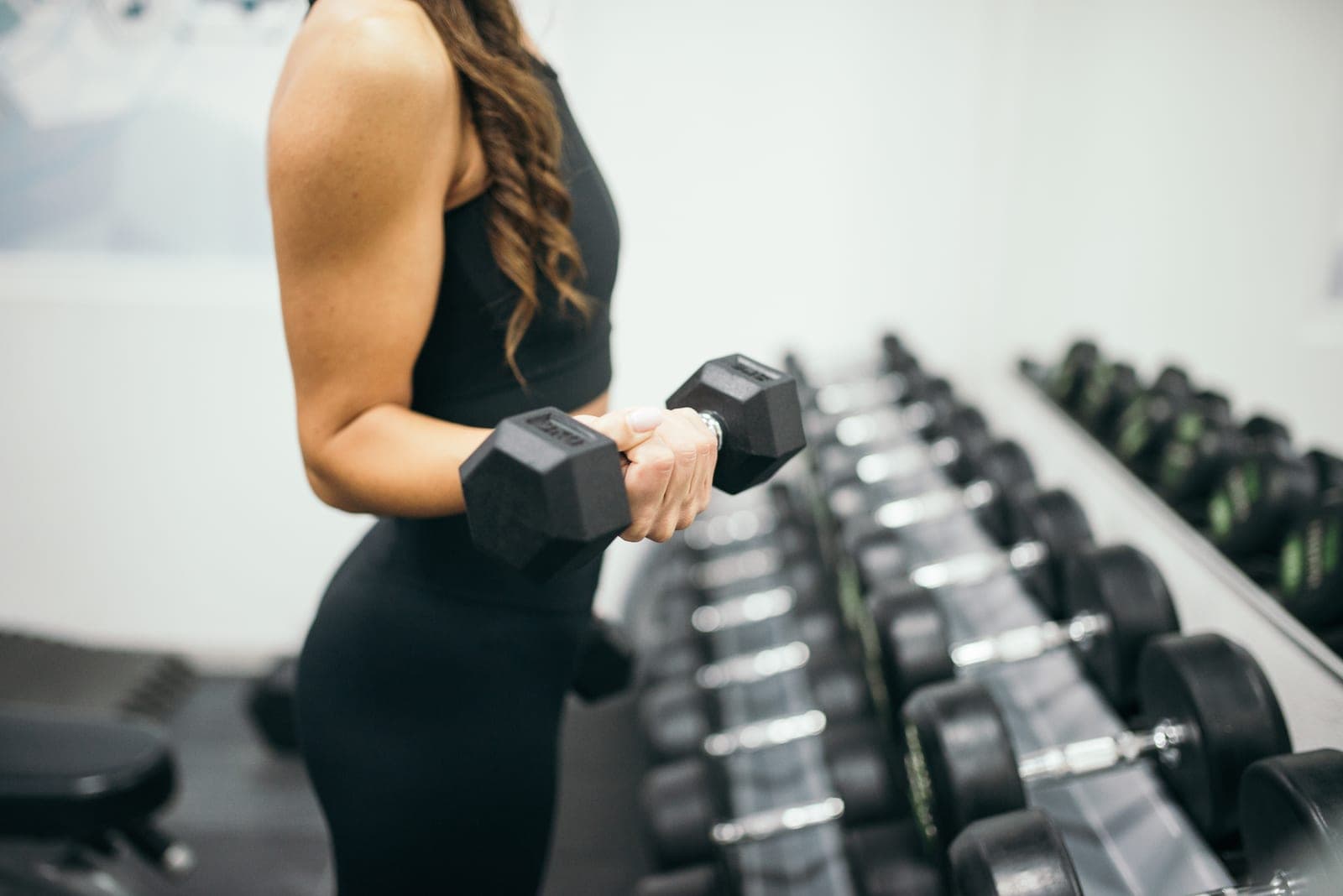
Fitness
Strength and general fitness training — the foundation that supports every other sport.
Compare Cycling with…
Deciding between Cycling and something similar? See how they line up side by side.
Cycling vs Fitness
How they compare on difficulty, intensity, kit and what suits you.
Cycling vs Indoor Cycling
How they compare on difficulty, intensity, kit and what suits you.
Cycling vs Mountain Biking
How they compare on difficulty, intensity, kit and what suits you.
Cycling vs Rowing
How they compare on difficulty, intensity, kit and what suits you.
Cycling vs Running
How they compare on difficulty, intensity, kit and what suits you.
Cycling vs Speed Skating
How they compare on difficulty, intensity, kit and what suits you.
Reach your goals with Cycling
People take up Cycling for all kinds of reasons. Here is what it can help you work towards.
Lose weight
Combine regular, enjoyable movement with balanced habits to work toward a healthier weight in a way that lasts.
Improve fitness
Build well-rounded fitness — stamina, strength and more — through regular, varied activity you can keep up.
Become more active
Add regular, gentle movement to your everyday life and build up from a sedentary start at your own pace.
Build an active lifestyle
Make movement a natural, lasting part of daily life through activities and habits you genuinely enjoy.
Improve cardiovascular health
Regular activity is widely linked with supporting heart and circulatory health as part of a balanced routine.
Improve mental wellbeing
Use regular, enjoyable activity to support your mood, connection and sense of wellbeing as one healthy habit among many.
Who & where Cycling fits
Sport should fit your life. Here is who Cycling suits and when it works.
Seniors
How gentle, supported sport can help older adults stay active, mobile and connected, with a professional check first.
Office workers
How sport can offset long hours of sitting and screen time to support mobility, energy and stress relief.
Busy professionals
How time-efficient sport can fit a packed schedule to protect fitness, energy and stress relief.
Weekend athletes
How to enjoy recreational sport on weekends while staying comfortable and consistent through the week.
Complete beginners
How to start sport from scratch with accessible, low-pressure activities and a gentle, gradual approach.
Returning to sport
How to ease back into sport after a break, rebuilding gradually and listening to your body.
How it connects
The meaning-bearing relationships that place Cycling in the wider knowledge graph — each one with the reason it exists.
Alternative to
Comparable enough that people choose between them.
- FitnessCycling and Fitness are close enough that the platform maintains a side-by-side comparison of them.
- Indoor CyclingCycling and Indoor Cycling are close enough that the platform maintains a side-by-side comparison of them.
- Mountain BikingCycling and Mountain Biking are close enough that the platform maintains a side-by-side comparison of them.
- RowingCycling and Rowing are close enough that the platform maintains a side-by-side comparison of them.
- RunningCycling and Running are close enough that the platform maintains a side-by-side comparison of them.
Helps achieve
A recognised route towards these goals.
- Lose weightCycling is one of the sports listed under the “Lose weight” goal.
- Improve fitnessCycling is one of the sports listed under the “Improve fitness” goal.
- Become more activeCycling is one of the sports listed under the “Become more active” goal.
- Build an active lifestyleCycling is one of the sports listed under the “Build an active lifestyle” goal.
- Improve cardiovascular healthCycling is one of the sports listed under the “Improve cardiovascular health” goal.
Explained by
The underlying "why" behind this.
- Movement efficiencyMovement efficiency is one of the sports-science concepts that covers Cycling.
- Energy systemsEnergy systems is one of the sports-science concepts that covers Cycling.
- Aerobic and anaerobic energyAerobic and anaerobic energy is one of the sports-science concepts that covers Cycling.
- Training adaptationTraining adaptation is one of the sports-science concepts that covers Cycling.
- SupercompensationSupercompensation is one of the sports-science concepts that covers Cycling.
Supported by
These help the training or recovery side of this.
- Rest daysRest days is listed as a recovery method used around Cycling.
- Active recoveryActive recovery is listed as a recovery method used around Cycling.
- Cool-downCool-down is listed as a recovery method used around Cycling.
- Easy daysEasy days is listed as a recovery method used around Cycling.
- Regular, balanced mealsRegular, balanced meals is listed as a recovery method used around Cycling.
Explore across the knowledge base
Follow the threads that connect Cycling to the rest of SocialSportHub.
Learning paths
Sports science
- Movement efficiencyHow economically the body performs a movement — achieving the goal with the least wasted effort.
- Energy systemsHow the body supplies energy for movement — the different pathways that power everything from an explosive jump to a long, steady run.
- Aerobic and anaerobic energyThe difference between energy the body produces with oxygen and energy it produces without it — a core idea behind why different efforts feel and last so differently.
- Training adaptationThe process by which the body changes in response to repeated training — the underlying reason exercise makes you fitter, stronger or more skilful over time.
- SupercompensationA widely taught model of how the body, after a bout of training and enough recovery, can rebuild to a slightly higher level than before.
Glossary
- AerobicRelating to energy production that uses oxygen, powering sustained, lower-intensity activity over minutes to hours.
- AmateurAn athlete or competition category defined by taking part without payment, as distinct from professional sport.
- BalanceThe ability to control the body's position by keeping its centre of gravity over the base of support, whether still or moving.
- Base TrainingBase training is an early-season phase of mostly easy, high-volume aerobic work that builds the endurance foundation for harder training later.
- BibA wearable identifier in sport, most often a runner's numbered race bib, a coloured training bib, or a leader's bib in skiing.
Barriers
- No timeWhen your days are full, sport has to fit into small windows rather than replace them — short, flexible activity that adds up.
- An unpredictable scheduleWhen no two weeks look the same, sport needs to be flexible and portable rather than tied to a fixed class time.
- Sitting all dayWhen work keeps you at a desk, the priority is breaking up long sitting and adding movement around the working day.
- Low motivationWhen motivation is hard to find, the fix is rarely more willpower — it is making the activity smaller, easier and more enjoyable so starting is simple.
- Low confidenceWhen self-consciousness gets in the way, private or beginner-friendly settings and steady, visible progress help confidence grow through doing.
Motivations
- To spend time as a familyWhen the aim is shared time, activities the whole family can do together turn being active into a way to connect across ages.
- To feel calmerWhen you play to unwind, rhythmic, absorbing activity gives many people a mental break — though it complements, not replaces, professional support.
- To stay healthyWhen health is the driver, regular, sustainable activity across fitness, strength and mobility supports an active life for the long term.
- For a personal challengeWhen you play to set and reach goals, sports with visible progress and clear milestones give you something concrete to work towards.
Experience levels
- BeginnerYou have started and the habit is forming — now it is about learning the fundamentals and building a base of fitness and skill.
- IntermediateThe basics are in place — now progress comes from more deliberate practice, filling gaps and adding structure to your training.
- EliteThe highest level of performance — a full, individualised, professionally supported pursuit far beyond what a general guide can direct.
Go deeper with Cycling
Everywhere else on the platform that covers Cycling — assembled from what actually references it, so nothing here is a dead end.
Learn it
Structured courses and paths on the platform that cover this directly.
Work it out
Deterministic calculators — real published formulas, no estimates dressed as data.
- Bike Size CalculatorLinks to Cycling from its own related list.
- Bike Gearing & Speed CalculatorLinks to Cycling from its own related list.
- FTP EstimatorLinks to Cycling from its own related list.
- Cycling Calorie CalculatorLinks to Cycling from its own related list.
- Ride Pace & Speed CalculatorLinks to Cycling from its own related list.
- Cycling Power ZonesA cycling calculator.
See it
Diagrams and step-through visualisations drawn for this subject.
Compare it
Head-to-head studies against the entities people actually weigh it against.
- Cycling vs FitnessSide by side on the qualities that differ.
- Cycling vs Indoor CyclingSide by side on the qualities that differ.
- Cycling vs Mountain BikingSide by side on the qualities that differ.
- Cycling vs RowingSide by side on the qualities that differ.
- Cycling vs RunningSide by side on the qualities that differ.
- Cycling vs Speed SkatingSide by side on the qualities that differ.
Kit it out
Equipment guidance drawn from the graph, with no brands and no affiliate links.
Take it away
Open data and the whole-platform view of this subject.
How this page is maintained
- Content type
- Sport
- Provenance
- Tier A — evergreen educational
- Verified external sources
- 0
- Content updated
- 2026-07-06
Evergreen, first-party explanation — it makes no claim that needs an external source. How we handle sources and reviews.
Keep going
A sport is most rewarding alongside good habits, sensible nutrition and people to share it with. Here is where to go next.
How movement supports body and mind.
Eat well to feel and perform better.
Build routines that stick.
Ways to meet others and play together.
Where to play and what to expect.
Browse the full list by category.