
Technical session
A session built around technique — grooving and refining the mechanics of how a movement or shot is executed.
Overview
A technical session is one where the focus is the quality of execution itself: how a stroke, a pass, a stride or a serve is actually performed. Rather than worrying about scoring or winning, the aim is to shape sound, repeatable mechanics through focused, attentive repetition — often at a controlled pace so there is time to feel and adjust each attempt.
What "technical" looks like varies with the sport, the level and the coach, so there is no single template — a typical shape might move from a simple, low-pressure version of a movement toward gradually more realistic conditions. It is conceptual education about a way to structure practice, not a plan, and a qualified coach is the right person to judge what to work on and how.
Purpose & structure
- Built around the mechanics of execution — how a movement, shot or stroke is performed, rather than the outcome.
- Tends to use focused, high-quality repetition, often at a controlled pace so each attempt can be felt and adjusted.
- Feedback and clear cues are central, since the point is to notice and refine small details.
- A typical shape might progress from a simplified version toward more realistic, game-like conditions.
- Conventions vary widely by sport, level and coach — this is the idea, not a fixed routine.
Who it’s for
- Anyone wanting to build or clean up a specific technique, from first-timers to experienced players.
- Beginners especially, as good early habits are easier to form than to unlearn later.
- It builds the raw execution, but does not replace decision-making, match play or a coach's eye on your technique.
A format, not a plan
Sports it suits
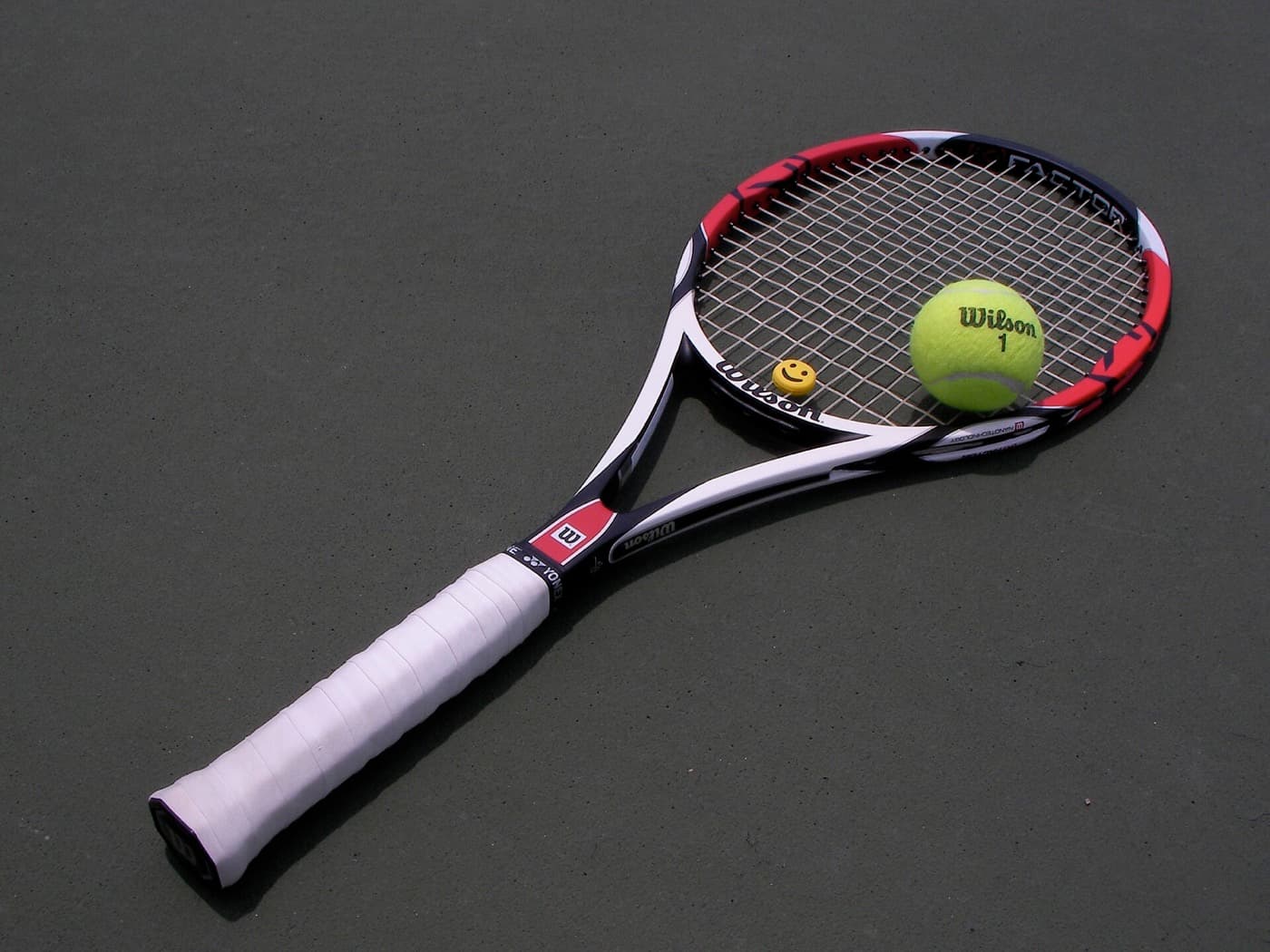
Tennis
A singles or doubles racquet sport that blends agility, strategy and stamina on court.
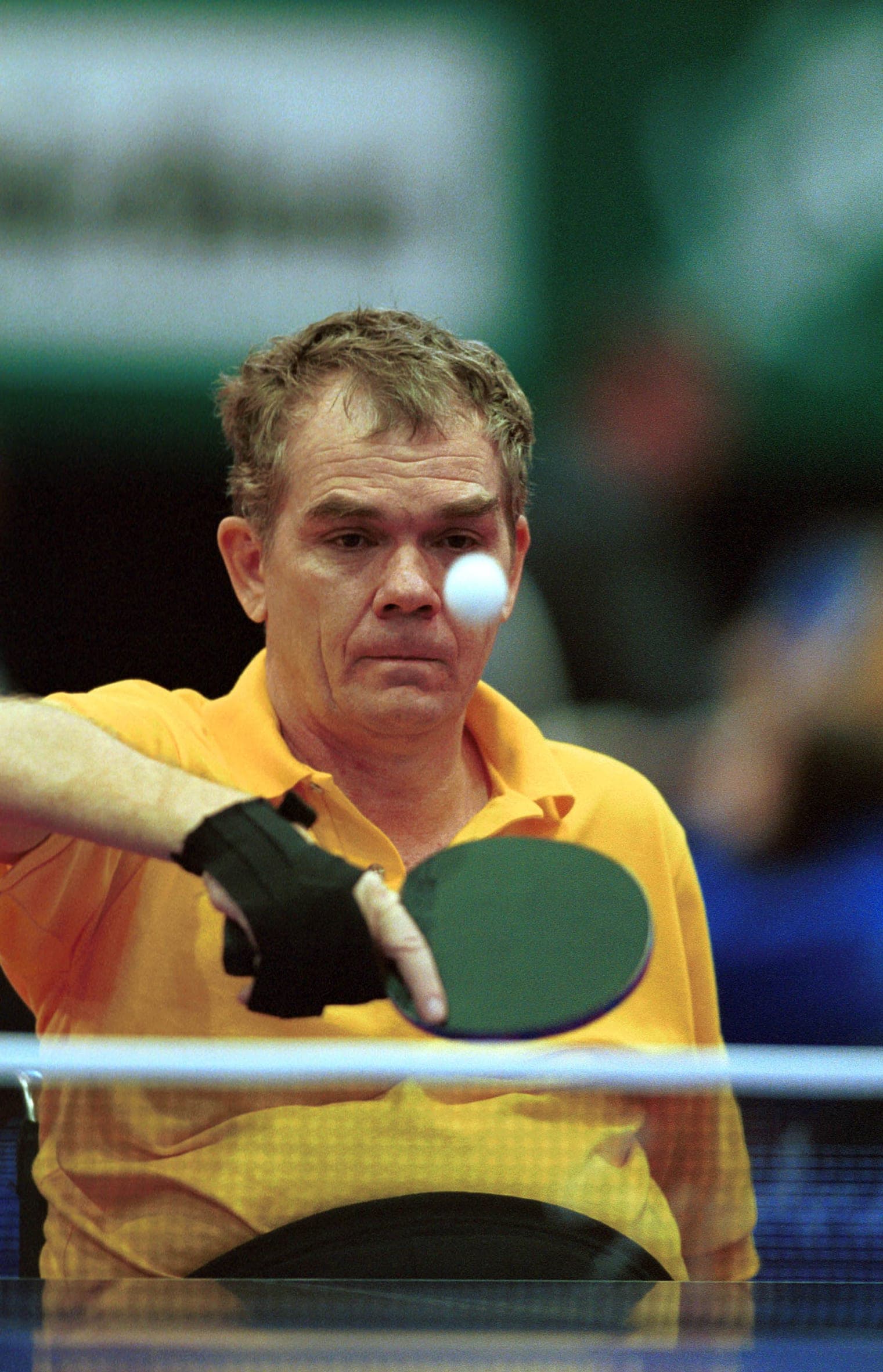
Table Tennis
A fast, low-impact indoor racquet sport that sharpens reflexes and is easy to start.
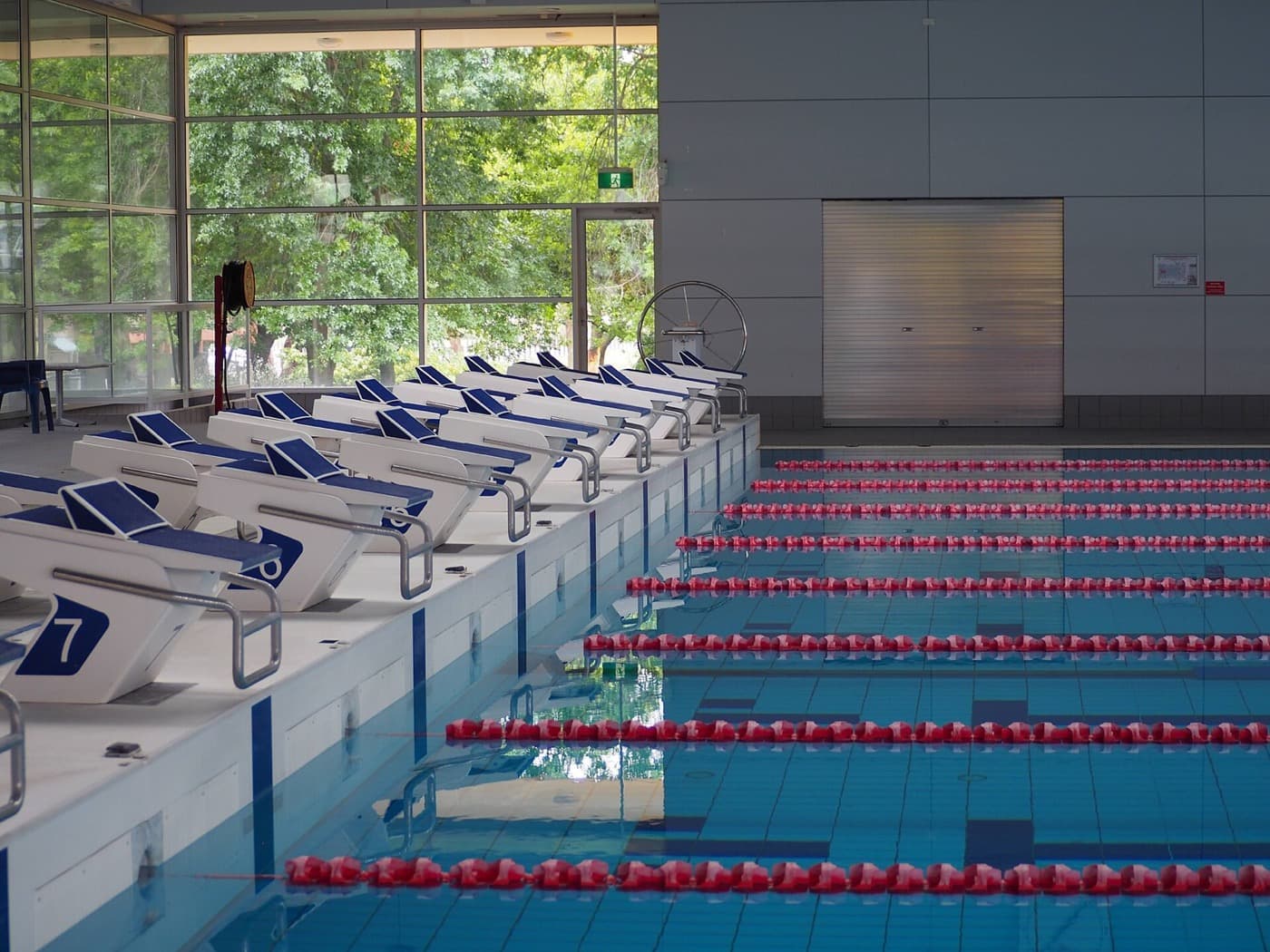
Swimming
A full-body, low-impact endurance sport suitable for almost every age and ability.
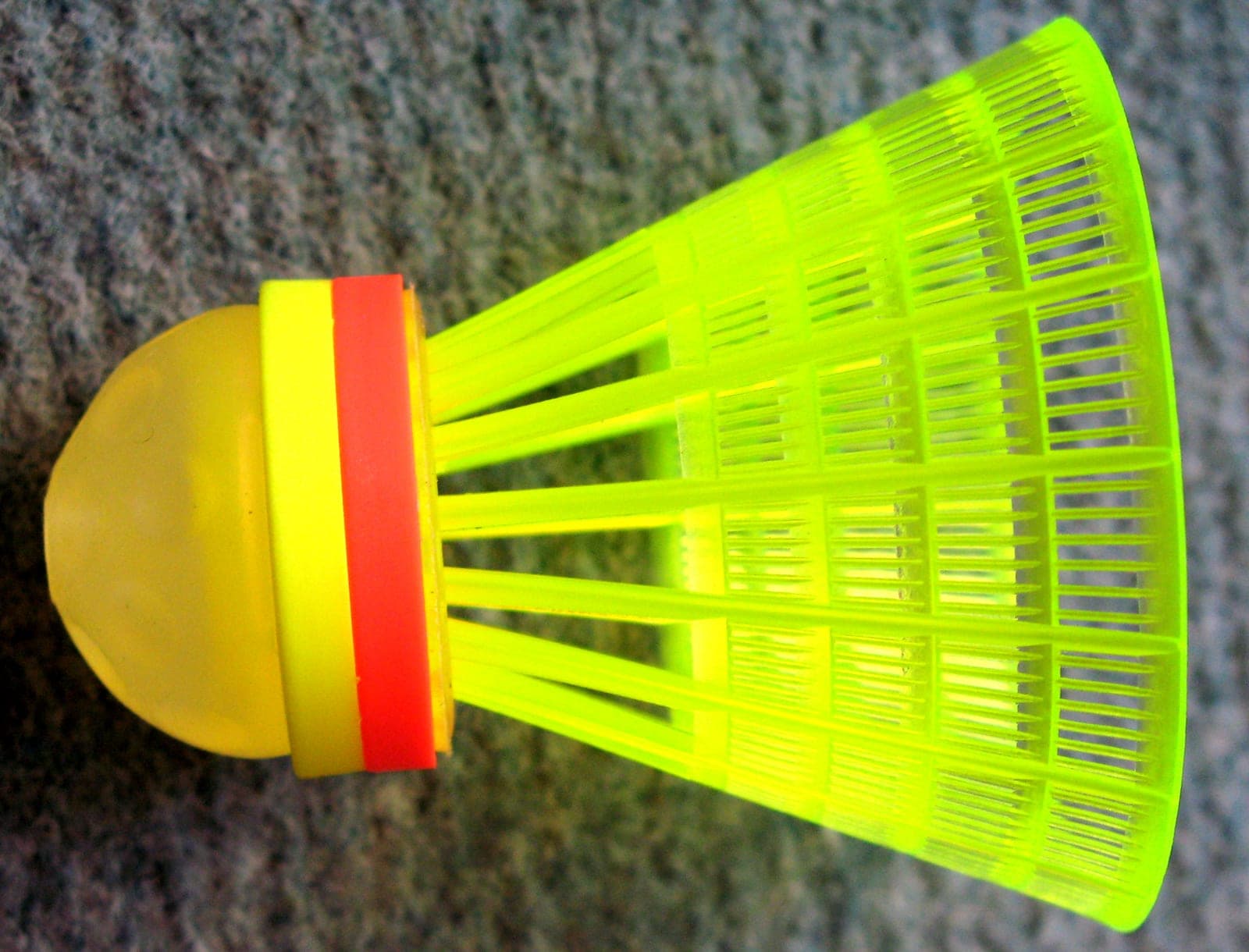
Badminton
A fast indoor racquet sport played with a shuttlecock that rewards agility and touch.
Frequently asked questions
What is a technical session?
It is a session built around the quality of how a movement or shot is executed, using focused repetition and feedback to refine the mechanics rather than to win points. The exact structure varies by sport, level and coach, so treat this as a general idea rather than a set routine — a qualified coach is best placed to say what your technique needs.
Explore across the knowledge base
Follow the threads that connect Technical session to the rest of SocialSportHub.
Coaching concepts
- Repetition QualityThe attention and intent behind each repetition matter more than raw volume — focused, well-executed reps build skill faster than mindless numbers.
- Feedback and CueingFeedback from your senses, a coach, or video plus short instructional cues guide skill learning — including internal vs external focus of attention.
- Deliberate PracticeFocused, effortful practice that targets a specific weakness with full attention and immediate feedback — not just repeating what you already do well.
- Session StructureHow a practice session is organised into phases — warm-up, main focus, game application and cool-down — so time is used well and learning sticks.
- Transfer of TrainingWhether practice carries over to real performance — and why game-like, varied practice tends to transfer better than isolated, repetitive drills.
Skills
- ServingThe skill of putting the ball or shuttle into play to start a point or rally.
- Ball controlThe skill of receiving and settling the ball quickly so it is ready to use.
- FootworkThe skill of moving efficiently around the playing area to be in position for each shot or action.
- Running formThe skill of running with efficient, relaxed and balanced movement, so that more of the effort you put in goes into travelling forward.
- ThrowingThe skill of propelling the ball accurately and with control using the arm.
Knowledge Atlas
Training plans
- Beginner Strength WeekA general example week for someone learning the basic strength movements, built around a few short, technique-focused sessions with plenty of rest.
- Learn-to-Swim ProgressionA gentle example progression from getting comfortable in the water toward swimming short, continuous distances, built around relaxed, regular pool visits.
- Beginner Run WeekA simple example running week for newer runners, built around a couple of easy runs, one slightly longer effort and plenty of rest.
Sports science
Movement comparisons
- Glide vs SlideGlide vs Slide: how these two movements differ, what they share, and how to tell them apart — from mechanics to the sports that use them.
- Lunge vs SquatLunge vs Squat: how these two movements differ, what they share, and how to tell them apart — from mechanics to the sports that use them.
- Hinge vs SquatHinge vs Squat: how these two movements differ, what they share, and how to tell them apart — from mechanics to the sports that use them.
- Hinge vs LungeHinge vs Lunge: how these two movements differ, what they share, and how to tell them apart — from mechanics to the sports that use them.
- Crossover Step vs LungeCrossover Step vs Lunge: how these two movements differ, what they share, and how to tell them apart — from mechanics to the sports that use them.
How this page is maintained
- Content type
- Session type
- Provenance
- Tier A — evergreen educational
- Verified external sources
- 0
- Content updated
- 2026-07-12
Evergreen, first-party explanation — it makes no claim that needs an external source. How we handle sources and reviews.