
Recovery session
A deliberately easy session — gentle movement to help the body feel better and adapt, rather than to push hard.
Overview
A recovery session is one where the whole point is to go easy. Instead of training hard, you move gently — a light walk, an easy swim or spin, some relaxed mobility — to feel looser and to let the body adapt from harder work. It is a session defined by low intensity rather than by any particular activity.
Recovery is widely treated as part of training rather than a break from it, because adaptation happens during rest as much as during effort. How much anyone needs is individual, though, so treat this as general education; a qualified coach or professional is the right source for what suits you, and anything painful is a reason to check with a professional.
Purpose & structure
- A deliberately low-intensity session — the goal is to feel better, not to push.
- Usually gentle movement: an easy walk, swim, spin or relaxed mobility.
- Recovery is widely treated as part of training, because the body adapts during rest.
- How much anyone needs is individual, not a fixed rule.
Who it’s for
- Days after harder training or competition, when the aim is to feel refreshed.
- Beginners, as a gentle way to stay active without overdoing it.
- It supports training but does not replace medical advice — check with a professional for anything painful.
A format, not a plan
Sports it suits
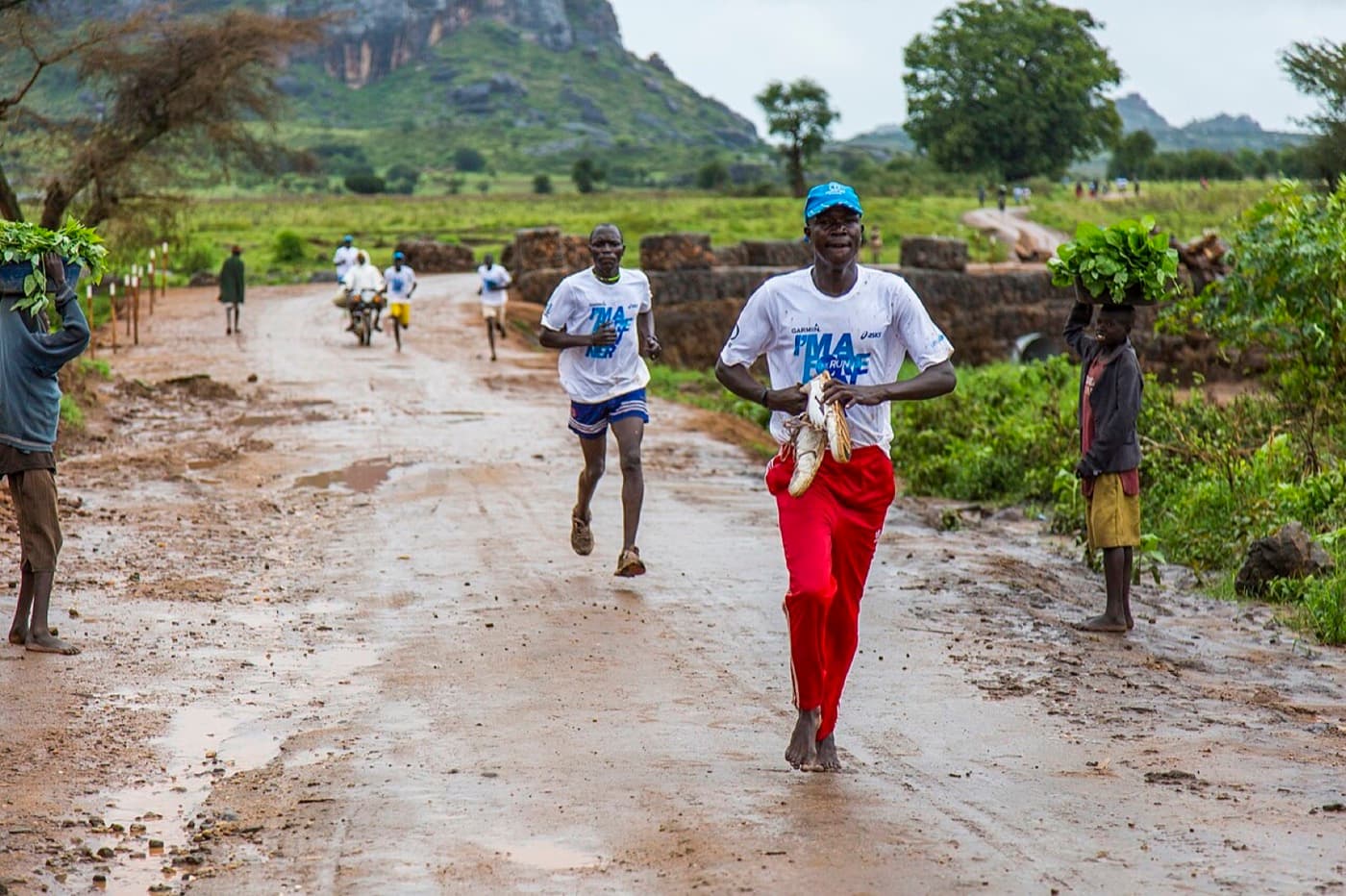
Running
The most accessible endurance sport — no venue, just shoes and the open road or trail.
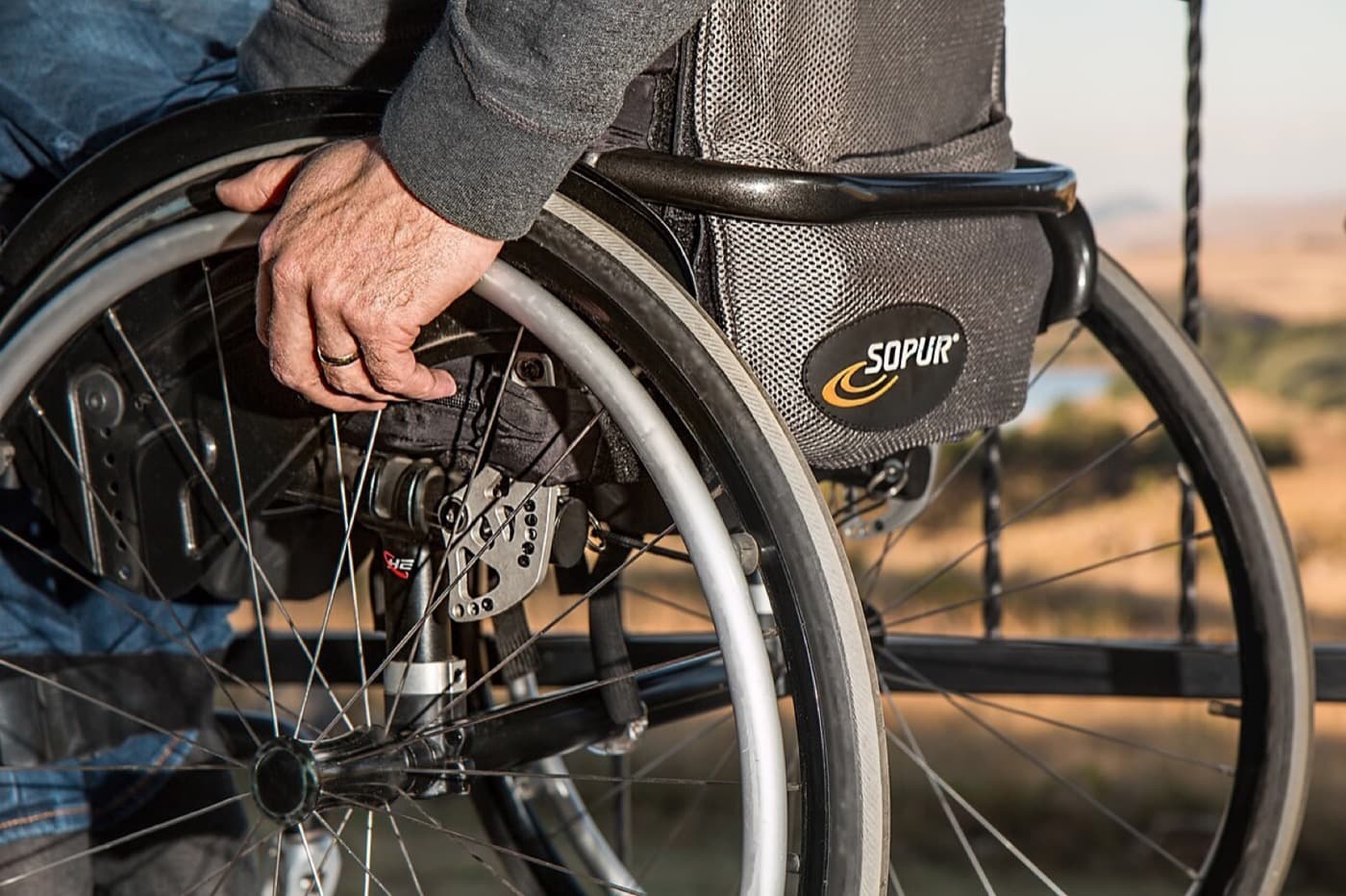
Cycling
A low-impact endurance sport that doubles as transport, exercise and adventure.
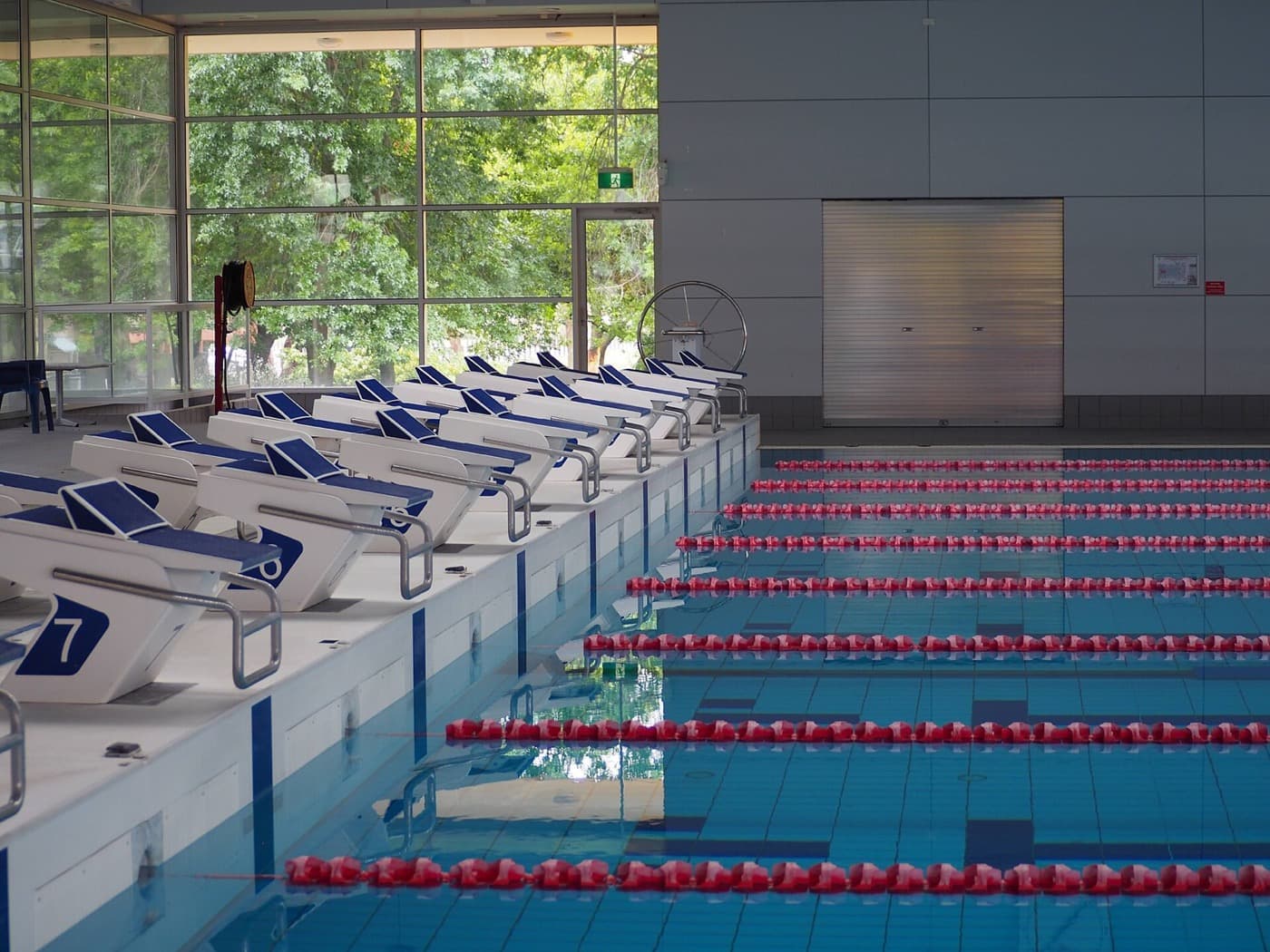
Swimming
A full-body, low-impact endurance sport suitable for almost every age and ability.
Frequently asked questions
What is a recovery session?
It is a deliberately easy session — gentle movement like a light walk, swim or spin — done to help the body feel better and adapt, rather than to train hard. Recovery is widely treated as part of training, but how much anyone needs is individual, so a qualified professional is the best guide, and anything painful is a reason to check with one.
Explore across the knowledge base
Follow the threads that connect Recovery session to the rest of SocialSportHub.
Recovery
- Active recoveryActive recovery means very easy, gentle movement on lighter days to keep the body moving without adding hard training stress.
- Easy daysEasy days are deliberately gentle training days that keep the effort low so harder sessions can stay hard.
- Gentle stretchingGentle stretching means easing into comfortable stretches and holding them in a relaxed way to help you feel less stiff.
- Gentle mobilityGentle mobility work means moving your joints smoothly through a comfortable range to help you feel loose and move well.
- WalkingWalking is simple, low-intensity movement that supports everyday activity and gentle recovery for almost anyone.
Training guides
- Understanding rest and recoveryRest and recovery are the everyday habits — sleep, rest days and gentle movement — that let the benefits of training take hold between sessions.
- How to cool downA cool-down is a few easy minutes at the end of a session that let your effort taper off gradually before you stop.
Training methods
- Active Recovery SessionsActive recovery sessions are deliberately easy bouts of gentle movement — an easy walk, spin or swim — used on lighter days to keep moving without adding hard work.
- Interval TrainingInterval training alternates short bursts of harder effort with easier recovery periods, letting you accumulate more quality work than a single continuous push.
Healthy living
- Active recoveryGentle, easy movement on your off days — a relaxed way to keep the body moving while it recovers, instead of doing nothing.
- Recovery SleepThe role rest plays in helping your body recover, adapt and feel ready after training and active days.
- Rest daysThe planned days off that let the body recover and adapt — an ordinary, valuable part of staying active, not a sign of slacking.
- Stretching for recoveryUsing gentle, unhurried stretching to feel loosened and relaxed after activity — an easy, calming way to wind down.
- Morning MovementA little gentle activity early in the day to wake the body up and start on a positive note.
Training plans
- Mobility Routine WeekA gentle example week of short mobility sessions that move the main joints through easy, comfortable ranges to help you feel loose and move well.
- Beginner Full-Body WeekA general example of a simple full-body week that spreads a push, a pull, a lower-body movement and some core evenly across three unhurried sessions.
Goals
- Improve sleepSupport more restful sleep by staying active during the day and building a consistent daily rhythm.
- Become more activeAdd regular, gentle movement to your everyday life and build up from a sedentary start at your own pace.
- Improve mobilityMove your joints more freely and comfortably through their natural range with regular, gentle practice.
How this page is maintained
- Content type
- Session type
- Provenance
- Tier A — evergreen educational
- Verified external sources
- 0
- Content updated
- 2026-07-12
Evergreen, first-party explanation — it makes no claim that needs an external source. How we handle sources and reviews.