
Artificial Turf
A synthetic playing surface of manufactured grass-like fibres, used as an all-weather alternative to natural grass for football, hockey and other field sports.
Definition
Artificial turf is a manufactured surface of plastic fibres tufted into a backing to imitate grass, usually with an infill of sand and rubber granules that supports the fibres and cushions the surface. It is valued for durability and consistency: it drains quickly, tolerates heavy use and does not wear into mud, making it common on training grounds, indoor arenas, hockey pitches and padel courts.
Modern generations are described by labels such as "3G" and "4G", and the surface behaves differently from grass — the ball can run faster and truer, and footing varies with the infill. Elite field hockey is now played almost entirely on water-based or sand-dressed artificial turf. AstroTurf is a well-known brand name often used generically for the whole category.
Scope: The surface material; 'AstroTurf' is a trademark used loosely for the whole synthetic-turf category.
Where you’ll hear “artificial turf”
Sports that use this term:
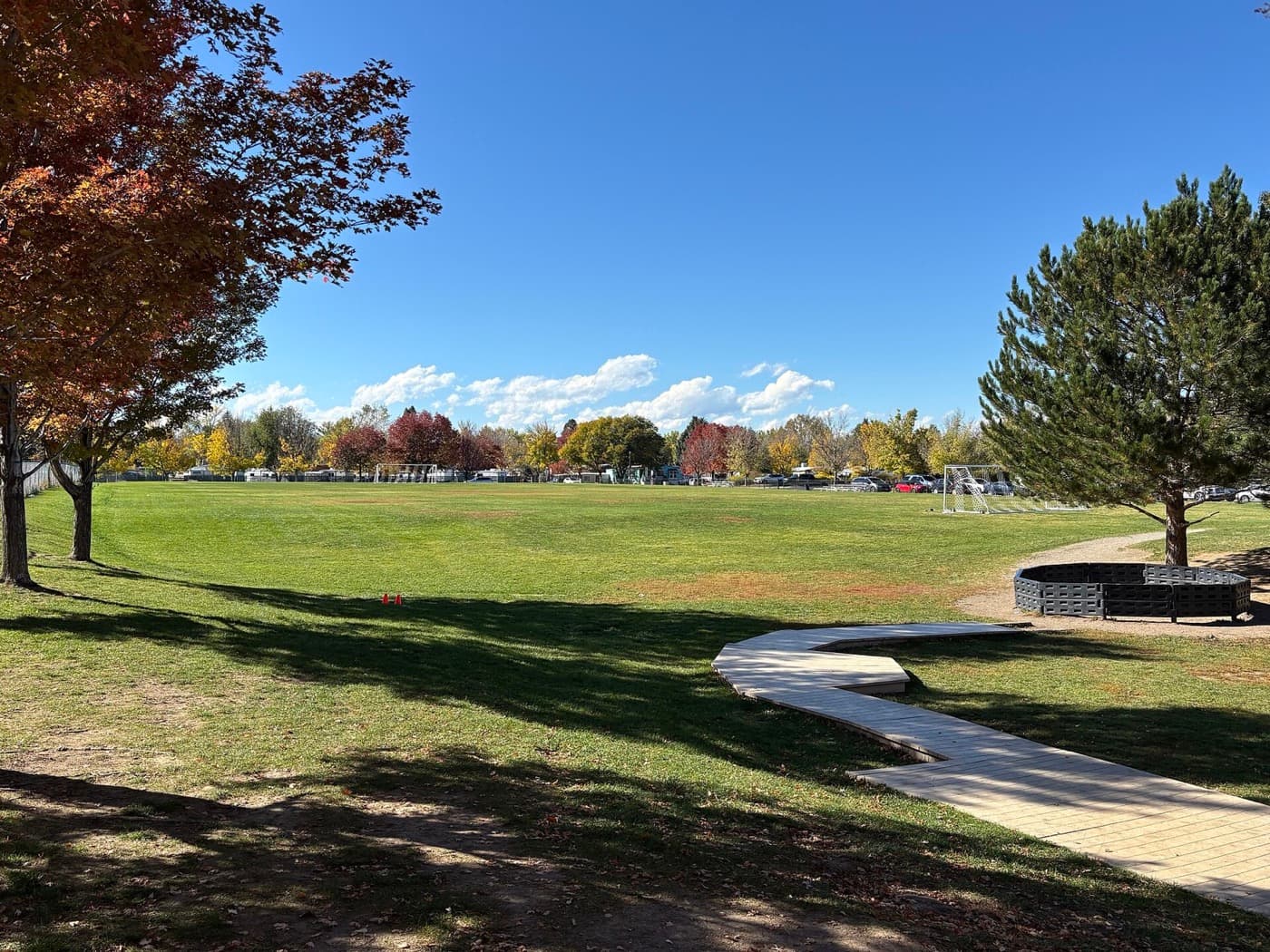
Football
The world’s most popular team sport — endless running, teamwork and community in one game.
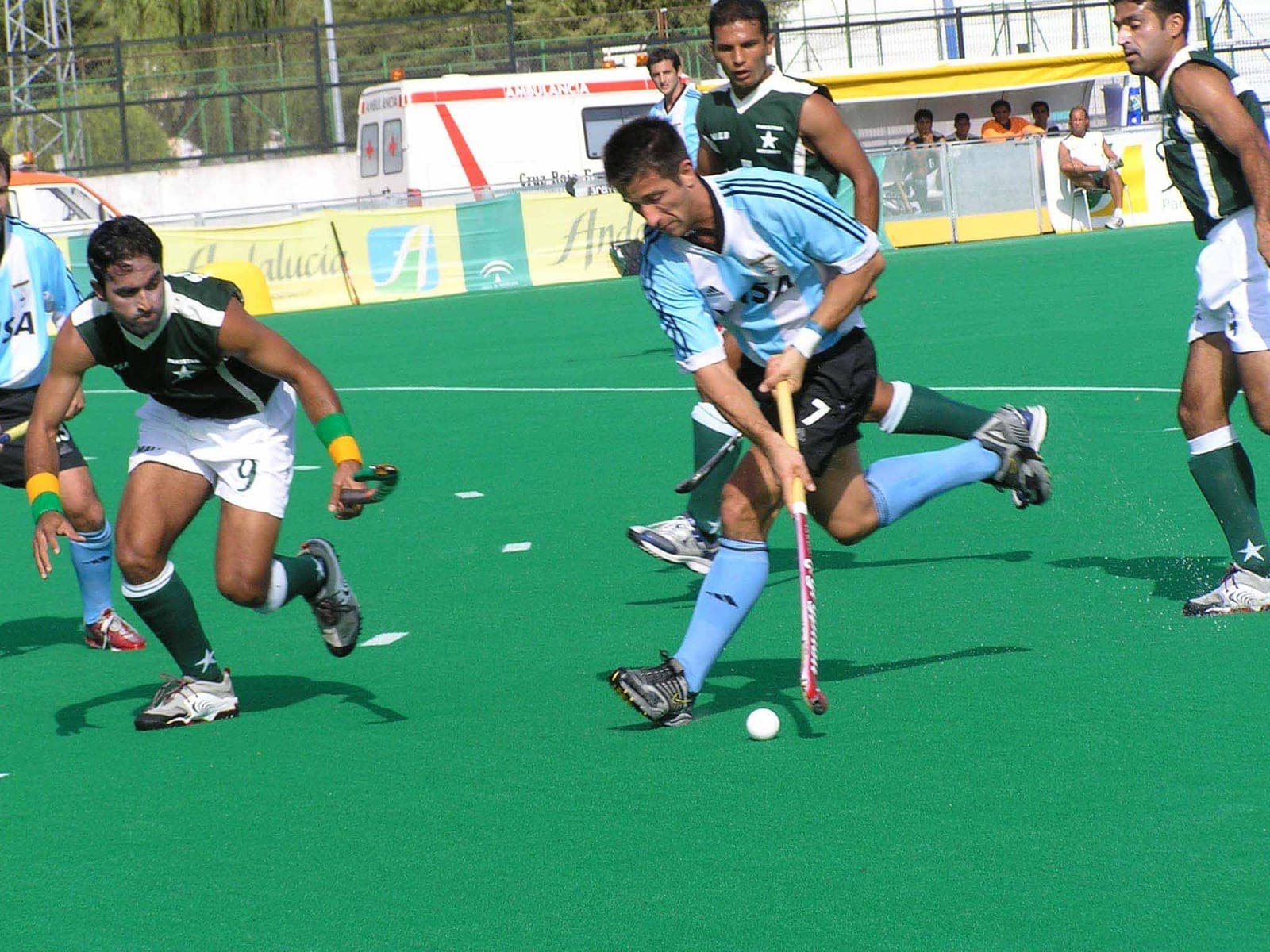
Field Hockey
An outdoor team sport that uses curved sticks to move a ball, built on agility and teamwork.
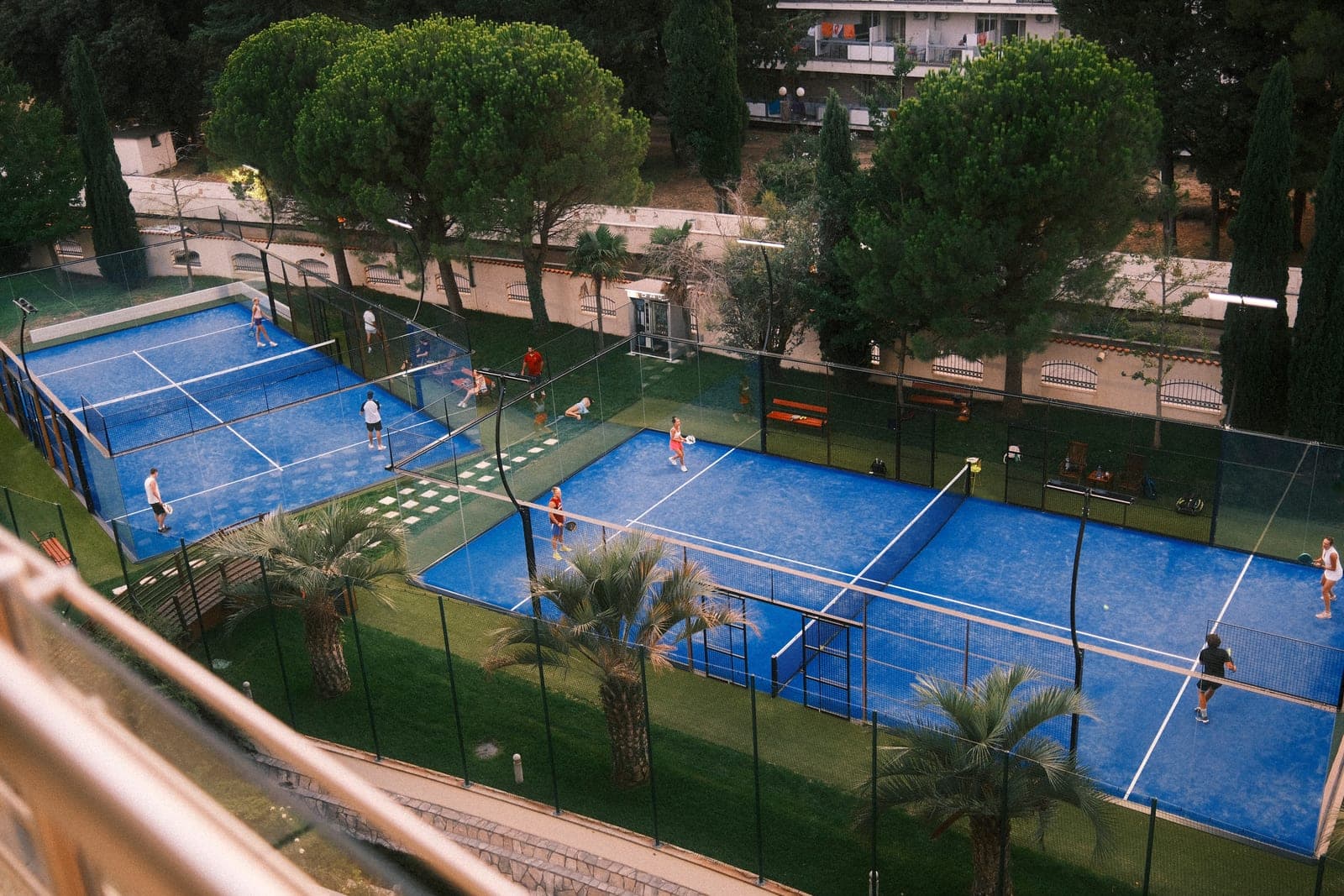
Padel
A sociable, doubles-first racquet sport played in an enclosed court where the walls stay in play.
Explore across the knowledge base
Follow the threads that connect Artificial Turf to the rest of SocialSportHub.
Playing surfaces
- Artificial turfSynthetic grass, often filled with sand or rubber, that gives a firm, even, all-weather surface. It plays faster and truer than worn natural grass.
- GrassNatural turf grown on soil — the traditional surface for many field sports and, in tennis, a fast court with a low, skiddy bounce.
- Synthetic trackAn all-weather rubberised athletics running surface — firm, springy and high-grip — giving sprinters and distance runners fast, consistent, predictable footing.
Facilities
Go deeper with Artificial Turf
Everywhere else on the platform that covers Artificial Turf — assembled from what actually references it, so nothing here is a dead end.
Take it away
Open data and the whole-platform view of this subject.
How this page is maintained
- Content type
- Term
- Provenance
- Tier A — evergreen educational
- Verified external sources
- 0
- Content updated
- 2026-09-01
Evergreen, first-party explanation — it makes no claim that needs an external source. How we handle sources and reviews.