
Pre-match communication
The talking a team or individual does before play — plan, roles, key cues and a shared focus — to start on the same page.
Overview
Pre-match communication is everything shared before play starts: a reminder of the plan, who is doing what, a few key cues, and a shared focus for the day. It is usually short and settling rather than a full lecture, aiming to get everyone starting on the same page rather than to cover absolutely everything.
It often overlaps with role clarity and shared terminology, since the pre-match talk is where those get set for the day. It does not guarantee a result — it just reduces early confusion — and how it looks varies widely, from a captain's few words to a coach's team talk to an individual's quiet routine before a race.
How it works
- It is the information shared before play — plan, roles, key cues and a shared focus.
- It tends to be short and settling rather than an exhaustive briefing.
- It is often where role clarity and shared terminology are set for the day.
- It reduces early confusion but does not guarantee a result.
- It ranges from a full team talk to a captain's few words to a quiet individual routine.
In practice
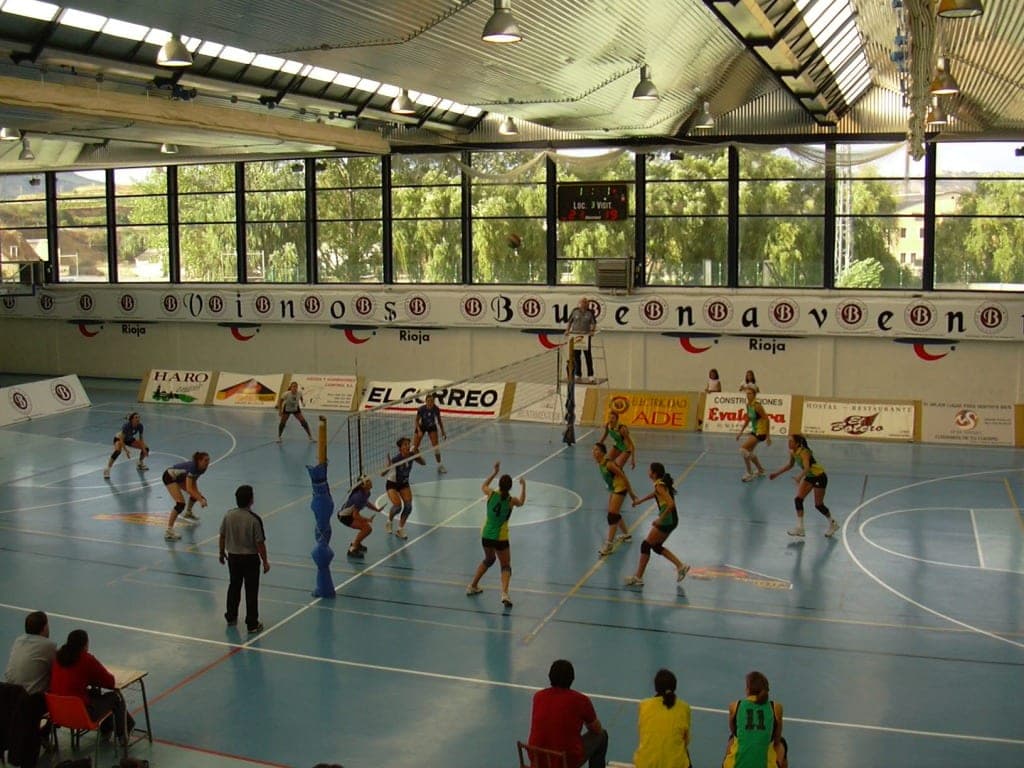
- Before a football or volleyball match it may cover set-piece or serve-receive roles so no one is unsure at the first whistle.
- In an individual sport like running or cycling, pre-match communication can be mostly a personal plan and a warm-up routine.
- The right amount varies — too much detail can overload, so many teams keep it to a few reminders.
Educational — and it varies
Where it shows up
Sports where this communication is especially visible — each with a clear guide.

Football
The world’s most popular team sport — endless running, teamwork and community in one game.
Volleyball
A non-contact team sport of rallies, jumps and teamwork — indoors or on the beach.

Running
The most accessible endurance sport — no venue, just shoes and the open road or trail.
Cycling
A low-impact endurance sport that doubles as transport, exercise and adventure.
Frequently asked questions
What is said in pre-match communication?
It usually covers the plan, who is responsible for what, a few key cues and a shared focus, and it tends to be short and settling rather than an exhaustive briefing. It helps a team or individual start on the same page, though it does not guarantee an outcome, and how much is said varies by sport, level and the moment.
Explore across the knowledge base
Follow the threads that connect Pre-match communication to the rest of SocialSportHub.
Tactics
Coaching concepts
- Session StructureHow a practice session is organised into phases — warm-up, main focus, game application and cool-down — so time is used well and learning sticks.
- Feedback and CueingFeedback from your senses, a coach, or video plus short instructional cues guide skill learning — including internal vs external focus of attention.
Practice & sessions
- Team practicePractising with a full team — working on roles, patterns of play and communication so the group performs together, usually under a coach.
- Individual practicePractising on your own — you set the focus, run the drills and work at your own pace, with no partner or coach present.
- Self-guided sessionA session you plan and run yourself, without a coach directing it — you decide the focus, set it up and rely on your own judgement.
Sport categories
Knowledge Atlas
How this page is maintained
- Content type
- Communication concept
- Provenance
- Tier A — evergreen educational
- Verified external sources
- 0
- Content updated
- 2026-07-12
Evergreen, first-party explanation — it makes no claim that needs an external source. How we handle sources and reviews.