
Individual differences
The idea that people respond to the same training differently — so what works well for one person may not suit another.
Overview
The principle of individual differences recognises that no two people respond to training in exactly the same way. Given the same programme, people tend to adapt at different rates and to different degrees, shaped by factors such as starting fitness, training history, age, sleep, everyday stress and simple biological variation. It is why a plan that suits one person may be too much, too little or wrongly aimed for another.
This principle is a caution against treating any programme as one-size-fits-all. It does not mean training cannot be planned — general principles like overload and specificity still apply — but it means their details are best tailored to the person. Because so much of that tailoring depends on personal factors like health, fatigue and recovery, it is best guided by a qualified coach or professional.
The science
- People respond to the same training at different rates and to different degrees.
- Responses are shaped by starting point, training history, age, sleep, stress and biology.
- General principles still apply — but their details are best tailored to the individual.
- There is no single programme that is optimal for everyone.
- It is a reason to judge training by how a person actually responds, not by a template.
Why it matters
- It explains why coaches individualise plans rather than copy them wholesale.
- It cautions against assuming a programme that worked for someone else will suit you.
- It underlines why personal factors like recovery and health belong with a professional.
Educational only
Where it shows up
Sports where this concept is especially visible — each with a clear guide.

Running
The most accessible endurance sport — no venue, just shoes and the open road or trail.
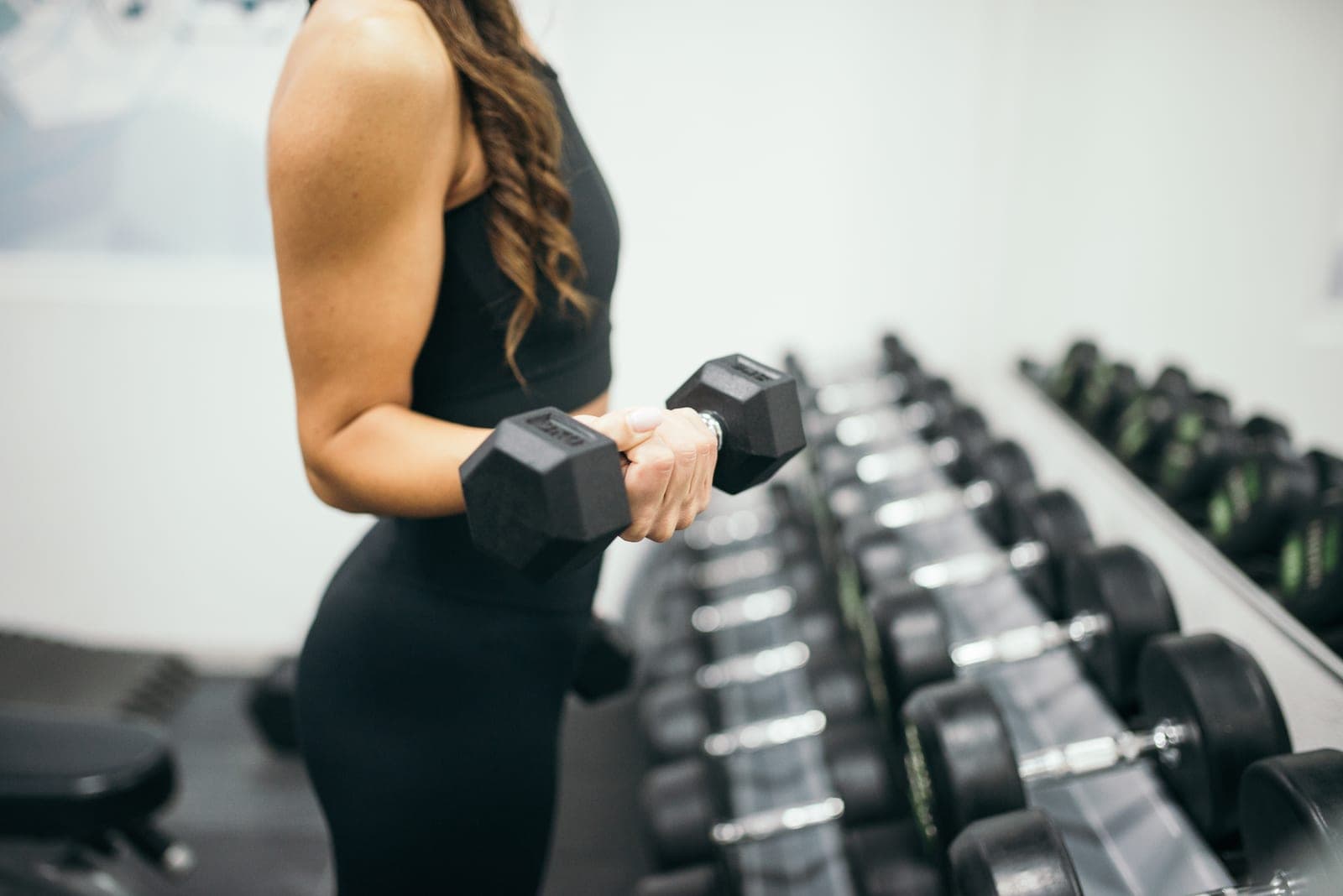
Fitness
Strength and general fitness training — the foundation that supports every other sport.
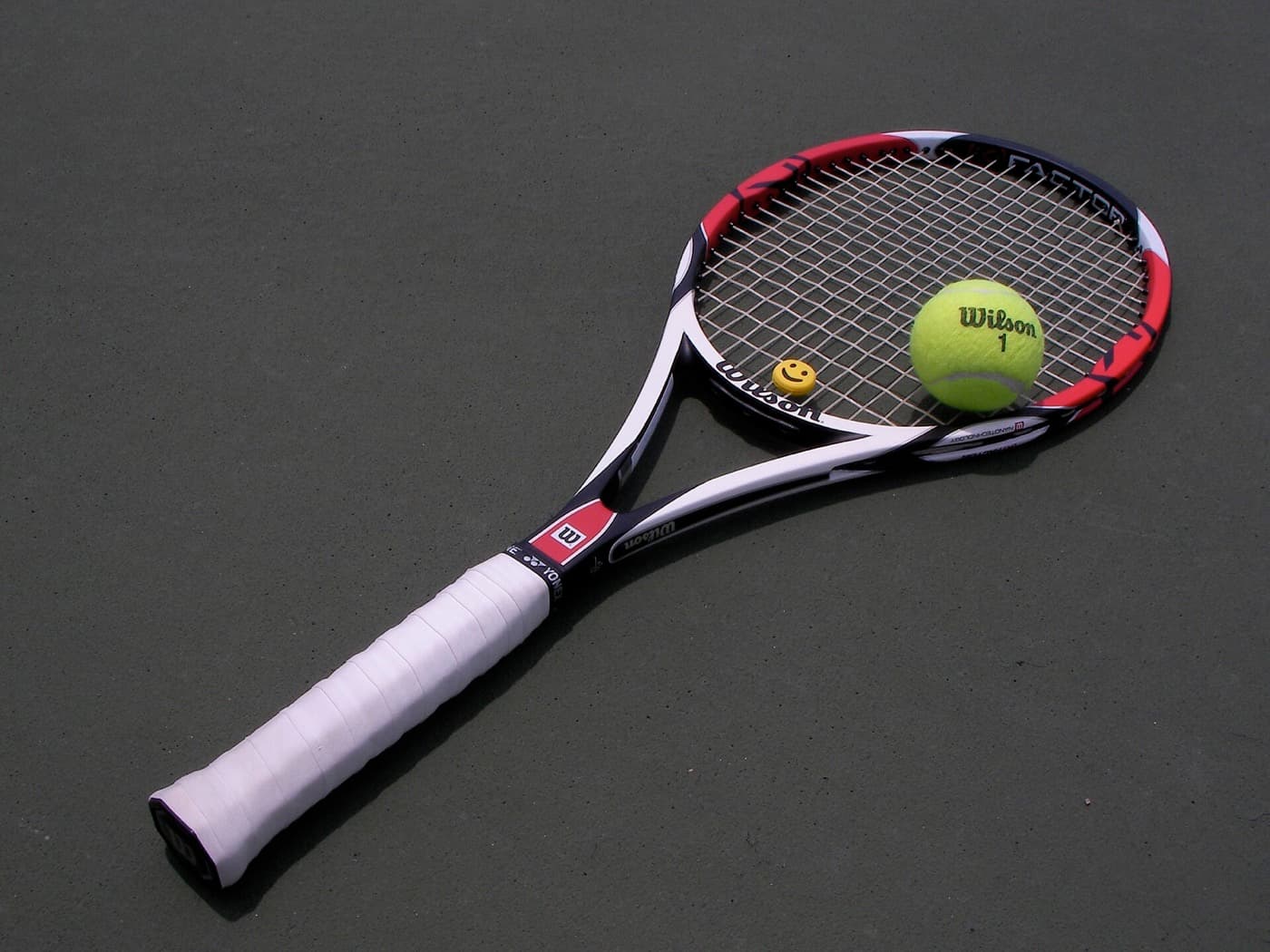
Tennis
A singles or doubles racquet sport that blends agility, strategy and stamina on court.
Frequently asked questions
What does the principle of individual differences mean?
It means people respond to the same training differently — adapting at different rates and to different degrees depending on factors like starting fitness, age, sleep and biology. General principles still apply, but the details are best tailored to the person, which is where a qualified coach or professional helps.
How it connects
The meaning-bearing relationships that place Individual differences in the wider knowledge graph — each one with the reason it exists.
Explains
Covers the underlying "why" for these.
Explore across the knowledge base
Follow the threads that connect Individual differences to the rest of SocialSportHub.
Coaching concepts
- Goal-Setting for PracticeSetting clear practice goals directs effort and makes progress visible — separating results-based outcome goals from controllable process goals.
- ProgressionBuilding skill and training load in gradual, manageable steps so each stage prepares the next, moving from simple to complex and easy to hard.
Training guides
Experience levels
Go deeper with Individual differences
Everywhere else on the platform that covers Individual differences — assembled from what actually references it, so nothing here is a dead end.
Question it
Research topics that name this entity among their connections.
Take it away
Open data and the whole-platform view of this subject.
How this page is maintained
- Content type
- Sports science concept
- Provenance
- Tier A — evergreen educational
- Verified external sources
- 0
- Content updated
- 2026-07-09
Evergreen, first-party explanation — it makes no claim that needs an external source. How we handle sources and reviews.