
Session Structure
How a practice session is organised into phases — warm-up, main focus, game application and cool-down — so time is used well and learning sticks.
Overview
Session structure is the deliberate ordering of a practice into distinct phases so that each part of the available time serves a clear purpose. A common shape moves from a warm-up that gradually raises effort, into a main focus where the key skill or quality is developed, then into a game-like application phase, and finally a cool-down that eases activity back down. Sequencing a session this way means the most demanding learning happens while attention and energy are freshest, and nothing important is left to chance at the end.
The value of a clear structure is that it turns a block of time into a sequence of connected steps rather than a set of unrelated drills. Each phase sets up the next: the warm-up prepares for the main work, the main focus builds the target skill in isolation or in simple conditions, and the application phase asks the learner to use that skill under more realistic, game-like pressure. A predictable framework also makes sessions easier to plan, repeat and adjust, and helps everyone understand what each part is for.
In practice
- Warm-up: the opening phase gradually raises intensity and shifts attention toward the session's theme, typically moving from general movement to activity that increasingly resembles what the main work will demand.
- Main focus: the heart of the session, where one clear skill, technique or quality is developed while concentration and energy are highest — keeping the focus narrow tends to make practice more effective than trying to cover everything at once.
- Game application: the target skill is then rehearsed in game-like or pressured situations so that what is practised in isolation carries over into real performance, an idea widely described as transfer.
- Cool-down: a gradual wind-down lowers intensity and eases the transition from hard effort back toward rest, and can double as a calm moment to reflect on what was worked on and what to take into the next session.
- Flow and time management: thoughtful sequencing — rising, then peaking, then easing — plus sensible time given to each phase keeps a session purposeful, and the same framework flexes to fit the sport, the goal and the time available.
A note on this information
What it applies to
Session Structure shapes how you develop these across the platform.
Sports where it matters
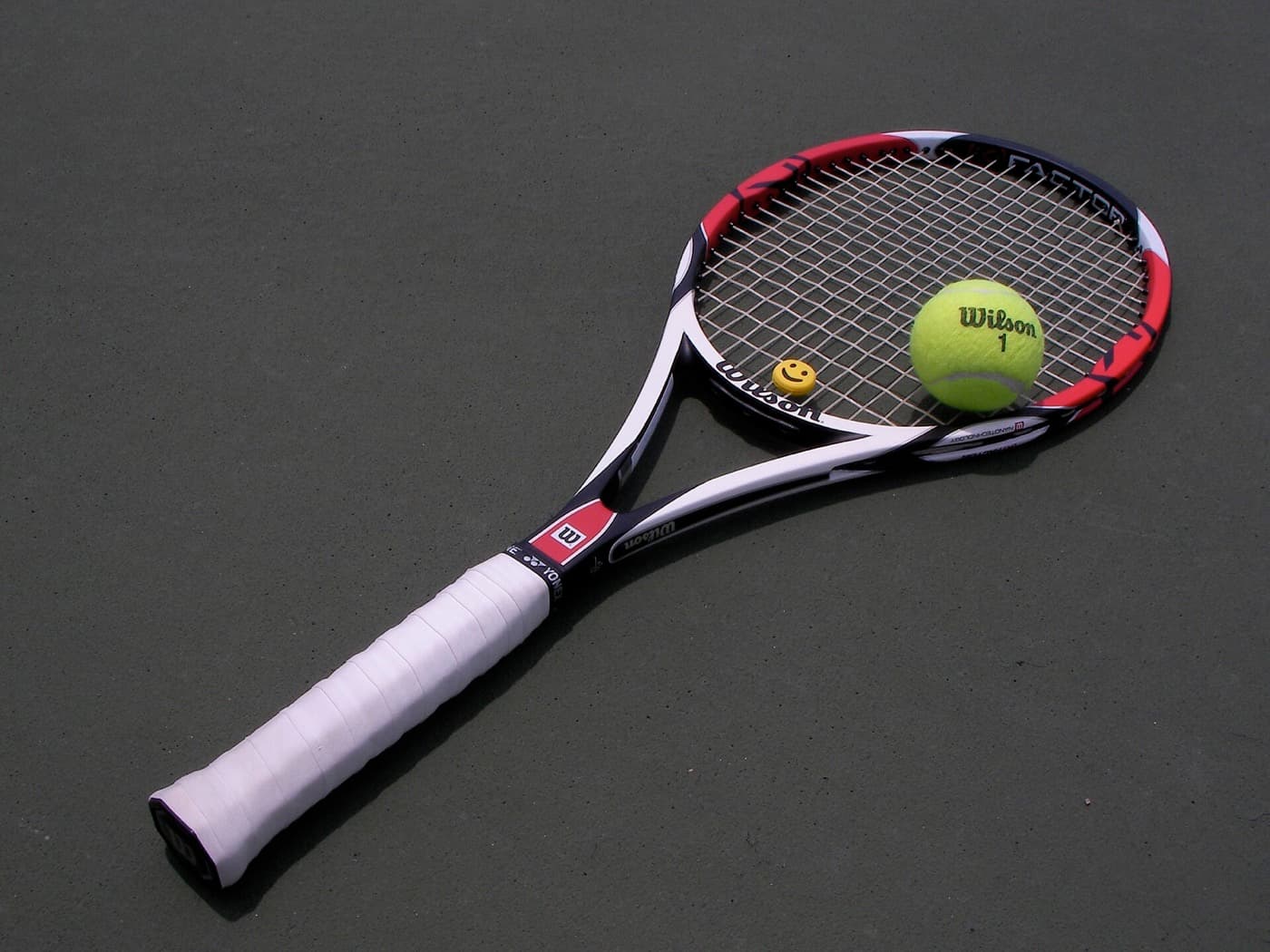
Tennis
A singles or doubles racquet sport that blends agility, strategy and stamina on court.
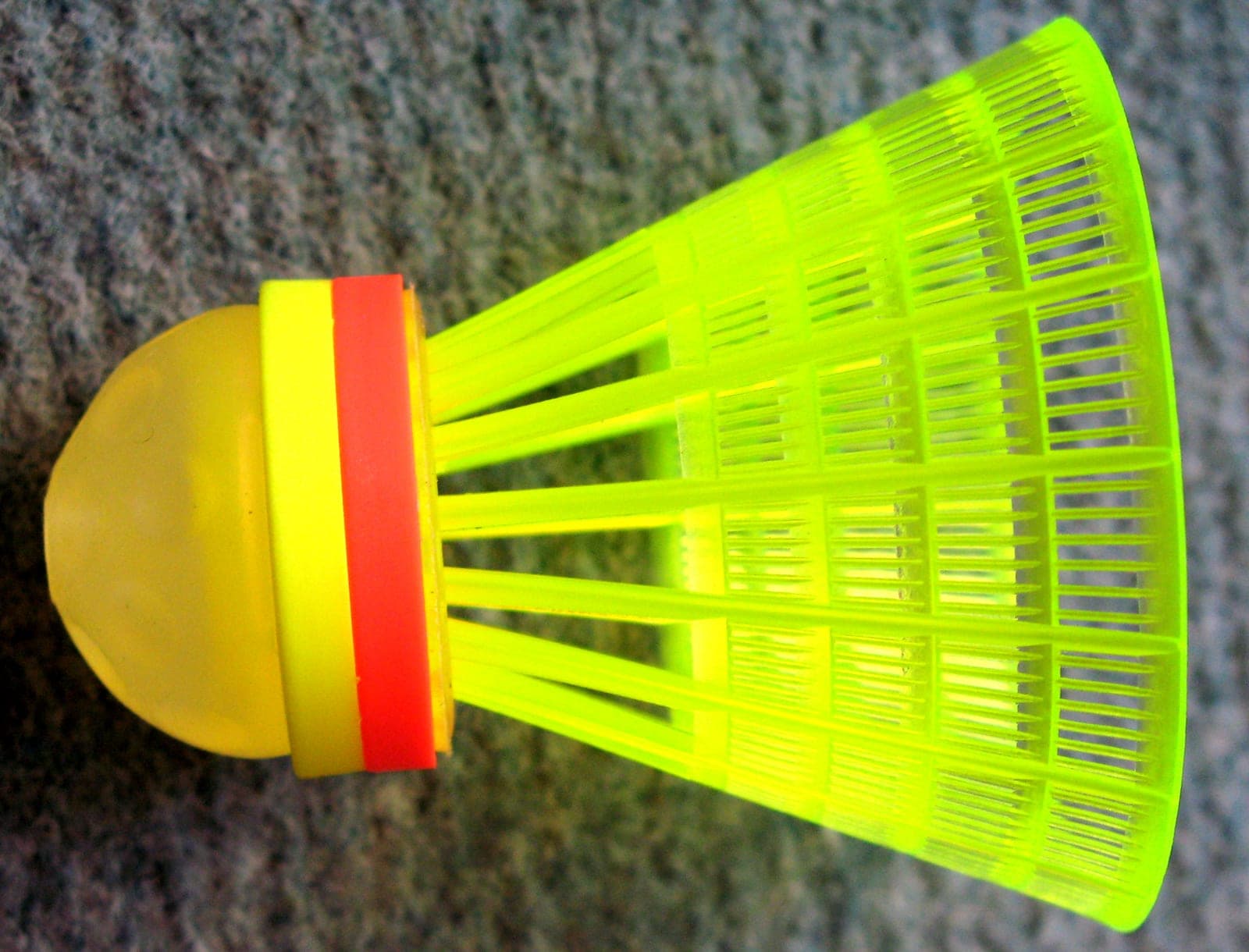
Badminton
A fast indoor racquet sport played with a shuttlecock that rewards agility and touch.
Football
The world’s most popular team sport — endless running, teamwork and community in one game.

Basketball
A fast, dynamic team sport of running, jumping and quick decisions on court.
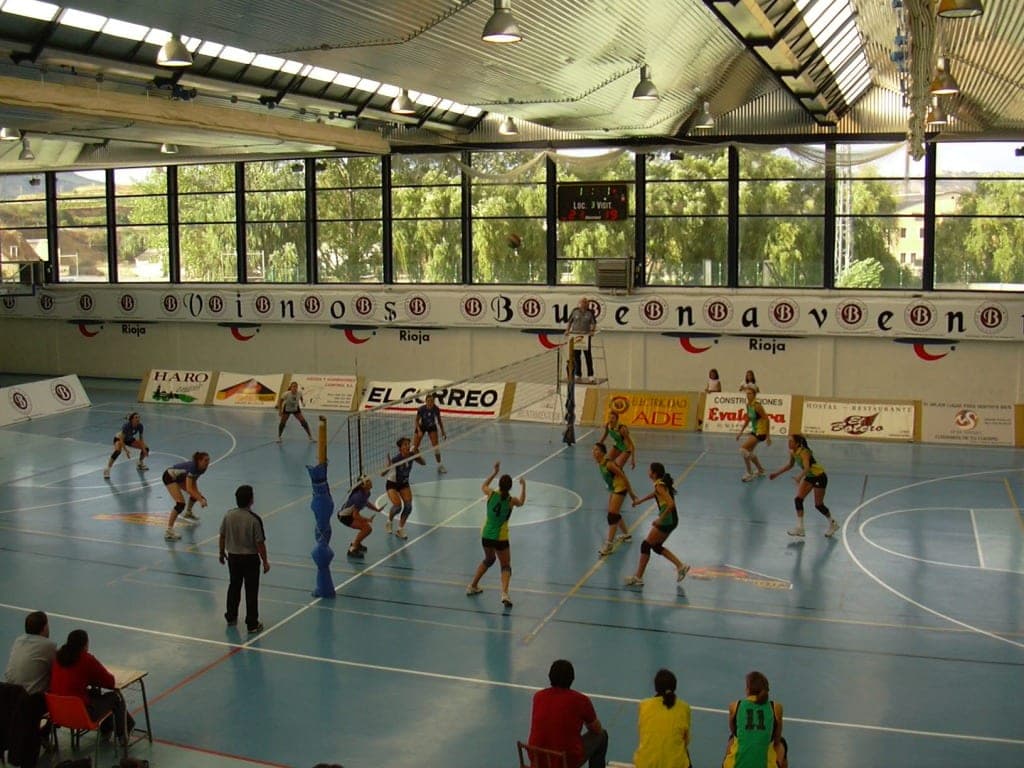
Volleyball
A non-contact team sport of rallies, jumps and teamwork — indoors or on the beach.
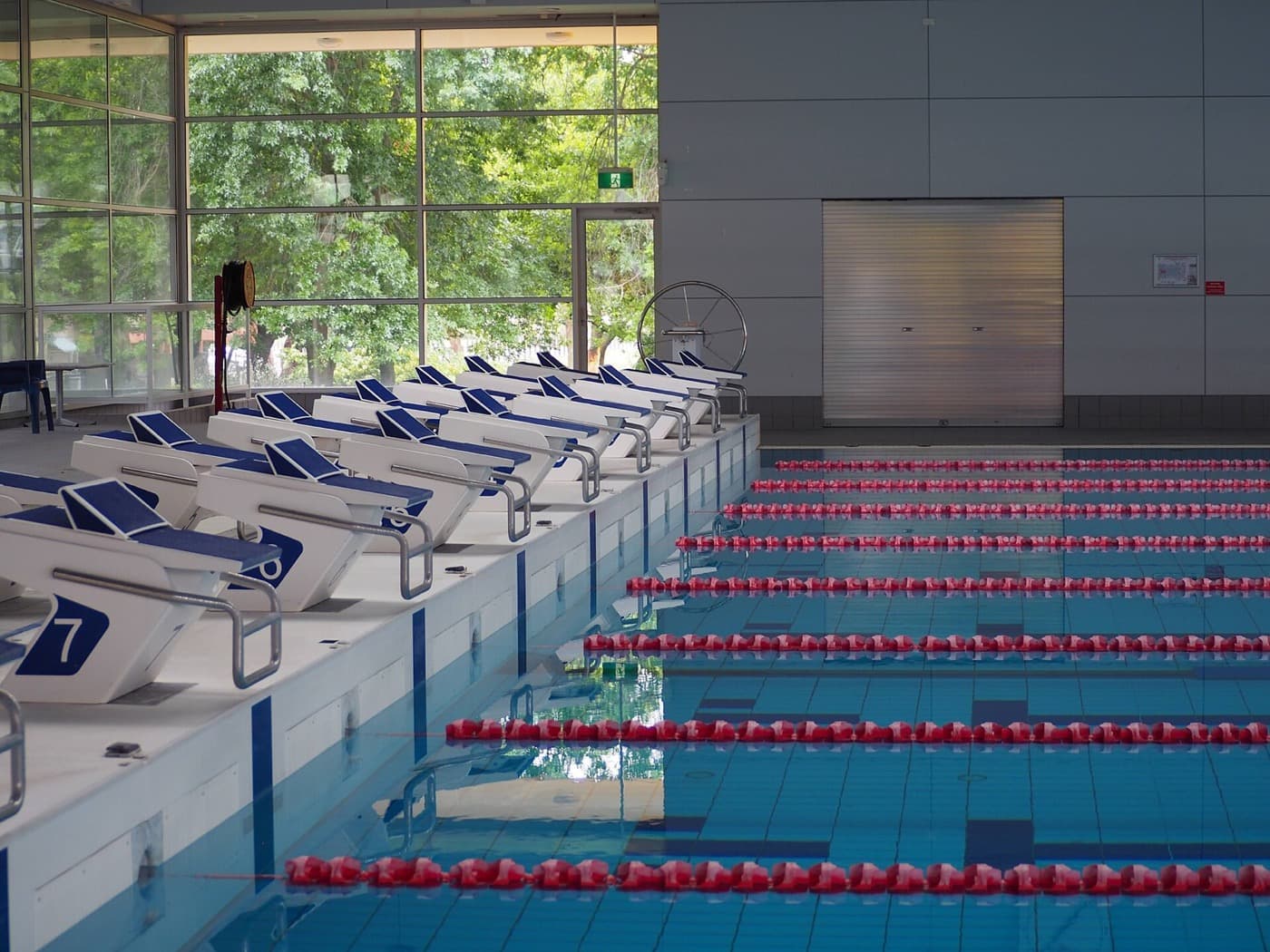
Swimming
A full-body, low-impact endurance sport suitable for almost every age and ability.

Running
The most accessible endurance sport — no venue, just shoes and the open road or trail.
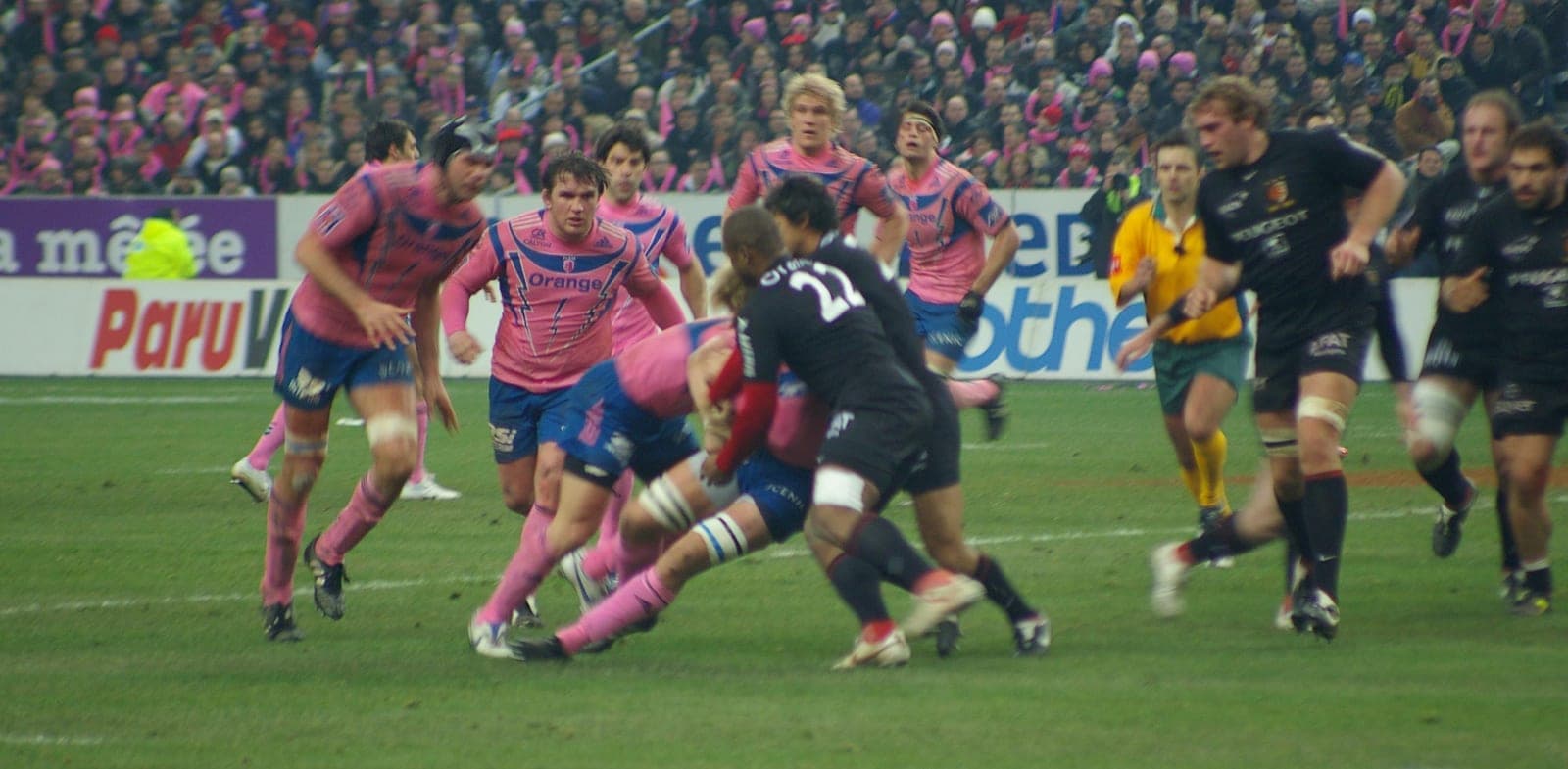
Rugby
A physical team sport of carrying, passing and kicking an oval ball toward the opposing line.
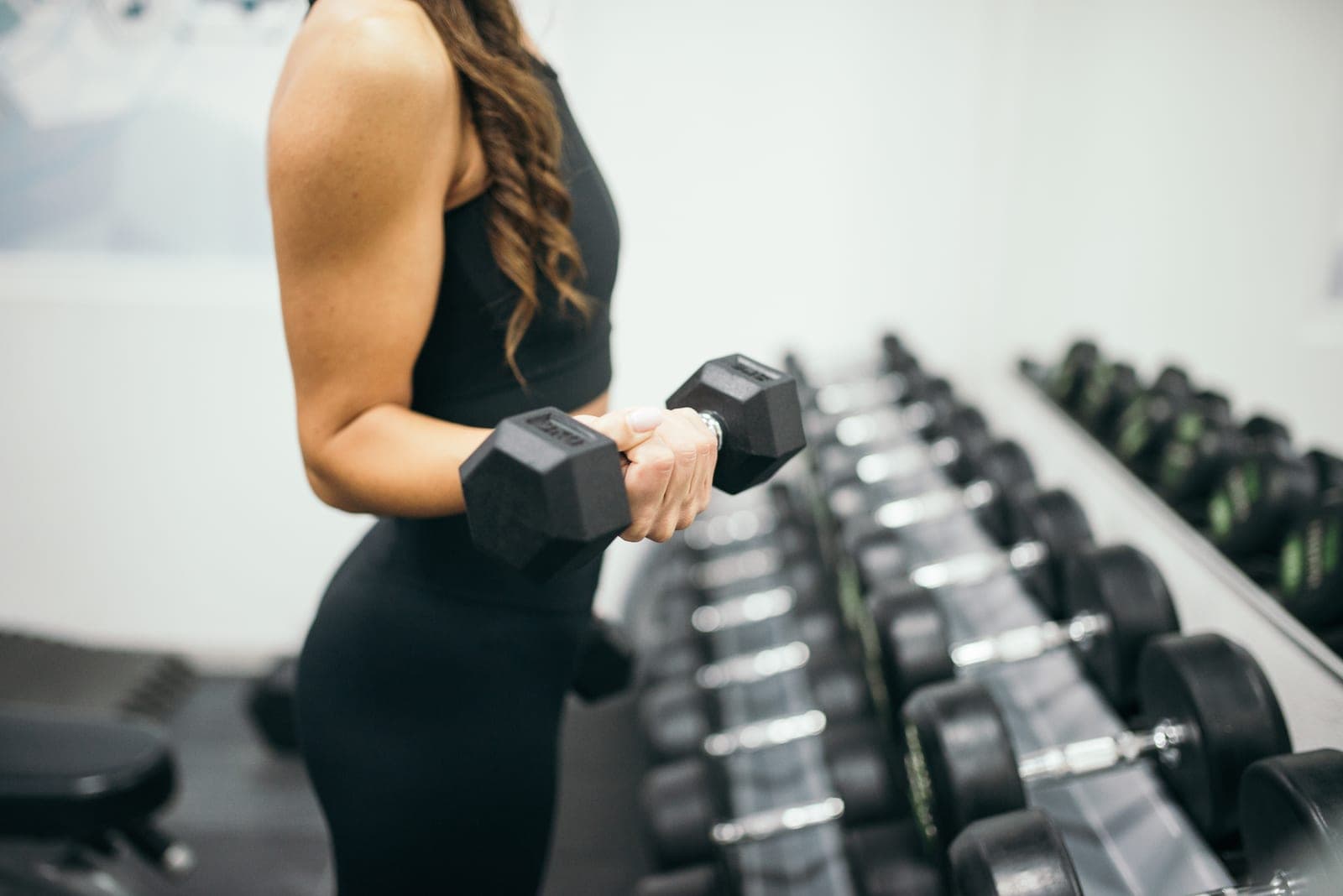
Fitness
Strength and general fitness training — the foundation that supports every other sport.
Explore across the knowledge base
Follow the threads that connect Session Structure to the rest of SocialSportHub.
Sports communication
- Pre-match communicationThe talking a team or individual does before play — plan, roles, key cues and a shared focus — to start on the same page.
- Post-match reflectionLooking back after play — as an individual or a group — to notice what happened and what to work on, calmly rather than in the heat of the moment.
Practice & sessions
- Team practicePractising with a full team — working on roles, patterns of play and communication so the group performs together, usually under a coach.
- Coached sessionA session led by a coach, who sets the focus, gives feedback and shapes the practice around what you need.
- Self-guided sessionA session you plan and run yourself, without a coach directing it — you decide the focus, set it up and rely on your own judgement.
- Beginner orientation sessionA gentle first session for someone completely new — an introduction to the basics, the setting and the equipment, with a relaxed first go.
- Skill-development sessionA session built around learning and improving a skill over time — acquiring it, refining it and making it more reliable.
Goals
- Build healthy habitsUsing sport and routine to make regular activity a lasting part of everyday life.
- Sports for beginnersHow to start playing sport from scratch — choosing a first activity and building up gently.
- Improve fitnessBuild well-rounded fitness — stamina, strength and more — through regular, varied activity you can keep up.
- Improve coordinationSharpen how smoothly your body works together — like tracking and hitting a ball — through skill practice.
- Return to sportEasing back into activity after time away, a long break or a period off through injury.
Training guides
- How to warm upA short, gentle warm-up gradually raises your body temperature and prepares your muscles and joints for the activity ahead.
- How to cool downA cool-down is a few easy minutes at the end of a session that let your effort taper off gradually before you stop.
- How to build a weekly routineBuilding a weekly routine means loosely planning your training across the week so effort and rest are spread out in a way you can sustain.
- Choosing the right intensityChoosing the right intensity is about matching how hard a session feels to its purpose, so most training stays comfortable and sustainable.
- How to progress gentlyProgressing gently means increasing your training in small, gradual steps so your body has time to adapt.
Training methods
- PeriodisationPeriodisation is the practice of organising training into phases across weeks and months, varying the focus so you build steadily and peak at the right time.
- Circuit TrainingCircuit training moves you through a series of stations back to back with little rest, blending strength and cardio into one time-efficient session.
- Interval TrainingInterval training alternates short bursts of harder effort with easier recovery periods, letting you accumulate more quality work than a single continuous push.
- High-Intensity Interval Training (HIIT)High-intensity interval training, or HIIT, packs short, hard efforts against brief recoveries into a compact session, making it a time-efficient way to train.
People
- Complete beginnersHow to start sport from scratch with accessible, low-pressure activities and a gentle, gradual approach.
- Returning to sportHow to ease back into sport after a break, rebuilding gradually and listening to your body.
- Weekend athletesHow to enjoy recreational sport on weekends while staying comfortable and consistent through the week.
How this page is maintained
- Content type
- Coaching concept
- Provenance
- Tier A — evergreen educational
- Verified external sources
- 0
- Content updated
- 2026-07-09
Evergreen, first-party explanation — it makes no claim that needs an external source. How we handle sources and reviews.