
Core stability
The skill of engaging the trunk muscles to keep the body strong and controlled through movement.
Overview
Core stability is the ability to keep the trunk — the muscles around the abdomen, back and pelvis — firm and controlled so the body can move powerfully and efficiently. It provides the stable base that limbs push and pull against.
A strong, engaged core links the upper and lower body, helping transfer force in almost every sport, from a tennis serve to a lift in the gym. It is trained directly in fitness, pilates and yoga.
Key points
- The core is the group of trunk muscles that stabilise the body.
- A stable core lets force transfer smoothly between the upper and lower body.
- Bracing the trunk supports controlled, powerful movement.
- It is trained through exercises like planks and controlled trunk work.
- Good core stability supports posture, balance and nearly every athletic action.
Where it’s used
Sports that use core stability:
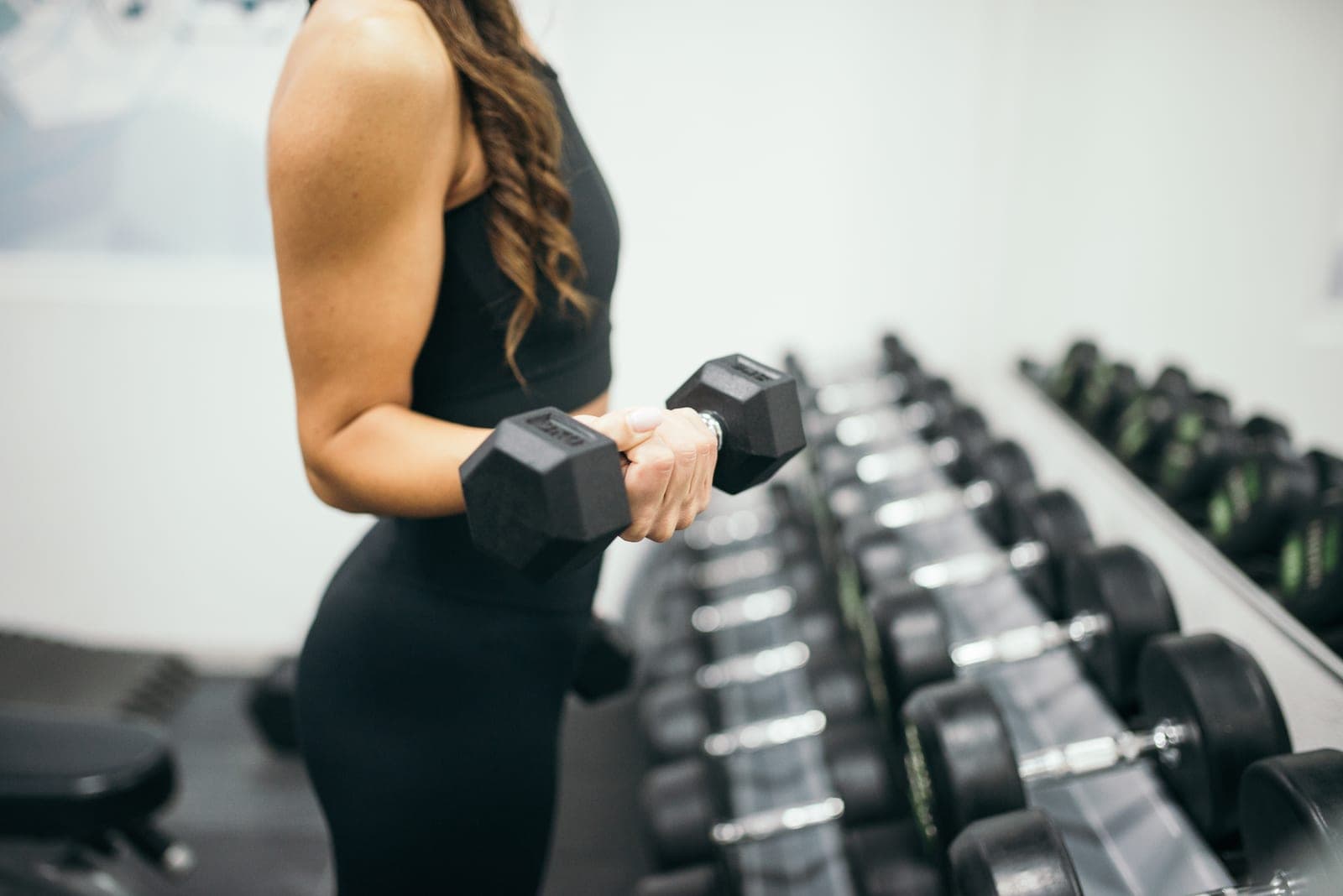
Fitness
Strength and general fitness training — the foundation that supports every other sport.
Pilates
A low-impact mind-body method that builds core strength, control and posture through precise, controlled movement.
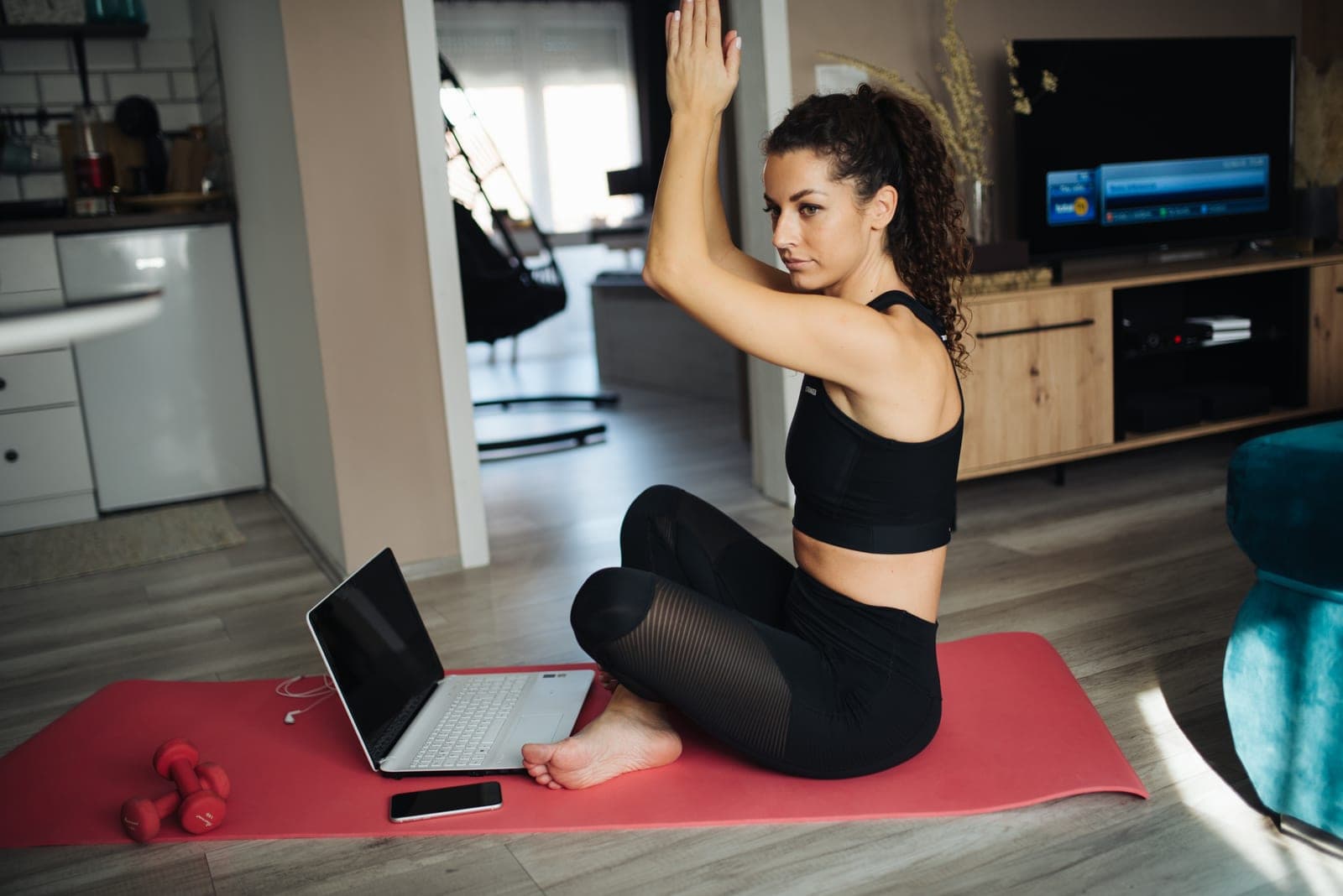
Yoga
A mind-body practice that links postures, breathing and focus to build flexibility, strength and calm.
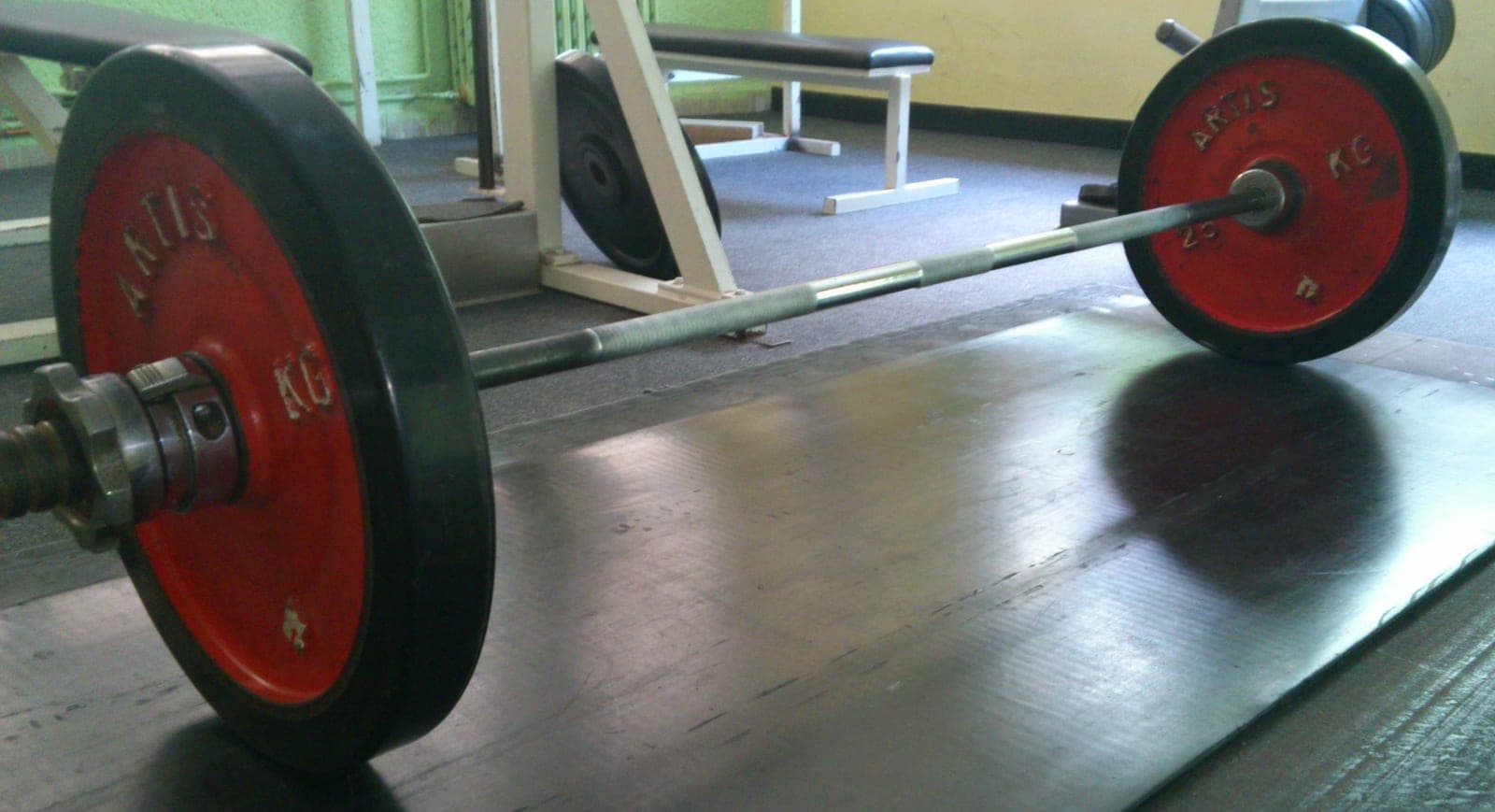
Weightlifting
A technical strength sport built around lifting a loaded barbell overhead with speed and control.
Functional Fitness
Varied, whole-body training built around everyday movement patterns like squatting, lifting and carrying.
How it connects
The meaning-bearing relationships that place Core stability in the wider knowledge graph — each one with the reason it exists.
Progresses to
The next step in a curated learning order.
Progresses from
The step that comes before this one in a curated learning order.
Frequently learned together
Taught side by side in the same stage of a learning path.
Part of
The wider grouping this belongs to.
Explore across the knowledge base
Follow the threads that connect Core stability to the rest of SocialSportHub.
Skills Academy
Movement patterns
- BackpedalControlled backward locomotion performed while facing forward, staying low and pushing off the balls of the feet in short strides to stay reactive and keep play in view.
- Change of DirectionA planned redirection of the body from one movement vector to another, requiring an athlete to decelerate existing momentum and reaccelerate along a new line between two known points.
- DecelerationThe athletic pattern of actively braking and absorbing momentum to slow or stop under control, producing eccentric forces that oppose the direction of travel.
- GlideGlide is continuous, low-resistance locomotion in which the body holds a streamlined shape so that momentum generated by a preceding propulsive action carries it smoothly across a surface or through a medium.
- HopA single-leg spring that takes off from and lands on the same leg, using the stretch-shortening cycle to project the body vertically or horizontally.
Learning paths
Go deeper with Core stability
Everywhere else on the platform that covers Core stability — assembled from what actually references it, so nothing here is a dead end.
Learn it
Structured courses and paths on the platform that cover this directly.
How this page is maintained
- Content type
- Skill
- Provenance
- Tier A — evergreen educational
- Verified external sources
- 0
- Content updated
- 2026-09-12
Evergreen, first-party explanation — it makes no claim that needs an external source. How we handle sources and reviews.