
Positioning choices
Deciding where to place yourself — often before the ball arrives — to cover space, stay ready to act and shape what an opponent can do.
Overview
Positioning choices are decisions about where to be, often made before anything actually happens. They are distinct from the footwork that gets you there and from simply reading space: this is the choice of which position best balances being ready to attack, covering threats and limiting an opponent's options. Skilled players are constantly repositioning as the situation shifts, usually without much conscious thought.
There is rarely one correct position — it is a compromise that changes as play develops, and reasonable players may choose differently. Good positioning follows from reading space and anticipating what is likely, so perception and positioning are closely linked. What good positioning looks like is contextual and varies by sport, role and moment.
How it works
- It is the decision of where to be, often made before anything happens, rather than how you move to get there.
- Good positioning tends to trade off covering threats, staying ready to act, and denying an opponent options.
- It follows from reading space and anticipating what is likely, so perception and positioning are closely linked.
- There is rarely one correct position — it is a compromise that shifts as the situation changes.
- What good positioning looks like is contextual — it varies by sport, role and moment.
In play
- In tennis or badminton, recovering toward a central 'ready' position between shots is a positioning choice that balances the court.
- In football or basketball, off-the-ball positioning decides whether you are available for a pass or covering a gap defensively.
- A goalkeeper or last defender can narrow an attacker's angles by where they stand, so position may matter more than movement.
Educational — and it varies
Where it shows up
Sports where this decision is especially visible — each with a clear guide.
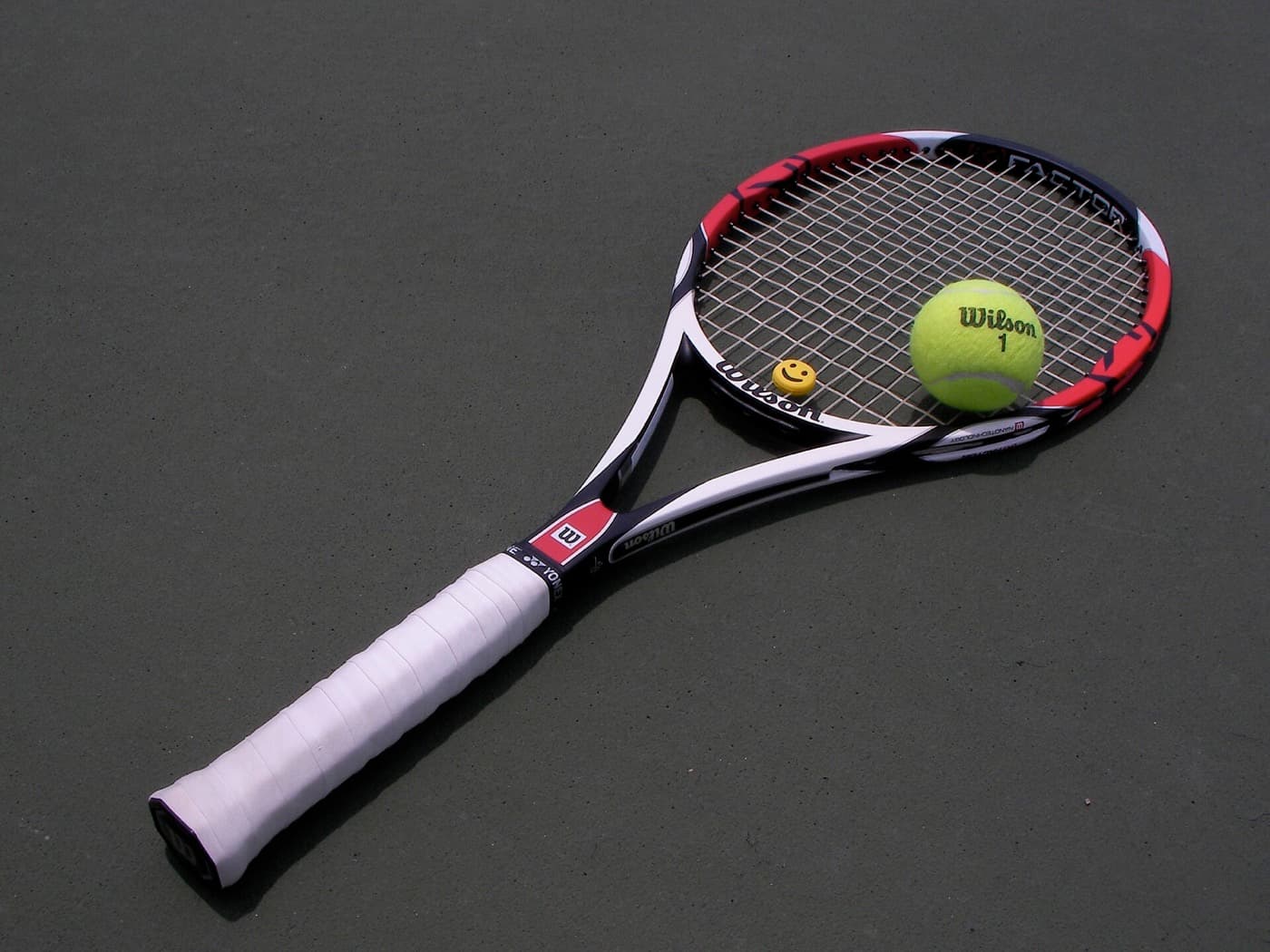
Tennis
A singles or doubles racquet sport that blends agility, strategy and stamina on court.
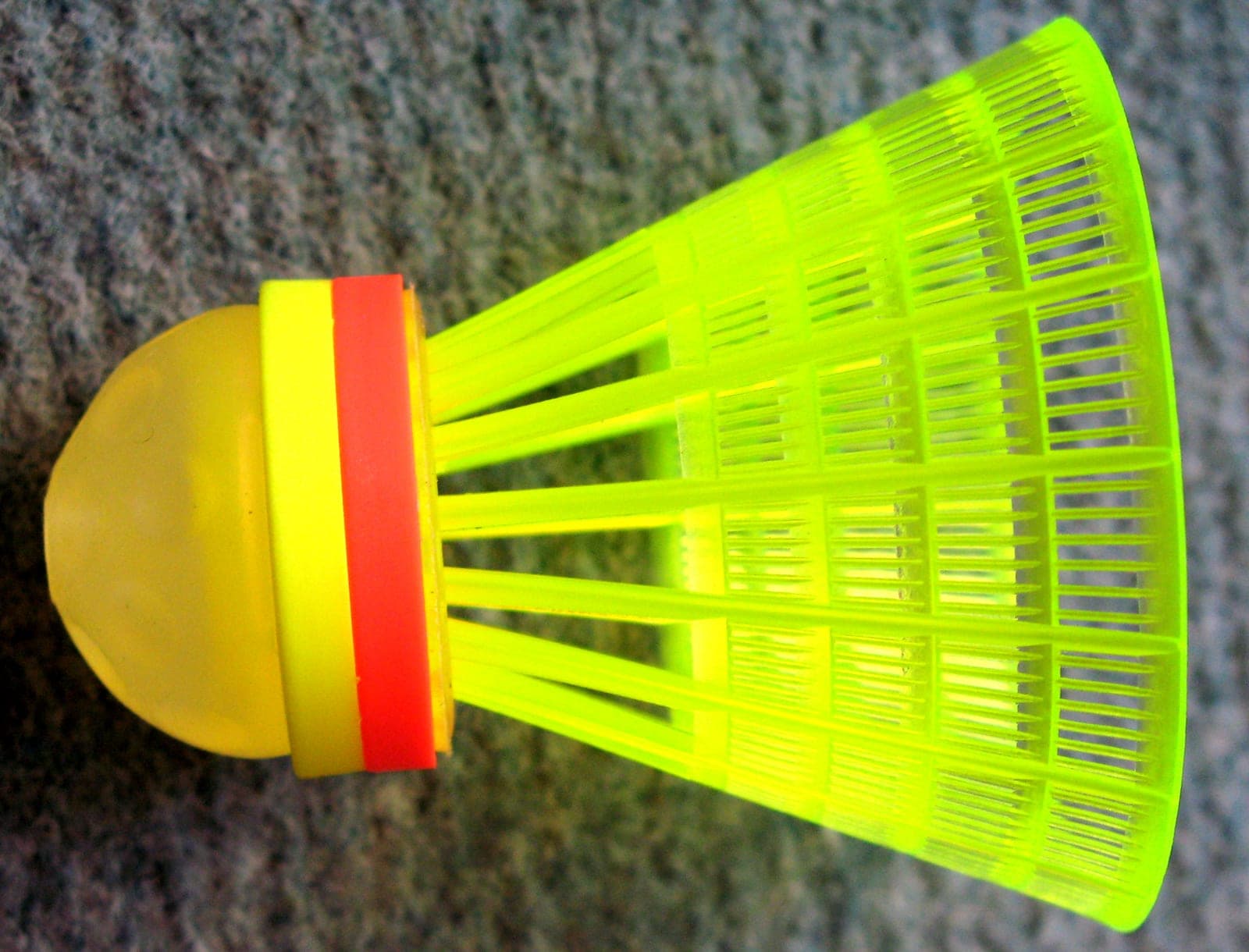
Badminton
A fast indoor racquet sport played with a shuttlecock that rewards agility and touch.
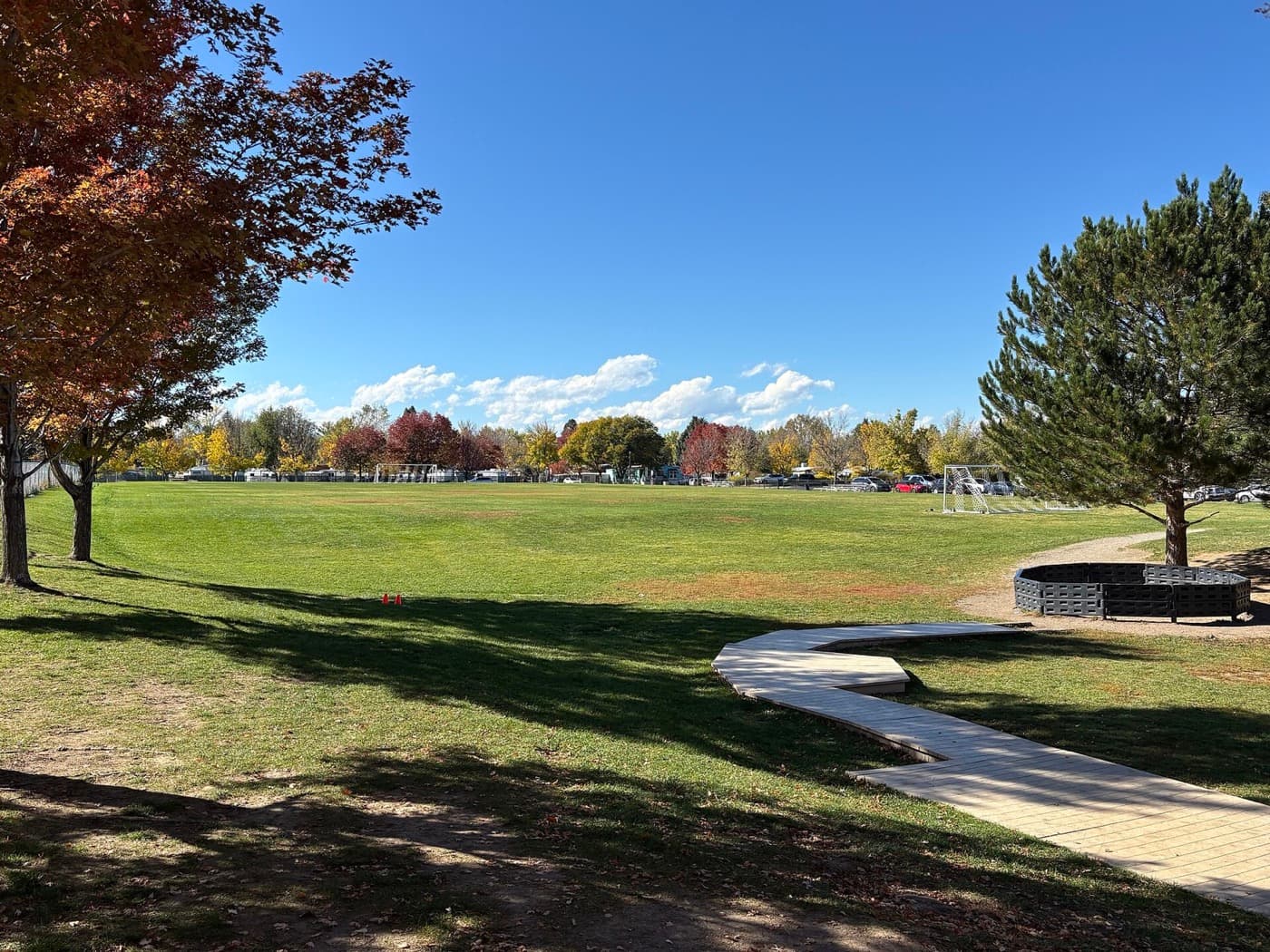
Football
The world’s most popular team sport — endless running, teamwork and community in one game.
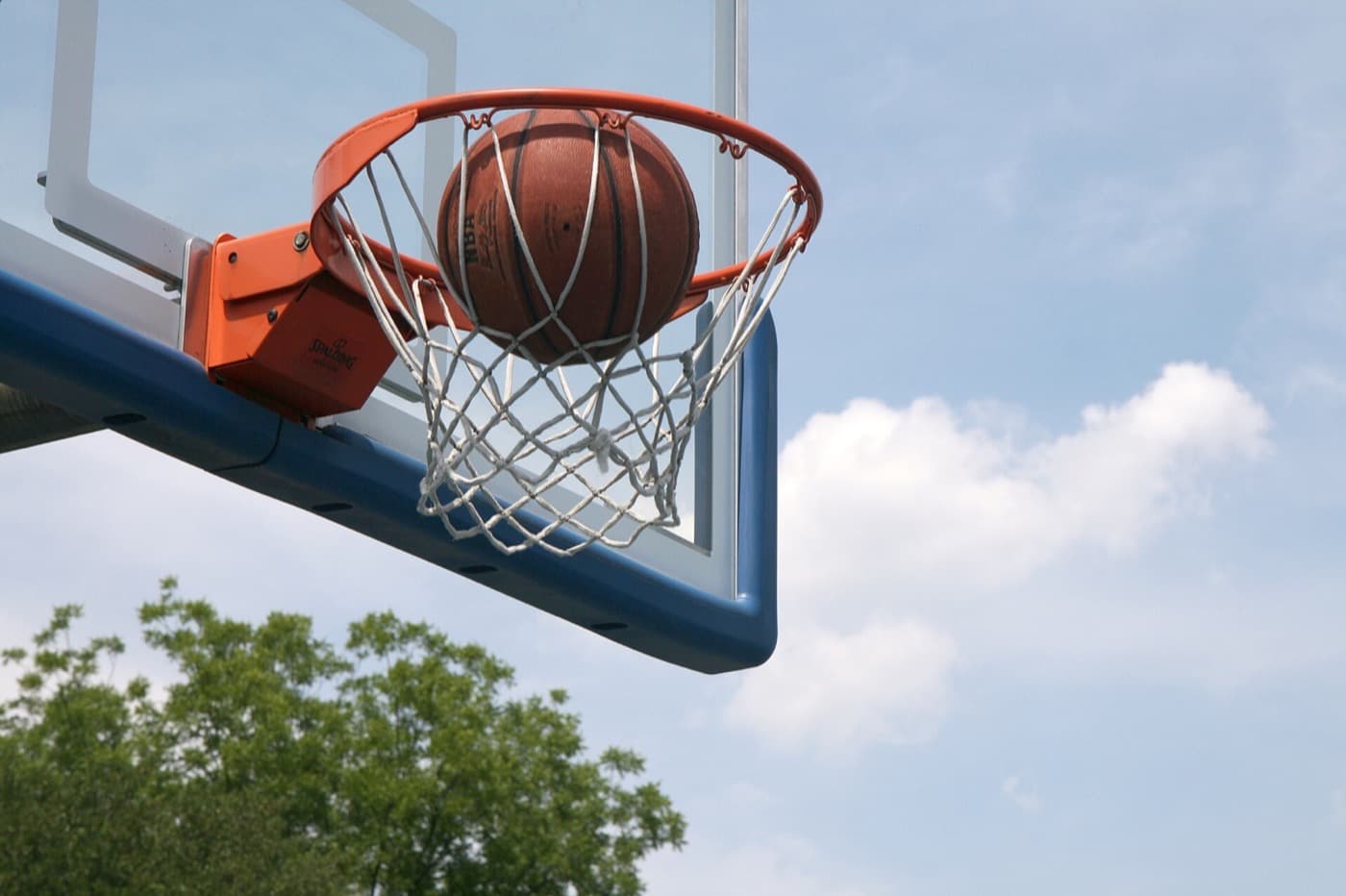
Basketball
A fast, dynamic team sport of running, jumping and quick decisions on court.
Frequently asked questions
What are positioning choices in sport?
They are decisions about where to place yourself, often before the ball arrives, so you are ready to act while covering space and limiting an opponent's options. There is rarely a single correct position — it is usually a compromise that shifts with the situation, and what works well varies by sport, role and moment.
Explore across the knowledge base
Follow the threads that connect Positioning choices to the rest of SocialSportHub.
Skills
- FootworkThe skill of moving efficiently around the playing area to be in position for each shot or action.
- ReboundingThe basketball skill of gaining the ball after a missed shot — positioning and timing decide it far more often than pure jumping height.
- MarkingThe defensive skill of staying close to an opponent to limit their space and options.
- Ball controlThe skill of receiving and settling the ball quickly so it is ready to use.
- SpikingThe volleyball skill of jumping and striking the ball forcefully down into the opponent’s court.
Tactics
- Court coverage and rotationVolleyball positioning where players rotate through positions and cover the court as one coordinated unit.
- Doubles formationHow a pair positions itself on court — one up, one back, or both at the net — to control space in doubles.
- Counter-attackWinning the ball and moving forward at speed to attack before the opponent can reorganise their defence.
- Zone defenceA defensive system where each player guards an area of the court rather than a specific opponent.
- Fast breakPushing the ball up court at speed after a turnover or rebound to score before the defence sets up.
Sports communication
- Calling for the ballLetting a teammate know you are open and want the pass — usually a short, clear call made at the right moment.
- Signalling availabilityShowing a teammate you are open and ready to receive — often through movement, body position or a gesture rather than a shout.
- Role clarityEveryone on a team understanding what their own job is — and their teammates' — so effort is not wasted on overlap or gaps.
- Defensive communicationTalking and signalling on defence — organising who marks whom, calling switches and warning teammates — to stay coordinated without the ball.
Knowledge Atlas
Techniques
- Spin in table tennisWhy table tennis is a spin sport before it is a speed sport — how topspin, backspin and sidespin change a ball's flight and its bounce off an opponent's bat.
- The cricket driveCricket's foundational attacking stroke, played straight down the ground or through the off side — the cover, straight and on drive, and the length that makes each one available.
- Rugby union tackling techniqueHow a tackle is made safely and legally — where to place the head and shoulder, the height the Laws require, and why technique is a safety question before it is a performance one.
- The return of serveTennis's most under-coached shot — where to stand against a first and second serve, why blocking beats swinging, and what the Rules allow a returner to do.
- Playing the walls in padelThe skill that separates padel from every other racket sport — reading a rebound off glass, positioning behind the bounce rather than at it, and using your own back wall to attack.
How this page is maintained
- Content type
- Decision-making concept
- Provenance
- Tier A — evergreen educational
- Verified external sources
- 0
- Content updated
- 2026-07-12
Evergreen, first-party explanation — it makes no claim that needs an external source. How we handle sources and reviews.