
Pattern recognition
Noticing recurring shapes and sequences in play, and using that familiarity to make sense of a situation more readily.
Overview
Pattern recognition is noticing that a situation resembles ones you have seen before — a familiar attacking shape, a repeated sequence, a typical build-up — so it feels readable rather than chaotic. When experienced players seem to "see it early", part of that often tends to be simply that the pattern is familiar to them.
It develops mainly through exposure — playing and watching a lot of a sport — rather than from being told. It is not a guarantee: patterns can be broken, disguised or simply not repeat, and a pattern that holds in one sport, level or team may not carry over to another, so recognition is always contextual.
How it works
- It is recognising that a current situation resembles familiar ones, which can make it easier to read.
- It is built mainly through exposure — plenty of playing and watching — rather than instruction alone.
- Recognising a pattern is not certainty: patterns get broken, disguised or simply don't recur.
- It tends to underpin other readings — anticipation and awareness often draw on recognised patterns.
- The useful patterns are specific to a sport, level and even a team, so recognition may not transfer.
In play
- In volleyball or basketball, a player may recognise a set play forming and begin adjusting before it fully develops.
- In football, spotting a familiar pressing trigger or an overload can shape where a player chooses to move.
- The same setup can read as obvious to an experienced player and invisible to a newcomer — familiarity tends to be the difference.
Educational — and it varies
Where it shows up
Sports where this decision is especially visible — each with a clear guide.
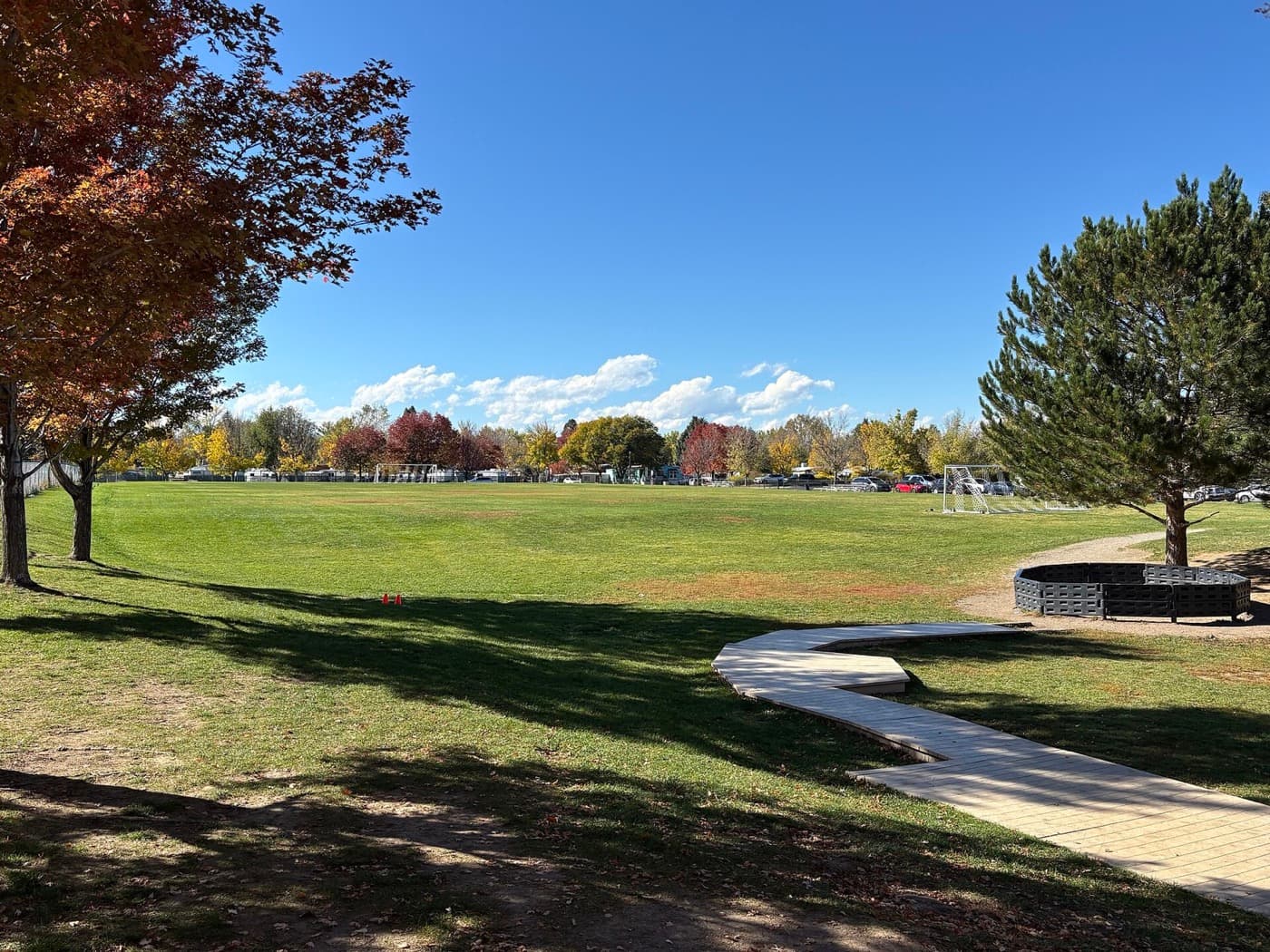
Football
The world’s most popular team sport — endless running, teamwork and community in one game.
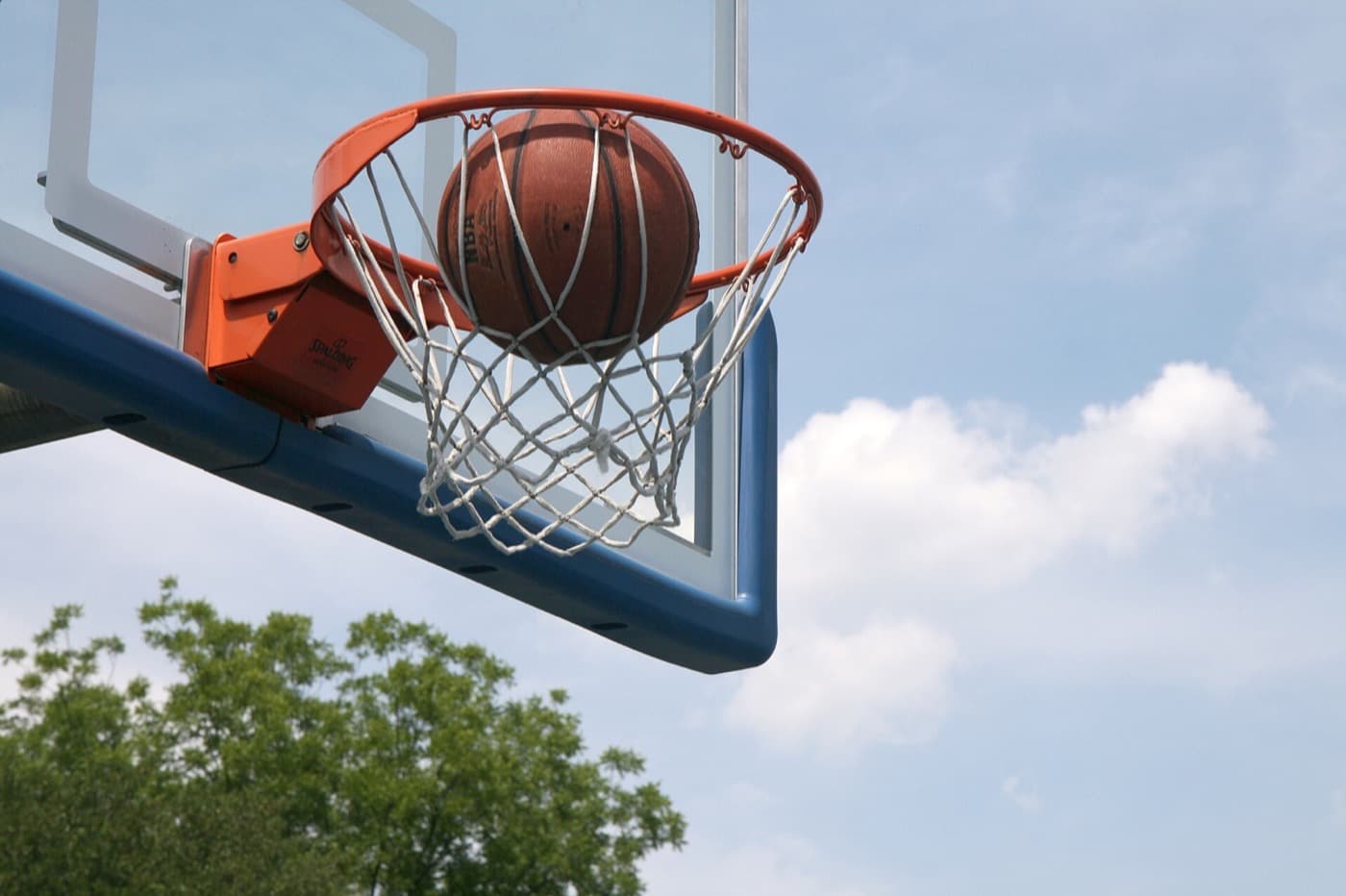
Basketball
A fast, dynamic team sport of running, jumping and quick decisions on court.
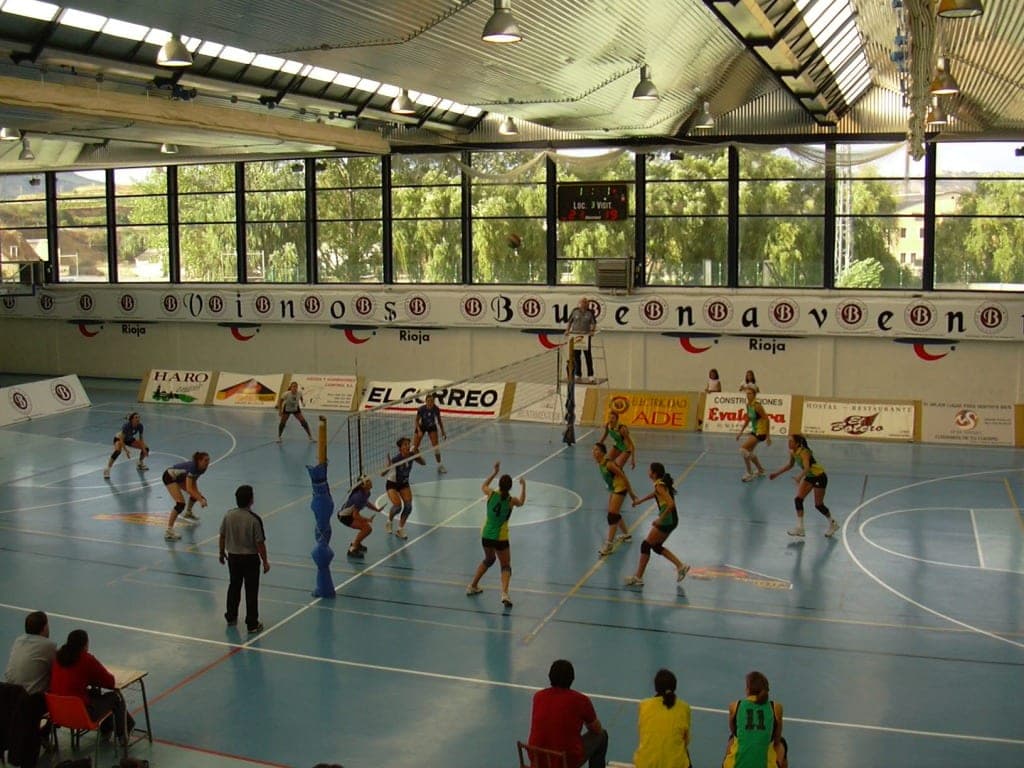
Volleyball
A non-contact team sport of rallies, jumps and teamwork — indoors or on the beach.
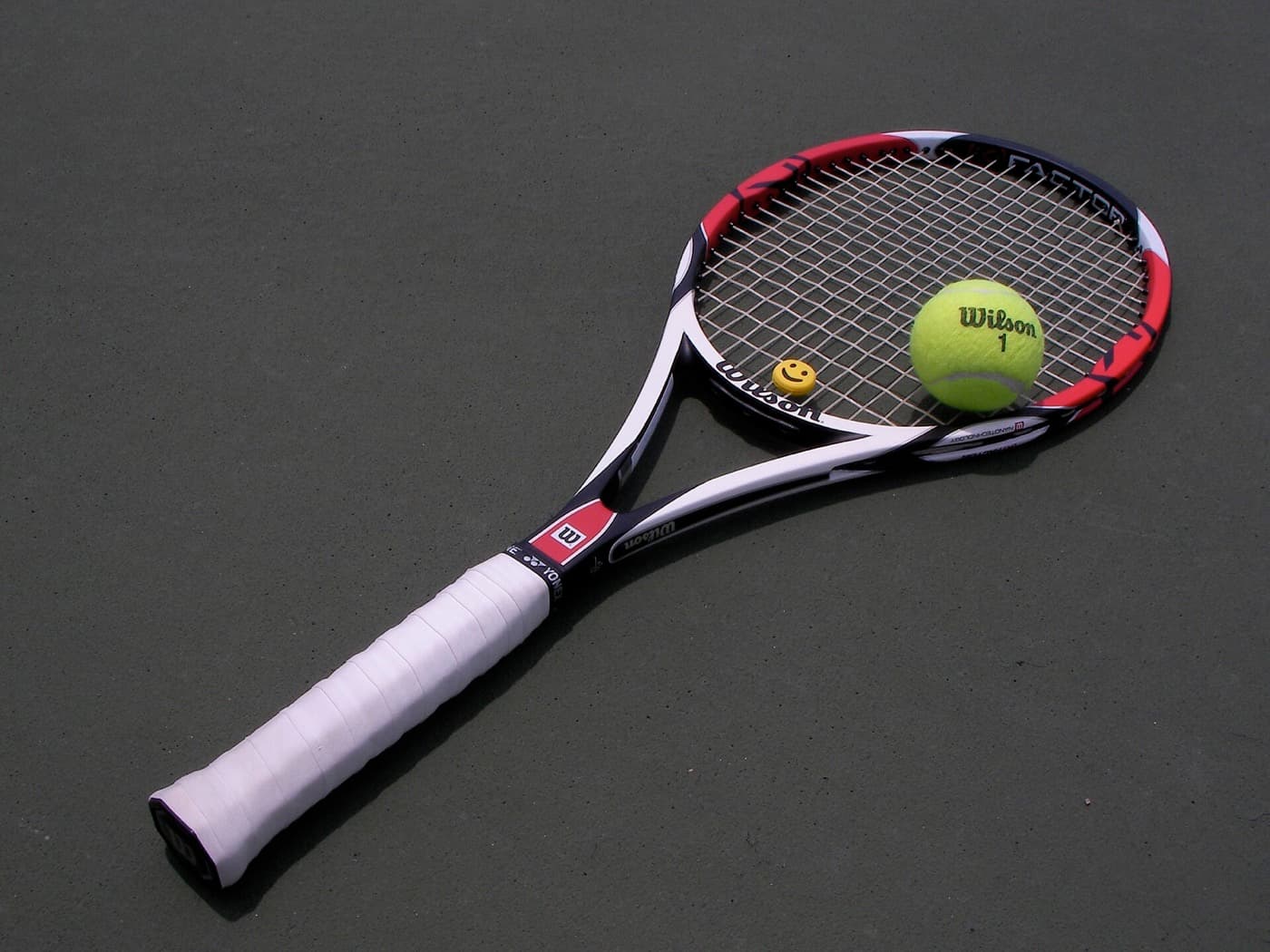
Tennis
A singles or doubles racquet sport that blends agility, strategy and stamina on court.
Frequently asked questions
What is pattern recognition in sport?
It is noticing that a situation resembles familiar ones you have seen before — a common shape or sequence — which can make play easier to make sense of. It tends to build up through lots of playing and watching rather than instruction, and it is never a guarantee because patterns can be broken or disguised.
Can pattern recognition be trained?
In many sports it seems to develop mainly through exposure — repeated, varied experience of the game rather than a single drill — and coaching approaches often aim to expose players to that variety. There is no guarantee of a set improvement, and the patterns that matter are specific to each sport, level and even team, so it does not always transfer.
Explore across the knowledge base
Follow the threads that connect Pattern recognition to the rest of SocialSportHub.
Sports science
Practice & sessions
- Team practicePractising with a full team — working on roles, patterns of play and communication so the group performs together, usually under a coach.
- Tactical sessionA session built around tactics — how you use space, position and patterns of play, rather than the mechanics of a shot.
- Match review sessionA session for looking back at a completed match — what worked, what didn't and why — to turn the experience into things to practise.
- Video analysis sessionA session that uses recorded footage to slow play down and see clearly what happened — technique, positioning and decisions — as a basis for feedback.
- Decision-making sessionA session built around choosing well under pressure — reading the situation and picking the right option, not just executing a skill.
Knowledge Atlas
- Explore by PsychologyThe mental side of sport. It connects to existing decision-making and coaching concepts today; dedicated content is coming.
- Explore by Decision MakingThe perception-and-choice layer — reading the game, choosing, and coping under pressure.
- Explore by MovementThe fundamental patterns and cross-sport athletic movements the body is built on.
Disciplines
- Giant SlalomGiant slalom pairs technical turning with more speed, using gates set farther apart than slalom so skiers make longer, rounder, carved turns.
- Poomsae (Forms)Poomsae is taekwondo's forms discipline: a set sequence of blocks, kicks, and strikes performed in a fixed pattern and judged on accuracy, power, and presentation.
How this page is maintained
- Content type
- Decision-making concept
- Provenance
- Tier A — evergreen educational
- Verified external sources
- 0
- Content updated
- 2026-07-12
Evergreen, first-party explanation — it makes no claim that needs an external source. How we handle sources and reviews.