
Small-Sided Games
Practising in scaled-down versions of a sport — fewer players, smaller area — so skills and decisions happen more often in a game-like setting.
Overview
A small-sided game is a scaled-down version of a full match played with fewer players on a smaller area, such as three-against-three in a compact space instead of a full team on a full field. Because fewer people share the ball and the space, every player is involved far more often: more touches, more passes, more decisions, and more attempts to attack or defend. The central idea is that skills tend to improve fastest when they are repeated frequently in a setting that resembles the real game, where a player must read what is happening and choose an action, rather than in isolated drills where the answer is already known in advance.
Coaches shape learning by adjusting the game's constraints — the number of players, the size and shape of the area, the rules, and the targets or goals. Making the space tighter tends to demand quicker control and passing; adding extra attackers creates overload situations for practising when to commit; changing the scoring rules can reward a particular behaviour, such as switching play or keeping possession. This lets one activity emphasise technique, tactics, decision-making, and physical effort together, in proportions the coach can vary. Small-sided games are widely used across team sports for these reasons, though they are one tool among many and are usually combined with other forms of practice.
In practice
- More involvement per player: with fewer players sharing the ball and space, each person gets many more touches, decisions, and defensive or attacking actions than in a full-sided game, raising the volume of meaningful repetition.
- Representative, game-like context: skills and choices are practised under the perception and pressure of real opponents, so what is learned tends to transfer to matches more readily than decontextualised, isolated drills.
- Constraints shape behaviour: adjusting area size, player numbers, rules, and targets steers which skills and decisions come up most — for example, a tighter space encourages quicker passing, while an overload creates attacking or defending scenarios to solve.
- Blends technical, tactical, and physical demands: because the activity is a game, players work on technique, decision-making, teamwork, and effort at the same time, and the coach can shift the emphasis simply by changing the setup.
- A flexible, widely used tool: small-sided formats scale to the space, numbers, and aims available and are common across invasion and team sports, but they complement rather than replace other methods of practice.
A note on this information
What it applies to
Small-Sided Games shapes how you develop these across the platform.
Techniques
Strategies
Training methods
Guides
For people
Sports where it matters
Football
The world’s most popular team sport — endless running, teamwork and community in one game.
Futsal
A fast, small-sided indoor form of football played on a hard court with a low-bounce ball.
Basketball
A fast, dynamic team sport of running, jumping and quick decisions on court.
Rugby
A physical team sport of carrying, passing and kicking an oval ball toward the opposing line.
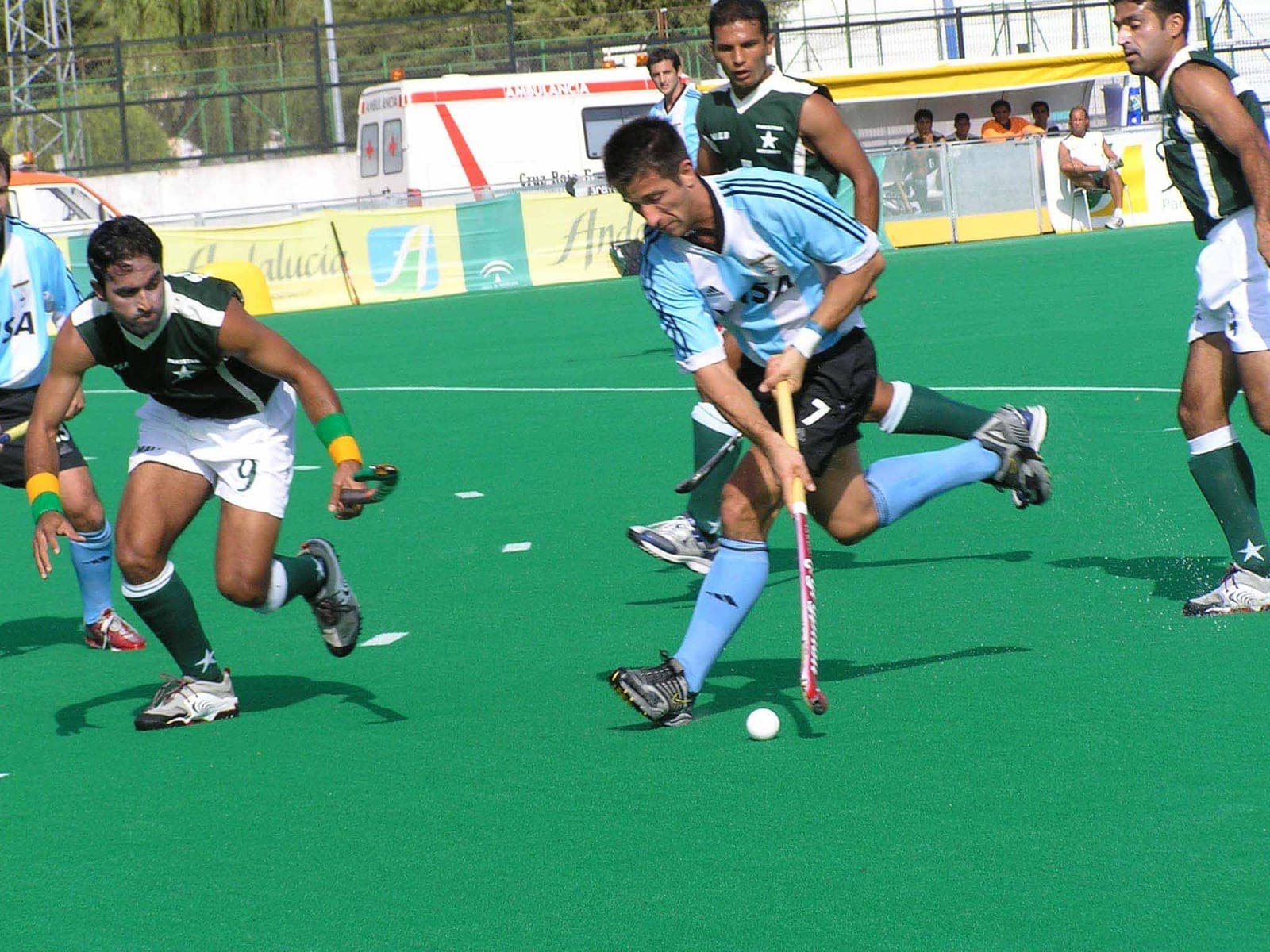
Field Hockey
An outdoor team sport that uses curved sticks to move a ball, built on agility and teamwork.
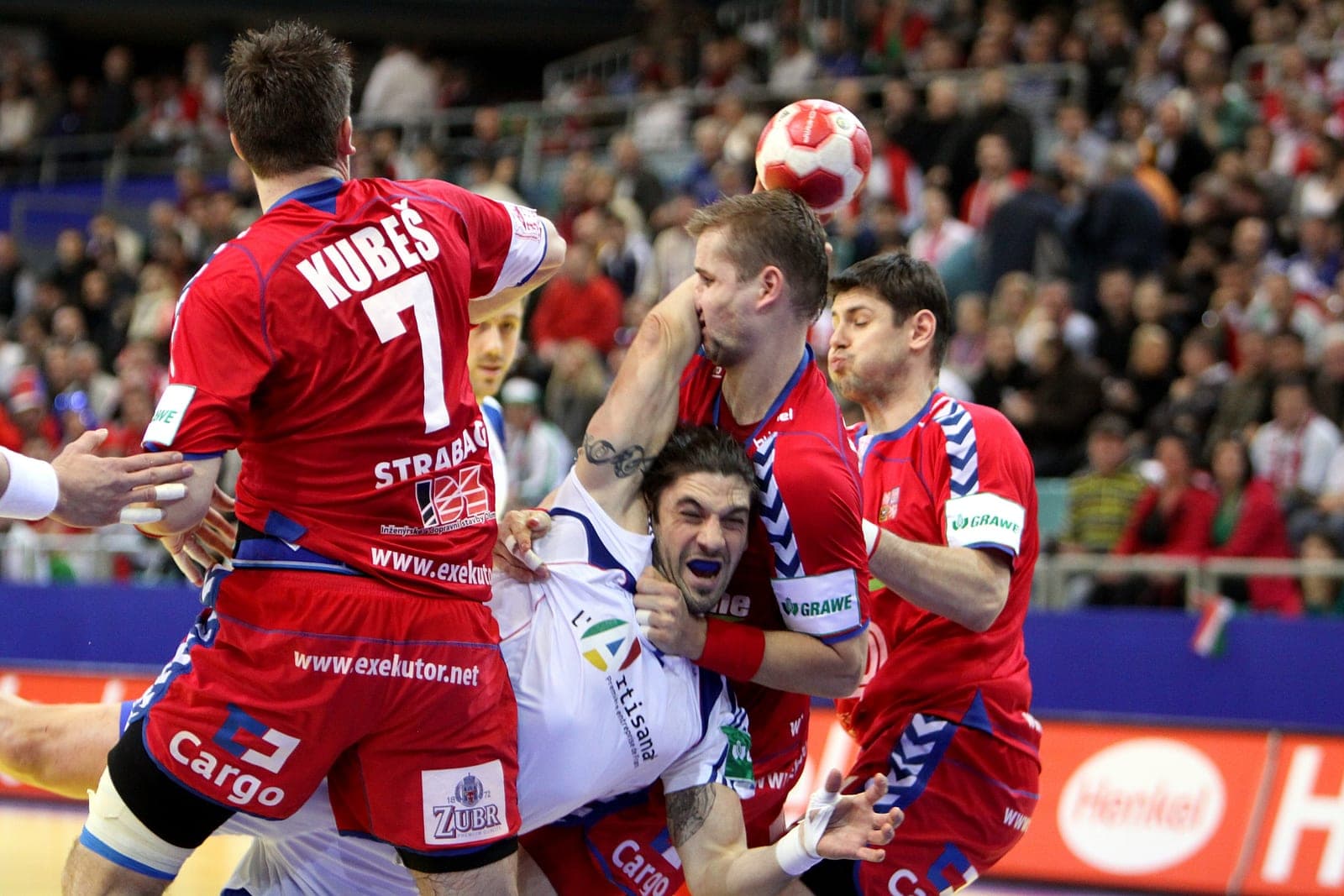
Handball
A fast indoor team sport of passing, jumping and throwing to score with the hands.
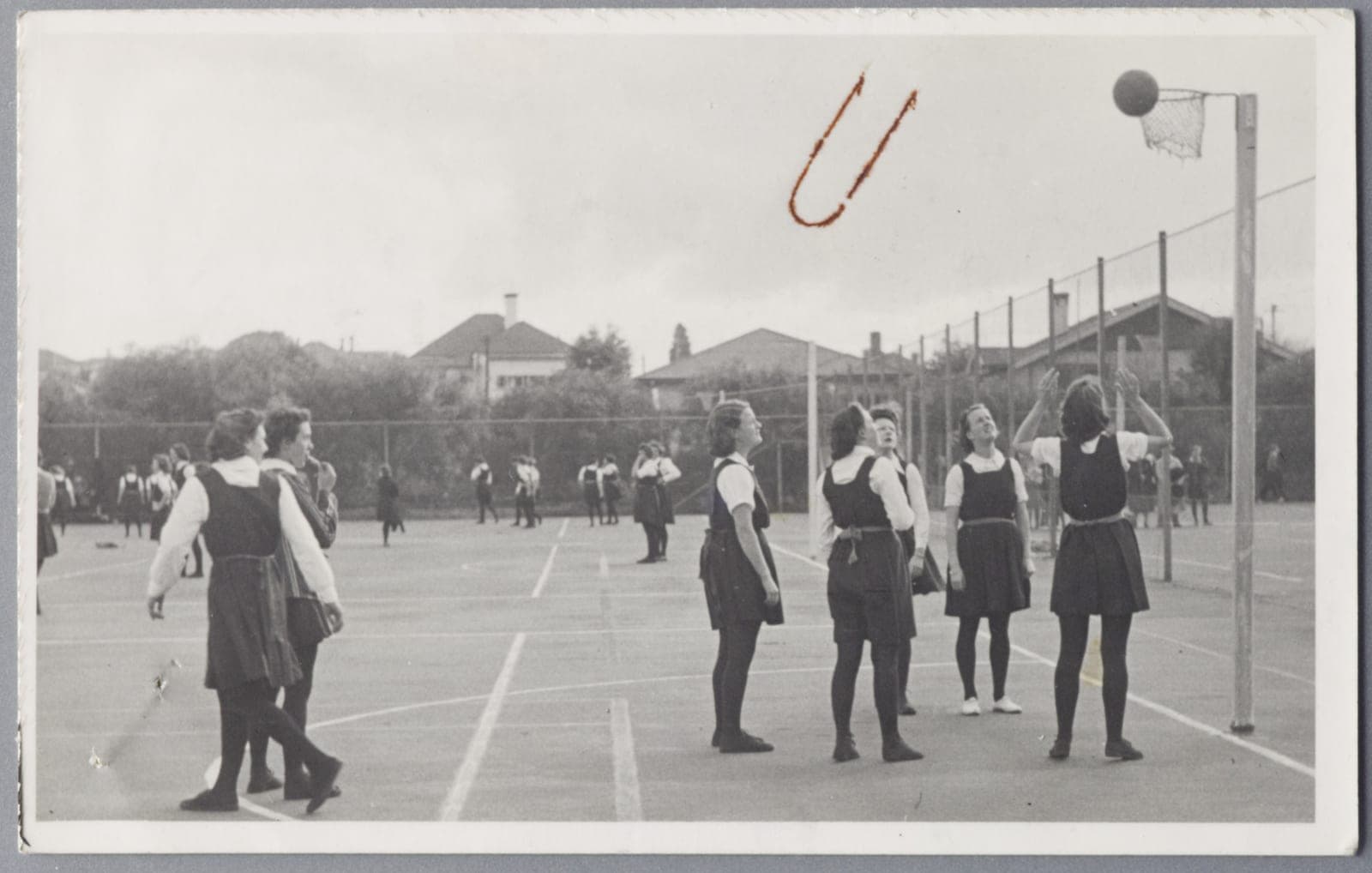
Netball
A non-contact, position-based team sport of quick passing and accurate shooting.
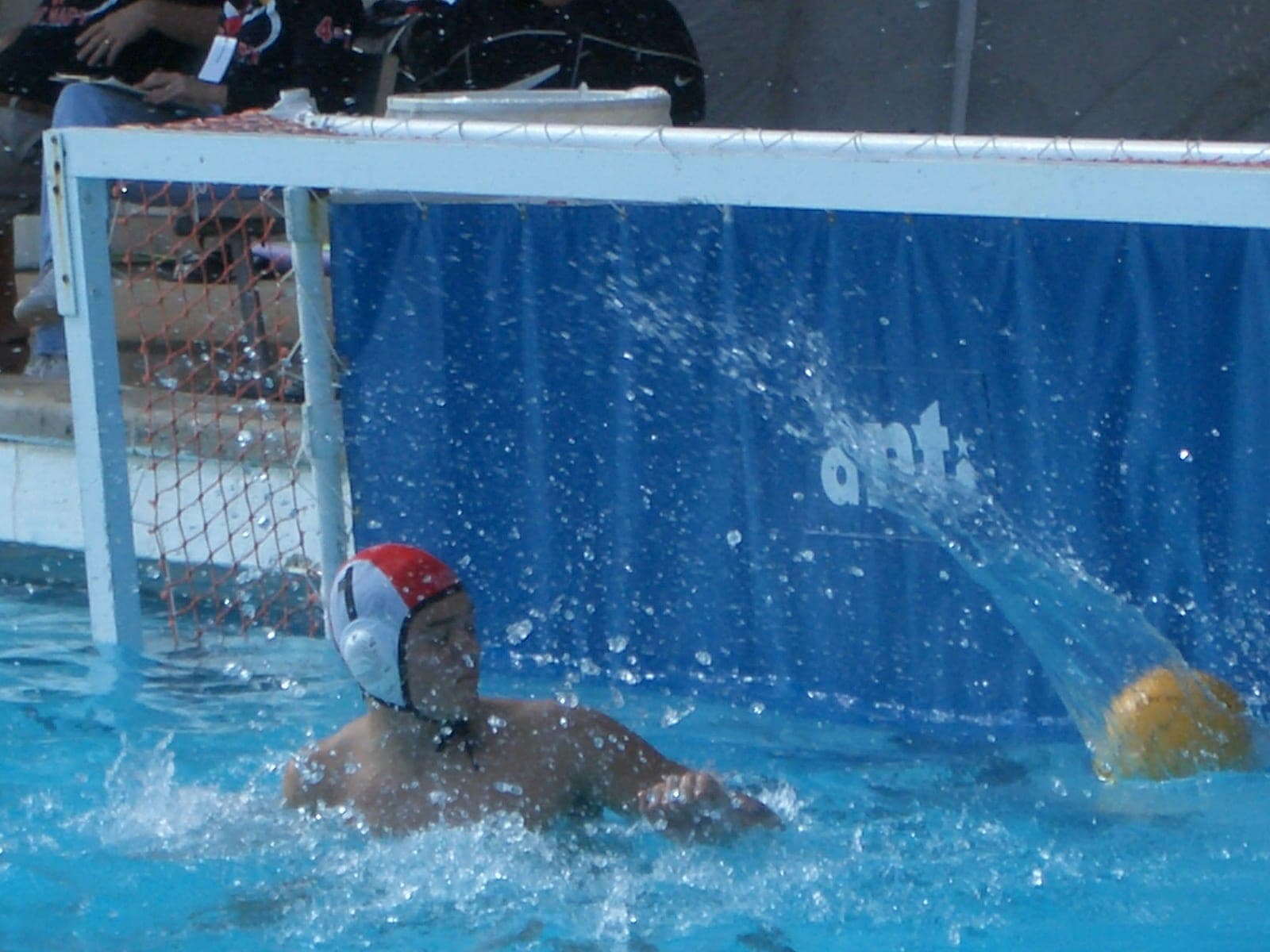
Water Polo
A demanding team sport played in deep water, blending swimming endurance with tactics.
Ice Hockey
A fast team sport on ice that combines skating skill with quick passing and goal-scoring.
Lacrosse
A fast, stick-and-ball team sport of catching, cradling and shooting a small ball toward a goal.
Explore across the knowledge base
Follow the threads that connect Small-Sided Games to the rest of SocialSportHub.
Motivations
Sports science
Decision making
- Reading spaceSeeing where space is — and is not — on the field or court, and using it to decide where to move, pass or play.
- Situational awarenessHolding an overall picture of what is happening around you — teammates, opponents, ball, space and the state of the game — and keeping it updated as play unfolds.
- Option recognitionSeeing what actions are actually available in a moment — the passes, shots or moves on offer — before choosing between them.
- When to attackRecognising the moment to commit to an attacking action — spotting an opening and judging whether it is the right time to take it.
- When to defendJudging the moment to switch from attacking intent to protecting your goal, court or position — recognising when the situation calls for security over ambition.
Practice & sessions
- Small-group practicePractising in a small group of a few players — sharing drills, rotating roles and using small-sided games so everyone stays involved.
- Team practicePractising with a full team — working on roles, patterns of play and communication so the group performs together, usually under a coach.
- Open-play sessionA turn-up-and-play session of informal, often social games — less structured than practice, focused on playing rather than drilling.
- Tactical sessionA session built around tactics — how you use space, position and patterns of play, rather than the mechanics of a shot.
- Skill-development sessionA session built around learning and improving a skill over time — acquiring it, refining it and making it more reliable.
How this page is maintained
- Content type
- Coaching concept
- Provenance
- Tier A — evergreen educational
- Verified external sources
- 0
- Content updated
- 2026-07-09
Evergreen, first-party explanation — it makes no claim that needs an external source. How we handle sources and reviews.