
Practice Variability
Varying practice conditions — spacing, interleaving skills and changing situations — to build adaptable, durable skill, even when it feels harder day to day.
Overview
Practice variability is the deliberate choice to vary the conditions under which a skill is rehearsed, rather than repeating it the same way over and over. Instead of grooving one shot from one spot, a learner might change the target, distance, speed or situation, mix several skills together, or spread the same practice across more sessions. The counterintuitive part is that this often feels harder and looks messier than blocked, repetitive drilling — more errors and slower apparent progress within a single session. Yet varied practice tends to build skill that transfers more readily to new situations and holds up better over time.
Three common levers sit under the idea. Spacing distributes practice over time rather than massing it into one long block. Interleaving mixes different skills or variations within a session instead of finishing one completely before starting the next. And varying the situation changes the targets, angles, conditions or scenarios so the underlying skill is learned rather than a single narrow copy of it. These are sometimes called 'desirable difficulties' — challenges that slow you down today but strengthen learning for later. It is a general principle rather than a fixed formula: a brand-new movement often benefits from some steadier repetition first to establish its basic shape, with variability layered in as the movement becomes more reliable.
In practice
- Spacing beats cramming: spreading the same amount of practice across separate sessions with gaps between them tends to build more durable retention than massing it into one long block, even though a single massed session can look more polished at the time.
- Interleaving instead of blocking: mixing several skills or variations within a session — for example alternating between different shots rather than hitting one repeatedly — forces you to reconstruct the movement each time, which tends to strengthen the ability to select and adapt it under real conditions.
- Vary the situation, not just the reps: changing targets, distances, speeds, angles, surfaces or scenarios teaches the underlying skill rather than one narrow version of it, which is useful because a game rarely repeats the exact same situation twice.
- Expect it to feel harder: variable and spaced practice usually produce more errors and slower apparent progress in the moment. Because how smooth a session feels is a weak guide to lasting learning, it is generally more informative to judge by later retention and by how well the skill holds up in new situations.
- Sequence it sensibly: a completely new movement often benefits from some steadier repetition first to establish the basic pattern, with variability introduced as that pattern becomes reliable — but since the aim is adaptable skill, most practice still needs varied, game-like conditions rather than endless identical reps.
A note on this information
What it applies to
Practice Variability shapes how you develop these across the platform.
Techniques
Training methods
For people
Sports where it matters
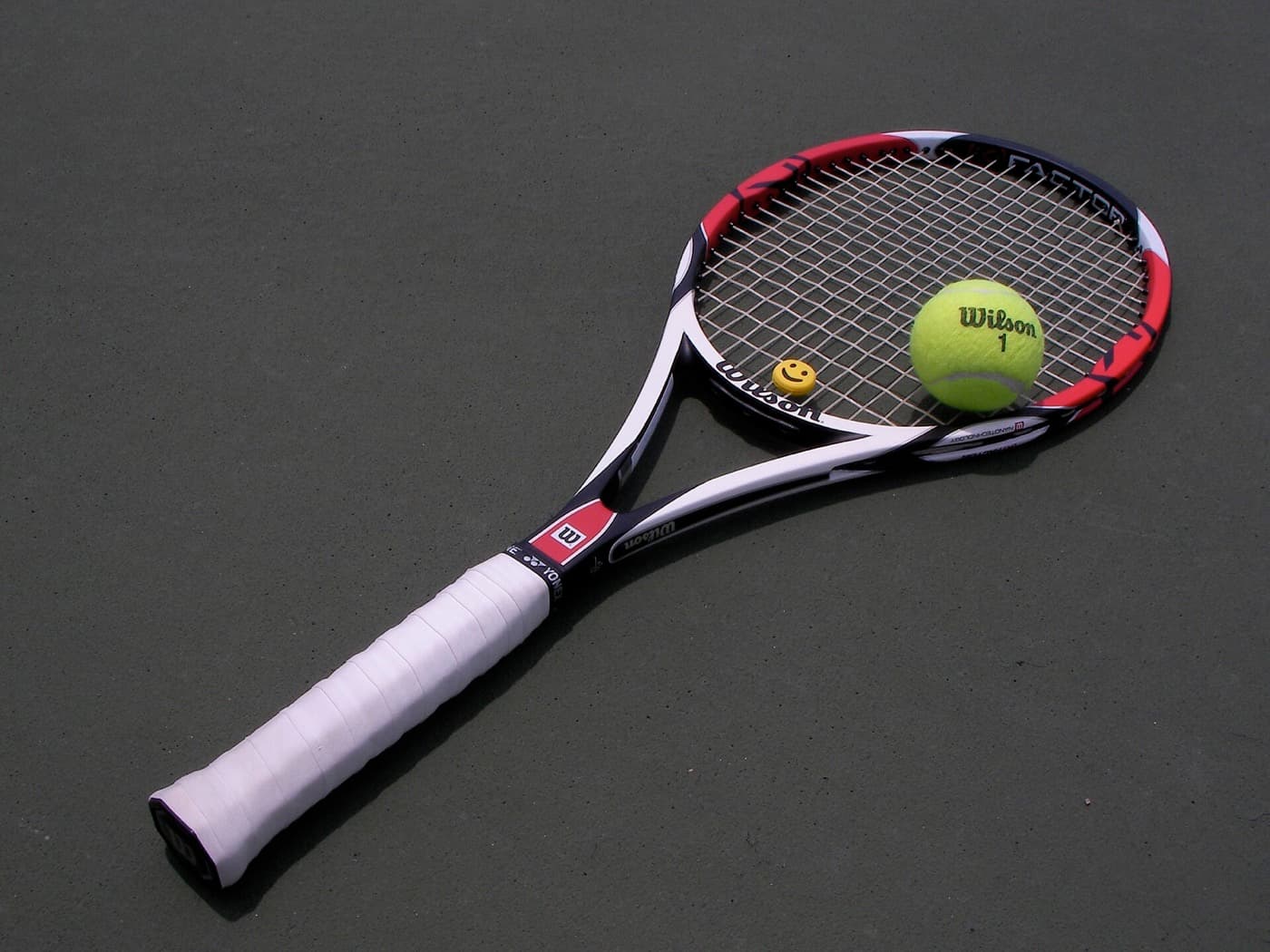
Tennis
A singles or doubles racquet sport that blends agility, strategy and stamina on court.
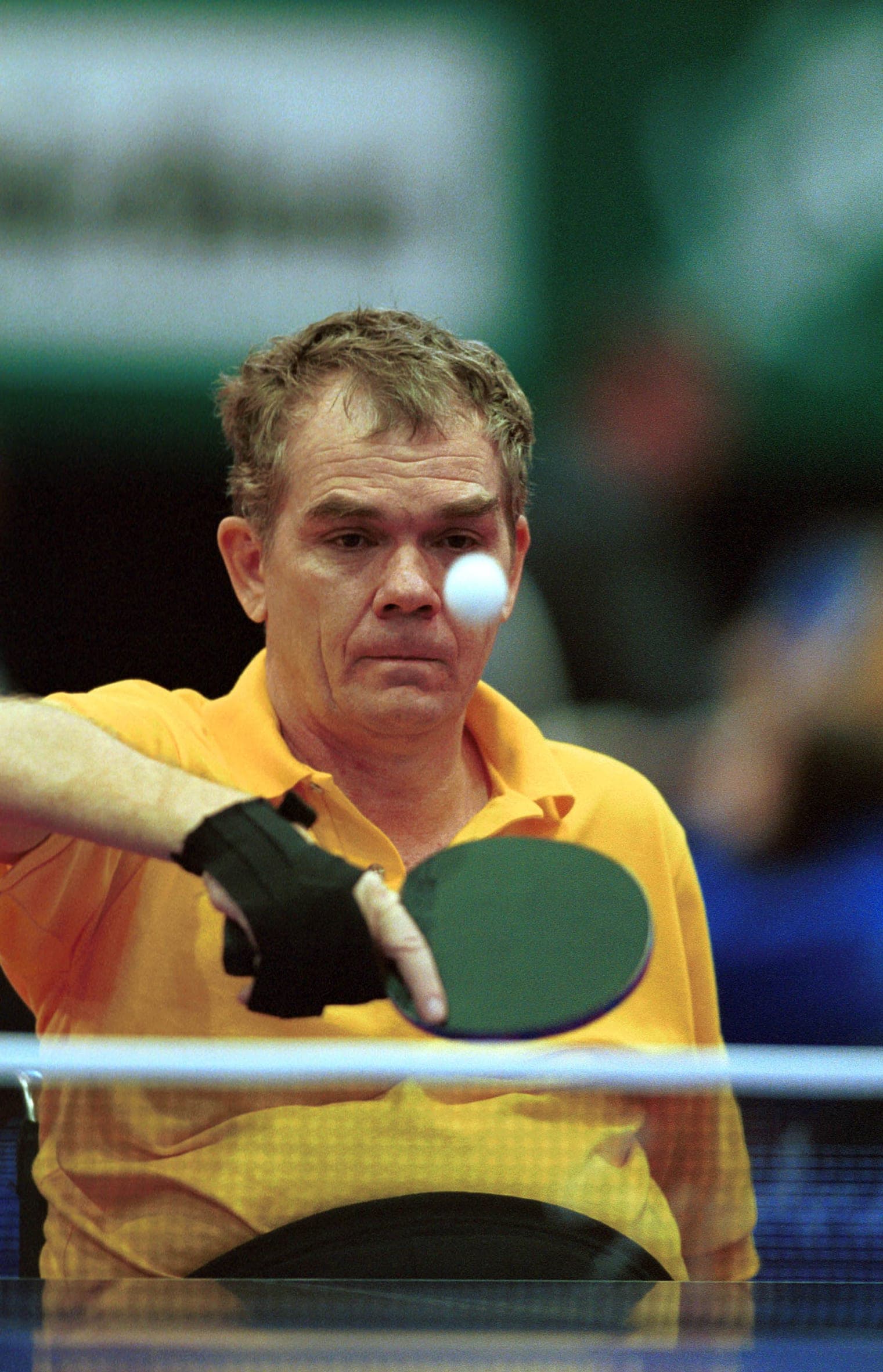
Table Tennis
A fast, low-impact indoor racquet sport that sharpens reflexes and is easy to start.
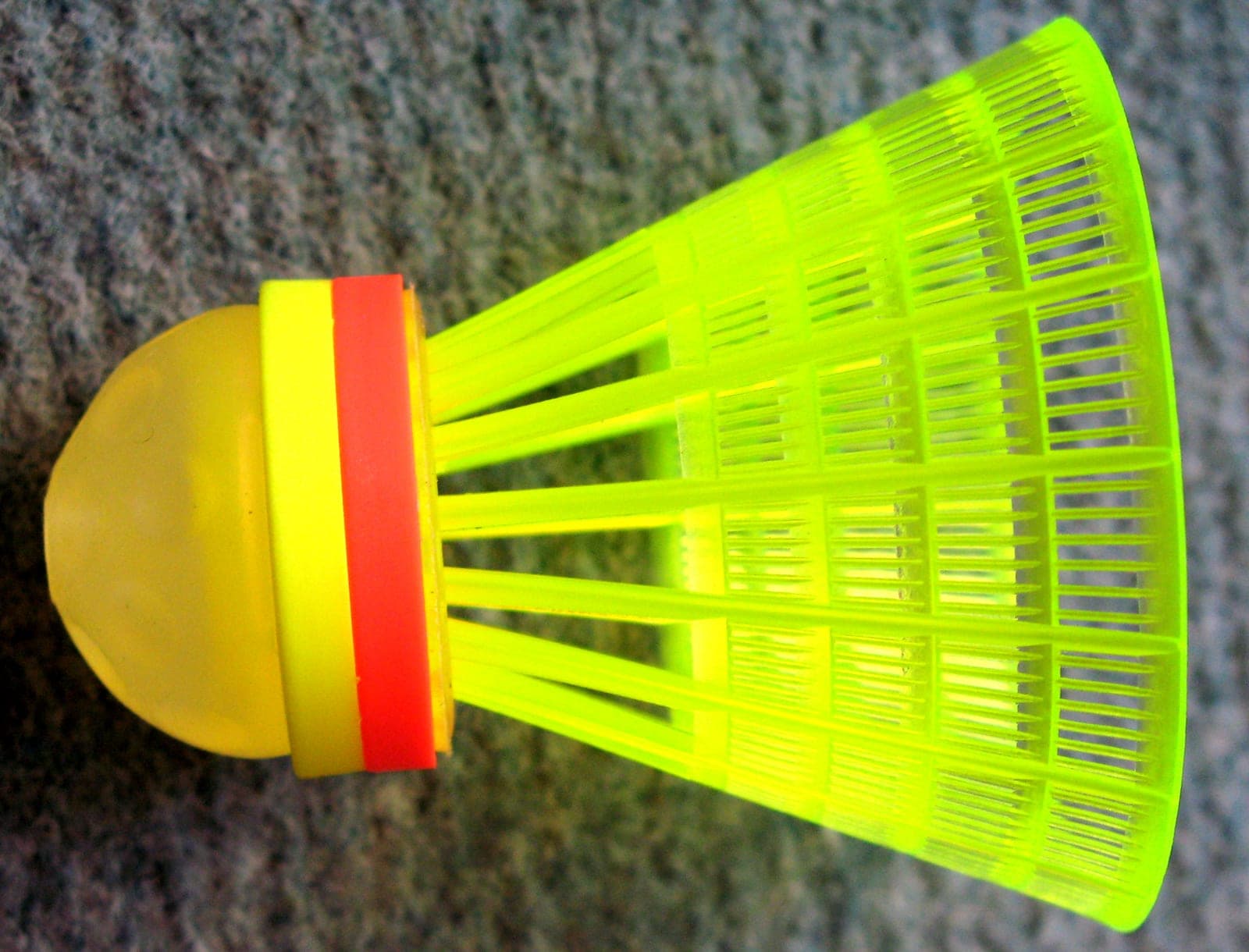
Badminton
A fast indoor racquet sport played with a shuttlecock that rewards agility and touch.
Squash
A fast, high-intensity indoor racquet sport played inside an enclosed court where the walls stay in play.
Football
The world’s most popular team sport — endless running, teamwork and community in one game.
Basketball
A fast, dynamic team sport of running, jumping and quick decisions on court.
Volleyball
A non-contact team sport of rallies, jumps and teamwork — indoors or on the beach.
Golf
A precision target sport played across an outdoor course, blending skill, strategy and a long walk in the open air.
Cricket
A bat-and-ball team sport where sides take turns to bat and to bowl and field, scoring runs.
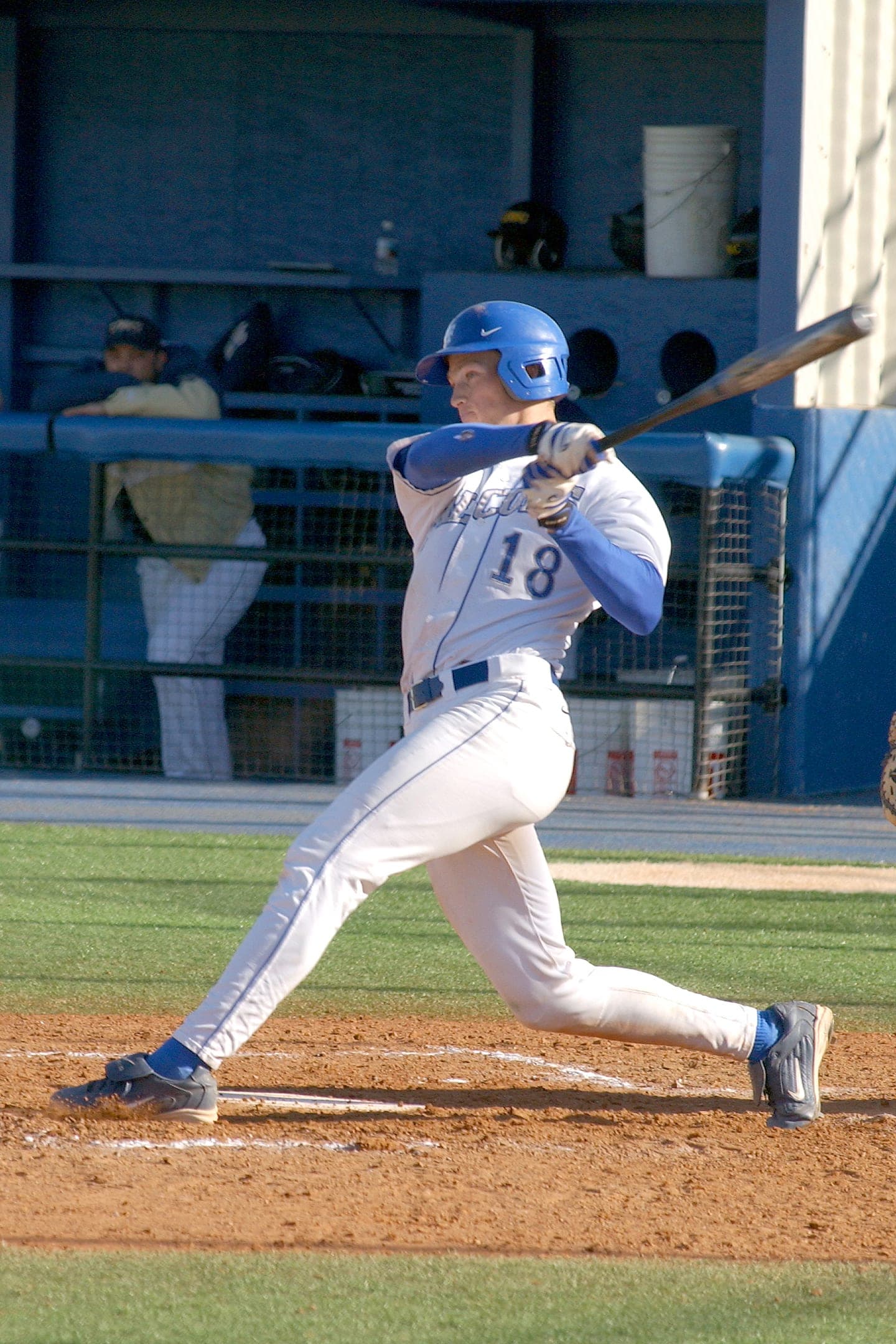
Baseball
A bat-and-ball team sport where two sides alternate between batting and fielding to score runs.
Explore across the knowledge base
Follow the threads that connect Practice Variability to the rest of SocialSportHub.
Skills
- Bike handlingThe skill of balancing, steering and controlling a bike confidently in different conditions.
- Returning serveThe skill of reading and playing back an opponent’s serve to stay in the rally.
- RallyingThe skill of exchanging shots back and forth to build and win a point.
- ShootingThe skill of striking or releasing the ball toward the goal or basket to score.
- DribblingThe skill of moving with the ball under close control to beat opponents or keep possession.
Experience levels
Sports science
Decision making
Practice & sessions
How this page is maintained
- Content type
- Coaching concept
- Provenance
- Tier A — evergreen educational
- Verified external sources
- 0
- Content updated
- 2026-07-09
Evergreen, first-party explanation — it makes no claim that needs an external source. How we handle sources and reviews.