
Situational awareness
Holding an overall picture of what is happening around you — teammates, opponents, ball, space and the state of the game — and keeping it updated as play unfolds.
Overview
Situational awareness is maintaining a broad, up-to-date picture of the whole moment rather than fixing only on the ball or a single opponent. It tends to blend several readings at once — where the space is, what opponents and teammates are doing, and the state of the game such as the score, the time left and the phase of play.
It relies on scanning and attention: noticing things before you need them, then updating the picture as the situation changes. What counts as the relevant situation varies widely by sport — what matters in a volleyball rally is not the same as in a cycling bunch or a football phase — so awareness is developed through experience rather than described by one universal model.
How it works
- It is maintaining a broad, current picture of the whole situation, not just the ball or one opponent.
- It blends several readings at once — space, opponents, teammates and the state of the game.
- It leans on scanning and attention: noticing before you act, then updating as things change.
- The relevant "situation" varies by sport and moment, so there is no single fixed picture to hold.
- Awareness feeds decisions but is distinct from them — it is the picture, not the choice.
In play
- In football or basketball, players often scan repeatedly before receiving so they already have a picture when the ball arrives.
- In a cycling peloton or a swimming race, awareness leans more on position relative to others and the race situation than on open space.
- What counts as "aware enough" tends to grow with experience — beginners often focus narrowly on the ball.
Educational — and it varies
Where it shows up
Sports where this decision is especially visible — each with a clear guide.
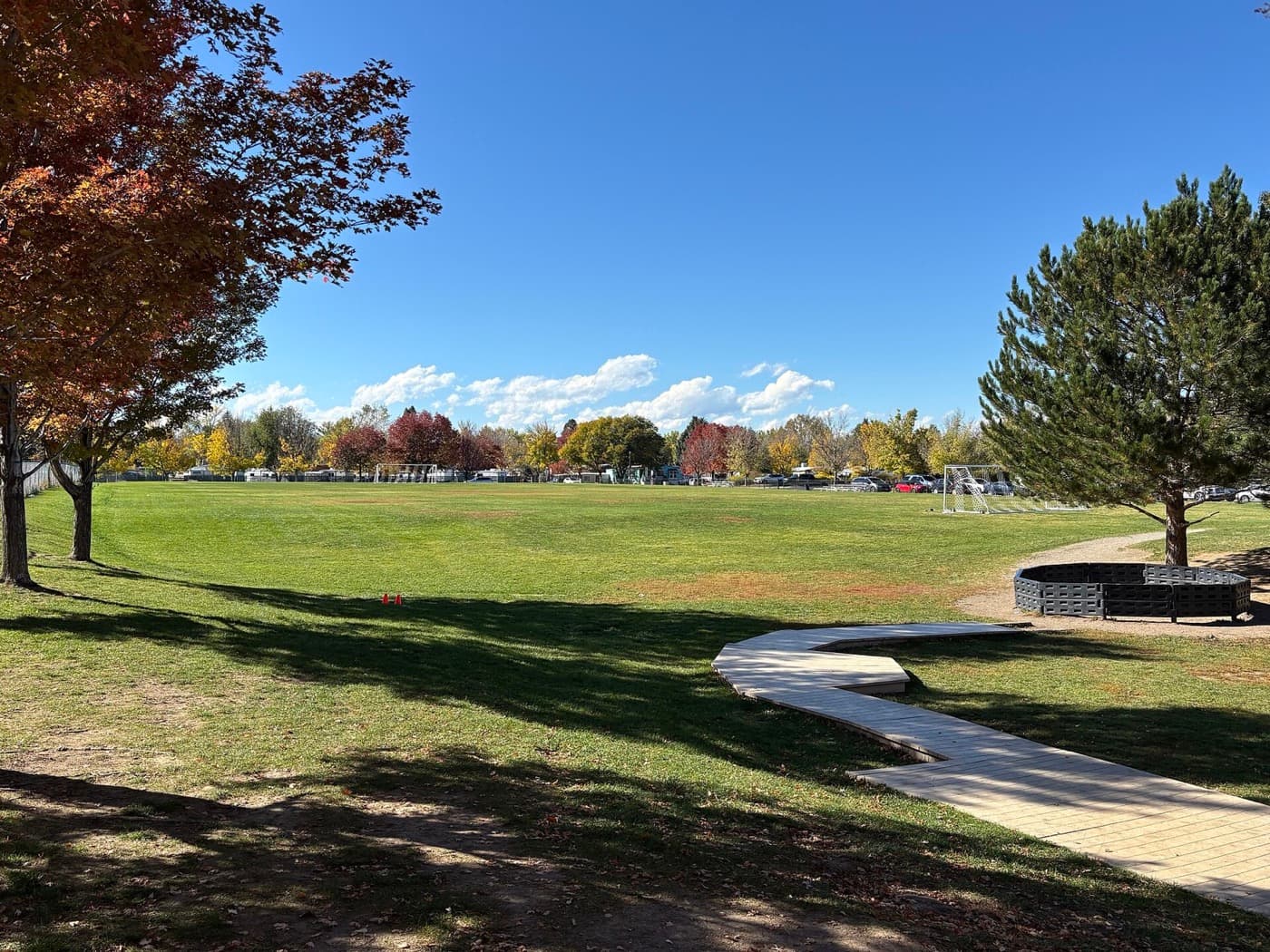
Football
The world’s most popular team sport — endless running, teamwork and community in one game.
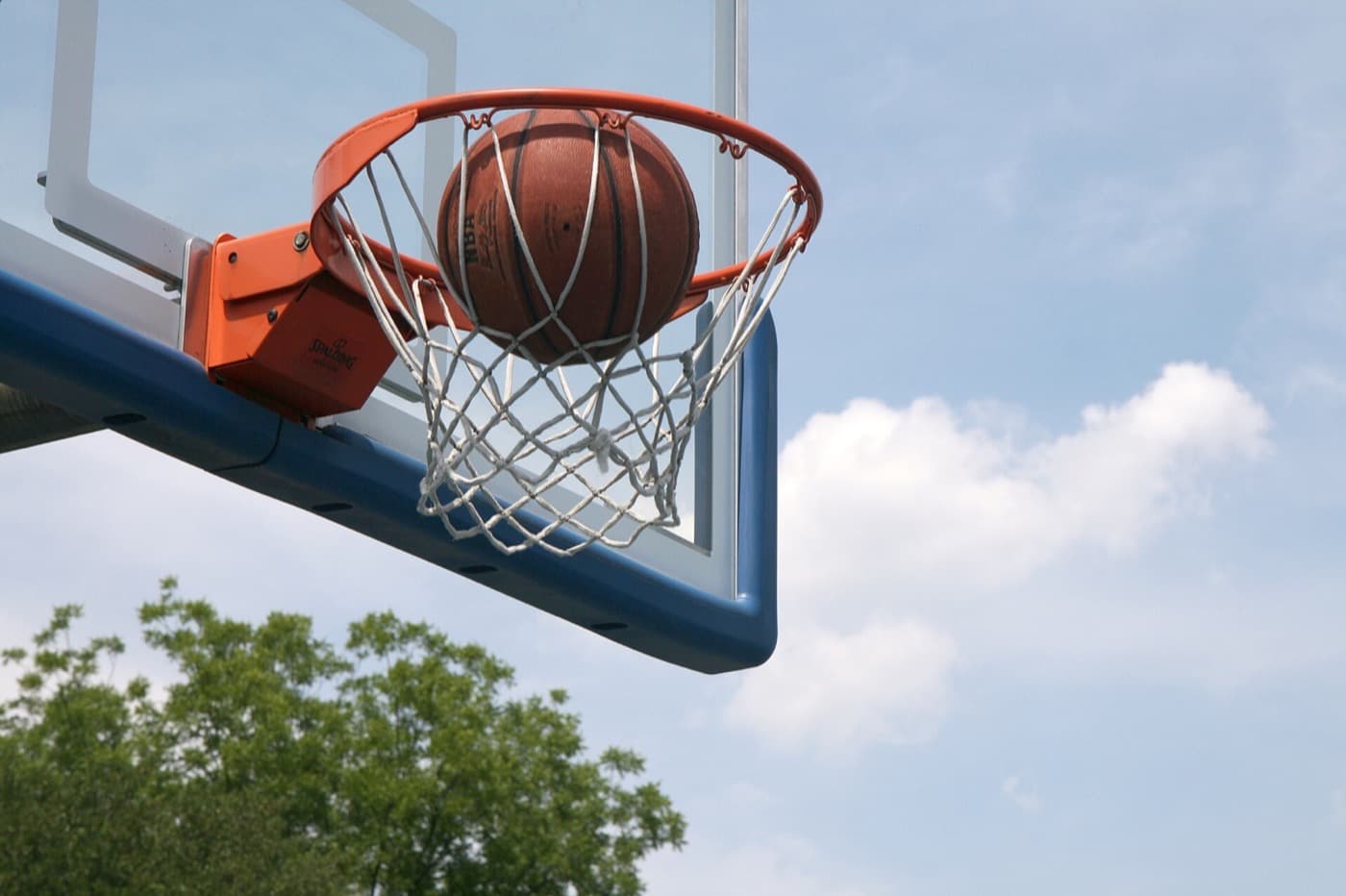
Basketball
A fast, dynamic team sport of running, jumping and quick decisions on court.
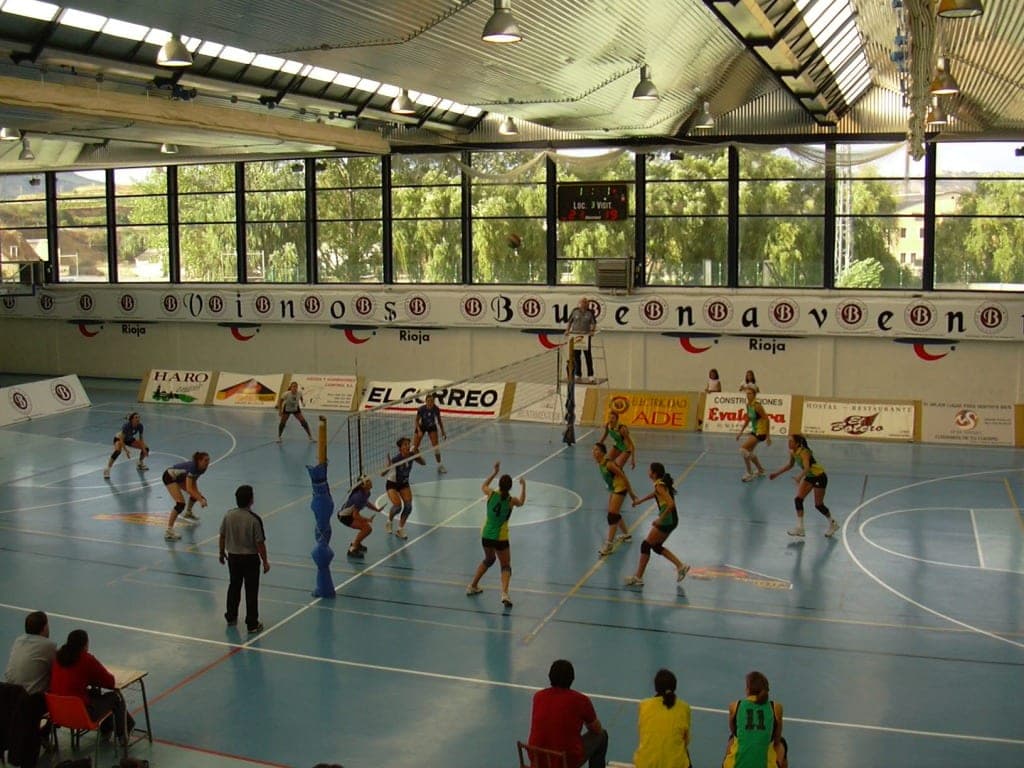
Volleyball
A non-contact team sport of rallies, jumps and teamwork — indoors or on the beach.
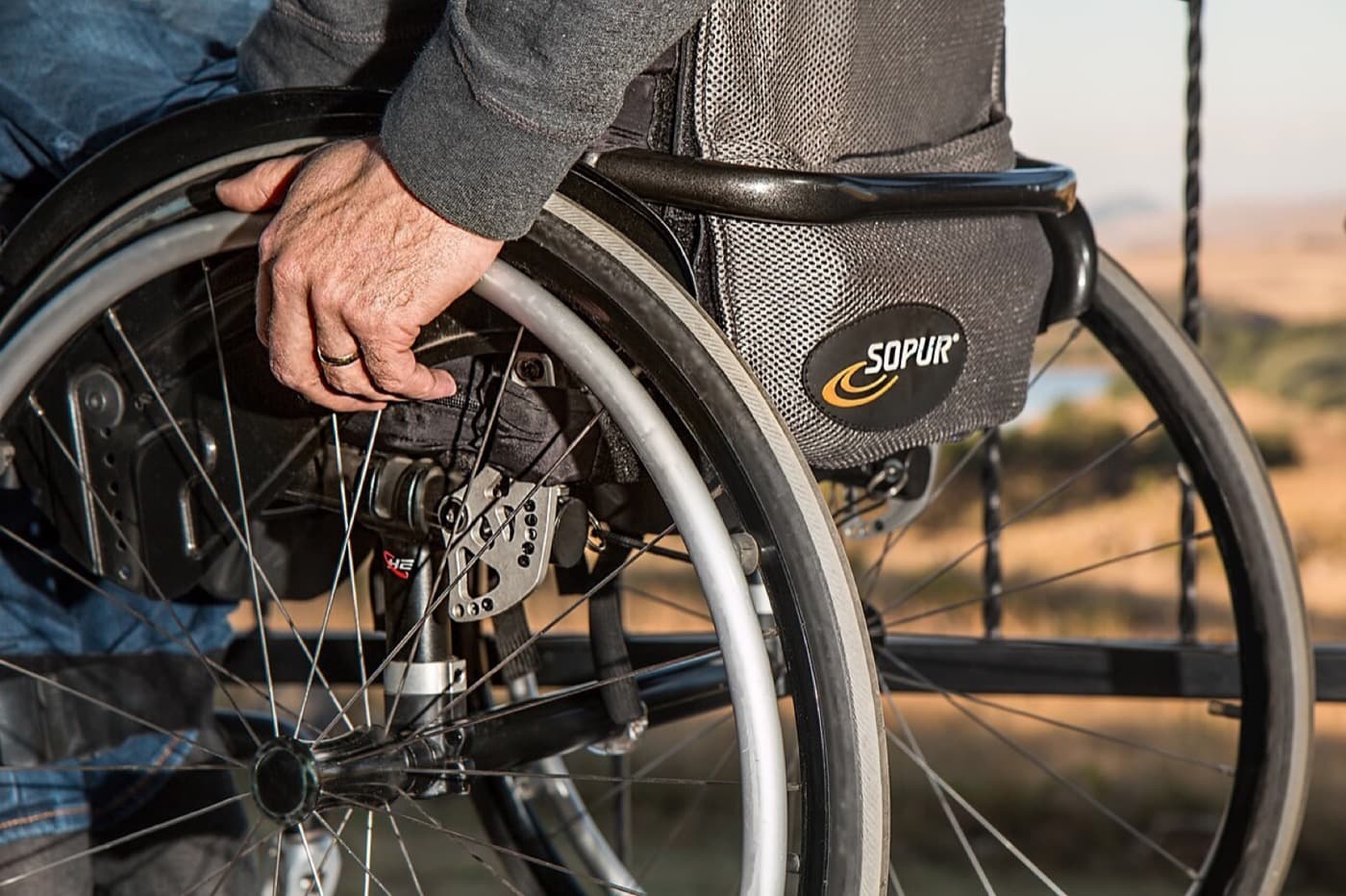
Cycling
A low-impact endurance sport that doubles as transport, exercise and adventure.
Frequently asked questions
What is situational awareness in sport?
It is holding an overall, up-to-date picture of what is happening around you — space, teammates, opponents and the game state — rather than watching only the ball. It tends to combine several readings at once and is kept current by scanning, and what actually matters in that picture varies a great deal from one sport to another.
Explore across the knowledge base
Follow the threads that connect Situational awareness to the rest of SocialSportHub.
Sports science
Sports communication
- Calling for the ballLetting a teammate know you are open and want the pass — usually a short, clear call made at the right moment.
- Defensive communicationTalking and signalling on defence — organising who marks whom, calling switches and warning teammates — to stay coordinated without the ball.
- Non-verbal communicationSharing information without words — through body language, eye contact, gestures and agreed hand signals — often faster or quieter than a call.
- Communication under pressureKeeping communication clear, calm and brief when a game is loud, tiring or high-stakes — so the message still lands.
- Concise communicationSaying the useful thing in as few clear words as possible — especially when time, noise or pressure leave no room for long messages.
Practice & sessions
- Small-group practicePractising in a small group of a few players — sharing drills, rotating roles and using small-sided games so everyone stays involved.
- Open-play sessionA turn-up-and-play session of informal, often social games — less structured than practice, focused on playing rather than drilling.
- Decision-making sessionA session built around choosing well under pressure — reading the situation and picking the right option, not just executing a skill.
- Tactical sessionA session built around tactics — how you use space, position and patterns of play, rather than the mechanics of a shot.
Knowledge Atlas
How this page is maintained
- Content type
- Decision-making concept
- Provenance
- Tier A — evergreen educational
- Verified external sources
- 0
- Content updated
- 2026-07-12
Evergreen, first-party explanation — it makes no claim that needs an external source. How we handle sources and reviews.