
Artificial turf
Synthetic grass, often filled with sand or rubber, that gives a firm, even, all-weather surface. It plays faster and truer than worn natural grass.
Overview
Artificial turf is a synthetic playing surface built from plastic grass fibres tufted into a backing, usually laid over a shock-absorbing base. Many pitches are 'infilled' — sand, rubber granules or a mix brushed between the fibres to hold them upright and add stability — while some field-hockey surfaces are water-based and kept damp instead of filled.
Because the surface is manufactured and uniform, it drains quickly and stays playable in most weather, giving a consistent, hard-wearing pitch that behaves the same from one end to the other. The ball tends to run faster and more predictably than on worn or muddy natural grass, and footing is firm and even. It is used for football, field hockey, rugby and shared multi-use pitches, and is distinct from natural grass in look, feel and behaviour.
How it plays
- The ball rolls faster and truer than on long or worn grass, so passes arrive quickly and the bounce is predictable.
- The surface is uniform end to end, without the bare patches, ruts or soft spots that develop on natural grass over a season.
- Good drainage keeps it playable in wet weather, making it a reliable all-weather, year-round option.
- Footing is firm and grippy, so players choose studded boots or moulded cleats suited to turf rather than long metal studs.
- Infill such as sand or rubber, or added water on hockey turf, shapes the pace, grip and how much the surface gives underfoot.
Where it’s used
Sports that use artificial turf:
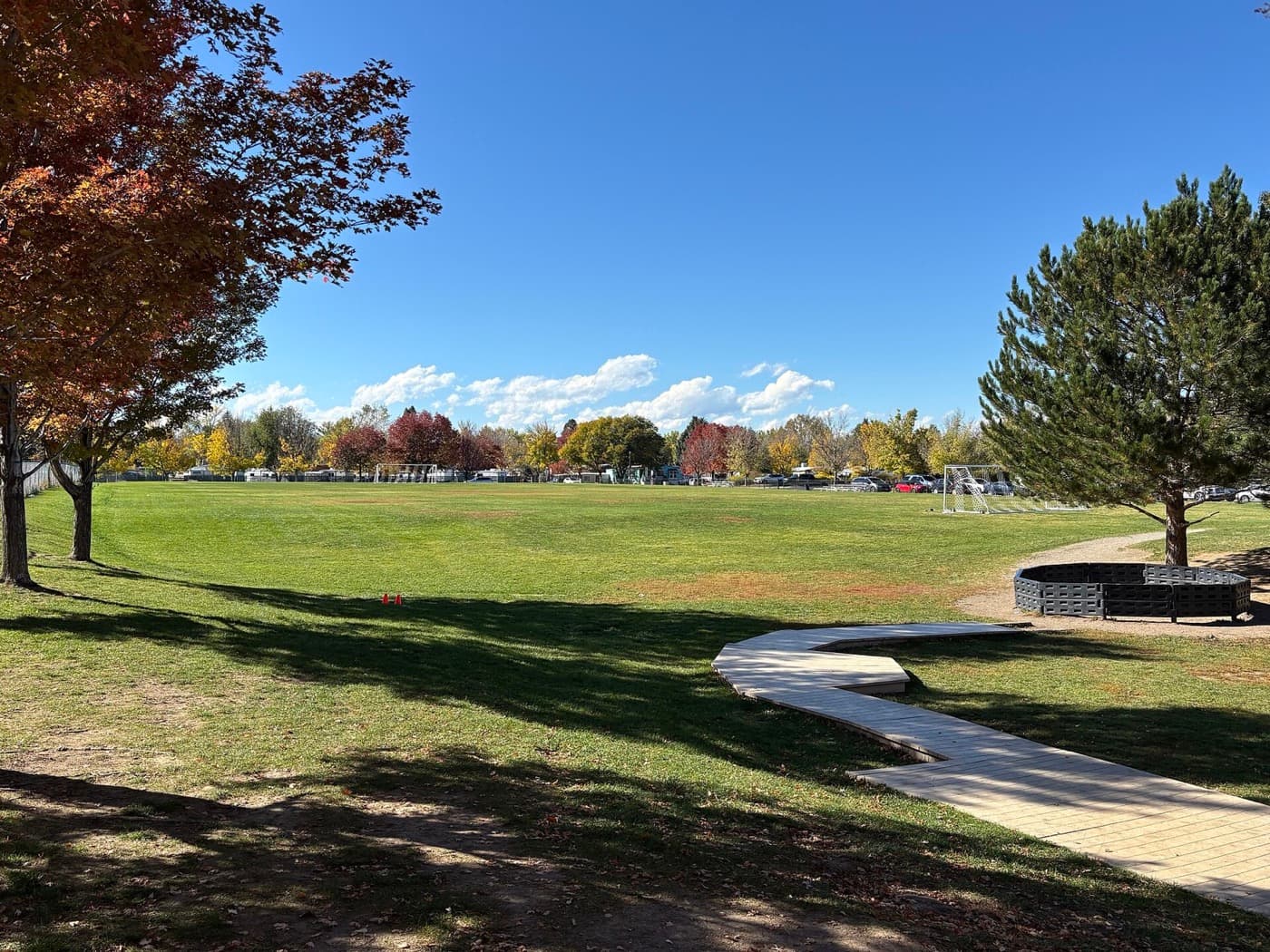
Football
The world’s most popular team sport — endless running, teamwork and community in one game.
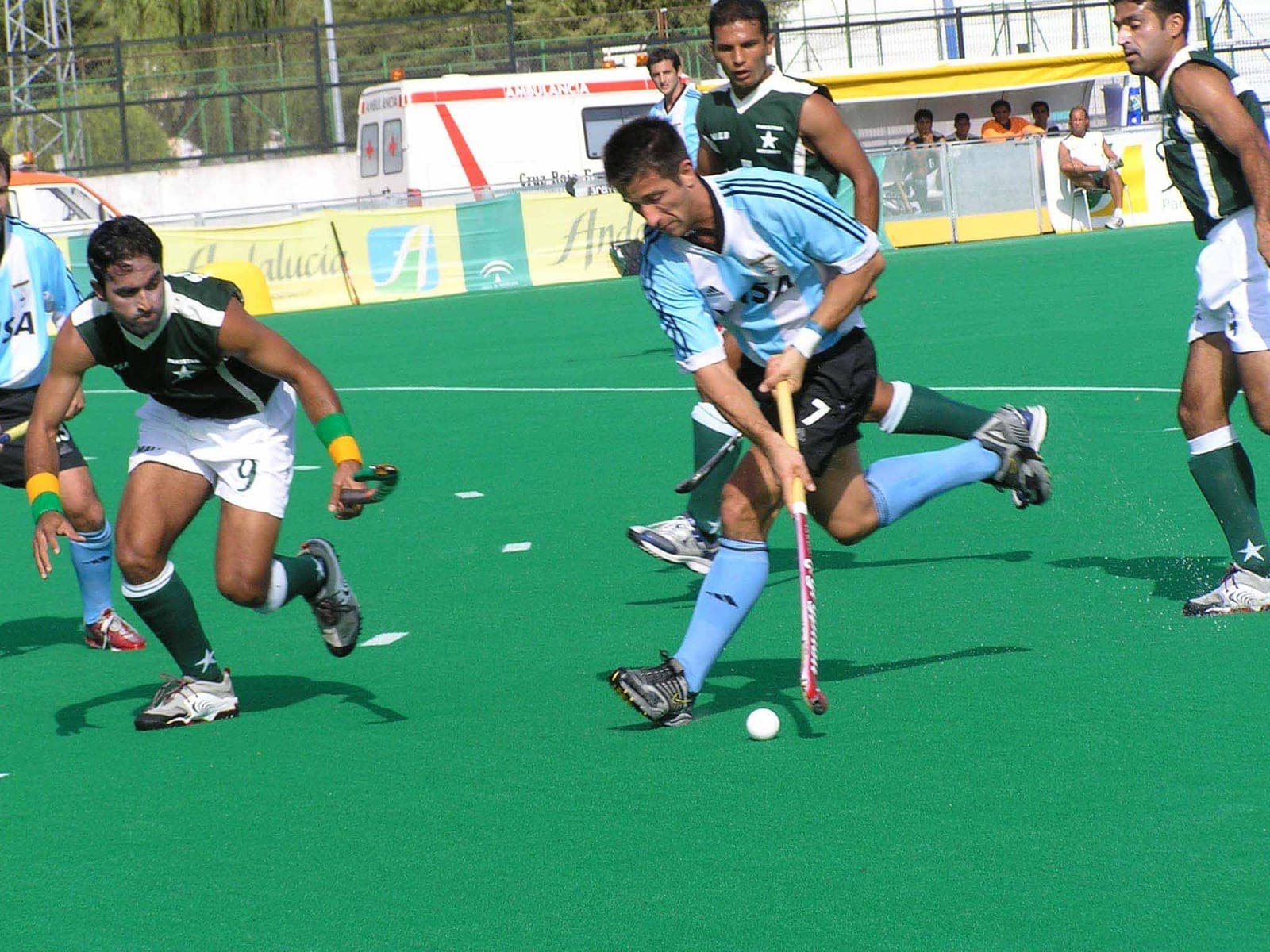
Field Hockey
An outdoor team sport that uses curved sticks to move a ball, built on agility and teamwork.
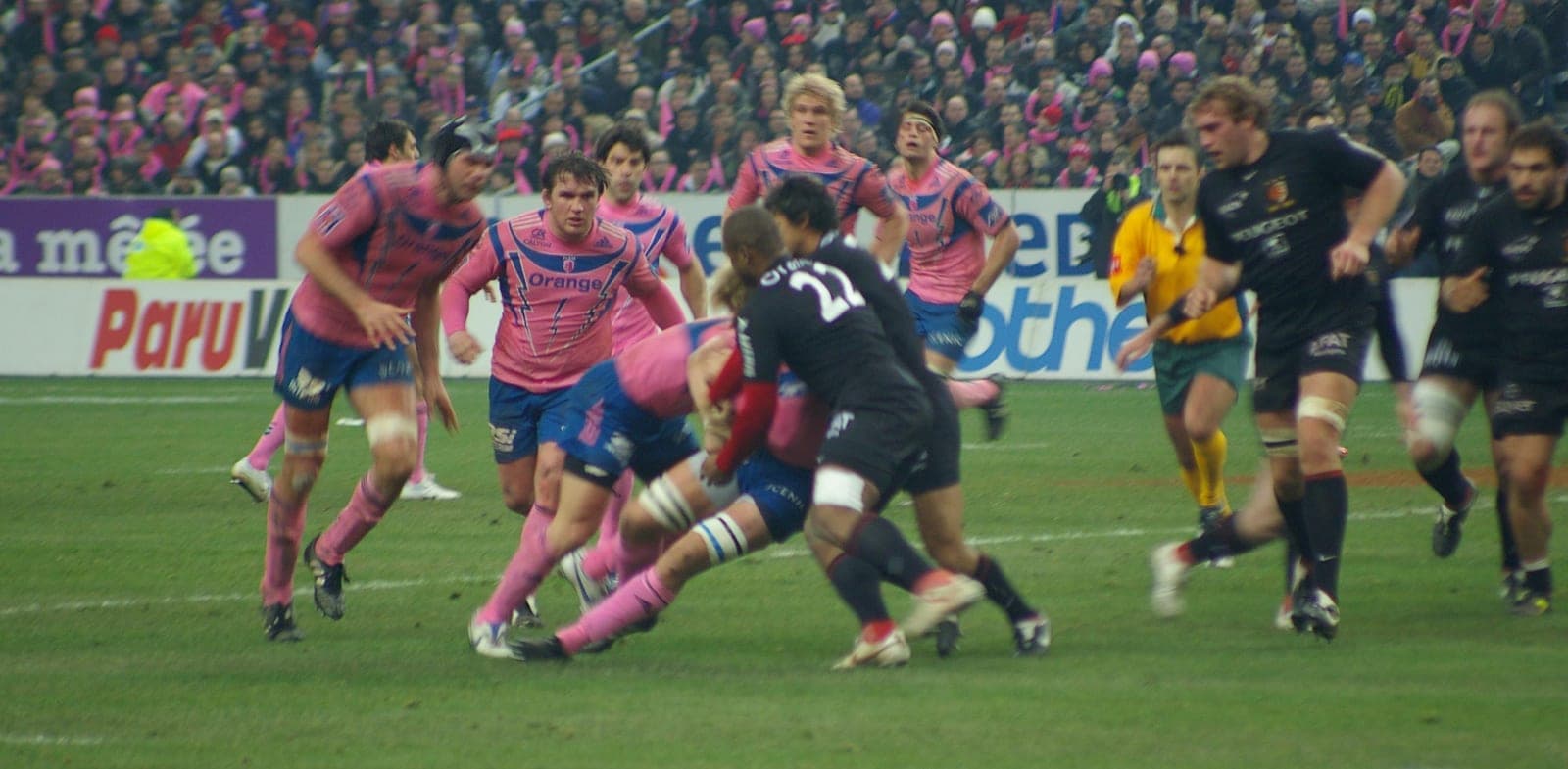
Rugby
A physical team sport of carrying, passing and kicking an oval ball toward the opposing line.
American Football
A strategic, position-based team sport of set plays, sprinting and coordinated teamwork on a marked field.
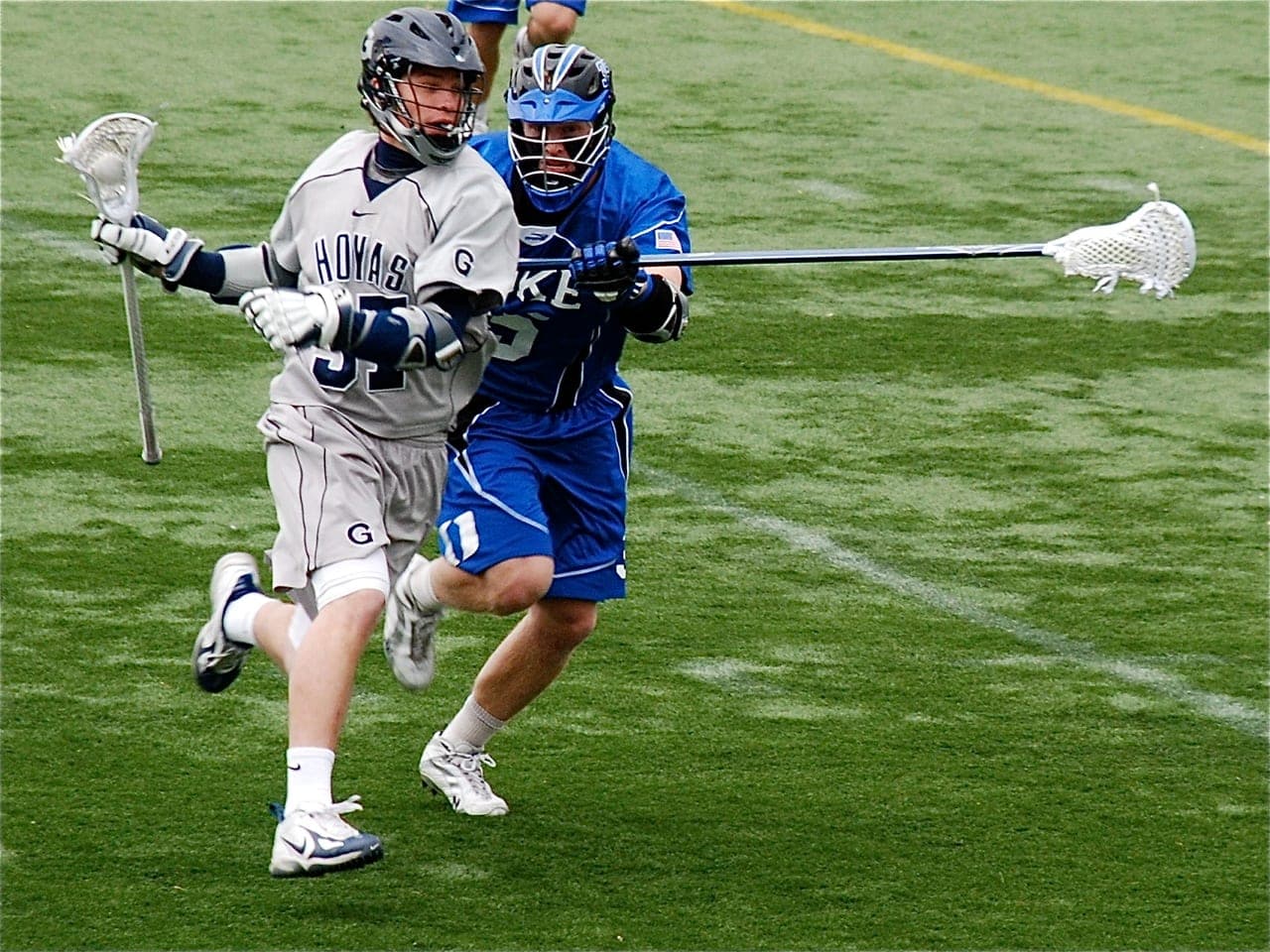
Lacrosse
A fast, stick-and-ball team sport of catching, cradling and shooting a small ball toward a goal.
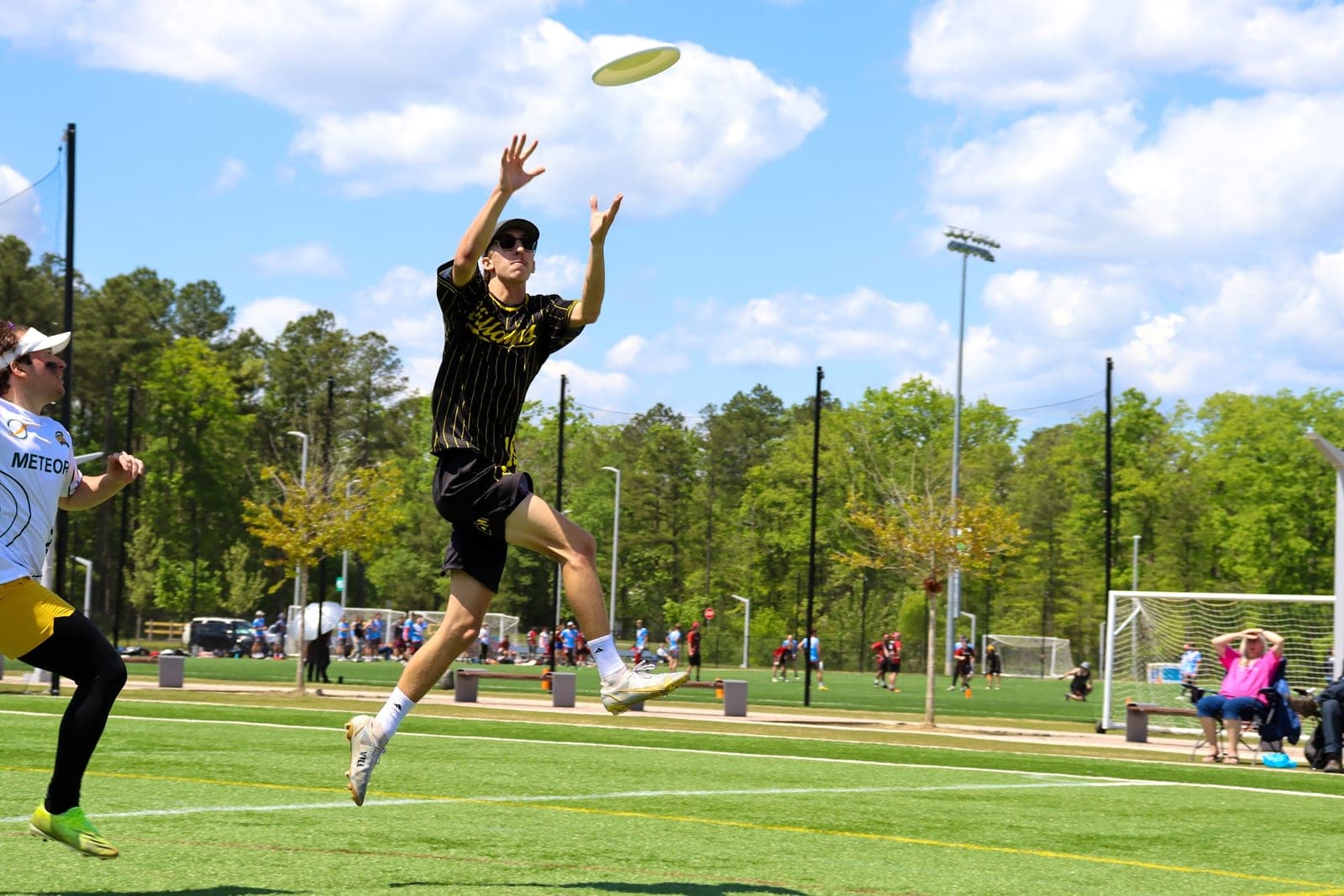
Ultimate Frisbee
A fast, non-contact team sport played with a flying disc, known for constant running and self-refereeing.
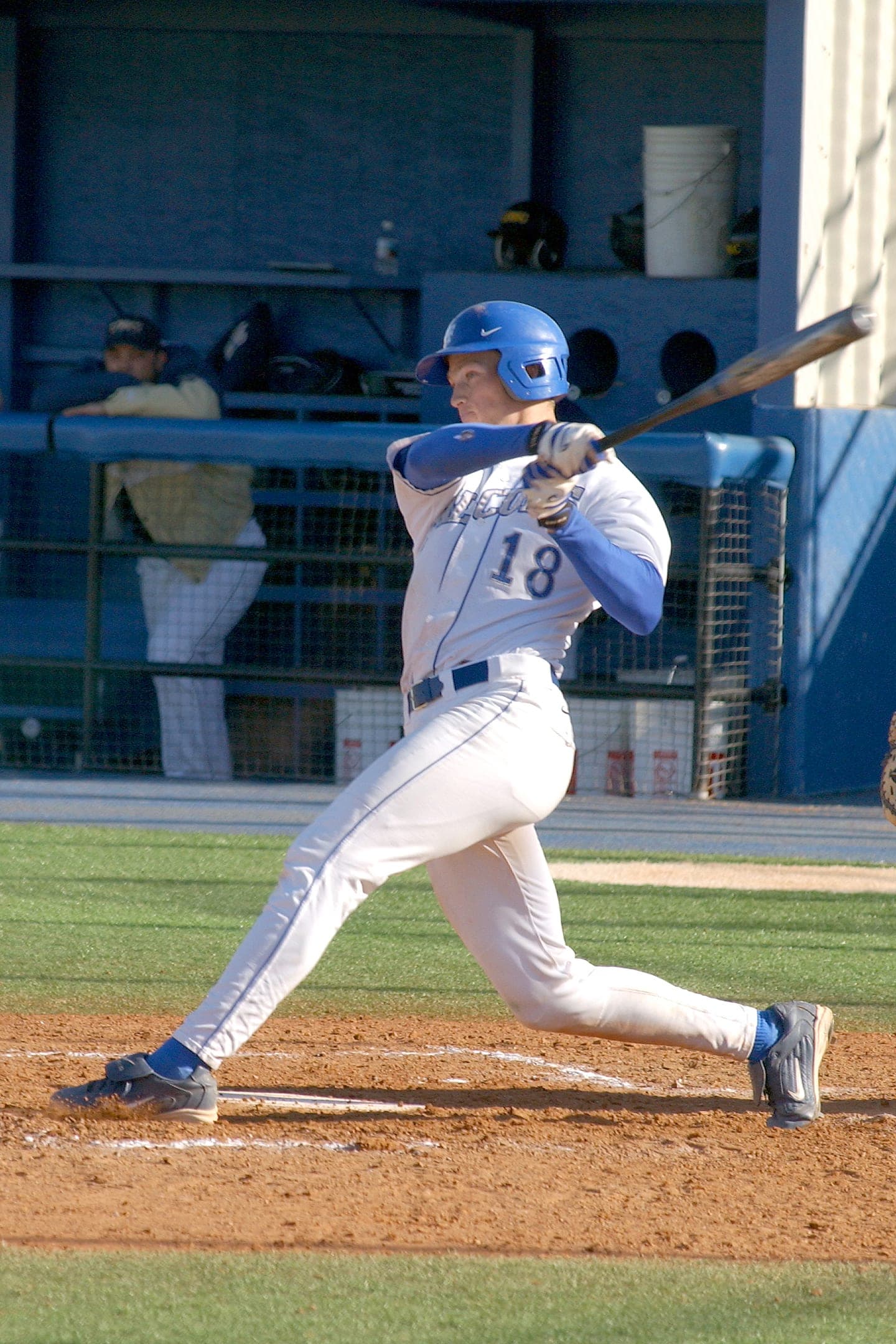
Baseball
A bat-and-ball team sport where two sides alternate between batting and fielding to score runs.
Softball
A friendly bat-and-ball team sport, closely related to baseball, played with a larger, softer ball.
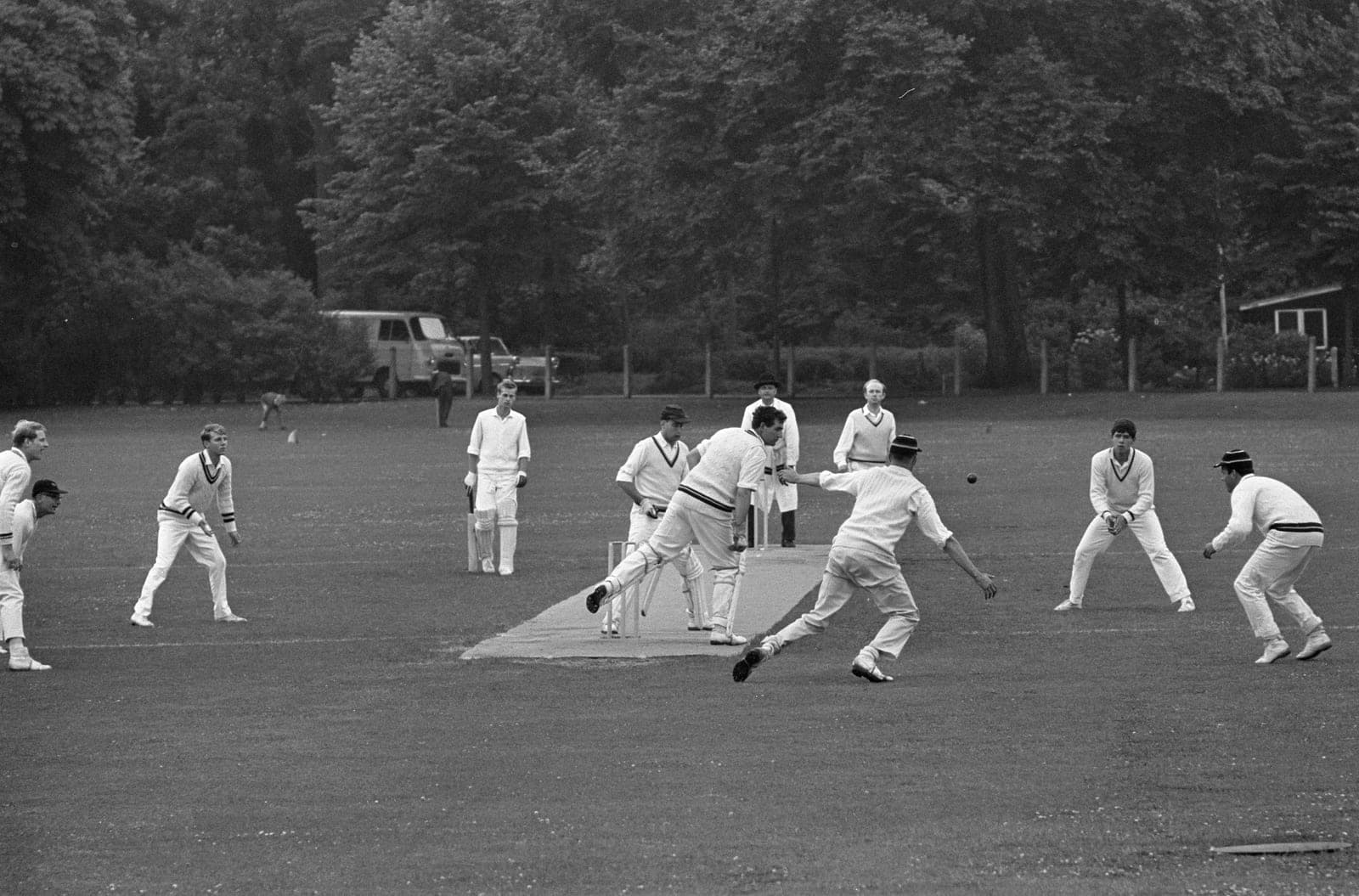
Cricket
A bat-and-ball team sport where sides take turns to bat and to bowl and field, scoring runs.
Related playing surfaces
How it connects
The meaning-bearing relationships that place Artificial turf in the wider knowledge graph — each one with the reason it exists.
Frequently learned together
Taught side by side in the same stage of a learning path.
- MouthguardBoth are taught in the “What you’ll need” stage of the Rugby learning path.
- The rugby union ballBoth are taught in the “What you’ll need” stage of the Rugby learning path.
- The rugby union fieldBoth are taught in the “What you’ll need” stage of the Rugby learning path.
- GrassBoth are taught in the “What you’ll need” stage of the Rugby learning path.
- Cricket batBoth are taught in the “What you’ll need” stage of the Cricket learning path.
Explore across the knowledge base
Follow the threads that connect Artificial turf to the rest of SocialSportHub.
Equipment
- MouthguardA moulded guard worn over the teeth in contact and combat sports, cushioning the teeth and jaw against impact. Fit is what makes it work.
- The rugby union ballThe oval ball that shapes how rugby union is passed and kicked — its weight, air pressure, construction and the provision that lets younger players use a smaller one.
- Cricket batA flat-fronted wooden bat used by batters to hit the ball in cricket, with a curved back that concentrates weight behind the hitting area.
- Wickets, stumps and bailsThe three stumps and two bails a bowler aims at and a batter defends — their exact height, width and shape, and what the Laws say about when bails may be dispensed with.
- The cricket ballWhat a cricket ball weighs and measures in men's, women's and junior cricket, who controls the ball during a match, and the rules on taking a new ball after 80 overs.
Facilities
- The rugby union fieldThe dimensions and markings of a rugby union pitch — the field of play, the in-goal areas, the 22-metre and 10-metre lines, the goal posts, and what the Laws fix versus what they leave open.
- The cricket pitchThe 22-yard strip at the centre of a cricket field where the bowling and batting happen — its exact dimensions, how it is bounded, and who decides whether it is fit to play on.
- The cricket field and boundaryHow the edge of a cricket field is defined and marked, what scores four and what scores six, and why the Laws set no boundary distance while international playing conditions do.
- Football pitchThe large rectangular grass or artificial-turf field on which football (soccer) is played, with a goal at each end.
- Multi-use games area (MUGA)A fenced outdoor hard-surface area marked for several sports, common in schools, parks and community facilities.
Techniques
- Inside-of-the-Foot PassThe most reliable short pass in football, played with the inside surface of the foot for accuracy over a short to medium distance.
- Padel BandejaA controlled overhead shot in padel, hit with slice and moderate pace to keep the player at the net without over-committing.
- HeaderA technique for controlling or striking the ball with the forehead in football, used to pass, shoot or clear the ball in the air.
Learning paths
- Learn FootballA structured, educational learning path for football — from the rules to skills, techniques, tactics and training.
- Learn RugbyA structured, educational learning path for rugby — from the rules to skills, techniques, tactics and training.
- Learn CricketA structured, educational learning path for cricket — from the rules to skills, techniques, tactics and training.
- Learn BaseballA structured, educational learning path for baseball — from the rules to skills, techniques, tactics and training.
- Learn American FootballA structured, educational learning path for american football — from the rules to skills, techniques, tactics and training.
Go deeper with Artificial turf
Everywhere else on the platform that covers Artificial turf — assembled from what actually references it, so nothing here is a dead end.
Learn it
Structured courses and paths on the platform that cover this directly.
How this page is maintained
- Content type
- Playing surface
- Provenance
- Tier A — evergreen educational
- Verified external sources
- 0
- Content updated
- 2026-09-12
Evergreen, first-party explanation — it makes no claim that needs an external source. How we handle sources and reviews.