
Padel
Doubles, walls and non-stop social rallies


Inside the sport
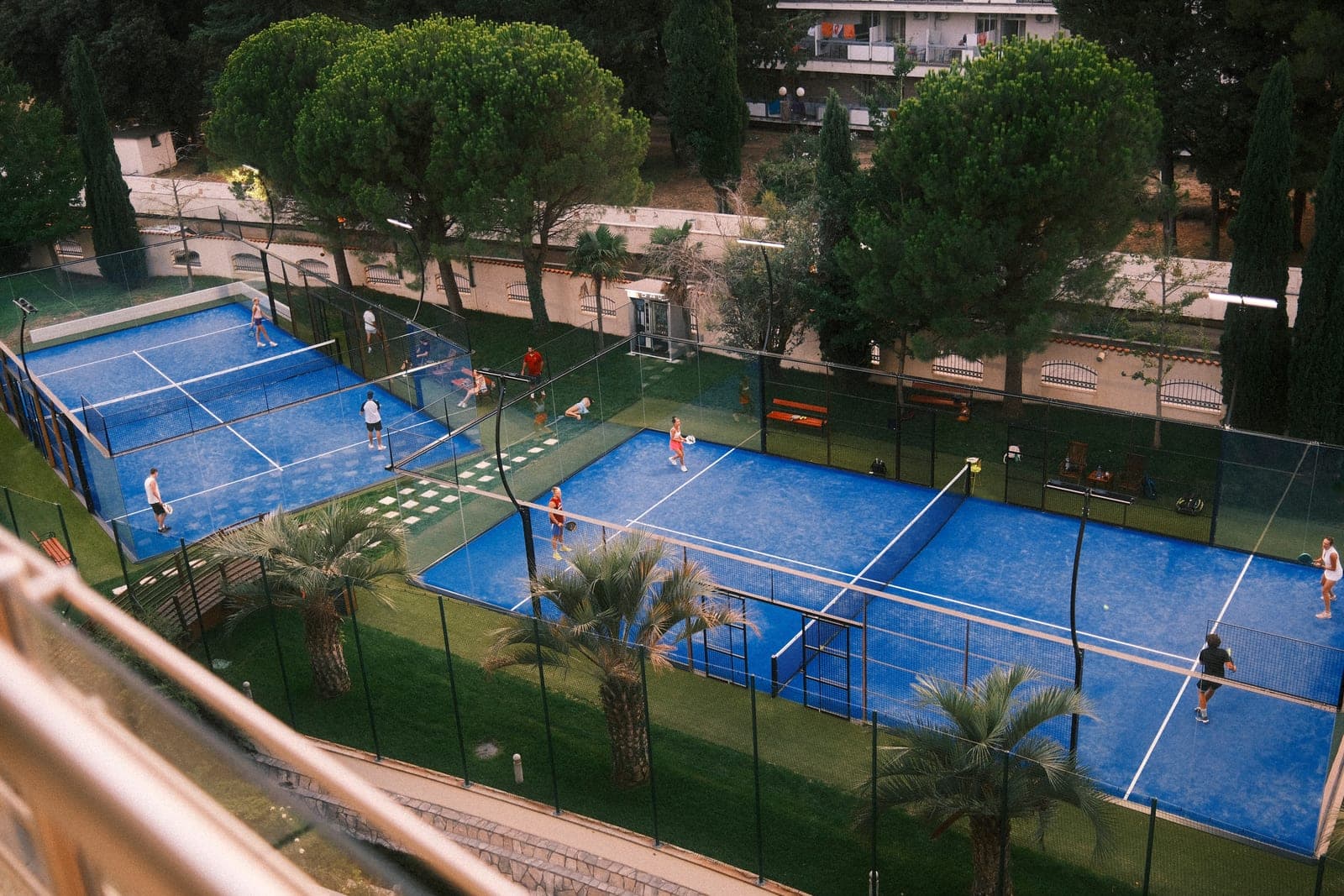
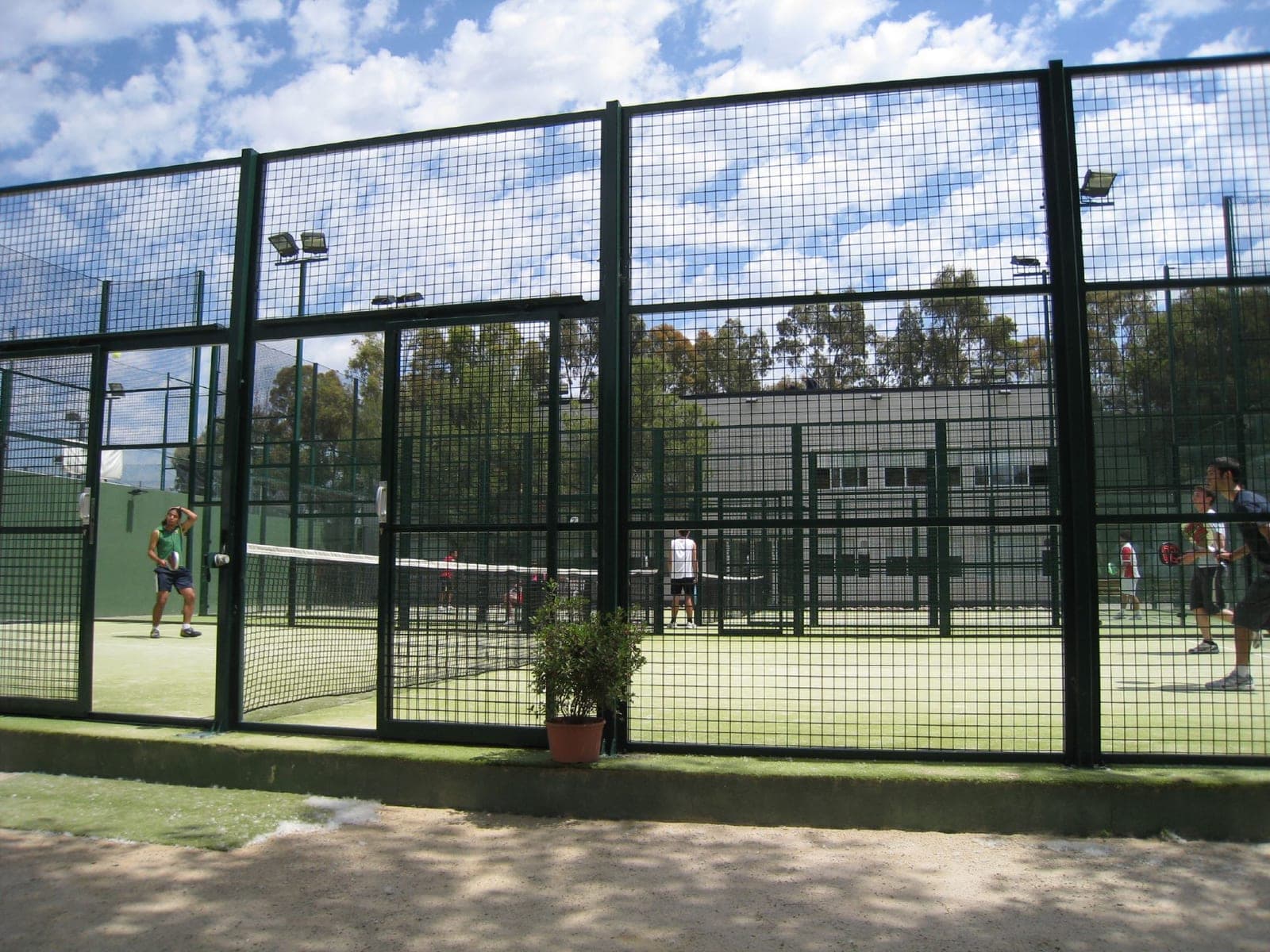
Padel is almost always played as doubles on an enclosed court where the glass walls remain in play, so rallies keep going and points last longer. The solid, stringless racquet and smaller court make it quick to pick up.
Overview
Its doubles-by-default format and forgiving learning curve have made it one of the most social racquet sports, welcoming to newcomers while still tactical at higher levels.
Why padel is good for your health
- Sustained rallies keep your heart rate up
- Develops agility, reactions and coordination
- Works the legs and core through constant repositioning
- Adaptable intensity that suits a wide range of fitness levels
The social side
- Played as doubles, so it is inherently social
- Forgiving learning curve makes mixed-ability games fun
- Growing club scene makes it easy to find partners and courts
How to start as a beginner
- 1Book a beginner-friendly court and play doubles from the start
- 2Learn to let the ball come off the back glass before hitting
- 3Focus on placement and teamwork rather than power
- 4Look for club “open play” or beginner sessions to meet players
Equipment you’ll need
- Padel racquetEssentialSolid and stringless — often available to rent
- Padel ballsEssential
- Court shoesEssential
- Comfortable sportswearOptional
Where to play
Padel is typically played at:
Explore clubs and venues to understand the different places you can play, or see how to find people to play with.
Playing Padel
The equipment, rules, skills and more that make up the game — each cross-linked into the encyclopedia.
Related sports to explore
If you enjoy Padel, you might also like these.
Tennis
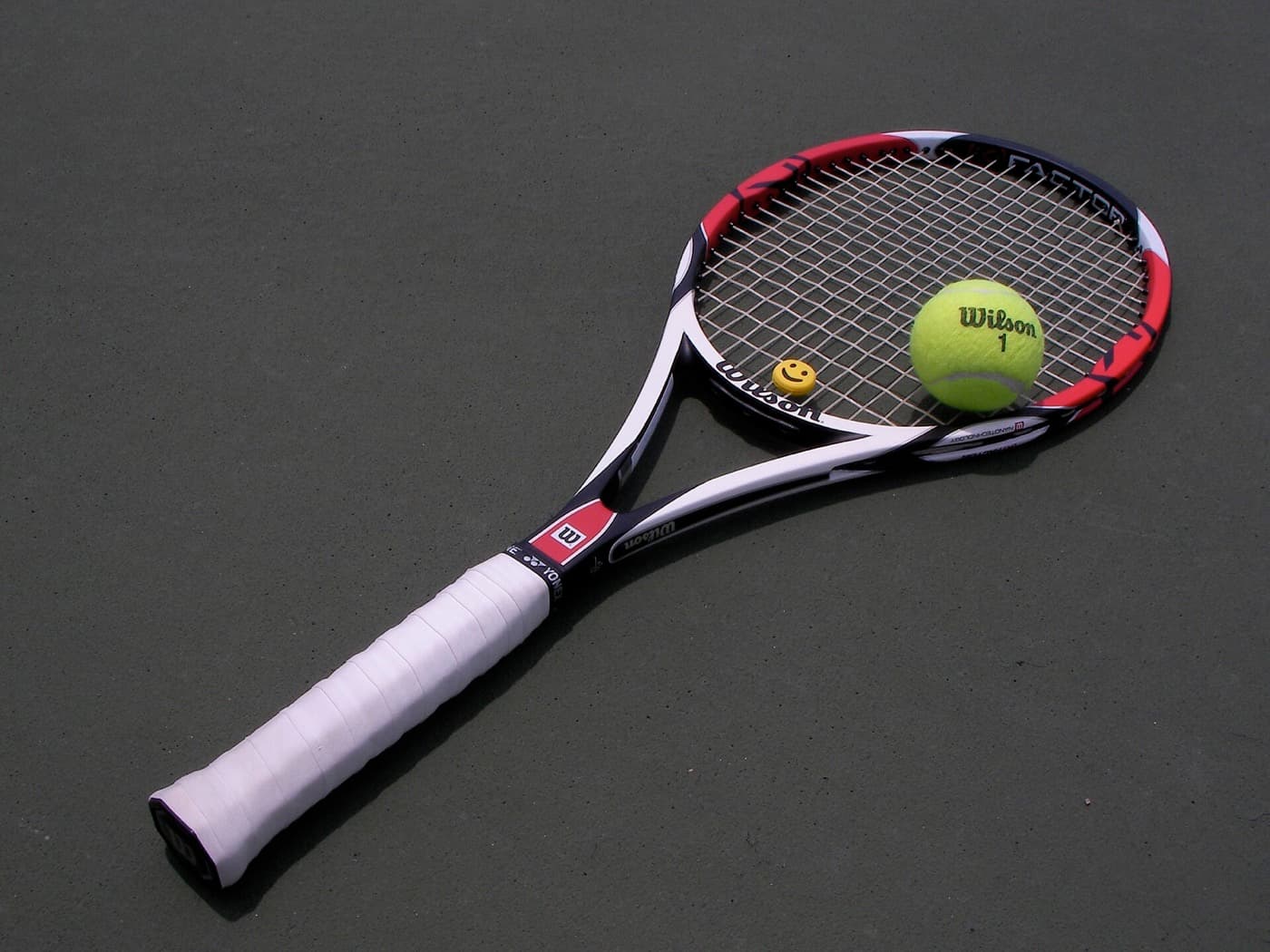
A singles or doubles racquet sport that blends agility, strategy and stamina on court.
POP Tennis
A friendly, easy-to-learn racquet sport on a smaller court with solid paddles and a lower net.
Badminton
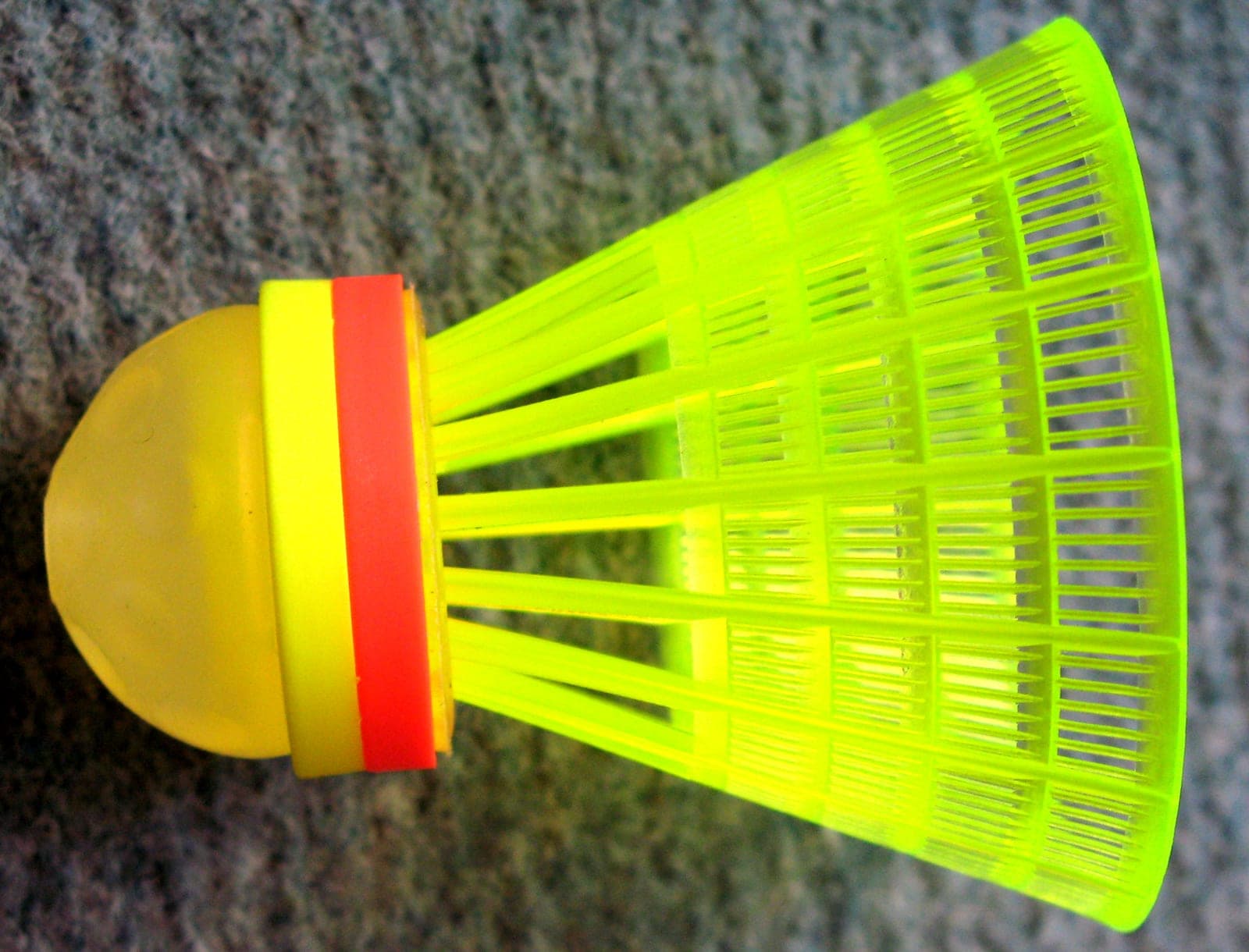
A fast indoor racquet sport played with a shuttlecock that rewards agility and touch.
Compare Padel with…
Deciding between Padel and something similar? See how they line up side by side.
Badminton vs Padel
How they compare on difficulty, intensity, kit and what suits you.
Beach Tennis vs Padel
How they compare on difficulty, intensity, kit and what suits you.
Padel vs Pickleball
How they compare on difficulty, intensity, kit and what suits you.
Padel vs POP Tennis
How they compare on difficulty, intensity, kit and what suits you.
Padel vs Racquetball
How they compare on difficulty, intensity, kit and what suits you.
Padel vs Squash
How they compare on difficulty, intensity, kit and what suits you.
Reach your goals with Padel
People take up Padel for all kinds of reasons. Here is what it can help you work towards.
Who & where Padel fits
Sport should fit your life. Here is who Padel suits and when it works.
Couples
How sport can fit two people doing it together — shared activity that doubles as time together, mutual motivation and a common goal.
Competitive athletes
How the platform fits someone who trains and plays to compete — structured, goal-directed preparation with coaching and recovery central.
To have fun
When enjoyment is the point, playful, varied and social sports keep you coming back — because the best activity is the one you look forward to.
To meet people
When connection is the draw, team sports, clubs and group activities turn getting fit into a way to build a social circle.
To compete
When the thrill of competition drives you, sports with clear contests, ladders and match play give you something to test yourself against.
Competitive
Training and playing to compete — structured, goal-directed preparation built around events, with coaching and recovery central.
How it connects
The meaning-bearing relationships that place Padel in the wider knowledge graph — each one with the reason it exists.
Alternative to
Comparable enough that people choose between them.
- BadmintonPadel and Badminton are close enough that the platform maintains a side-by-side comparison of them.
- Beach TennisPadel and Beach Tennis are close enough that the platform maintains a side-by-side comparison of them.
- PickleballPadel and Pickleball are close enough that the platform maintains a side-by-side comparison of them.
- POP TennisPadel and POP Tennis are close enough that the platform maintains a side-by-side comparison of them.
- RacquetballPadel and Racquetball are close enough that the platform maintains a side-by-side comparison of them.
Helps achieve
A recognised route towards these goals.
Explore across the knowledge base
Follow the threads that connect Padel to the rest of SocialSportHub.
Learning paths
Glossary
- Artificial TurfA synthetic playing surface of manufactured grass-like fibres, used as an all-weather alternative to natural grass for football, hockey and other field sports.
- Backhand SliceA backhand hit with a high-to-low, open-faced swing that imparts backspin, making the ball stay low after bouncing.
- BackspinBackward rotation on a ball that makes it float, stay low, and check or stop on the bounce.
- Break PointIn tennis and similar sports, a point on which the receiver can win a game the opponent is serving.
- CourtA flat, precisely marked playing area, usually rectangular and often hard-surfaced, used for net and hoop sports such as tennis, basketball and volleyball.
Motivations
- To have funWhen enjoyment is the point, playful, varied and social sports keep you coming back — because the best activity is the one you look forward to.
- To meet peopleWhen connection is the draw, team sports, clubs and group activities turn getting fit into a way to build a social circle.
- To competeWhen the thrill of competition drives you, sports with clear contests, ladders and match play give you something to test yourself against.
Experience levels
Movement patterns
- LungeA split-stance, single-leg-emphasis pattern: stepping or dropping into a staggered stance and pushing back up to build single-leg strength, balance and stability.
- StrikeA ballistic, whole-body hitting action that channels ground-generated force through a proximal-to-distal kinetic chain to deliver momentum to a target via the hand, an implement or a body part at the moment of contact.
Go deeper with Padel
Everywhere else on the platform that covers Padel — assembled from what actually references it, so nothing here is a dead end.
Learn it
Structured courses and paths on the platform that cover this directly.
Work it out
Deterministic calculators — real published formulas, no estimates dressed as data.
See it
Diagrams and step-through visualisations drawn for this subject.
Compare it
Head-to-head studies against the entities people actually weigh it against.
- Padel vs BadmintonSide by side on the qualities that differ.
- Padel vs Beach TennisSide by side on the qualities that differ.
- Padel vs PickleballSide by side on the qualities that differ.
- Padel vs POP TennisSide by side on the qualities that differ.
- Padel vs RacquetballSide by side on the qualities that differ.
- Padel vs SquashSide by side on the qualities that differ.
Kit it out
Equipment guidance drawn from the graph, with no brands and no affiliate links.
Take it away
Open data and the whole-platform view of this subject.
How this page is maintained
- Content type
- Sport
- Provenance
- Tier A — evergreen educational
- Verified external sources
- 0
- Content updated
- 2026-07-06
Evergreen, first-party explanation — it makes no claim that needs an external source. How we handle sources and reviews.
Keep going
A sport is most rewarding alongside good habits, sensible nutrition and people to share it with. Here is where to go next.
How movement supports body and mind.
Eat well to feel and perform better.
Build routines that stick.
Ways to meet others and play together.
Where to play and what to expect.
Browse the full list by category.