
Adapting to Conditions
Adapting to conditions is the strategy of shaping your game plan around the venue, surface, weather, altitude and home-or-away setting you face.
Overview
Adapting to conditions is an overarching strategy rather than a single in-game move: before and during competition, athletes and teams read the external environment — the playing surface, the weather, the altitude, the specific venue, and whether they are at home or travelling — and shape their overall plan to suit it. It sits a level above individual tactics. Instead of being one specific action, it is the decision-making layer that guides which tactics, techniques, pace and equipment are likely to work on a given day. Because the same skills can produce very different results depending on the environment, the strategy is really about matching your strengths to the situation and reducing the disadvantages the conditions can impose.
Conditions influence sport in many ways at once. A surface can be fast or slow, hard or soft, grippy or slick, changing how a ball bounces or how footing holds. Weather adds wind, rain, heat, cold or bright sun, each of which can alter flight, visibility, grip and stamina. Altitude thins the air, which affects breathing in endurance events and lets a ball or shuttle travel further. Playing away from home usually means unfamiliar surroundings and travel, while a home setting brings familiarity. Adapting well means preparing in advance — through scouting, sensible equipment choices and a suitable warm-up — and then staying flexible, adjusting pace, shot selection or formation as the conditions reveal themselves or shift during play. Done consistently, it turns an unpredictable environment from a threat into useful information.
Key ideas
- Surface and terrain: the playing surface shapes how the game behaves. Firmer, faster surfaces tend to reward quick, direct play, while softer or slower ones reward patience and control. Athletes commonly change footwear, grip or shot selection — choosing studs or spikes suited to soft ground, or favouring longer rallies on a slower court.
- Weather: wind, rain, heat, cold and sun each demand adjustments. Players may keep the ball lower into a headwind, add margin or spin in the wet, manage effort and hydration in heat, and account for glare or reduced visibility. Endurance athletes often revise their pacing to cope with harsher conditions.
- Altitude and air: at higher elevations the thinner air can make breathing harder in endurance events and let balls, shuttles or other projectiles travel further and faster. Adapting can mean allowing time to acclimatise where possible, adjusting effort, and recalibrating aim or power to the different flight.
- Home and away: a familiar venue offers known dimensions, sightlines and surfaces, while travelling adds unfamiliarity, different time zones and crowd noise. Adapting to an away setting often means extra preparation — walking the venue, rehearsing communication for a loud environment, and settling into routines quickly.
- Preparation versus in-play flexibility: adapting has two phases. Beforehand, teams scout the venue, choose equipment and plan for the forecast. During play, they read what is actually happening and adjust — because conditions can change, and a plan that suited the opening period may need revising later on.
Where it’s used
Sports that use adapting to conditions:
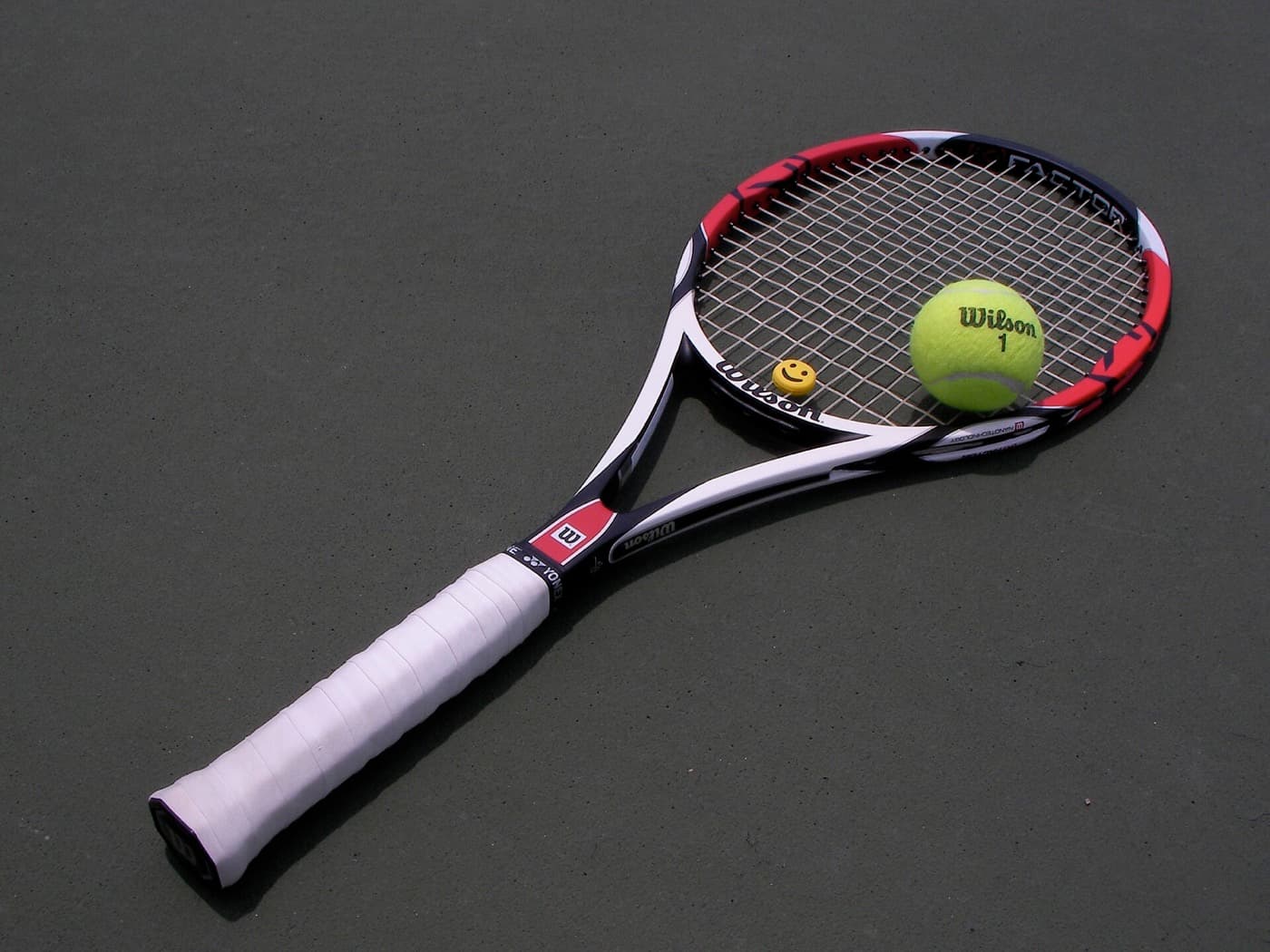
Tennis
A singles or doubles racquet sport that blends agility, strategy and stamina on court.
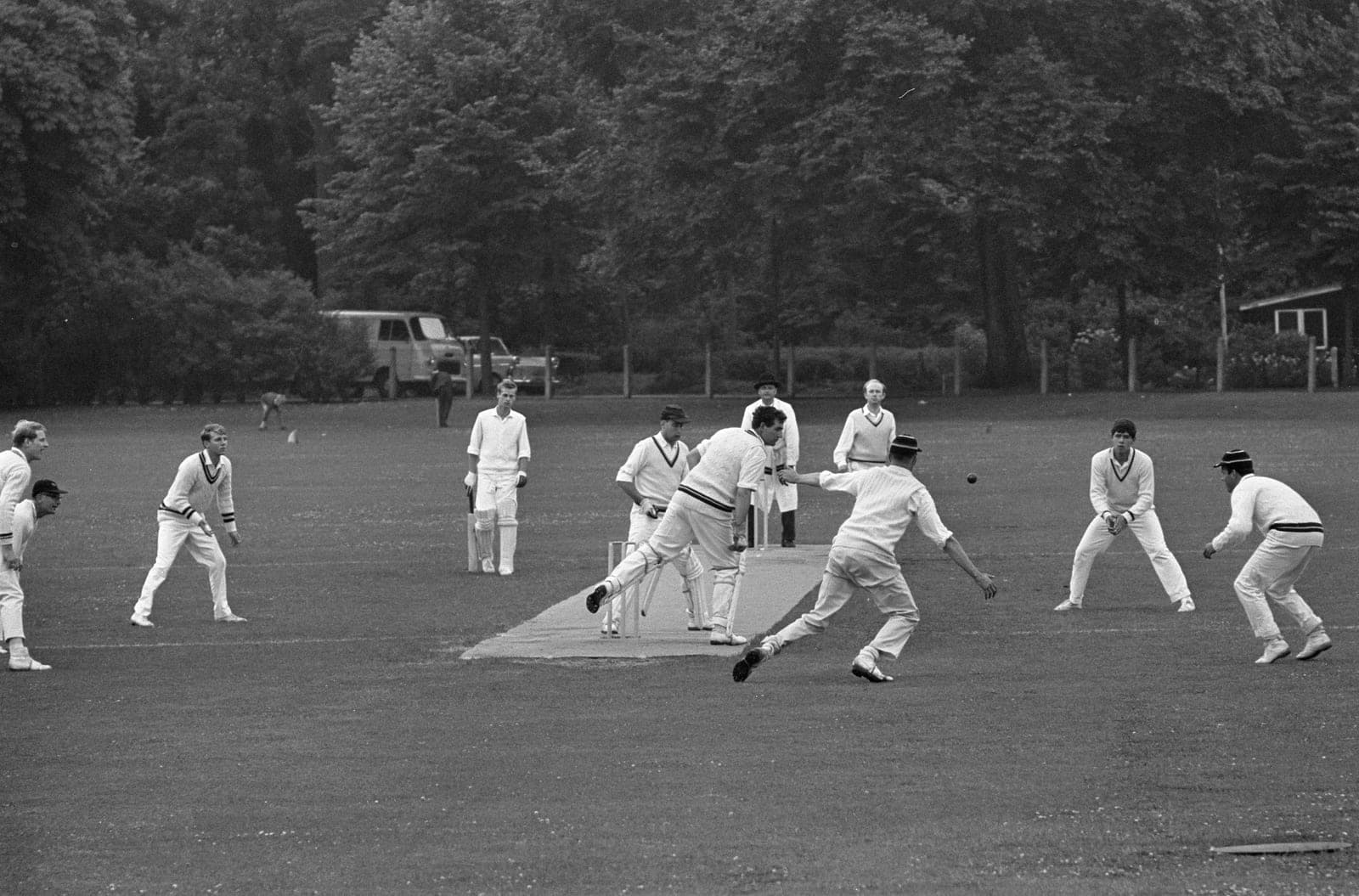
Cricket
A bat-and-ball team sport where sides take turns to bat and to bowl and field, scoring runs.
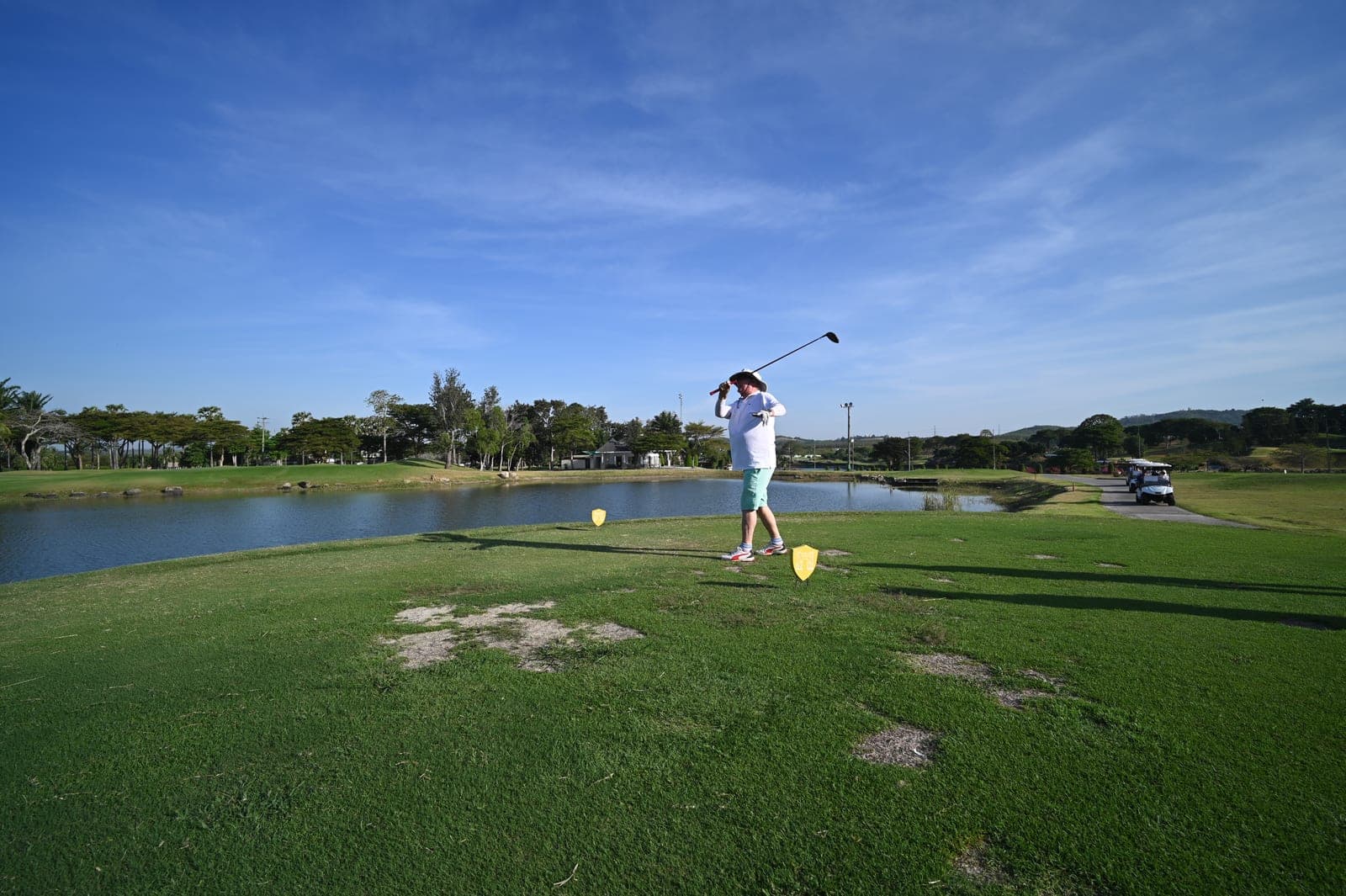
Golf
A precision target sport played across an outdoor course, blending skill, strategy and a long walk in the open air.

Cycling
A low-impact endurance sport that doubles as transport, exercise and adventure.
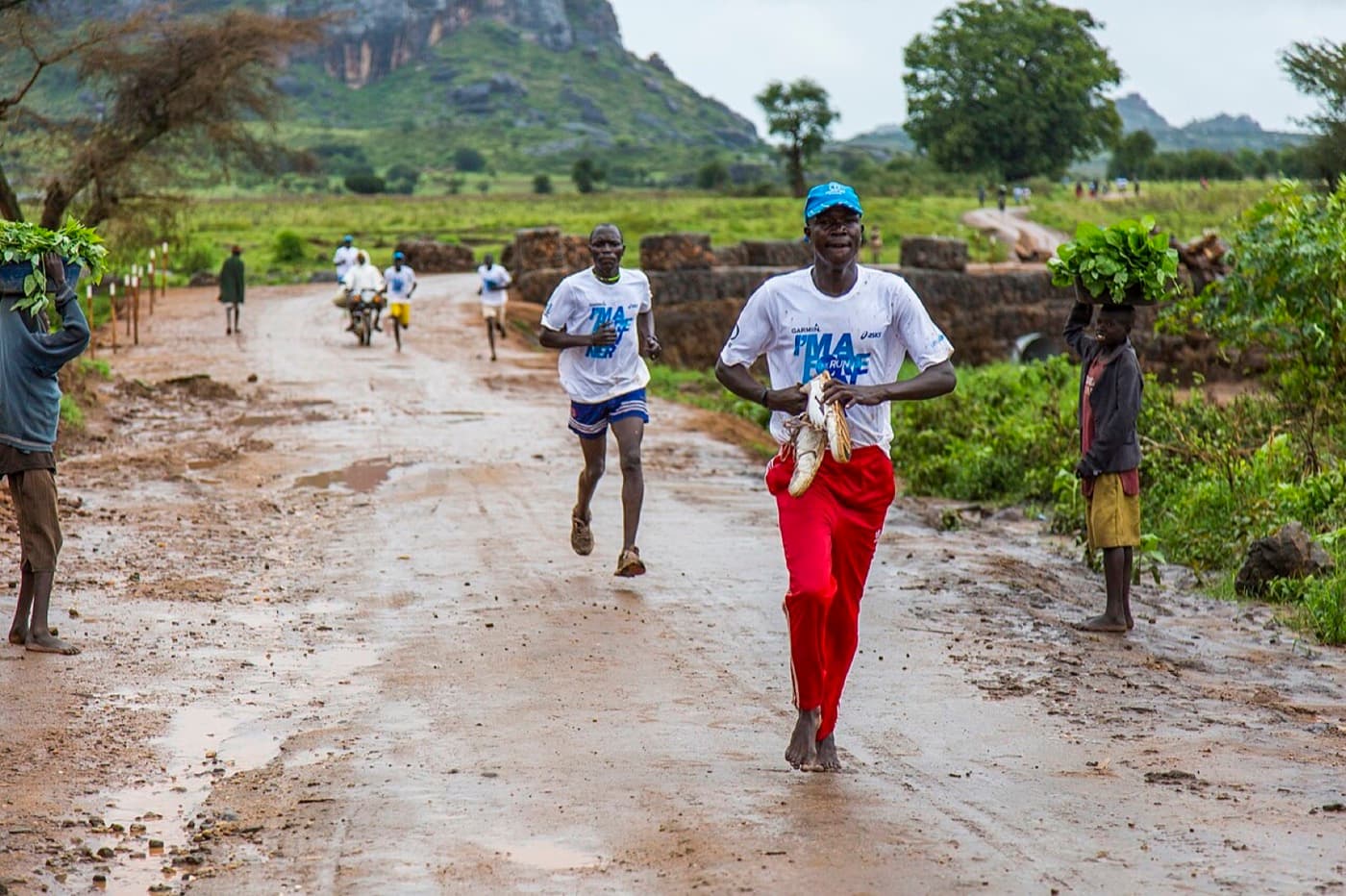
Running
The most accessible endurance sport — no venue, just shoes and the open road or trail.

Sailing
The craft of using the wind to move a boat across the water, from small dinghies to larger crewed yachts.
Surfing
An ocean board sport of paddling into waves and riding them toward shore, balancing skill and reading the sea.
Football
The world’s most popular team sport — endless running, teamwork and community in one game.
Trail Running
Running off-road on trails, hills and natural terrain, away from pavements and traffic.

Alpine Skiing
A downhill snow sport where you glide and turn down groomed slopes on a pair of skis.
Related strategies
Attacking vs Defensive Balance
The overarching choice a team or athlete makes about how much to commit to creating scoring chances versus avoiding conceding, and when to shift it.
Pacing and Energy Management
Pacing and energy management is the overarching plan for distributing a limited supply of physical effort across an event so you avoid fading early and finish strong.
Controlling Tempo
Controlling tempo is the strategy of dictating the pace and rhythm of play — speeding up or slowing down — to suit your strengths and unsettle opponents.
How it connects
The meaning-bearing relationships that place Adapting to Conditions in the wider knowledge graph — each one with the reason it exists.
Frequently learned together
Taught side by side in the same stage of a learning path.
- DraftingBoth are taught in the “Understand tactics & strategy” stage of the Running learning path.
- Pacing strategyBoth are taught in the “Understand tactics & strategy” stage of the Running learning path.
- Negative splitBoth are taught in the “Understand tactics & strategy” stage of the Running learning path.
- Interval-training strategyBoth are taught in the “Understand tactics & strategy” stage of the Running learning path.
- Pacing and Energy ManagementBoth are taught in the “Understand tactics & strategy” stage of the Running learning path.
Explore across the knowledge base
Follow the threads that connect Adapting to Conditions to the rest of SocialSportHub.
Tactics
- DraftingRiding, running or swimming close behind another competitor to save energy in their slipstream.
- Pacing strategyPlanning how to distribute effort across a race so energy lasts the full distance without fading.
- Negative splitA pacing tactic where an athlete covers the second half of a race faster than the first.
- Interval-training strategyStructuring a workout as bursts of hard effort separated by recovery to build fitness efficiently.
- Risk–reward shot selectionWeighing the gain from an aggressive shot against the cost of the miss before choosing which shot to play.
Facilities
Learning paths
- Learn TennisA structured, educational learning path for tennis — from the rules to skills, techniques, tactics and training.
- Learn FootballA structured, educational learning path for football — from the rules to skills, techniques, tactics and training.
- Learn RunningA structured, educational learning path for running — from the rules to skills, techniques, tactics and training.
- Learn CyclingA structured, educational learning path for cycling — from the rules to skills, techniques, tactics and training.
- Learn CricketA structured, educational learning path for cricket — from the rules to skills, techniques, tactics and training.
Coaching concepts
- Constraints-Led PracticeA coaching approach that adjusts the task, environment or rules so a desired movement or decision emerges in practice, rather than being explicitly instructed.
- Practice VariabilityVarying practice conditions — spacing, interleaving skills and changing situations — to build adaptable, durable skill, even when it feels harder day to day.
Go deeper with Adapting to Conditions
Everywhere else on the platform that covers Adapting to Conditions — assembled from what actually references it, so nothing here is a dead end.
Learn it
Structured courses and paths on the platform that cover this directly.
How this page is maintained
- Content type
- Strategy
- Provenance
- Tier A — evergreen educational
- Verified external sources
- 0
- Content updated
- 2026-09-12
Evergreen, first-party explanation — it makes no claim that needs an external source. How we handle sources and reviews.