
Sand
Loose beach sand: a soft, shifting, energy-sapping surface with no true bounce that rewards balance and footwork, used for beach sports and conditioning.
Overview
Sand, as a playing surface, means the loose, dry granular sand found on a beach or in a purpose-filled pit. It is made of countless small mineral grains that are not bound together, so the surface shifts and gives way underfoot rather than holding firm. It feels soft, deep and unstable, and it can vary from firm and damp near the waterline to dry and powdery higher up.
Because sand absorbs energy rather than returning it, it is not a true-bounce court surface: a ball driven into it tends to stop dead instead of rebounding cleanly, so play is built around volleying and controlling the ball in the air. Moving on sand is slow and tiring, as every push-off sinks in and drains momentum, so it rewards balance, a low stable base and quick, deliberate footwork over raw straight-line speed. Those same qualities make it a popular conditioning surface for training away from firmer ground.
How it plays
- The surface is loose and unstable, so footing is never firm and each step sinks in and shifts as weight lands on it.
- Sand absorbs impact and returns almost no bounce, so a ball driven into it stops dead rather than rebounding, and play happens in the air rather than off the surface.
- Moving across sand is slow and energy-sapping, because every stride and push-off sinks in and saps momentum.
- Balance and a low, stable stance matter far more than on firm ground, and short, controlled footwork beats long, committed strides.
- It is normally played on barefoot, and its depth and firmness change with moisture, so damp sand near the water plays firmer than dry, powdery sand higher up the beach.
Where it’s used
Sports that use sand:
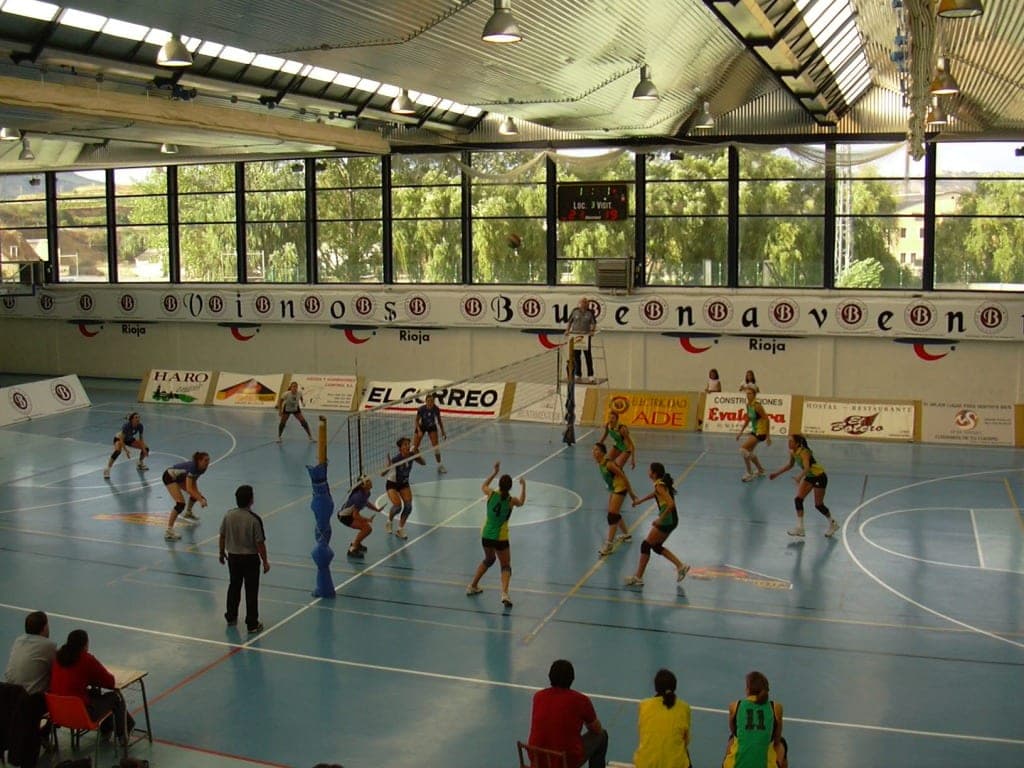
Volleyball
A non-contact team sport of rallies, jumps and teamwork — indoors or on the beach.
Beach Tennis
A sociable sand-court paddle sport played with solid paddles and a soft ball that is volleyed without a bounce.
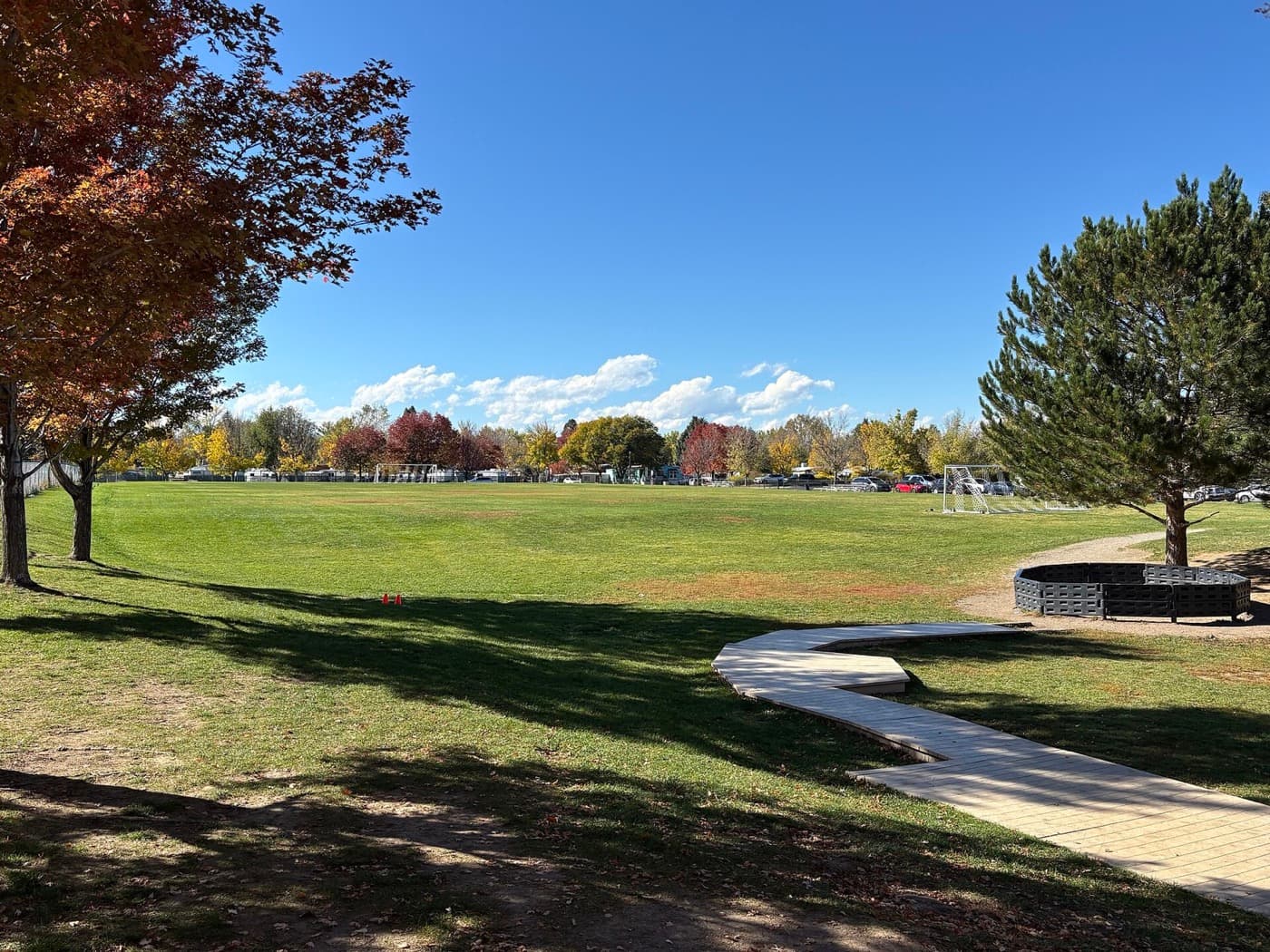
Football
The world’s most popular team sport — endless running, teamwork and community in one game.
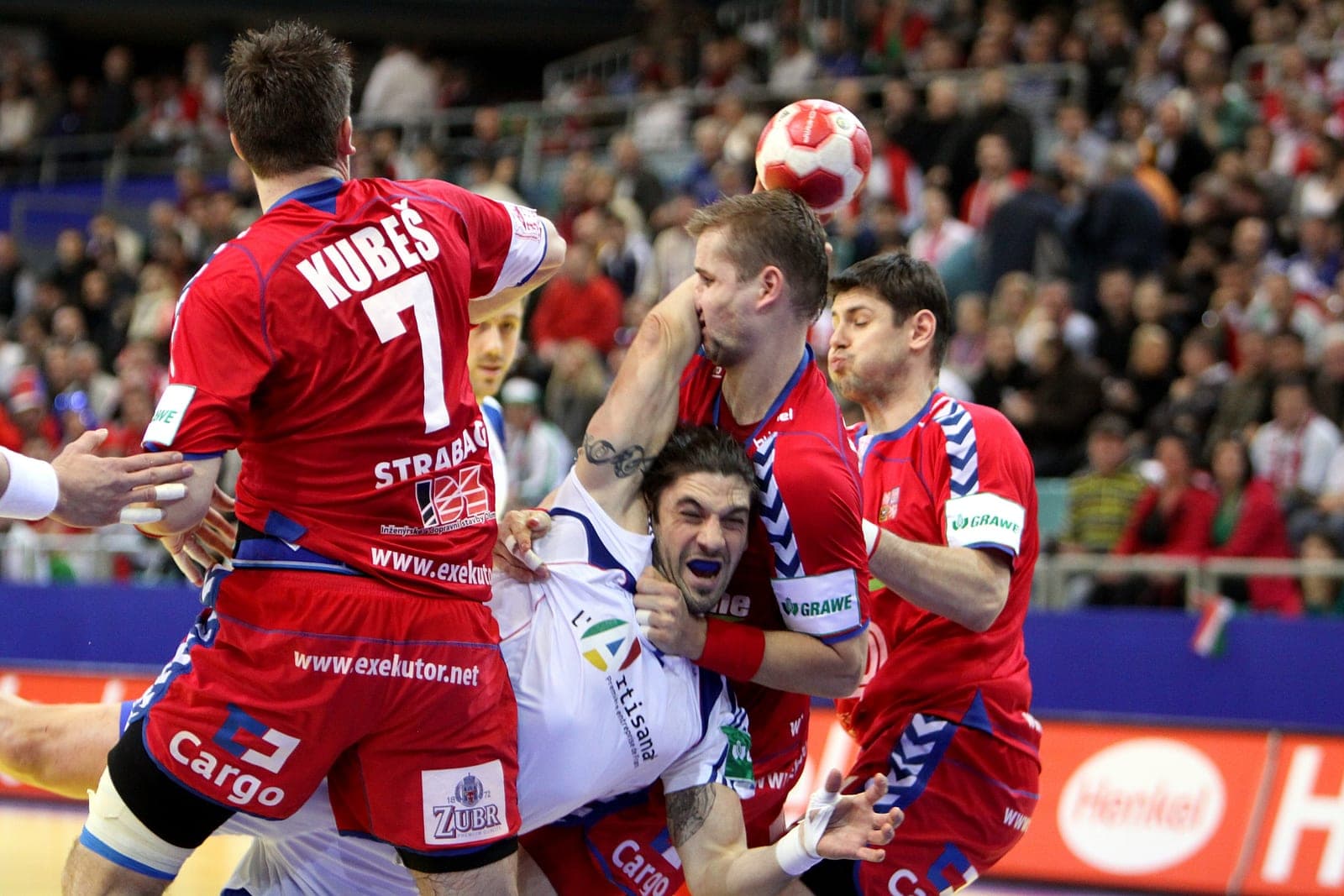
Handball
A fast indoor team sport of passing, jumping and throwing to score with the hands.
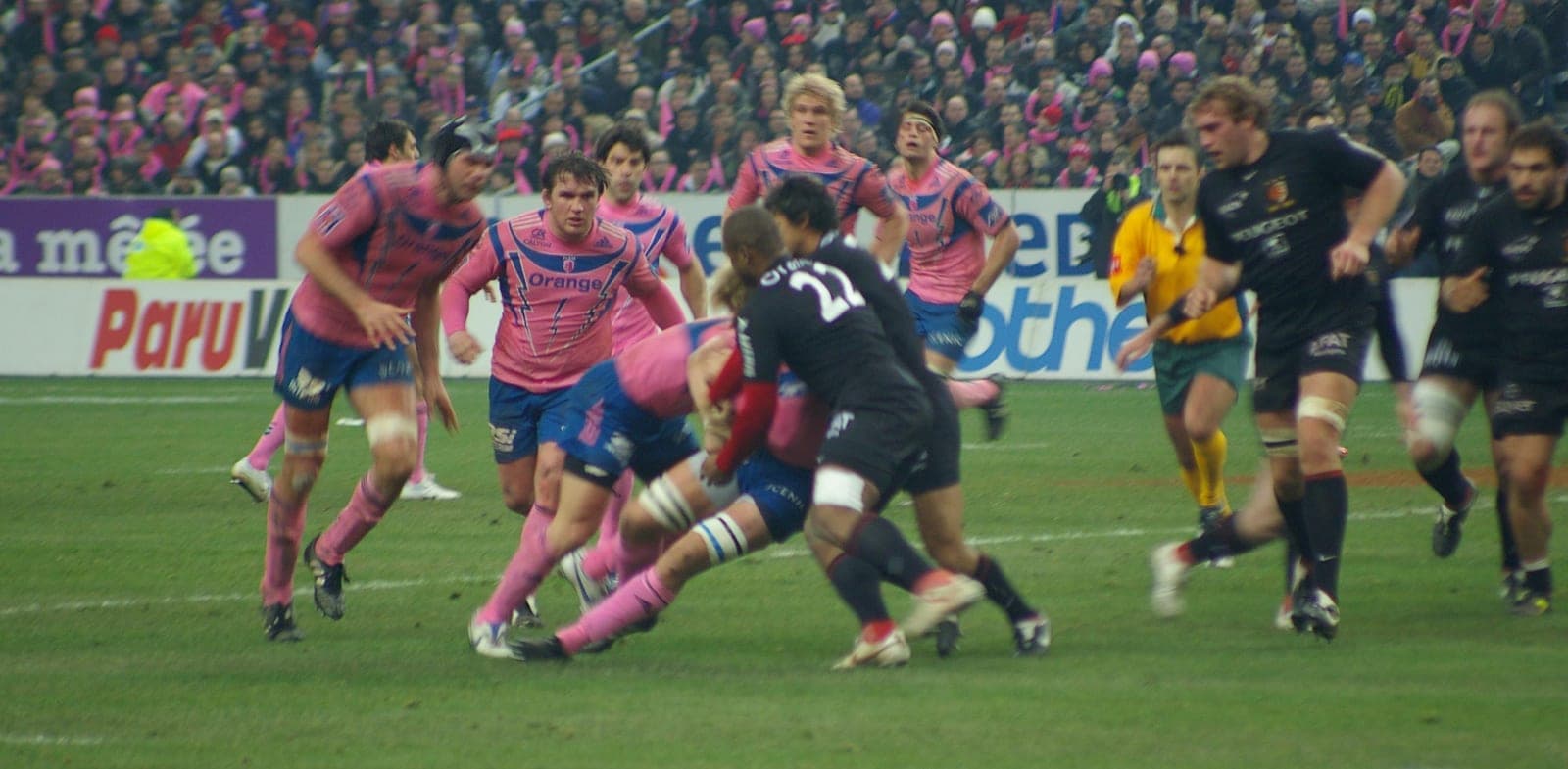
Rugby
A physical team sport of carrying, passing and kicking an oval ball toward the opposing line.

Wrestling
A grappling sport of takedowns and control where two athletes compete to pin or out-position each other.
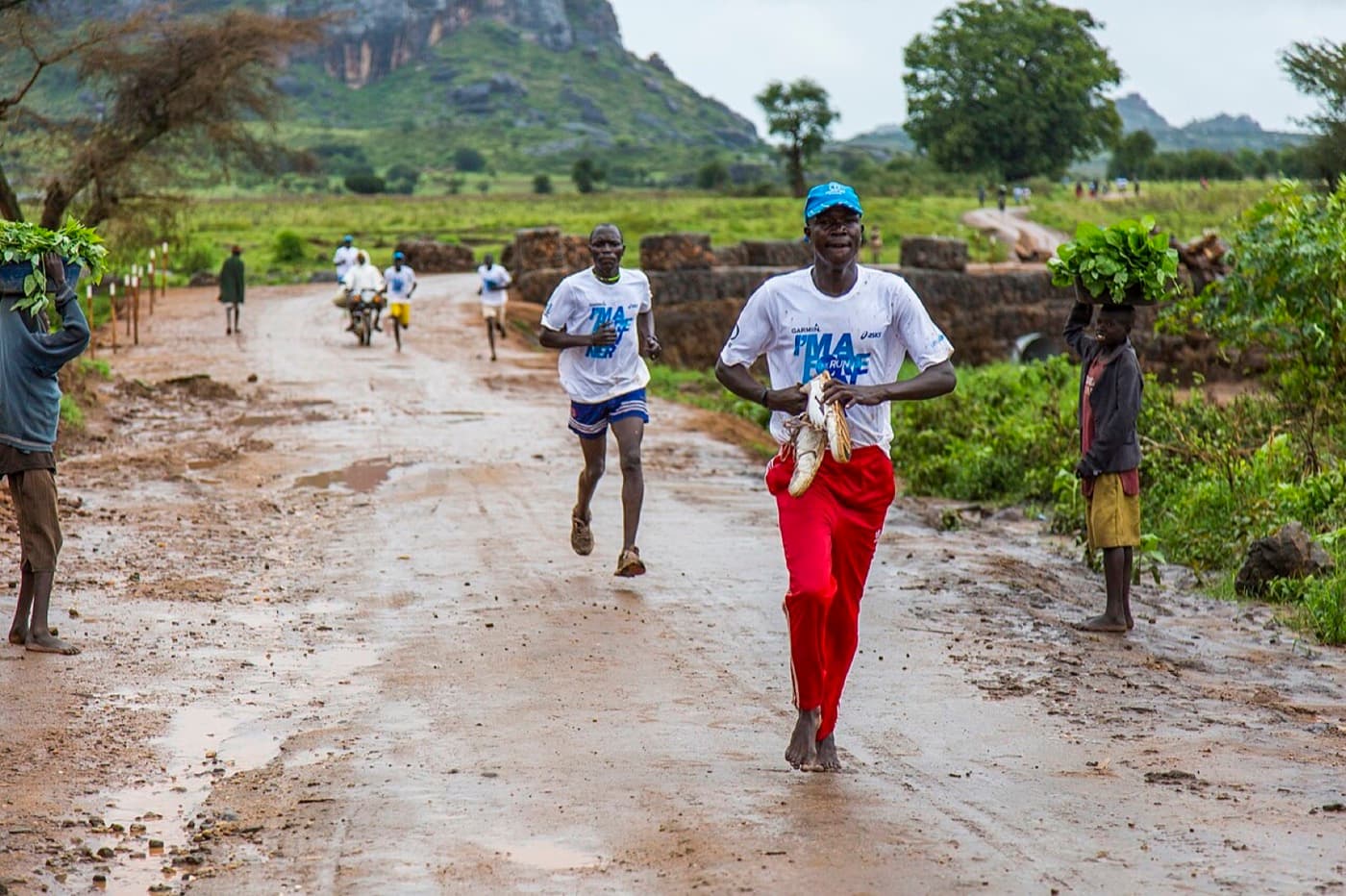
Running
The most accessible endurance sport — no venue, just shoes and the open road or trail.

Fitness
Strength and general fitness training — the foundation that supports every other sport.
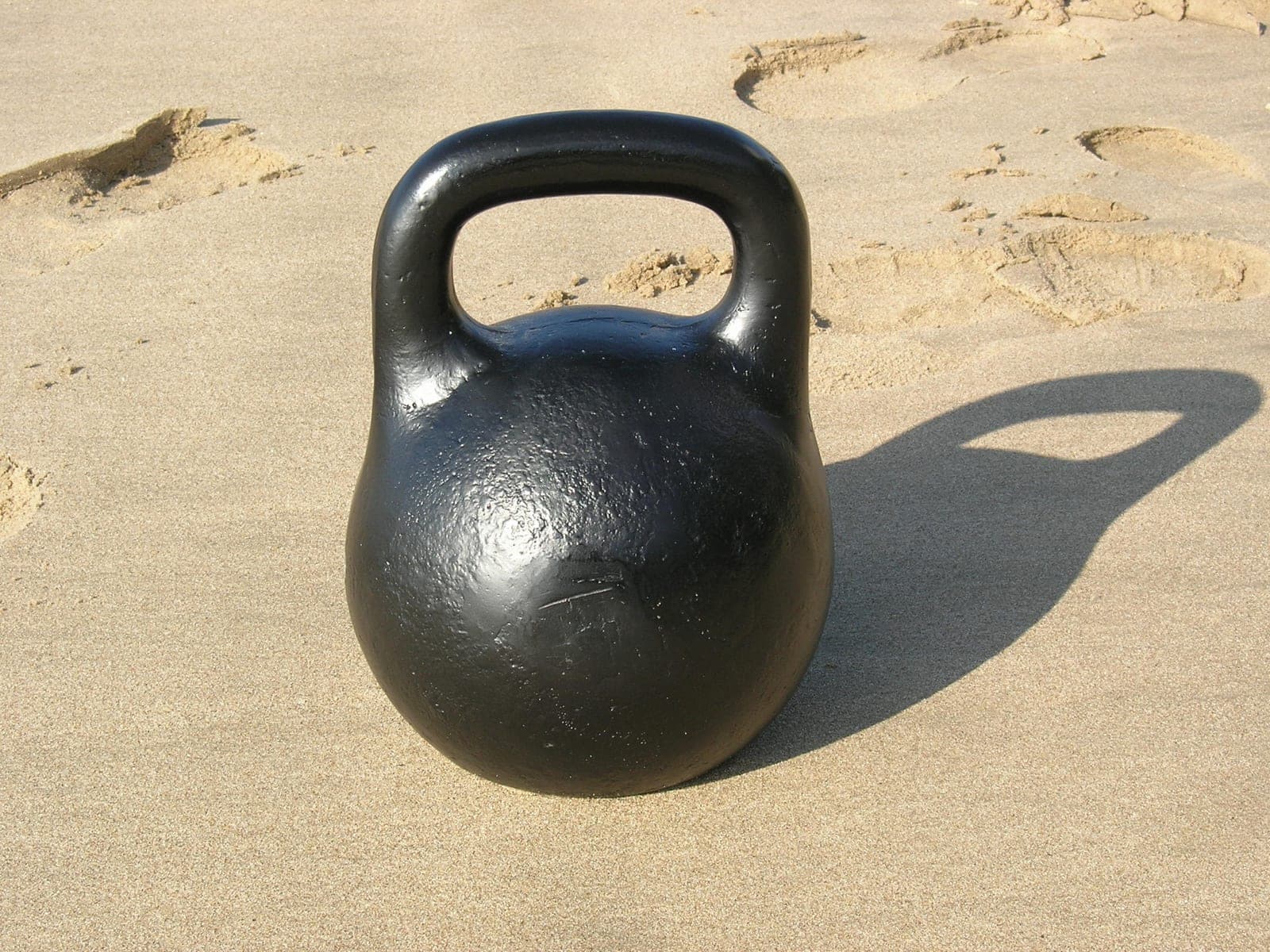
Functional Fitness
Varied, whole-body training built around everyday movement patterns like squatting, lifting and carrying.
Related playing surfaces
Synthetic track
An all-weather rubberised athletics running surface — firm, springy and high-grip — giving sprinters and distance runners fast, consistent, predictable footing.
Hard court
A rigid acrylic, concrete or asphalt court that gives a true, consistent, medium-paced bounce — the standard multi-use outdoor surface.
Artificial turf
Synthetic grass, often filled with sand or rubber, that gives a firm, even, all-weather surface. It plays faster and truer than worn natural grass.
How it connects
The meaning-bearing relationships that place Sand in the wider knowledge graph — each one with the reason it exists.
Frequently learned together
Taught side by side in the same stage of a learning path.
- VolleyballBoth are taught in the “What you’ll need” stage of the Volleyball learning path.
- Volleyball courtBoth are taught in the “What you’ll need” stage of the Volleyball learning path.
- Sports hallBoth are taught in the “What you’ll need” stage of the Volleyball learning path.
- Hard courtBoth are taught in the “What you’ll need” stage of the Volleyball learning path.
- WoodBoth are taught in the “What you’ll need” stage of the Volleyball learning path.
Explore across the knowledge base
Follow the threads that connect Sand to the rest of SocialSportHub.
Equipment
- VolleyballA soft, inflated ball struck with the hands and arms in volleyball, light enough to be played off the forearms without hurting.
- Running shoesCushioned footwear designed for the repetitive forward motion of running.
- Water bottleA refillable bottle for carrying drinks and staying hydrated during sport.
- Tennis racquetA strung frame with a handle, used to hit the ball in tennis. Head size, weight and balance vary to suit different playing styles.
- BasketballA large, inflated ball with a dimpled surface used to play basketball.
Facilities
- Volleyball courtA rectangular court split by a high net over which two teams rally the ball, played indoors or on sand.
- Sports hallA large indoor hall with multi-sport line markings, used for court sports like basketball, volleyball and badminton.
- Athletics trackAn oval multi-lane running track, usually 400 metres per lap, used for sprints, distance running and relays.
- Multi-use games area (MUGA)A fenced outdoor hard-surface area marked for several sports, common in schools, parks and community facilities.
- The table tennis tableThe exact dimensions of a table tennis table and its markings — length, width, height, the bounce test the surface must pass, and the lines that only matter in doubles.
Skills
Learning paths
- Learn FootballA structured, educational learning path for football — from the rules to skills, techniques, tactics and training.
- Learn VolleyballA structured, educational learning path for volleyball — from the rules to skills, techniques, tactics and training.
- Learn RunningA structured, educational learning path for running — from the rules to skills, techniques, tactics and training.
- Learn RugbyA structured, educational learning path for rugby — from the rules to skills, techniques, tactics and training.
- Learn HandballA structured, educational learning path for handball — from the rules to skills, techniques, tactics and training.
Practice & sessions
Go deeper with Sand
Everywhere else on the platform that covers Sand — assembled from what actually references it, so nothing here is a dead end.
Learn it
Structured courses and paths on the platform that cover this directly.
How this page is maintained
- Content type
- Playing surface
- Provenance
- Tier A — evergreen educational
- Verified external sources
- 0
- Content updated
- 2026-09-12
Evergreen, first-party explanation — it makes no claim that needs an external source. How we handle sources and reviews.