
Superset
A superset pairs two exercises performed back-to-back with little or no rest between them.
Definition
A superset is a resistance-training method in which two exercises are completed in immediate succession before any rest is taken. The pairing can target opposing muscle groups (an antagonist superset, such as biceps then triceps), the same muscle group for extra fatigue, or two unrelated movements simply to save time. Because rest is compressed, a superset raises the density of a workout, so more work is done in the same window.
Coaches use supersets to increase training volume efficiently, add metabolic demand, or keep athletes moving in time-limited sessions. They are distinct from a single set with a mid-set weight change (a drop set) and from a circuit, which chains several stations in sequence. The trade-off is that fatigue from the first exercise can reduce the load an athlete handles on the second.
Where you’ll hear “superset”
Sports that use this term:

Fitness
Strength and general fitness training — the foundation that supports every other sport.

Football
The world’s most popular team sport — endless running, teamwork and community in one game.
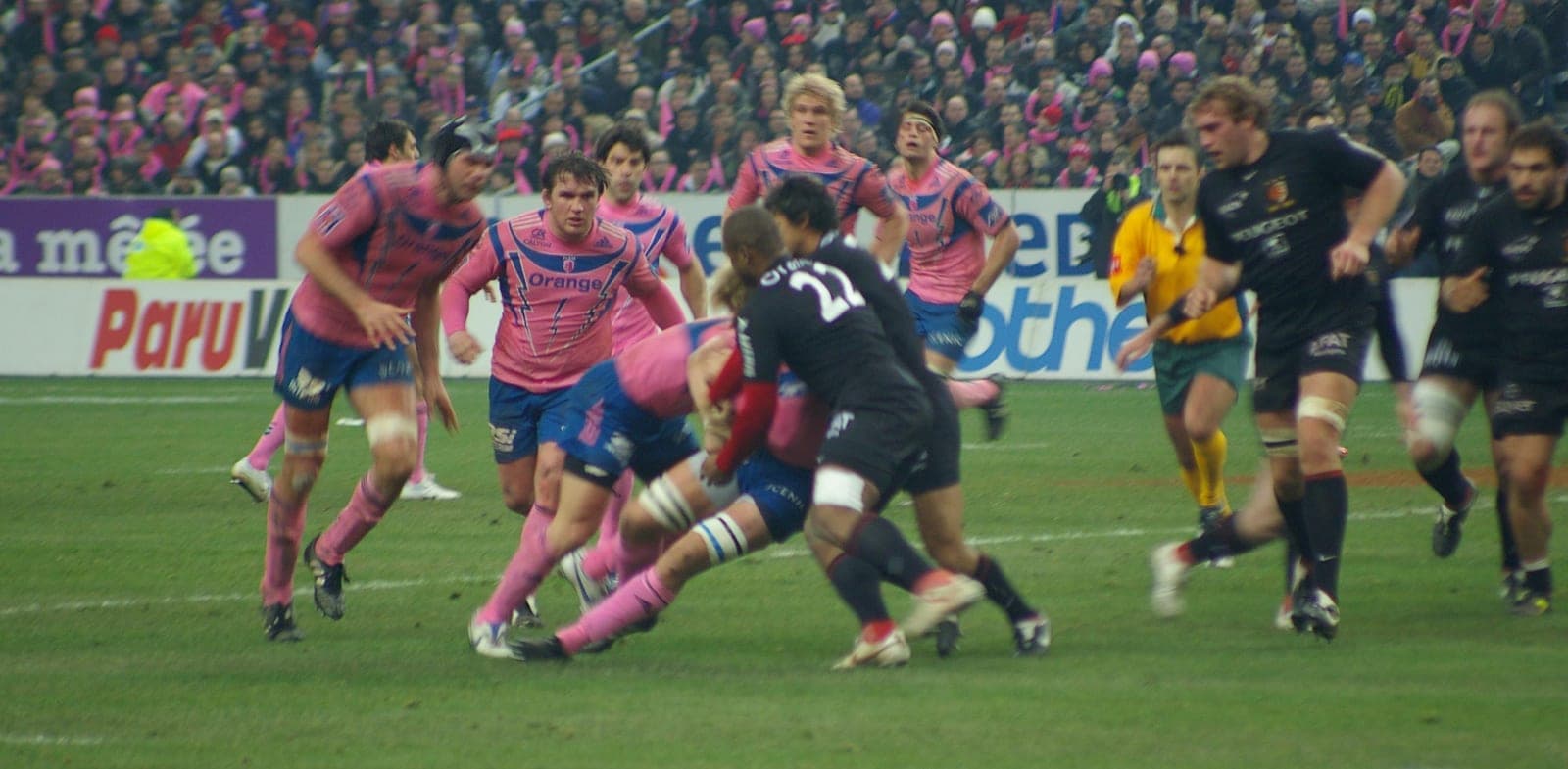
Rugby
A physical team sport of carrying, passing and kicking an oval ball toward the opposing line.
Explore across the knowledge base
Follow the threads that connect Superset to the rest of SocialSportHub.
Lifestyle
- At homeMovement you can do in your living room — from bodyweight strength to yoga — with little or no equipment.
- No equipmentActivities and workouts you can do with little or no gear, using mostly your own body.
- 5 minutesEven five minutes counts — a quick movement snack that breaks up sitting and keeps a little activity in a packed day.
Movement comparisons
- Pull vs PushPull vs Push: how these two movements differ, what they share, and how to tell them apart — from mechanics to the sports that use them.
- Crossover Step vs RotationCrossover Step vs Rotation: how these two movements differ, what they share, and how to tell them apart — from mechanics to the sports that use them.
- Push vs StrikePush vs Strike: how these two movements differ, what they share, and how to tell them apart — from mechanics to the sports that use them.
- Push vs ThrowPush vs Throw: how these two movements differ, what they share, and how to tell them apart — from mechanics to the sports that use them.
- Lunge vs SquatLunge vs Squat: how these two movements differ, what they share, and how to tell them apart — from mechanics to the sports that use them.
Training plans
- Three-Day Split ExampleA general example of a simple three-day training split that divides the week into a few focused sessions with rest built in between.
- General Fitness WeekA balanced example week that mixes some cardio, a little strength and gentle mobility for well-rounded, all-round fitness.
- Beginner Strength WeekA general example week for someone learning the basic strength movements, built around a few short, technique-focused sessions with plenty of rest.
Recovery
Go deeper with Superset
Everywhere else on the platform that covers Superset — assembled from what actually references it, so nothing here is a dead end.
Take it away
Open data and the whole-platform view of this subject.
How this page is maintained
- Content type
- Term
- Provenance
- Tier A — evergreen educational
- Verified external sources
- 0
- Content updated
- 2026-09-01
Evergreen, first-party explanation — it makes no claim that needs an external source. How we handle sources and reviews.