
Three-Day Split Example
A general example of a simple three-day training split that divides the week into a few focused sessions with rest built in between.
Overview
A "split" divides your training across different days so each session focuses on a portion of the body — a common example groups movements into an upper-body day, a lower-body day, and a full-body or core day. It is one step on from a full-body routine, once a few sessions a week feel comfortable.
This is a general, illustrative example to adapt, not a personalised prescription. You can swap which movements go on which day and keep every session within comfortable reach.
Rest days between or after training days are part of the plan, not an afterthought. Start where you are and progress gently.
An example week
- 1Day 1 — an upper-body session (pushing and pulling movements) at a comfortable effort.
- 2A rest or easy-movement day.
- 3Day 2 — a lower-body session (squats and hinges), kept relaxed.
- 4Another rest or gentle-walk day.
- 5Day 3 — a full-body or core-focused session.
- 6Weekend — rest and everyday activity.
What it includes
- Three focused sessions — an upper-body day, a lower-body day and a full-body or core day.
- Rest days built in around the sessions.
- Freedom to swap movements within each day.
- Easy warm-ups and a relaxed pace throughout.
A note on training information
Where it’s used
Sports this relates to:
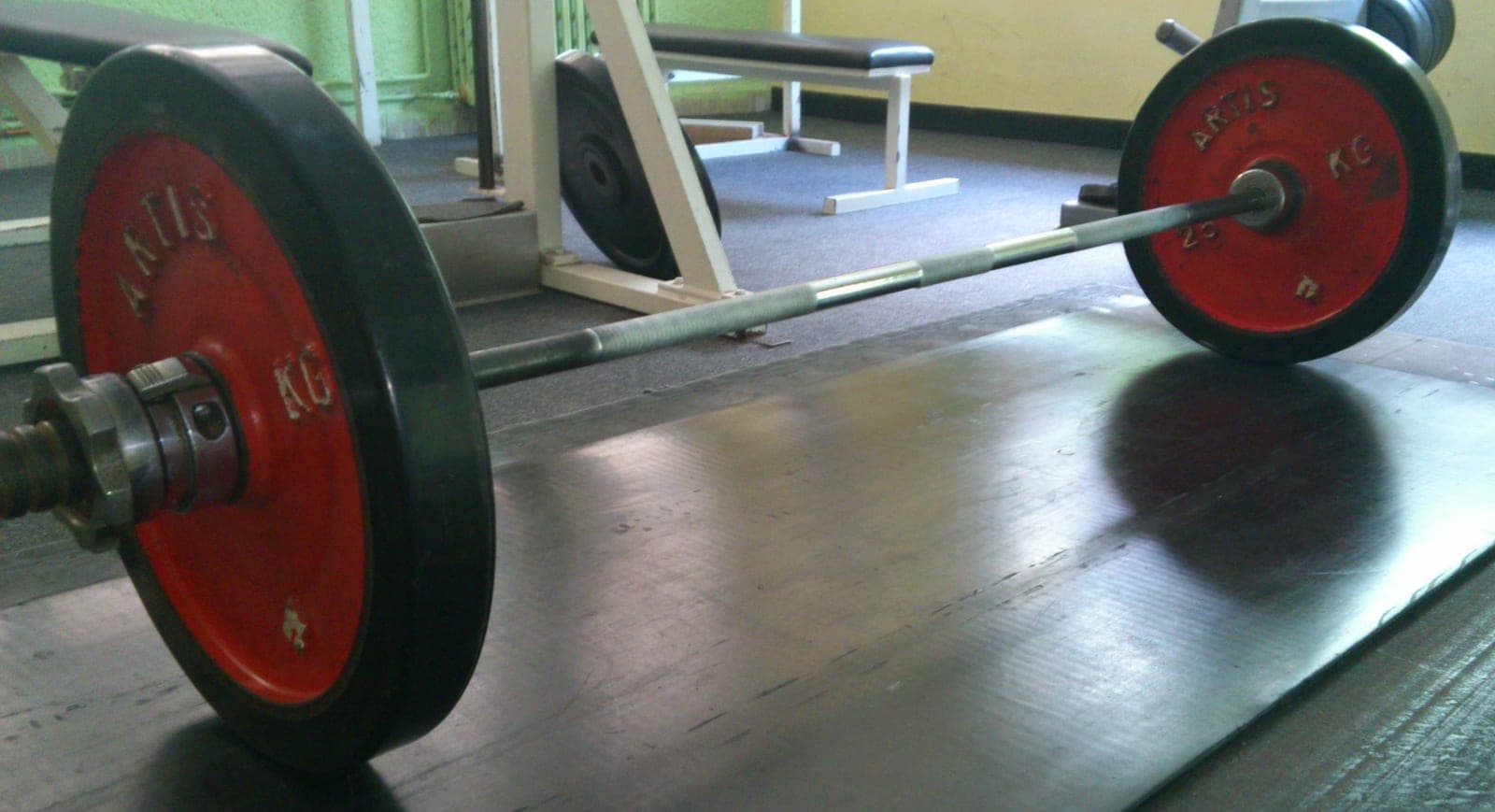
Weightlifting
A technical strength sport built around lifting a loaded barbell overhead with speed and control.
Bodybuilding
Resistance training focused on building muscle size, symmetry and definition through consistent effort.

Fitness
Strength and general fitness training — the foundation that supports every other sport.
Related training plans
Beginner Full-Body Week
A general example of a simple full-body week that spreads a push, a pull, a lower-body movement and some core evenly across three unhurried sessions.
Walk-to-Jog Plan
A gentle example of easing from walking into jogging by gradually mixing short, easy jogs into regular walks over several weeks.
Beginner Strength Week
A general example week for someone learning the basic strength movements, built around a few short, technique-focused sessions with plenty of rest.
Explore across the knowledge base
Follow the threads that connect Three-Day Split Example to the rest of SocialSportHub.
Recovery
- Rest daysRest days are planned days off from training that give the body and mind time to recover between harder sessions.
- Cool-downA cool-down is a few minutes of easy movement at the end of a session to let the body settle back towards rest.
- Active recoveryActive recovery means very easy, gentle movement on lighter days to keep the body moving without adding hard training stress.
- Easy daysEasy days are deliberately gentle training days that keep the effort low so harder sessions can stay hard.
Healthy living
- Recovery routineBringing your recovery habits together into a simple, repeatable rhythm — so rest becomes a natural part of an active week.
- Recovery walkingEasy, relaxed walking used as a way to recover — a low-effort way to keep moving on off days and after harder sessions.
- Recovery MealsThe general idea of eating after activity to help your body refuel and recover — simple, not scientific.
- Evening Wind-DownEasing gently from a busy day toward rest, with calm movement and habits that help the body settle.
- Morning MovementA little gentle activity early in the day to wake the body up and start on a positive note.
Training guides
- How to build a weekly routineBuilding a weekly routine means loosely planning your training across the week so effort and rest are spread out in a way you can sustain.
- Understanding rest and recoveryRest and recovery are the everyday habits — sleep, rest days and gentle movement — that let the benefits of training take hold between sessions.
- How to cool downA cool-down is a few easy minutes at the end of a session that let your effort taper off gradually before you stop.
- Bodyweight training basicsBodyweight training uses your own body as resistance, making it a simple and accessible way to build strength almost anywhere.
- How to track progress simplyTracking progress simply means keeping a light, low-effort record of your training so you can see how far you have come.
Lifestyle
- 20 minutesTwenty minutes is enough for a solid, focused workout — a proper run, an interval session or a full-body circuit.
- MorningFitting activity into your morning, from an early run to a gentle stretch, to start the day moving.
- 10 minutesTen focused minutes is enough for a quick, worthwhile session — a short run, a compact circuit or a mobility routine.
- 15 minutesShort, focused bursts of movement you can fit into a spare 15 minutes, with no long session required.
- On a rainy dayIndoor options for wet weather — pool sessions, indoor courts, home routines and gym work when going out is off.
Exercises
- Push-upA classic upper-body pushing exercise where you lower and press your body up from the floor.
- Band pull-apartA simple pulling exercise where you stretch a resistance band across your chest to work the upper back.
- BurpeeA full-body exercise combining a squat, a plank, and a jump in one flowing movement.
- LungeA single-leg movement where you step forward and bend both knees to lower your body.
- SquatA foundational lower-body movement where you bend at the hips and knees to lower down and stand back up.
Training methods
- Circuit TrainingCircuit training moves you through a series of stations back to back with little rest, blending strength and cardio into one time-efficient session.
- Active Recovery SessionsActive recovery sessions are deliberately easy bouts of gentle movement — an easy walk, spin or swim — used on lighter days to keep moving without adding hard work.
- Cross-TrainingCross-training mixes different activities into your routine so you build all-round fitness and give repeatedly-used muscles a change of stimulus.
How this page is maintained
- Content type
- Training plan
- Provenance
- Tier A — evergreen educational
- Verified external sources
- 0
- Content updated
- 2026-07-06
Evergreen, first-party explanation — it makes no claim that needs an external source. How we handle sources and reviews.